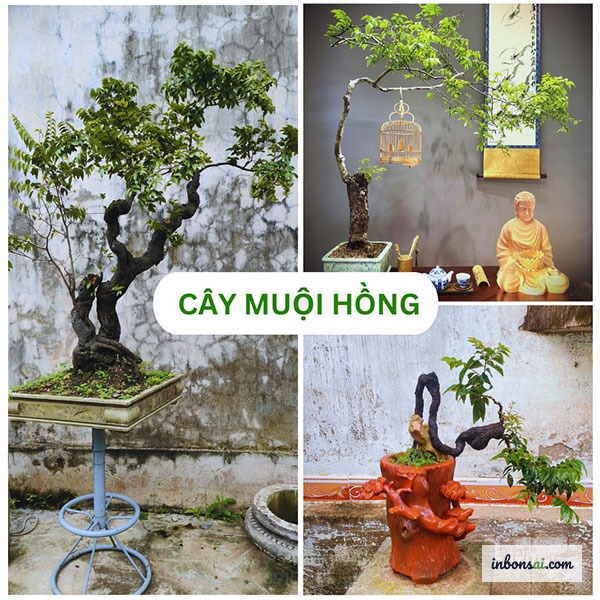
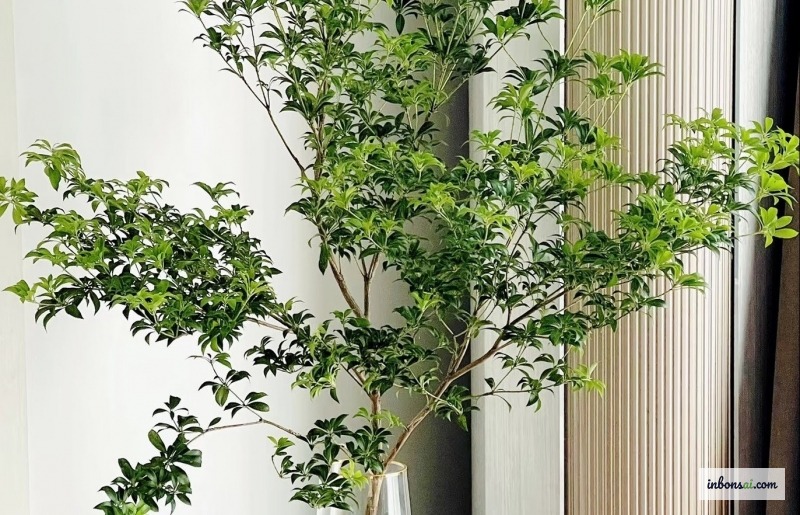
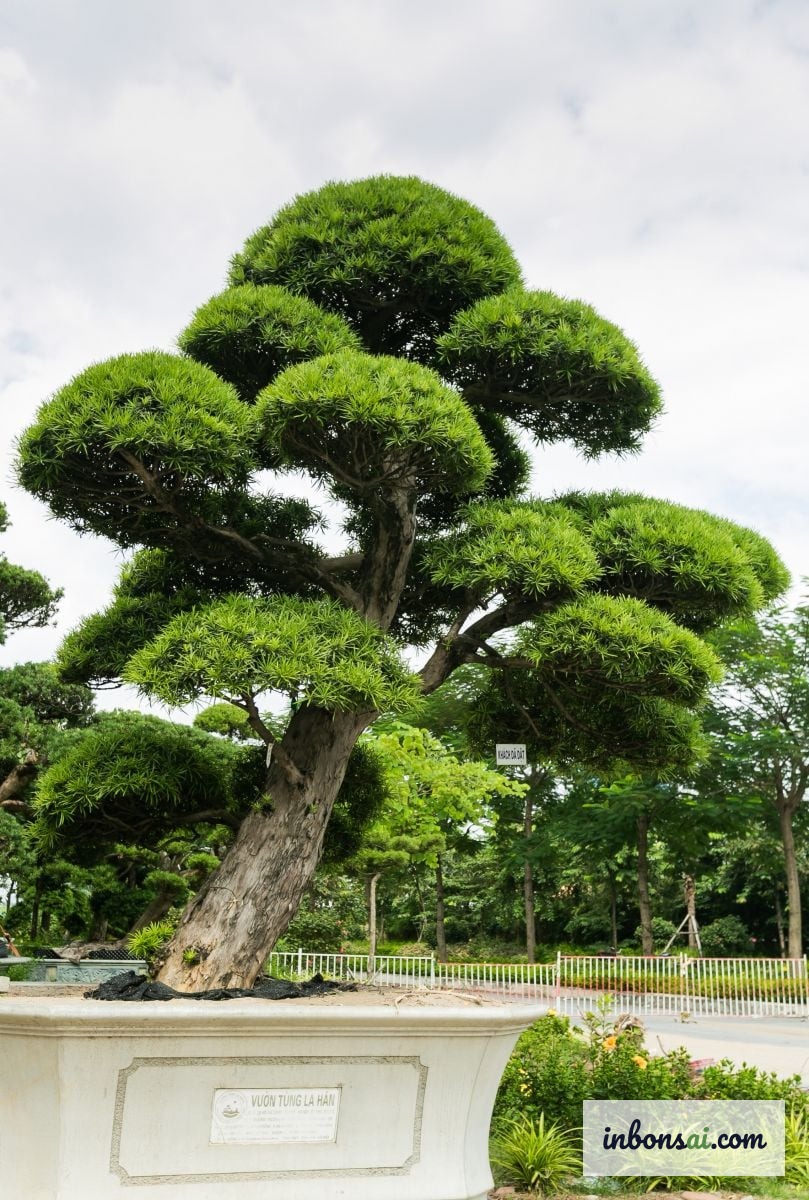
Fukien Tea bonsai (Carmona retusa / Ehretia microphylla) is one of the most popular indoor bonsai trees for Vietnamese enthusiasts and growers worldwide. Its small glossy leaves, delicate white blossoms, naturally gnarled bark, and adaptability to indoor conditions make it an ideal choice for beginners and experienced collectors alike. If you're looking for a bonsai that stays beautiful year-round and carries positive feng shui meaning, Fukien Tea deserves a top spot in your collection. This guide covers everything — from choosing the right tree to mastering its care.
What Is Fukien Tea Bonsai? Key Identifying Features
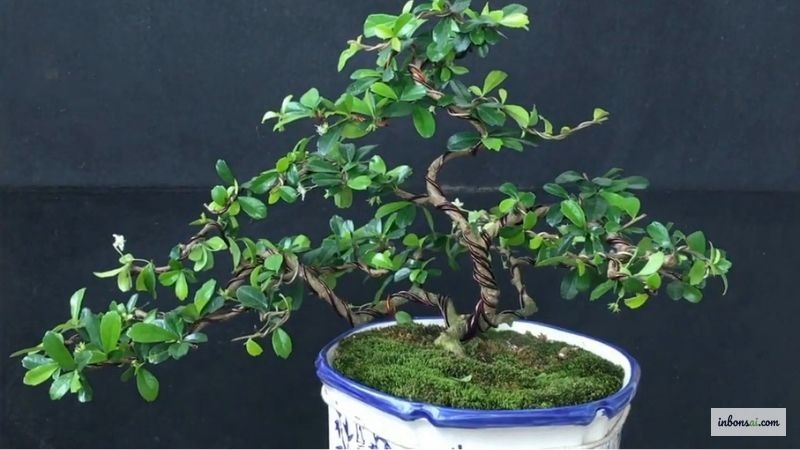
Fukien Tea (Ehretia microphylla, also classified as Carmona retusa) belongs to the Boraginaceae family and originates from tropical Asia, particularly Fujian Province in China — hence the name "Fukien Tea." In the Philippines, it's commonly called Philippine tea or tsaang gubat.
The most recognizable feature of Fukien Tea bonsai is its small, oval leaves with fine surface hairs and a deep, glossy green color. Tiny white flowers appear year-round, peaking in spring and summer, followed by round berries that transition from green to red when ripe — a delightful decorative detail for bonsai displays.
The trunk develops a naturally rough, grayish-brown bark as the tree ages, giving it the ancient, weathered appearance prized in bonsai. This natural aging process happens faster in Fukien Tea than in many other species, which is another reason it's so widely cultivated. The tree belongs to the indoor bonsai category and tolerates partial shade better than most outdoor species.
How to Grow Fukien Tea Bonsai at Home
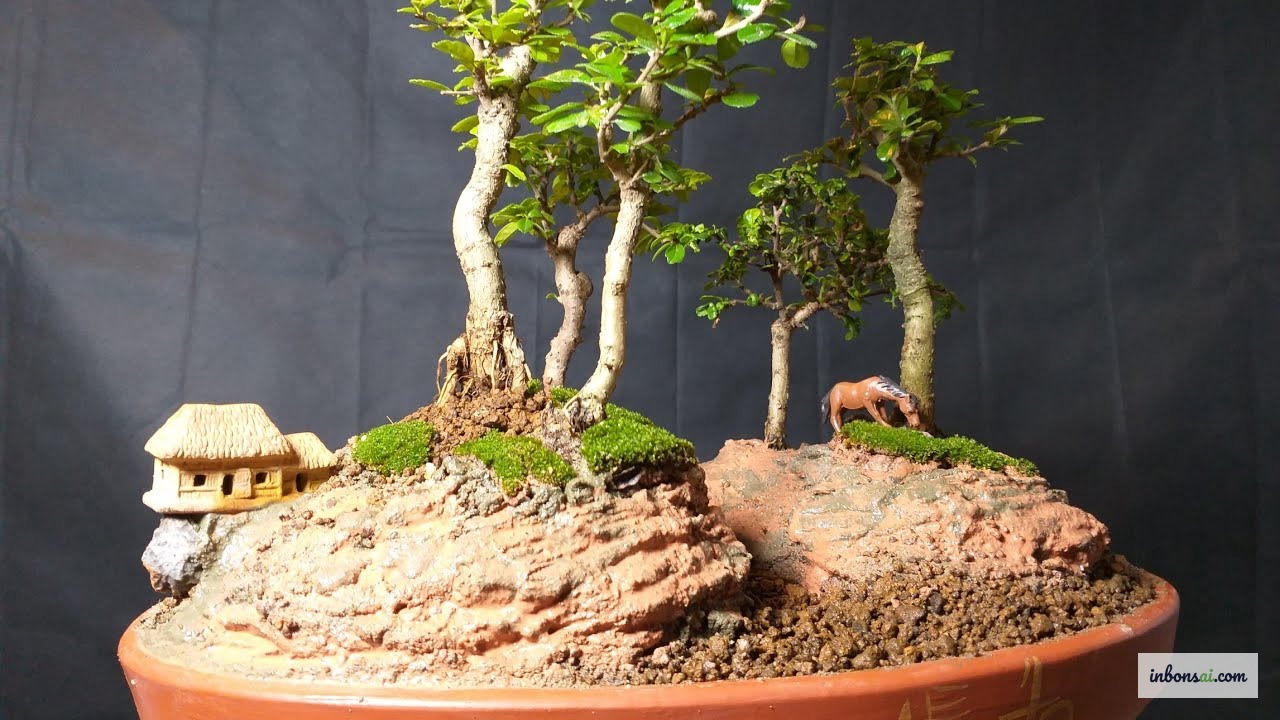
Getting the soil mix and pot selection right from the start is the single most important factor for successfully growing Fukien Tea bonsai at home.
Choosing the right pot: Opt for ceramic or terracotta pots with good drainage holes. The pot size should be roughly one-third smaller than the tree's canopy spread to encourage root development. Rectangular shallow pots or round pots both work well for this species.
Soil mix: Blend 60% well-aerated organic humus, 30% coarse sand or perlite, and 10% peat moss. This combination retains moisture while draining well — the ideal environment for root growth. Avoid heavy clay soils or ordinary garden soil, which compact easily and cause root rot.
Planting technique: Place a layer of small gravel or keramzite stones at the pot bottom before adding soil to improve drainage. Position the tree, fill with soil without burying the root collar too deep, water thoroughly, and keep the tree in a shaded spot for 1-2 weeks while it establishes.
Repotting: Repot every 2-3 years in early spring when temperatures stabilize above 18°C. Take the opportunity to prune about one-third of the old root mass to stimulate new feeder root growth.
Daily Care for Fukien Tea Bonsai
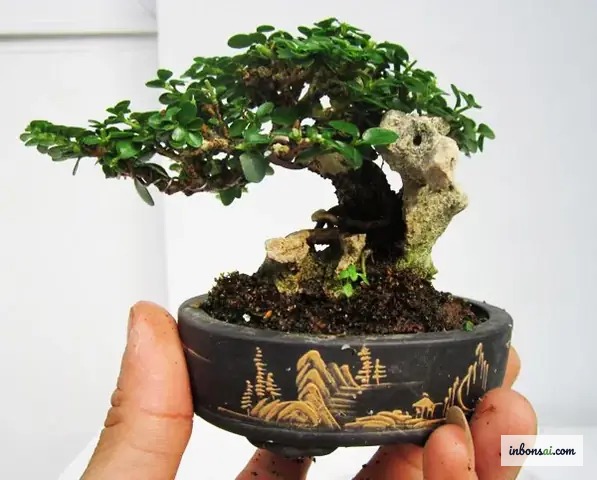
Consistent daily care is the foundation of long-term bonsai health. For Fukien Tea, four factors matter most: light, water, humidity, and fertilization.
Light: Fukien Tea loves bright light but not harsh direct afternoon sun. The ideal position is near an east- or south-facing window that provides 4-6 hours of soft, indirect light per day. For apartments with limited natural light, supplement with a full-spectrum LED grow light running 8-10 hours daily.
Watering: Fukien Tea likes moisture but cannot tolerate waterlogging. Before watering, check soil moisture — only water when the top 1-2 cm of soil begins to dry out. In hot summer months, water once or twice daily; in winter, every 2-3 days. Always water deeply until it drains from the bottom holes.
Humidity: The tree thrives at 50-70% relative humidity. In air-conditioned spaces, place a pebble tray filled with water beneath the pot, or mist leaves lightly once or twice per day (avoiding midday when direct sun is present).
Fertilizing: Apply diluted fertilizer every two weeks during the growing season (spring-summer), reducing to once a month in autumn-winter. A balanced NPK fertilizer (10-10-10) or slow-release organic fertilizer works well. Do not fertilize when the tree is flowering or recovering from heavy pruning.
Temperature-wise, Fukien Tea thrives between 18-30°C. It's sensitive to cold — if you're in northern Vietnam, bring it inside when temperatures drop below 10°C.
Pruning and Shaping Fukien Tea Bonsai
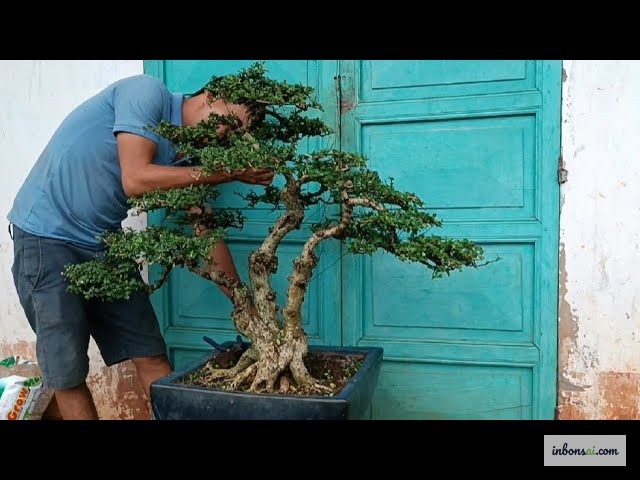
Fukien Tea is a fast grower, especially during warm months. This is both an advantage (easy to shape) and a responsibility — regular pruning is essential to maintain your design.
Maintenance pruning: After every growth flush (roughly every 4-6 new leaves), pinch or cut back to leave only 2-3 leaves per branch. This encourages natural branching, creates denser foliage, and maintains a balanced silhouette. Use sharp bonsai scissors sterilized with alcohol before each session.
Structural pruning: Perform this in early spring when the tree begins its active growth period. Identify and remove any reverse-growing branches, crossing branches, or weak growth. Common styles for Fukien Tea include formal upright (chokkan), slanting (shakan), and semi-cascade (han-kengai).
Wiring: Use soft aluminum or copper wire on young branches to set their direction while they're still flexible. Remove wire after no more than 2-3 months to avoid scarring the bark. Remove immediately once the branch has set in position.
Important note: Avoid heavy pruning while the tree is flowering or during cold winter months. After any major pruning session, apply diluted organic fertilizer to support recovery. For detailed pruning fundamentals, see our basic bonsai pruning guide.
Pest and Disease Prevention for Fukien Tea Bonsai
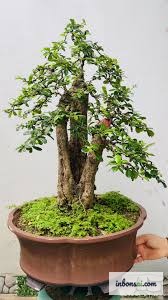
Though generally robust, Fukien Tea bonsai can develop pest or health issues when conditions are suboptimal.
Spider mites: Appear when air is too dry, causing leaves to look pale or silvery with fine webbing. Treat by spraying clean water at low pressure on both sides of the leaves, or apply a diluted soap solution. Maintaining adequate air humidity is the best prevention.
Mealybugs: Identified by cottony white deposits at leaf axils or branch joints. Dab each spot with a cotton swab soaked in 70% isopropyl alcohol, or apply a biological insecticide. Check the undersides of leaves and all hidden areas carefully.
Sudden leaf drop: Usually caused by sudden position changes (dramatic light shift), underwatering or overwatering, or a cold draft. This isn't a disease — the tree typically recovers when the root cause is addressed.
Yellow leaves: May result from nutrient deficiency (especially iron), overly alkaline soil, insufficient watering, or waterlogged roots. Supplement with chelated iron micronutrient fertilizer. Importantly, resist the urge to increase fertilizer when you see yellowing — the cause is often the opposite.
Regular leaf cleaning — wiping leaves with a damp cloth every 2-3 weeks — removes dust buildup and helps prevent pest colonization. For more on diagnosing bonsai health issues, see our guide to recognizing and treating bonsai diseases.
Feng Shui Meaning of Fukien Tea Bonsai
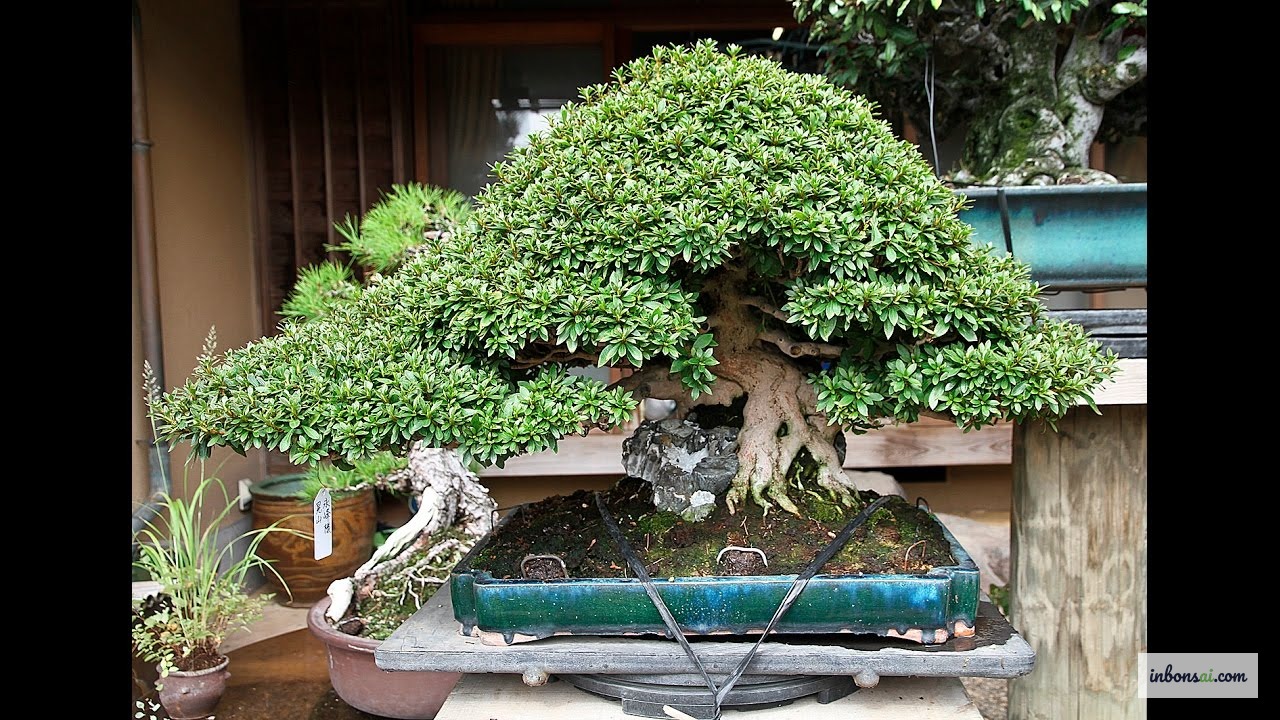
In East Asian feng shui tradition, Fukien Tea bonsai carries multiple positive associations for the home and career.
The name itself — "Phúc Kiến" in Vietnamese — evokes abundance and good fortune, a quality deeply cherished in Vietnamese and Chinese culture. The small white flowers that bloom throughout the year symbolize purity, peace, and new beginnings. For this reason, many families place Fukien Tea bonsai in their living rooms or home offices to invite auspicious energy.
In the five-element framework, this tree belongs to the Wood element — compatible with Water element owners (Wood produces Water) and Fire element owners (Wood produces Fire). To amplify wealth luck, pair the tree with a blue or green ceramic pot that harmonizes with your elemental profile.
Best placement: The east or southeast corner of your living room (wealth sector) is ideal. Avoid placing the tree in dark corners, near bathroom doors, or directly under air conditioning vents. Beyond feng shui, these locations are also simply bad for the tree's health.
A healthy, vibrant bonsai generates more positive energy than any specific feng shui position. Focus first on proper care — the good energy will follow naturally. For more on species with strong feng shui associations, explore our guides on Chinese banyan fig bonsai and bay laurel bonsai.
Fukien Tea bonsai is an outstanding choice for both beginners and experienced collectors. With its small glossy leaves, year-round fragrant blooms, naturally aged bark, and positive feng shui energy, this species richly deserves its place in your collection. The core of successful Fukien Tea care comes down to three things: consistent moisture, appropriate light, and regular pruning. Get these right, and your bonsai will thrive for decades.
Tags
#fukien-tea#bonsai-species#indoor-bonsai#bonsai-careGet bonsai guidance every week.
Fresh care guides, styling notes, and bonsai inspiration delivered to your inbox.