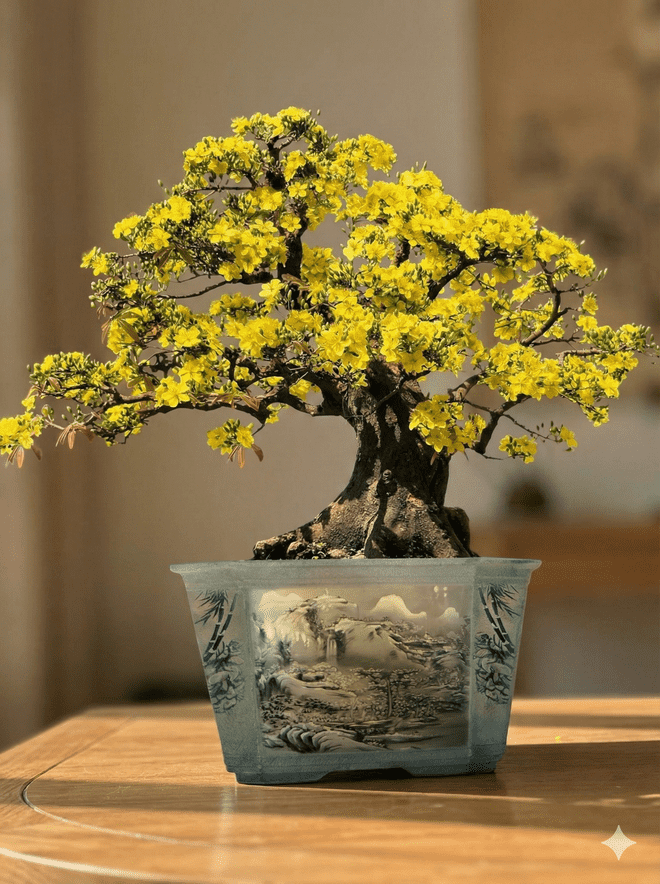
Every Tet season, the question "Is this tree grafted or seedling-grown?" echoes through mai vang markets across Vietnam. Buyers spend anywhere from a few hundred thousand to tens of millions of dong on a tree without knowing which type they are getting. Telling grafted and seedling mai apart is not difficult once you know exactly what to look for. This guide explains both propagation methods, the physical signs that distinguish them from root to crown, and practical advice for making the right purchase.
What Are Grafted and Seedling Mai Vang?
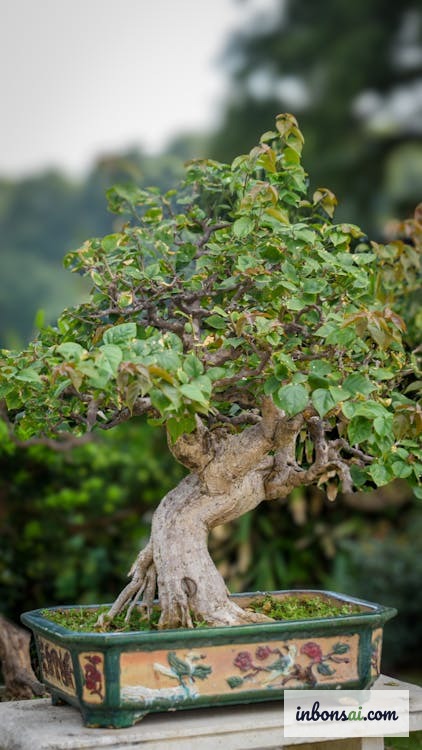
Understanding the two terms clearly prevents confusion before you start examining any tree.
Seedling mai (mai thực sinh) is propagated sexually — a seed is germinated, and the resulting plant grows entirely from its own root system. The roots, trunk, branches, and canopy share the same genetic identity. Seedling trees take longer to flower and reach a marketable size, but they reward patience with exceptional longevity and consistent vigor throughout their life.
Grafted mai (mai ghép) is the product of vegetative propagation. A scion — a bud or short cutting taken from a desirable flowering variety — is joined to a rootstock plant that already has a well-developed root system. The two parts fuse and grow together, but the genetic identity of the upper trunk and the root section below are different. Grafting produces faster results: earlier flowering, more uniform blooms, and shorter production cycles for nurseries.
Both types have genuine advantages. The key is matching the right type to your purpose — and not paying seedling prices for a grafted tree.
How to Tell Grafted vs Seedling Mai by the Graft Union
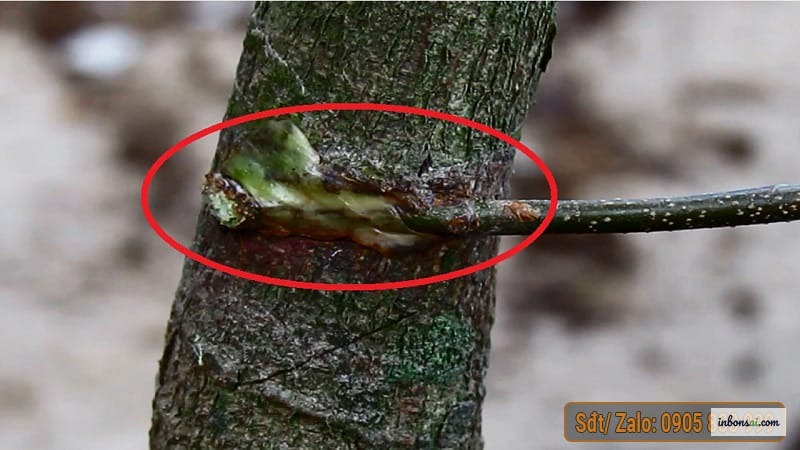
The graft union is the most reliable and visible indicator when distinguishing grafted from seedling mai.
The graft scar on the trunk: On a grafted tree, look for an abnormal swelling or a horizontal scar on the trunk, typically 5–30 cm above the soil line. This is the junction between rootstock and scion. Depending on how long ago the graft was made, the scar may be obvious or faint — but a careful look will reveal a sudden change in bark color, texture, or grain direction.
Bark color contrast: The rootstock bark and the upper trunk often differ in color. Rootstock (frequently a wild or local mai variety) tends to be darker and rougher, while the scion portion may be smoother — or vice versa, depending on the cultivar. This abrupt color shift is hard to disguise.
Sudden change in trunk diameter: At the graft point, trunk diameter often changes noticeably, creating a slight bottleneck or bump. A true seedling's trunk tapers gradually and evenly from base to crown with no breaks.
Beyond these main signs, watch for suckers — shoots emerging from below the graft line. If left unpruned, they flower according to the rootstock's variety, completely different from the upper canopy. Finding suckers on a tree being sold as high-quality mai is a strong red flag.
Recognizing the Difference by Root Base
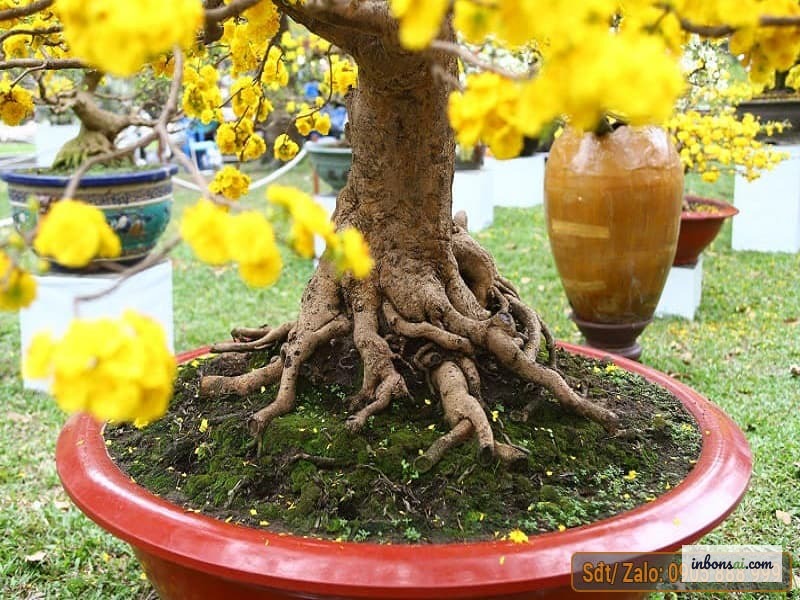
The root system tells another part of the story, especially on older trees.
Seedling mai root base: Because the entire plant developed from a single seed, the root system and trunk share continuous, consistent growth. On mature seedling trees, the base flares naturally outward, roots radiate evenly in all directions, and the transition from root to bark is smooth and uniform in color.
Grafted mai root base: Since the roots belong to the rootstock and the trunk above the scar belongs to a different variety, you may notice subtle color or texture differences right at soil level. Younger grafted trees can develop roots quickly, but over time, a growth-rate mismatch between the rootstock and scion can create a "constriction" — the trunk above the union appearing thinner relative to the swelling root mass below.
When repotting or digging up a tree, seedling mai typically shows a deep, straight taproot, while grafted trees may have a shallower, more lateral root system depending on the rootstock species used.
Distinguishing by Flowers, Leaves, and Overall Vigor
Beyond structure, the way a tree performs over time reveals which propagation method was used.
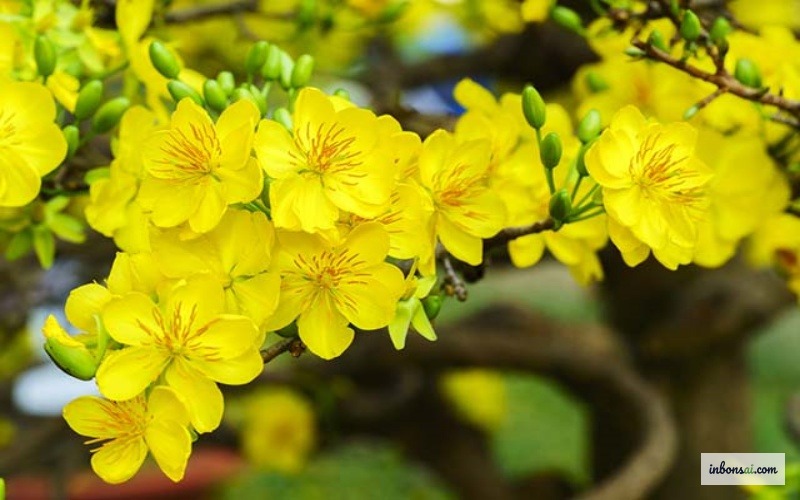
Flower quality: Grafted mai flowers carry the genetics of the scion variety, so they are typically uniform and beautiful in the early years. However, some grafted combinations show "reversion" over time — flowers shrinking or losing color intensity. Seedling mai flowers are genetically stable, maintaining their characteristic color and form throughout the tree's life.
Foliage and bud break: Grafted trees often push growth faster in the first few years, benefiting from the rootstock's established root system. If there is genetic incompatibility between rootstock and scion, however, growth may slow noticeably after five to ten years, and leaf size or bud break patterns can become irregular.
Longevity and resilience: This is the most critical difference for serious collectors. A seedling mai can live for decades — sometimes centuries. Grafted trees typically peak between 15 and 25 years before the graft union becomes a structural weak point, particularly under disease pressure or extreme weather. In dedicated mai bonsai culture, an old seedling tree commands significantly higher value than a grafted specimen of equivalent size.
The key nuance: "flowers beautifully now" and "is a good long-term investment" are not the same thing. Clarifying your purpose first makes the rest of the decision straightforward.
Grafted vs Seedling: Which Is Better?
The right answer depends entirely on your goal.
If you need a display tree for Tet or a 3–5 year show plant: A grafted mai is the practical choice. It flowers earlier, produces consistent blooms in the short term, and costs significantly less than a comparably sized seedling. You will see results quickly without a long commitment.
If you are building a long-term bonsai collection or investing in aged specimens: Seedling mai is non-negotiable. Serious collectors and craftspeople insist on seedling trees for their structural integrity, longevity, and increasing aesthetic value over time. You can read more about how to evaluate a beautiful mai tree to understand the criteria collectors use.
If you want to learn propagation techniques: Working with both types is invaluable. The article mai propagation methods explains the technical process and trade-offs of each approach in depth.
One important clarification: "seedling" does not mean "wild" or "ancient." A seedling mai can be nursery-grown from seed in controlled conditions — it simply means no grafting was involved in its production.
Practical Tips for Buying the Right Mai
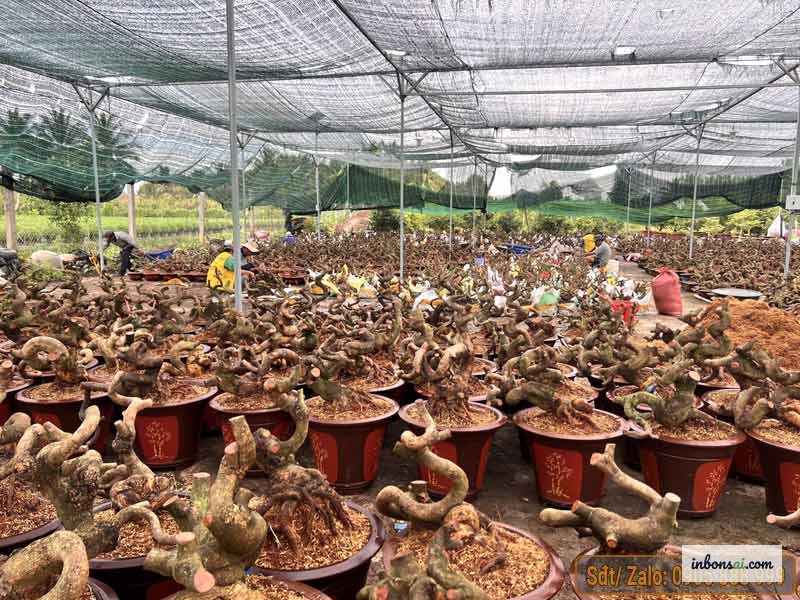
When shopping for mai — especially during the busy Tet market season — time is short and decisions need to be fast but accurate.
Five-step inspection routine:
-
Observe from a distance first: Check overall balance of canopy and base. Any unusual swelling or irregularity in the lower trunk warrants a closer look.
-
Examine the trunk from 5–30 cm up: Run your fingers along the bark to feel for texture changes. Look for a horizontal scar or color break — the classic graft signature.
-
Check the base and soil line: Is the base flaring naturally? Are roots visible and radiating evenly? An unnaturally thin base relative to the canopy, or a "pinched" look at ground level, can indicate a graft point just below the soil.
-
Ask the seller directly: Reputable sellers know their stock and will tell you plainly whether the tree is grafted or seedling-grown, what variety, and roughly how old it is. Vague or evasive answers are a warning sign.
-
Compare the asking price with market norms: Seedling mai always costs more than grafted mai of equivalent size. A dramatically underpriced "seedling" deserves skepticism.
Why does this matter practically? Because in some markets grafted trees are presented and priced as seedlings, leading to significant overpayment. Understanding grafting technique basics helps you recognize the physical results of grafting and shop with confidence.
Regardless of which type you ultimately purchase, proper placement, watering, and seasonal care will determine how well the tree performs for you in the years ahead.
Frequently Asked Questions
Can a grafted mai tree be kept long-term? Yes, with reasonable care — typically 15–25 productive years. The graft union gradually becomes a structural vulnerability, particularly under disease or physical stress, so long-term prospects are limited compared to seedlings.
Does the graft scar disappear over time? It fades as the bark grows over it, but rarely disappears completely. On very old grafted trees the scar becomes difficult to see visually — but you can usually feel it by running your hand along the trunk.
Is seedling mai always more expensive? Generally yes. The additional years required to grow a seedling tree to market size are reflected in the price. The price gap grows wider the older and larger the tree.
Can I turn a grafted mai into a seedling? No — the two are genetically distinct trees fused together. You cannot convert one into the other. However, you can take cuttings or air layers from the scion portion of a grafted tree; those new plants will carry only the scion's genetics and have no graft union.
Knowing how to tell grafted from seedling mai vang lets you buy with confidence, pay a fair price, and set realistic expectations for the tree's performance over time. Whichever type suits your purpose, understanding what you own is the foundation of good mai cultivation.
Tags
#grafted-mai#seedling-mai#mai-vang#buying-guide#vietnamese-apricotGet bonsai guidance every week.
Fresh care guides, styling notes, and bonsai inspiration delivered to your inbox.