Want to own a beautiful mini bonsai but worried about the cost? Good news — affordable mini bonsai under 500K VND for beginners are easy to find. The Vietnamese market offers a wide variety of charming options that suit any budget. From ficus and banyan to Chinese elm and ligustrum, you can start your bonsai journey without a major financial commitment. This guide will help you choose the right species, find the best places to buy, and care for your new tree from day one.
Why Affordable Mini Bonsai Under 500K Are Perfect for Beginners
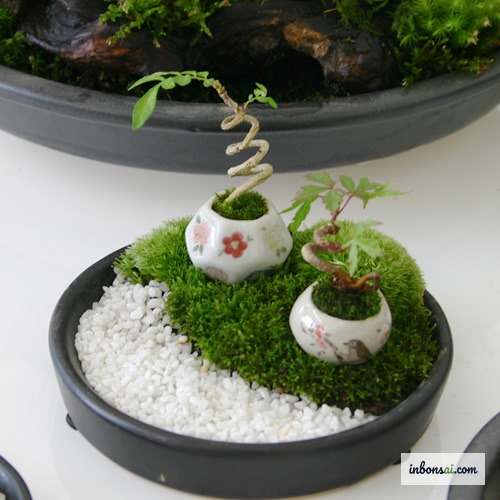
Many beginners hesitate to spend several million dong on a bonsai before they've learned to care for one. Starting with a mini bonsai under 500K is a smart approach: you have room to learn and make mistakes without significant financial stress.
Mini bonsai at this price range typically measure 10–25 cm, fitting perfectly on a desk or bookshelf. Their small size means less soil volume, simpler watering routines, and easier observation of every small change. This helps you accumulate practical experience quickly without feeling pressured.
Beyond that, affordable mini bonsai suit the urban lifestyle perfectly. Whether you live in a small apartment, work at a compact desk, or have a tiny balcony, there's always room for a graceful little bonsai. In feng shui traditions, small bonsai varieties like ficus, jade plant, and bougainvillea are believed to attract positive energy and good fortune.
If you're still wondering whether bonsai is right for you, read our complete beginner's guide to bonsai before making your first purchase.
Popular Mini Bonsai Species Available Under 500K
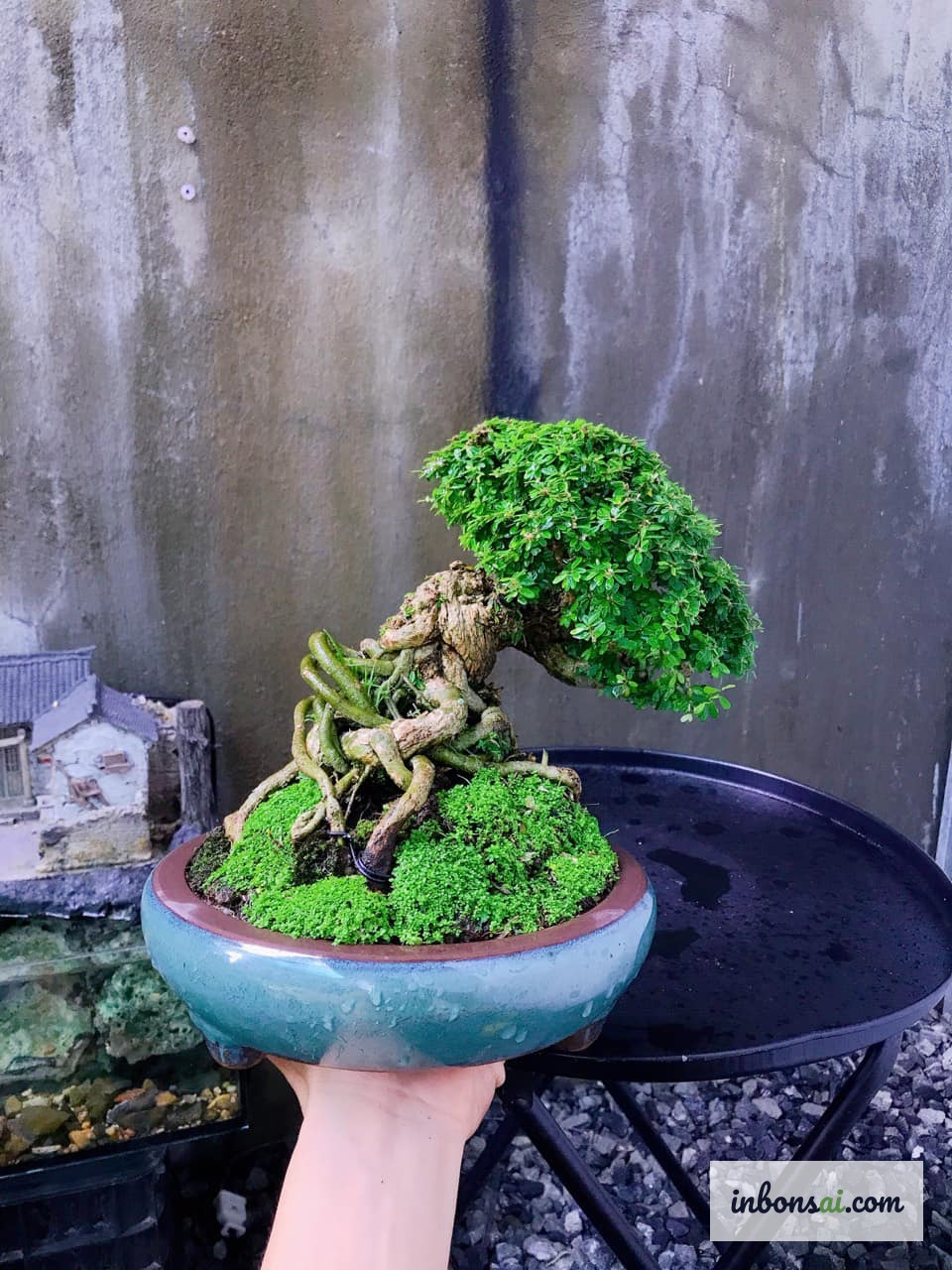
Vietnam's bonsai market offers plenty of species well-suited to a budget under 500K. Here are the most popular choices:
Ficus (Sung) mini bonsai (150K–350K): Ficus is the easiest species for beginners. It tolerates partial shade, isn't fussy about soil, and only needs watering 2–3 times a week. The tree naturally develops attractive surface roots that create an aged, impressive look within 1–2 years.
Banyan (Si) mini bonsai (200K–450K): Closely related to ficus, the banyan has tiny, elegant leaves. It handles heat well, making it ideal for southern Vietnam's climate. The base develops intertwining aerial roots that create a beautiful spreading base — highly sought after by beginner bonsai enthusiasts.
Chinese Banyan (Sanh) mini bonsai (250K–500K): The Chinese banyan has naturally flowing curves and glossy year-round foliage. It's Vietnam's traditional bonsai species, found in plant shops nationwide. Low starting cost with high styling potential.
Bougainvillea mini bonsai (200K–450K): If you want a bonsai that flowers, bougainvillea is worth considering. It blooms year-round in vivid colors, handles sun well, and thrives on balconies or covered patios.
Ficus Retusa (Linh Sam) mini bonsai (300K–500K): Ficus retusa is especially favored by professional bonsai artists for its versatile styling options. Even at a small size, it develops characteristically rugged, textured bark — perfect for classic Japanese-style bonsai.
How to Choose a Quality Mini Bonsai on a Budget
Buying an affordable mini bonsai doesn't mean settling for poor quality. With a few simple criteria, you can find a healthy, beautiful tree well within the 500K budget.
Examine the root base (nebari): A thick, healthy base with visible surface roots is a sign of good development. Avoid trees with a thin, withered, or lopsided base — they'll be difficult to style attractively later.
Check the trunk and branches: The trunk should have natural taper and movement (except for formal upright styles). Branches should be evenly distributed with no large bare gaps. Gently press the trunk — diseased or recently grafted trees often feel loose or unstable.
Inspect the leaves: Deep green, glossy leaves indicate a healthy tree. Yellow leaves, black spots, or curled foliage may signal pests, disease, or nutrient deficiency. A few fallen older leaves are normal, but mass leaf drop is a red flag.
Evaluate the pot: The pot must have drainage holes at the bottom. Check whether the soil is compacted — loose, well-aerated soil supports much better root development. Compacted soil without drainage holes leads to root rot within weeks.
Ask about the tree's history: Knowing whether the tree was propagated by cutting or seed, how long it's been growing, and its fertilization schedule helps you understand its development stage and set realistic expectations.
Where to Buy Affordable, Quality Mini Bonsai
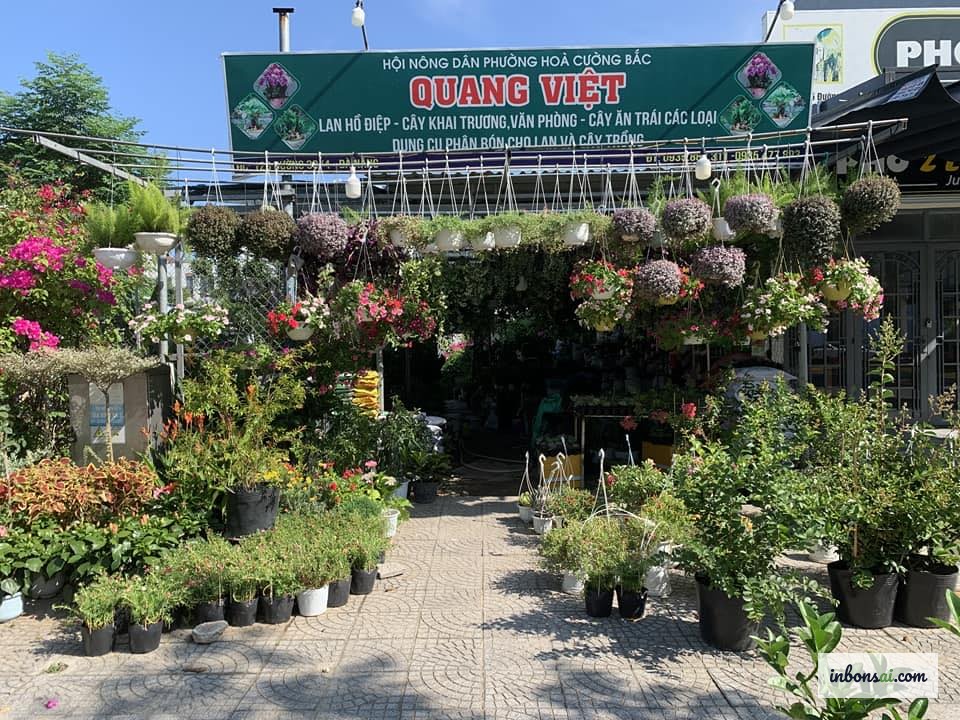
Finding quality mini bonsai under 500K isn't difficult if you know where to look. Here are the most common buying channels with their pros and cons:
Local plant markets: This is the most affordable and varied option. Markets like Ho Thi Ky (Ho Chi Minh City), Quang An (Hanoi), and Dam Market (Nha Trang) typically have many vendors selling mini bonsai from 100K–500K. Pros: see the tree in person, room to negotiate. Cons: requires some knowledge to select well, usually no after-sale support.
Specialist bonsai shops: Professional bonsai stores generally sell trees that have been cared for more systematically, sometimes with care instructions included. Prices tend to be 30–50% higher than markets, but quality is more consistent.
Shopee, Lazada, and TikTok Shop: Online shopping is convenient and easy to compare prices. Many bonsai shops on Shopee sell mini trees from 150K–500K with good reviews. Choose sellers with high order volumes and real photographs (not renders), and ask about packaging to ensure the tree arrives safely.
Facebook bonsai groups: Vietnamese bonsai communities (Bonsai Việt, Ho Chi Minh City Bonsai Club, Ornamental Plant Art...) often have members selling mini trees at good prices, especially when clearing space. These trees are often more mature and better shaped than freshly propagated nursery stock.
Nurseries: If you live near bonsai-growing regions like Binh Duong, Dong Nai, Cu Chi, or Me Linh, buying directly from a nursery often gives the best prices by cutting out the middleman.
How to Care for Your Mini Bonsai After Bringing It Home
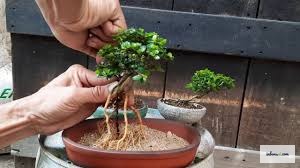
After bringing your tree home, the acclimatization period is the most critical phase. Many beginners accidentally kill their new tree in the first week by overwatering or placing it in the wrong spot.
The first week — let it adjust: Don't change the soil or fertilize immediately. Place the tree in natural light with good air circulation but away from direct sun for the first few days. Water moderately — only when the top layer of soil feels slightly dry. Some leaf drop in the first week is a normal stress response to the environmental change.
Light requirements: Most mini bonsai need 4–6 hours of light per day. If kept indoors, position near an east- or south-facing window. Never place directly under an air conditioner vent or next to a heater — dry air causes rapid wilting.
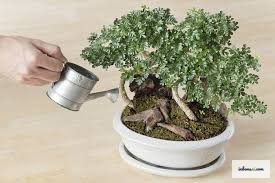
Watering: The golden rule is to water when the top 1 cm of soil is dry — not on a fixed schedule. Small pots dry out faster than large ones; in summer you may need to water daily. Water slowly until it drains from the bottom drainage holes, ensuring the entire root system is evenly moistened.
Fertilizing: After one month of acclimatization, begin applying diluted fertilizer every two weeks. A balanced NPK formula (e.g., 10-10-10) or slow-release organic pellets both work well. Fertilize more frequently during the growing season (spring–summer); reduce to once a month in autumn–winter.
For a more detailed step-by-step care guide, see our article on how to care for mini bonsai at home for beginners.
Important Reminders When Buying Affordable Mini Bonsai
Buying cheap trees sometimes comes with risks if you're not careful. Keep these points in mind to avoid getting poor-quality stock.
Don't be swayed by superficial appearance: Some vendors "dress up" trees by spraying colored gravel on the soil surface or adding fake decorations. An attractive exterior doesn't equal a healthy tree. Focus on the actual condition of the leaves, roots, and trunk.
Avoid buying a tree that just arrived in stock: Recently transported trees are often in a stressed state. If possible, wait a few days for the tree to stabilize before committing to a purchase, or ask the seller to hold it briefly.
Clarify the species: Some vendors don't clearly distinguish between ficus family members (si, sanh, ficus retusa, banyan...), leading to inaccurate care information. Knowing the exact species helps you research the correct care routine.
Don't buy too many at once: Beginners should start with 1–2 pots, master proper care before expanding their collection. Successfully nurturing one mini bonsai builds a stronger foundation than letting five or six die from lack of experience.
Learn about common beginner mistakes first: Most newcomers make some basic errors early on. Reading about common bonsai care mistakes beginners make before you start will help you avoid unnecessary problems.
With a budget under 500K VND, you can absolutely own a beautiful, healthy mini bonsai that suits your living space. What matters most isn't how much you spend at the start, but the patience and care you put into the tree. Begin small, learn gradually, and you'll soon understand why bonsai captivates millions of enthusiasts around the world.
Tags
#mini-bonsai#budget-friendly#beginners#buying-guide#easy-careGet bonsai guidance every week.
Fresh care guides, styling notes, and bonsai inspiration delivered to your inbox.