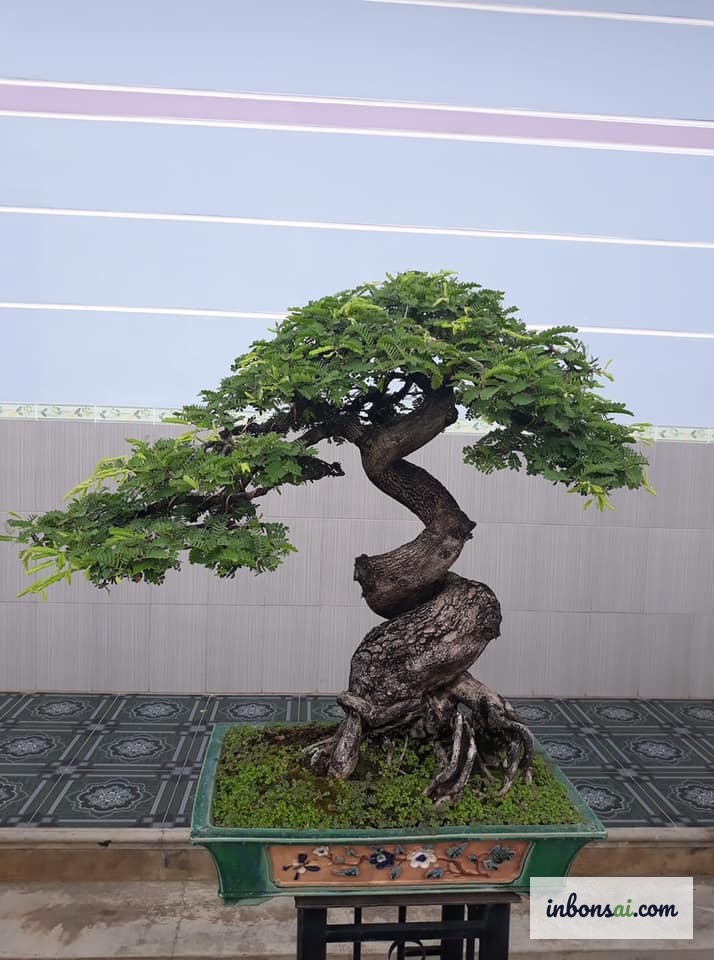
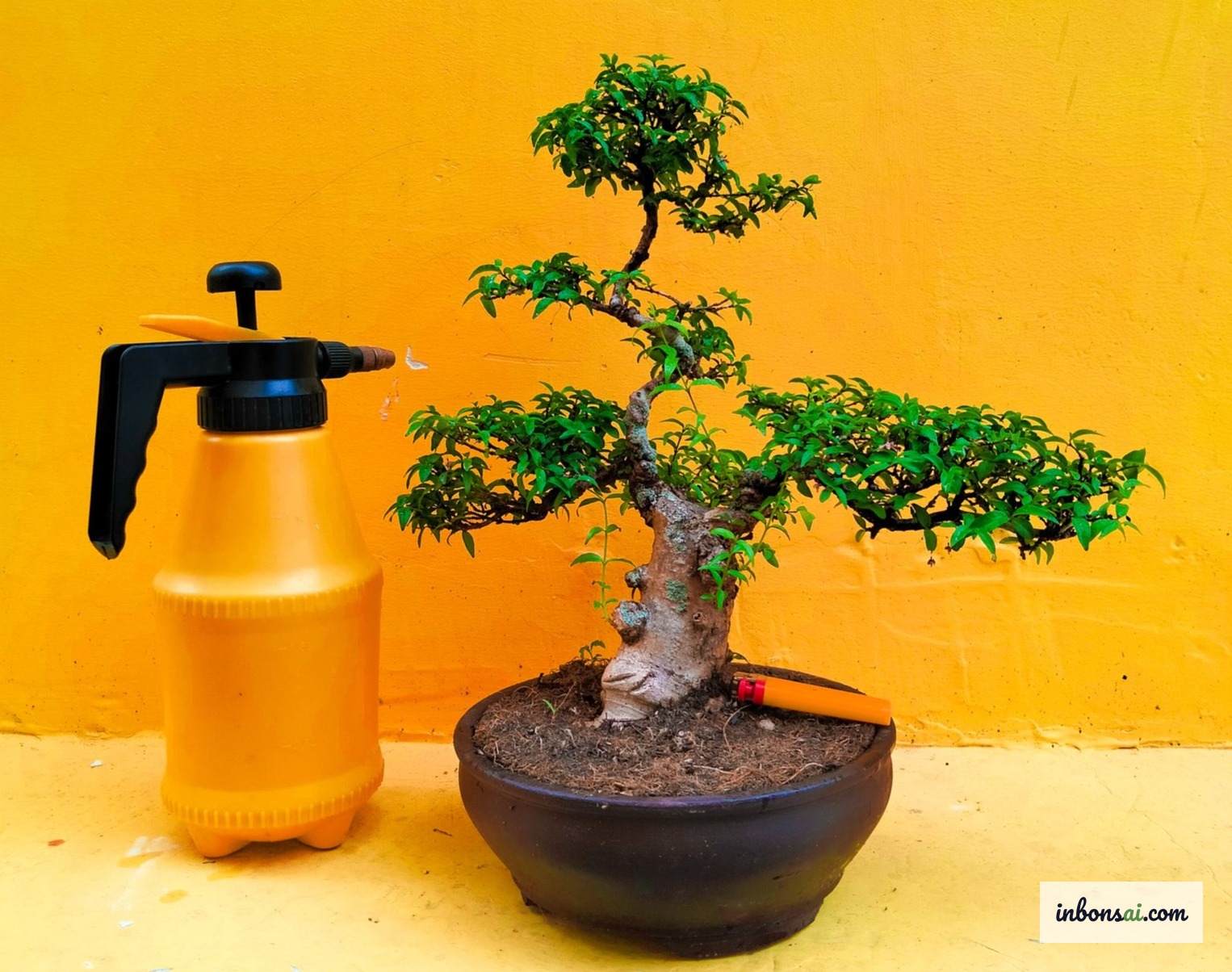
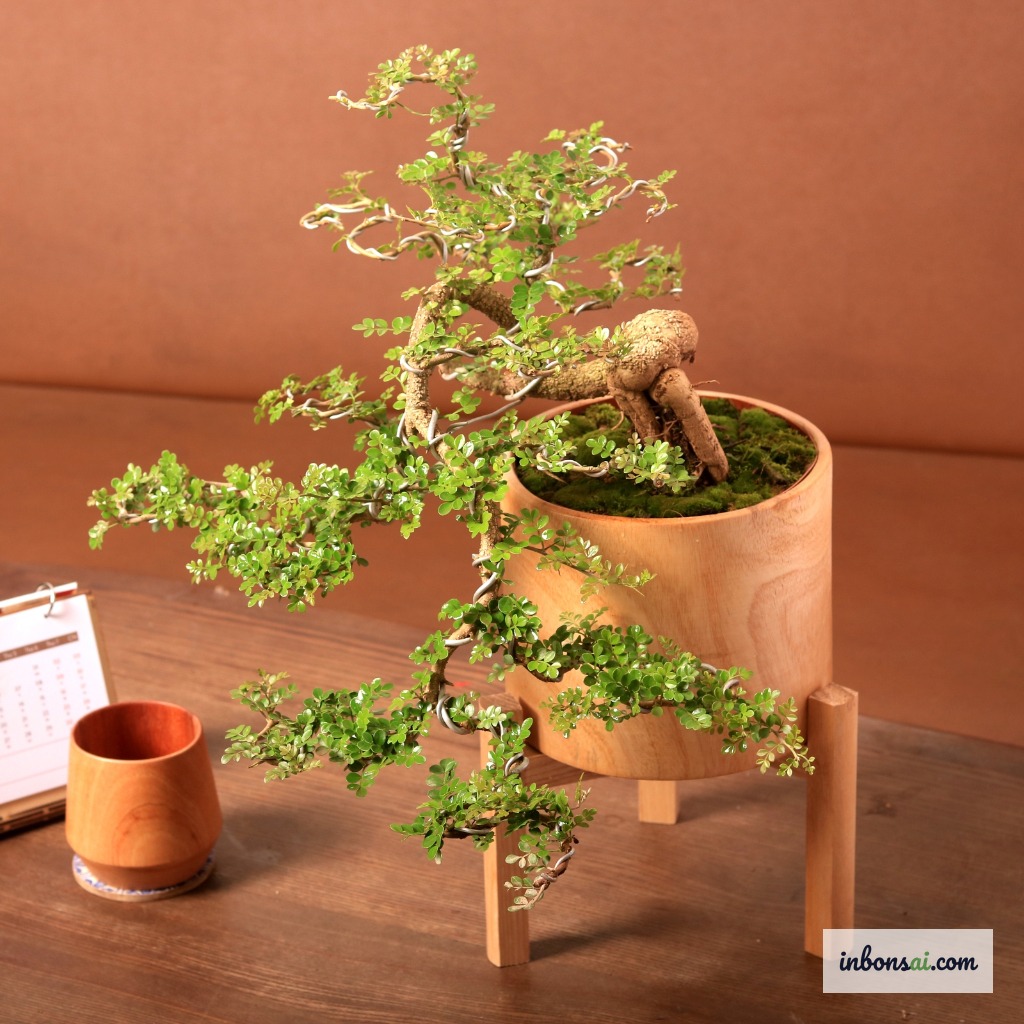
Ngau bonsai mini — the Vietnamese name for Aglaia duperreana bonsai — is rapidly gaining popularity among plant enthusiasts in Vietnam and beyond. Beyond its delicate beauty with clusters of tiny yellow flowers that emit a gentle, sweet fragrance, ngau bonsai carries deep feng shui significance related to romance and family happiness. Whether you're looking to add a feng shui plant to your home or explore a new bonsai species, this guide covers everything from spiritual meaning to hands-on care techniques.
Feng Shui Meaning of Ngau Bonsai
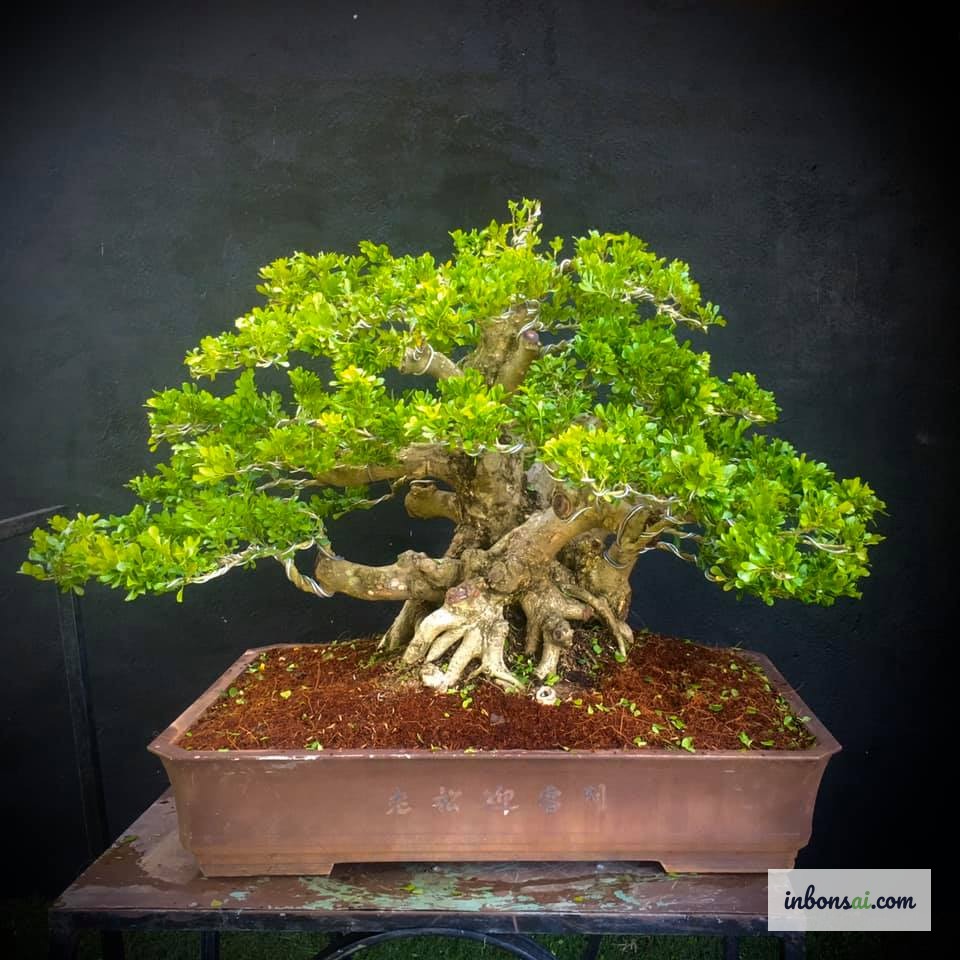
In traditional feng shui, the ngau tree (Aglaia duperreana) symbolizes romantic love, marital harmony, and lasting happiness between couples. The gentle fragrance of ngau flowers is believed to attract positive energy (chi), creating a warm, loving atmosphere in the home. For this reason, many families and couples choose ngau bonsai to display in the living room or bedroom.
Beyond romantic symbolism, ngau also represents purity, nobility, and wisdom. In Vietnamese folk culture, ngau blossoms frequently appear in poetry and music as symbols of elegance and refinement. It is also believed that ngau trees ward off negative energy and bring peace to the household.
In terms of the five elements, ngau belongs to the Wood element, making it especially compatible with people of Water or Fire destiny. Placing a ngau bonsai mini in the Southeast corner of your home — the Xun Palace position associated with romance and wealth — maximizes the positive energy the tree brings.
Identifying Ngau Bonsai: Key Characteristics
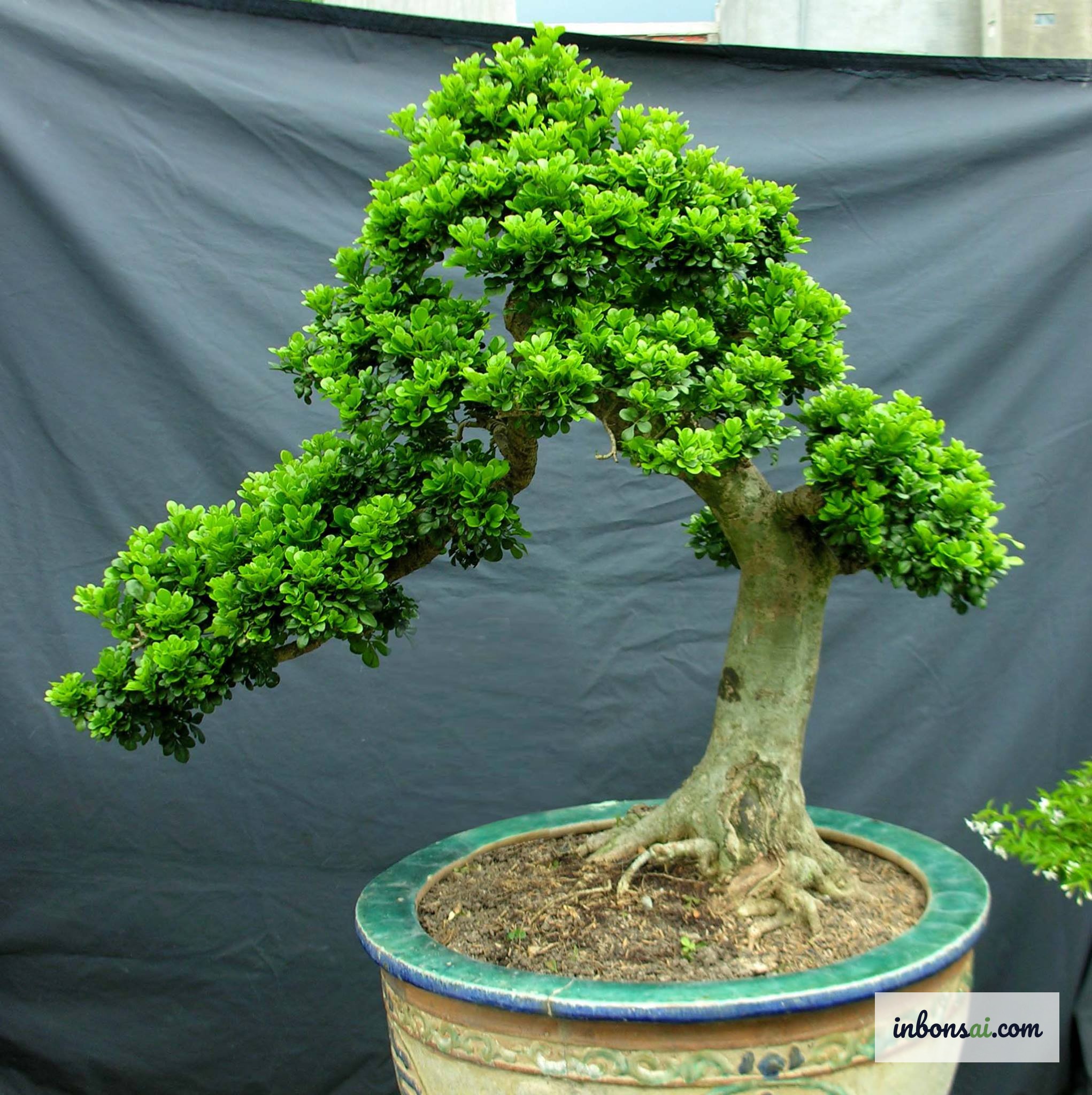
Ngau (Aglaia duperreana) belongs to the Mahogany family (Meliaceae) and is an evergreen tropical tree native to Southeast Asia. Here are the key features to identify authentic ngau bonsai:
Leaves: Deep green, glossy, alternate pinnate compound leaves with 5-9 oval or elliptic leaflets. Leaf surfaces are smooth with entire margins, each leaflet approximately 3-7 cm in length.
Flowers: The most distinctive feature — tiny yellow-orange flowers clustered in leaf axils. Ngau flowers throughout the year but most abundantly in summer, emitting a light, characteristic sweet fragrance. This same fragrance is traditionally used to scent Vietnamese tea.
Trunk and bark: Grayish-brown bark that becomes increasingly textured and rugged with age, creating an ancient, weathered appearance ideal for bonsai aesthetics. The tree branches naturally and prolifically, producing dense, attractive canopies when properly maintained.
Ngau's natural resilience in Vietnam's tropical climate makes it an excellent choice for beginners entering the world of bonsai cultivation.
How to Choose a Beautiful Ngau Bonsai Mini
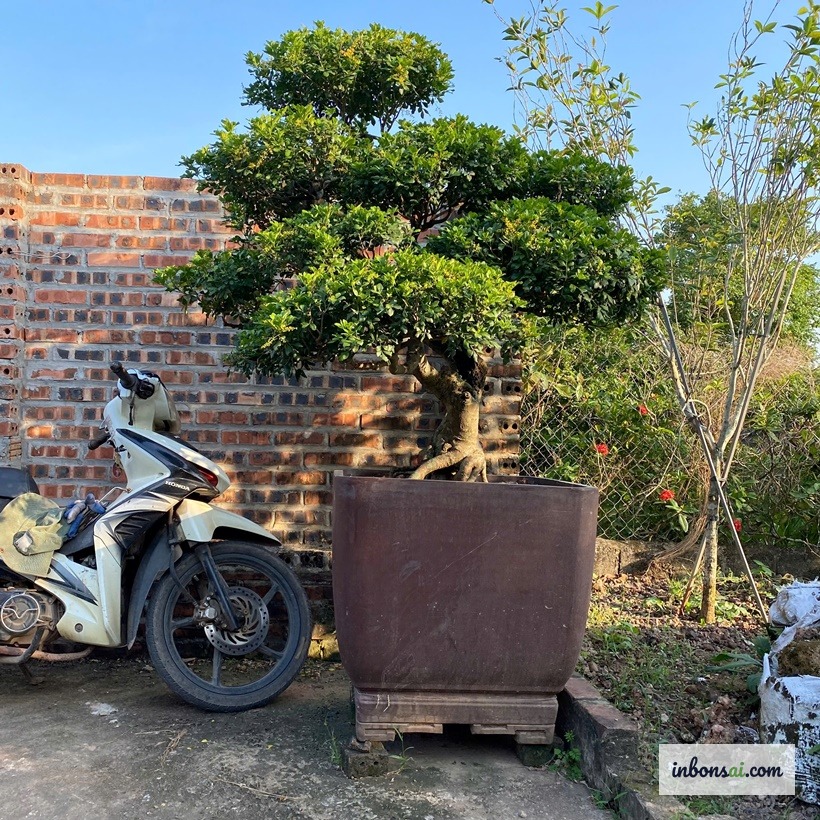
When purchasing a ngau bonsai mini, consider these important criteria to ensure you're getting a quality tree suited to your purpose.
Overall health check: Select trees with deep green, glossy leaves — no yellowing, brown spots, or wilting. Evenly sprouting new growth is a sign of vigorous development. Avoid trees with drooping leaves, excessive leaf drop, or visible pest and disease symptoms.
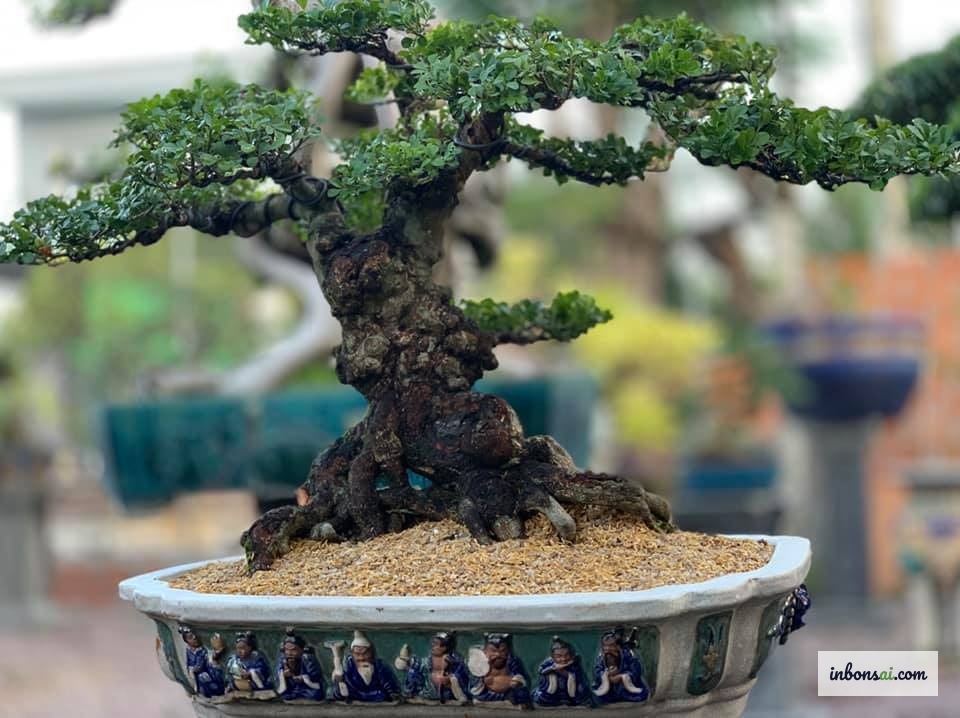
Root evaluation: Beautiful ngau bonsai often have partially exposed surface roots (nebari) that spread evenly. Well-developed nebari creates an aged, ancient appearance — an important aesthetic element in bonsai.
Trunk and branch assessment: The trunk should taper naturally from base to apex. Branches should be distributed evenly without crossing or obscuring each other excessively. Removal of dead or weak branches is a sign of good maintenance.
Purchase from reputable nurseries or experienced sellers who can advise on care history and each tree's unique characteristics. Ngau bonsai mini prices range from a few hundred thousand VND to several million, depending on size, age, and aesthetic quality.
Soil and Pot Selection for Ngau Bonsai
Choosing the right soil and pot is a critical foundation for long-term ngau bonsai health. Ngau requires well-aerated soil that drains well while retaining adequate moisture.
Ideal soil mix: Combine 40% loam or garden soil + 30% biochar (rice husk charcoal) + 30% perlite or pumice. This mixture ensures loose, well-draining soil that prevents root rot during the rainy season. Japanese akadama soil is also an excellent choice for more professional results.
Pot selection: Unglazed ceramic or traditional terracotta pots are best because of their breathability, allowing roots to access air. Pot size should correspond to approximately 2/3 of the tree height or 1/2 of canopy width. Rectangular or oval pots typically suit the upright or slanting styles common in ngau bonsai.
Repotting schedule: Repot every 1-2 years in spring when the tree enters its active growth phase. When repotting, trim approximately 1/3 of the root mass, remove old dead roots, and retain healthy white roots. For detailed repotting techniques, see our complete bonsai mini home care guide.
How to Care for Ngau Bonsai Mini at Home
Caring for ngau bonsai mini is straightforward once you understand the tree's basic needs. Here are the key care factors:
Light: Ngau needs full light, at least 4-6 hours of direct sunlight daily. Ideal placement is an East or South-facing balcony with gentle morning sun and shelter from harsh afternoon sun. Indoors, place near large windows with good natural light. Insufficient light results in smaller leaves, no flowering, and increased susceptibility to pests and disease.
Watering: Water when the top 2-3 cm of soil is dry. In hot summer months, water 1-2 times daily; in winter, 2-3 times per week. Water thoroughly until drainage flows from the bottom drainage holes. Avoid prolonged periods of bone-dry or waterlogged soil. Use rainwater or water that has been left overnight to reduce chlorine levels that harm roots.
Fertilizing: Apply balanced NPK fertilizer (15-15-15 or 20-20-20) every 2-3 weeks during the growing season (spring-summer). When the tree is budding, increase the phosphorus (P) ratio to promote even flowering. Reduce fertilizing to monthly intervals in winter. Never fertilize immediately after repotting or when the tree is diseased.
Temperature and humidity: Ngau prefers warm conditions, with an ideal temperature range of 20-32°C. Maintain air humidity at 60-80%. During dry seasons, misting the canopy each morning keeps the tree healthy and encourages more prolific flowering.
Shaping Techniques for Beautiful Ngau Bonsai
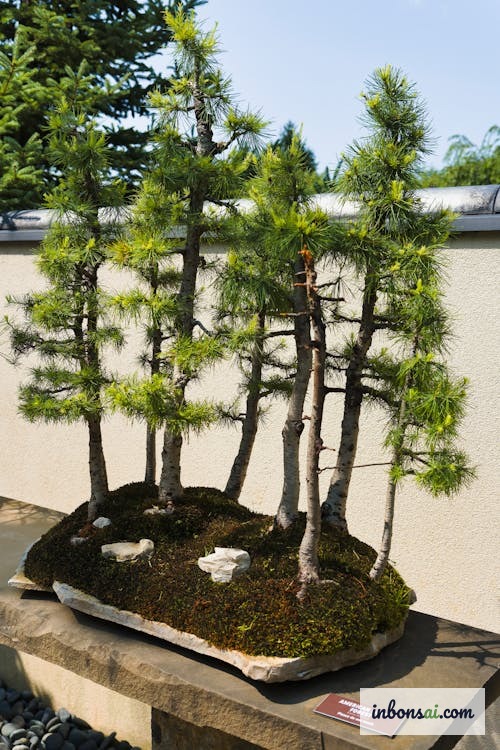
Ngau's naturally prolific branching makes it an excellent bonsai subject, though patience and understanding of its growth habits are required.
Suitable styles: Ngau is commonly trained in the formal upright style (Chokkan) — straight vertical trunk with a symmetrical conical canopy — or the informal slanting style (Shakan) with the trunk angled naturally to one side. The broom style (Hokidachi) — straight trunk with branches radiating outward like a fan — is also very popular and suits ngau's naturally even branching habit.
Regular pruning: Light pruning to maintain canopy shape should be performed 2-3 times per year in early spring and after each strong flush of growth. Remove water shoots (fast-growing vertical shoots), crossing branches, and branches that crowd the silhouette. Use sharp bonsai scissors for clean cuts that avoid crushing tissue. For the right tools, see our guide to choosing bonsai scissors.
Wire training: Use aluminum wire in gauges 1-3 mm to shape branches, ideally in spring when branches are most flexible. Wrap wire at 45° to the branch axis, avoiding overly tight wrapping that causes scarring. Check and remove wire after 2-3 months before it cuts into the bark.
Best time for shaping: Spring is the optimal time for major shaping and heavy pruning because the tree is in active growth and wounds heal quickly. Avoid major pruning during winter when the tree is dormant.
Common Pests and Diseases on Ngau Bonsai
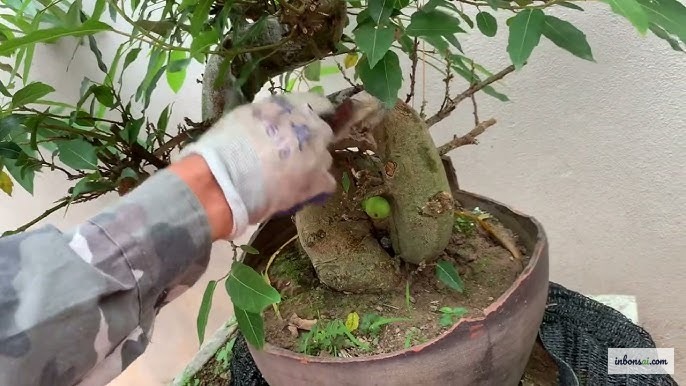
While ngau is quite hardy, it can still encounter several common pests and diseases if not properly maintained.
Mealybugs (Pseudococcidae): Appear as white cottony spots on the undersides of leaves and in branch crotches. Mealybugs suck plant sap, causing yellowing leaves and weakened branches. Treat by using a cotton swab dipped in 70% alcohol to dab each mealybug cluster, then spray the entire tree with diluted neem oil solution (5 ml per liter of water).
Spider mites (Tetranychus urticae): Thrive in hot, dry conditions. Symptoms include tiny yellow stippling on leaves and fine webbing on the undersides. Prevent with regular water misting of the foliage and maintaining adequate air humidity. For severe infestations, apply Abamectin miticide according to label directions.
Root rot from overwatering: Symptoms include sudden leaf yellowing and branch wilting despite moist soil. Caused by excessive watering or poor-draining soil. Treatment: remove the tree from its pot, cut away black rotten roots, allow to dry 1-2 days, then replant in fresh soil with improved drainage. For more on disease prevention in feng shui bonsai species, see our luu bonsai feng shui guide.
General disease prevention: Spray preventive fungicide (Ridomil Gold or Mancozeb) every 4-6 weeks during the rainy season. Maintain cleanliness around the pot and remove fallen leaves to prevent disease spore buildup. Shield the tree from prolonged heavy rain exposure.
Ngau bonsai mini is an outstanding choice for those who appreciate feng shui bonsai — combining aesthetic beauty with deep spiritual significance. With the proper care techniques outlined in this guide, your ngau bonsai will remain lush and green, blooming with fragrant flowers, and bringing good fortune to your home. Start your ngau bonsai journey today and experience the refined elegance this extraordinary tree has to offer.
Tags
#ngau-bonsai#feng-shui-love#bonsai-mini#species-guides#plant-careGet bonsai guidance every week.
Fresh care guides, styling notes, and bonsai inspiration delivered to your inbox.