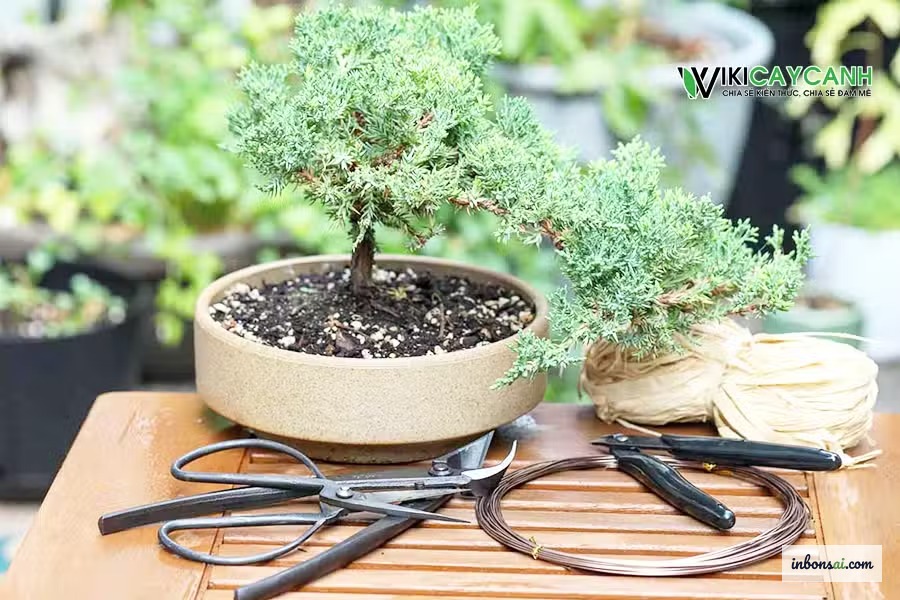
了解盆景什么时候需要换盆,如何观察根系、土壤和排水信号,并掌握换盆后的安全养护方法。 This guide keeps the decision practical: observe the tree, confirm several signs, then repot only with a clear reason.
When a bonsai needs repotting
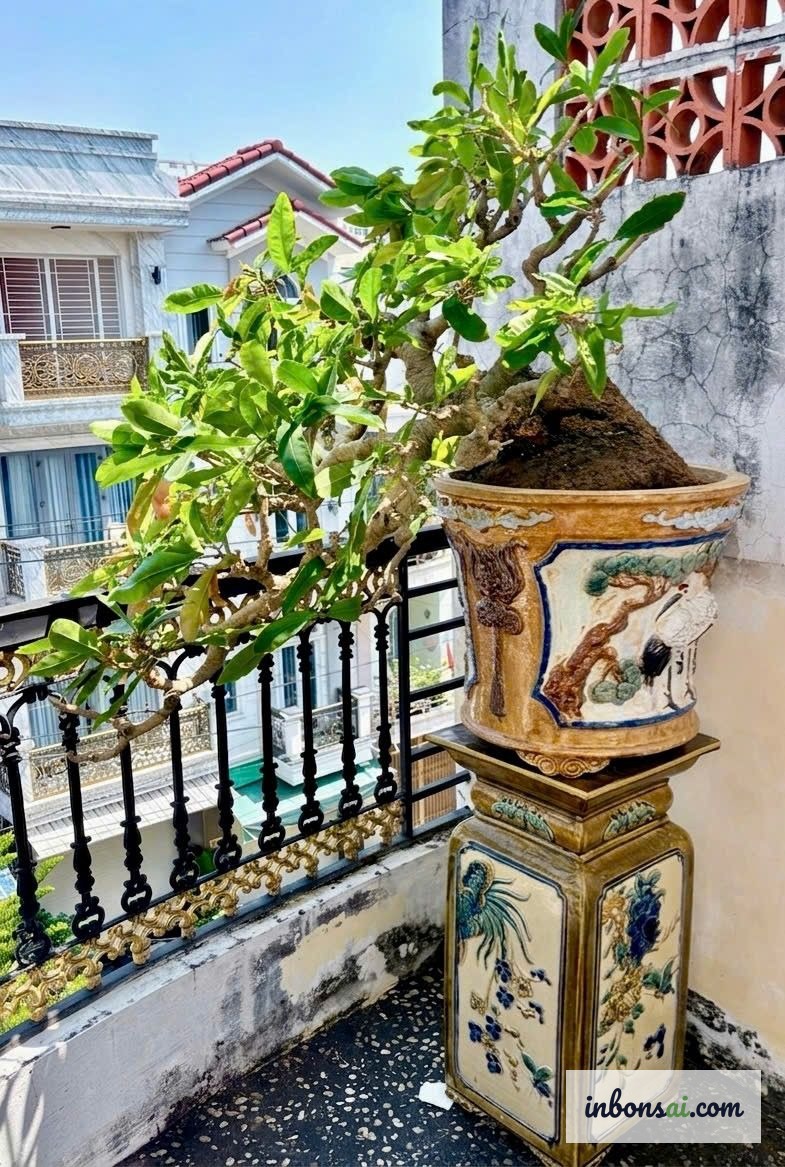
Look for root pressure, compacted soil, slow growth and poor drainage before changing the pot. Time alone is only a rough guide. Check the drainage holes, surface soil and recent growth together rather than trusting one symptom. A healthy bonsai can wait; a compacted root ball, sour soil or stalled growth usually deserves action at the next safe season. After repotting, protect the tree from heat and wind, water evenly, and delay strong fertilizer until new shoots confirm recovery.
Root warning signs
Roots circling the pot, filling drainage holes or forming a dense block show that fine feeder roots need new room and oxygen. Check the drainage holes, surface soil and recent growth together rather than trusting one symptom. A healthy bonsai can wait; a compacted root ball, sour soil or stalled growth usually deserves action at the next safe season. After repotting, protect the tree from heat and wind, water evenly, and delay strong fertilizer until new shoots confirm recovery.
Soil and watering clues
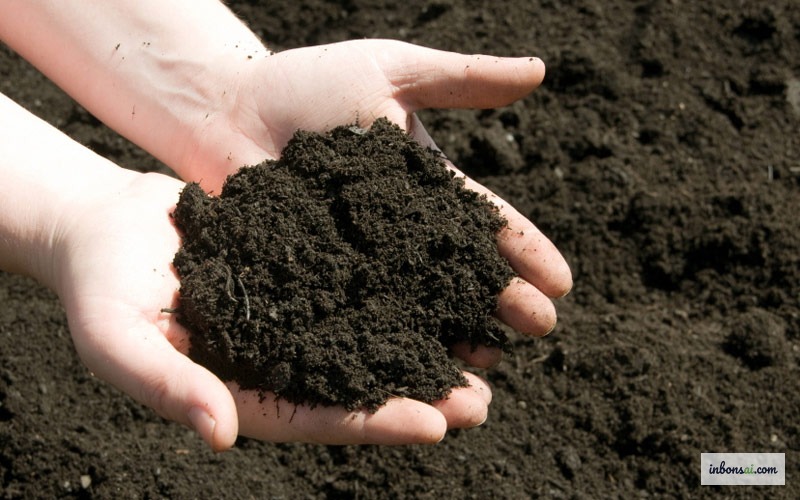
Old substrate breaks down, sheds water unevenly or stays wet too long. These signs often explain weak shoots better than fertilizer problems. Check the drainage holes, surface soil and recent growth together rather than trusting one symptom. A healthy bonsai can wait; a compacted root ball, sour soil or stalled growth usually deserves action at the next safe season. After repotting, protect the tree from heat and wind, water evenly, and delay strong fertilizer until new shoots confirm recovery.
Best timing
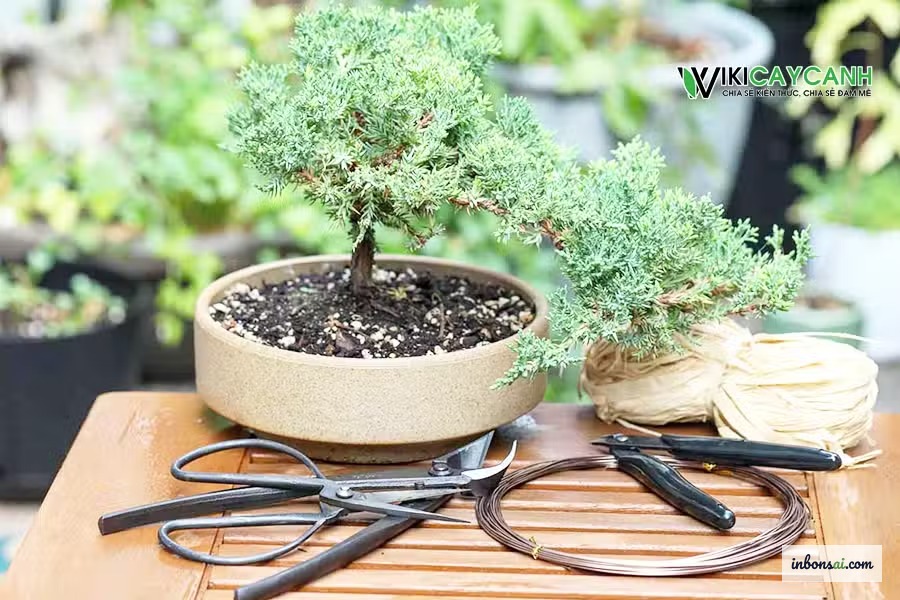
Repot just before strong seasonal growth when the tree has energy to recover. Avoid heavy root work during heat, flowering, fruiting or illness. Check the drainage holes, surface soil and recent growth together rather than trusting one symptom. A healthy bonsai can wait; a compacted root ball, sour soil or stalled growth usually deserves action at the next safe season. After repotting, protect the tree from heat and wind, water evenly, and delay strong fertilizer until new shoots confirm recovery.
Choosing the next pot
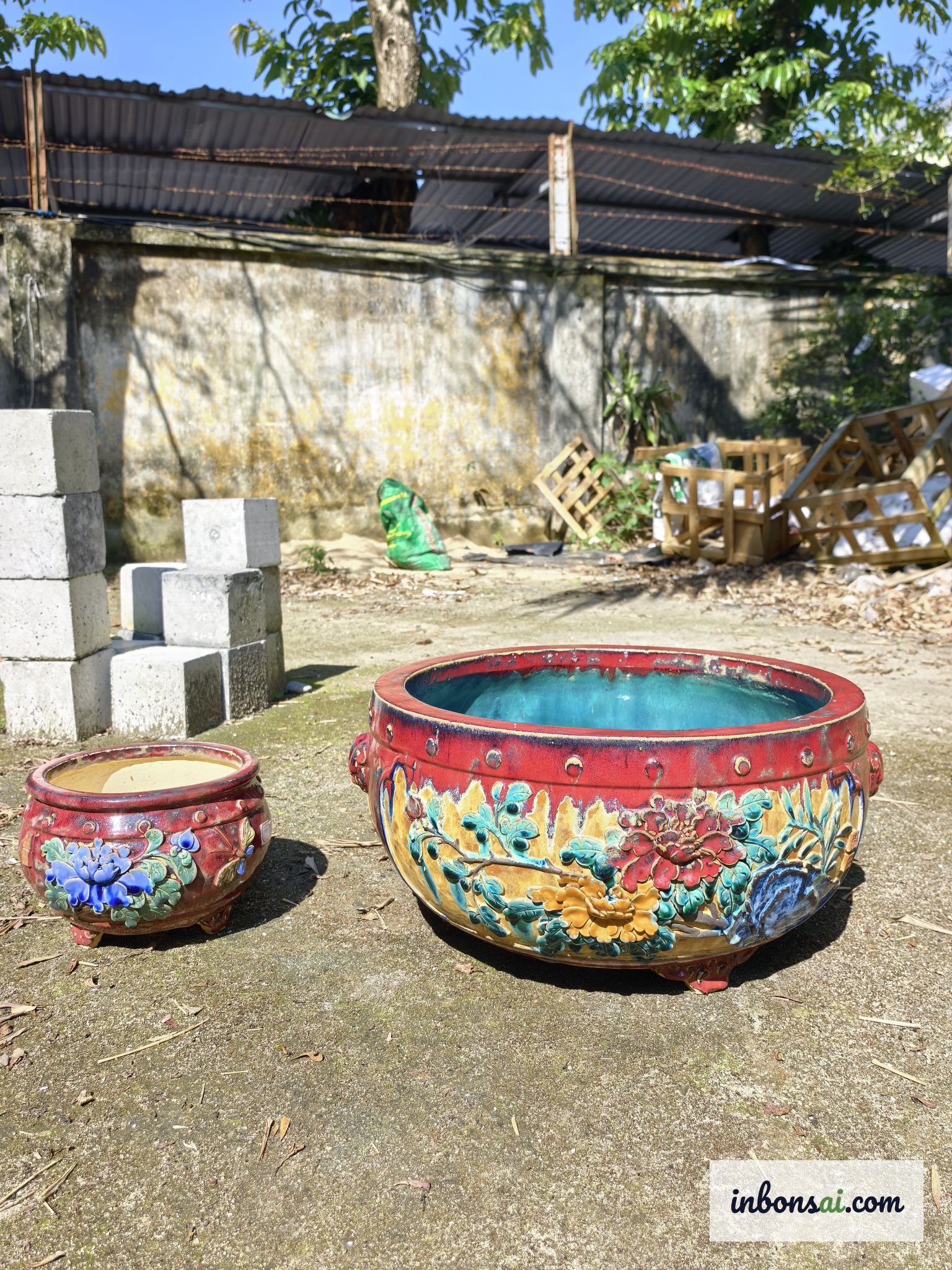
Use a pot that improves drainage and stability without oversizing the composition. A slightly larger, well-drained pot is usually enough. Check the drainage holes, surface soil and recent growth together rather than trusting one symptom. A healthy bonsai can wait; a compacted root ball, sour soil or stalled growth usually deserves action at the next safe season. After repotting, protect the tree from heat and wind, water evenly, and delay strong fertilizer until new shoots confirm recovery.
Aftercare
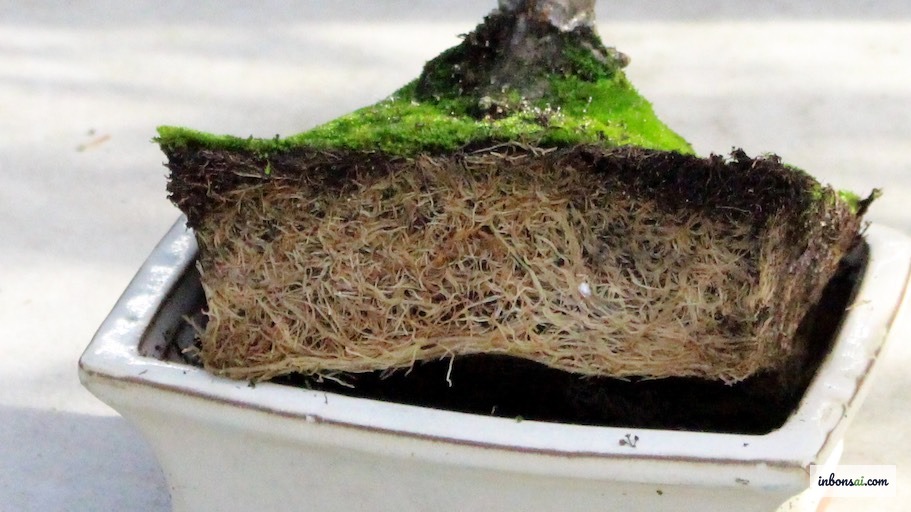
Keep the tree in bright shade, protect it from wind, water carefully and wait for stable new growth before feeding strongly again. Check the drainage holes, surface soil and recent growth together rather than trusting one symptom. A healthy bonsai can wait; a compacted root ball, sour soil or stalled growth usually deserves action at the next safe season. After repotting, protect the tree from heat and wind, water evenly, and delay strong fertilizer until new shoots confirm recovery.
标签
#盆景换盆#盆景根系#盆景土壤#盆景养护每周获取盆景指南。
将最新养护指南、造型建议和盆景灵感发送到你的邮箱。