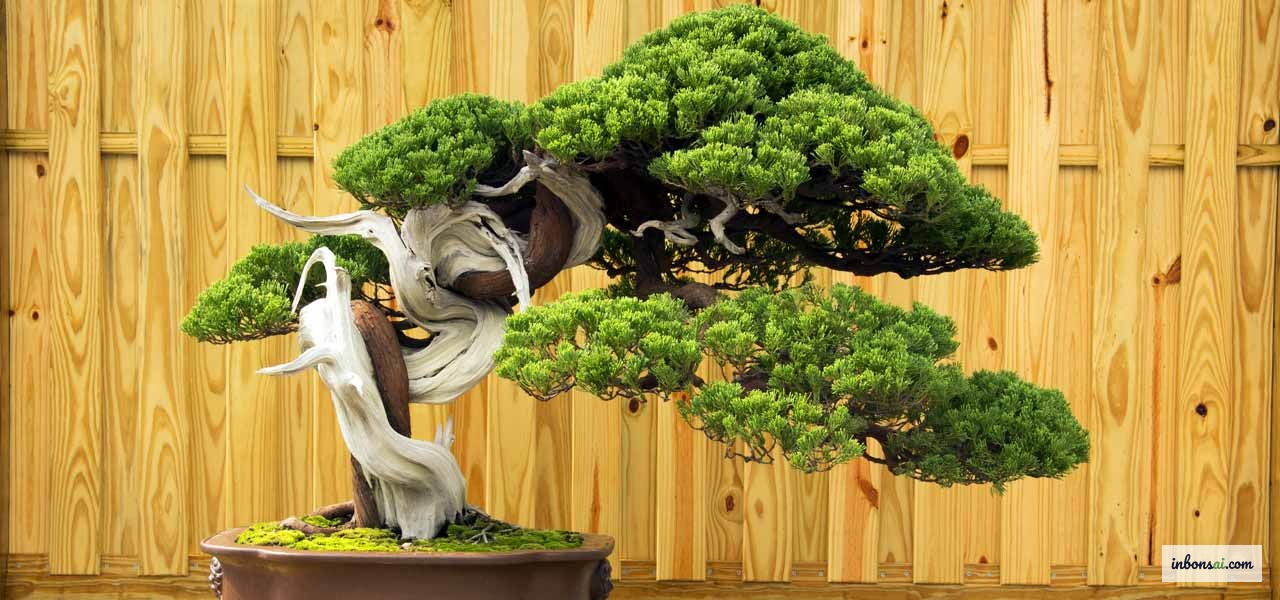
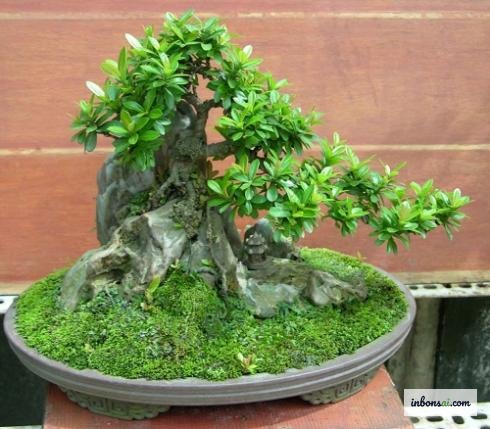
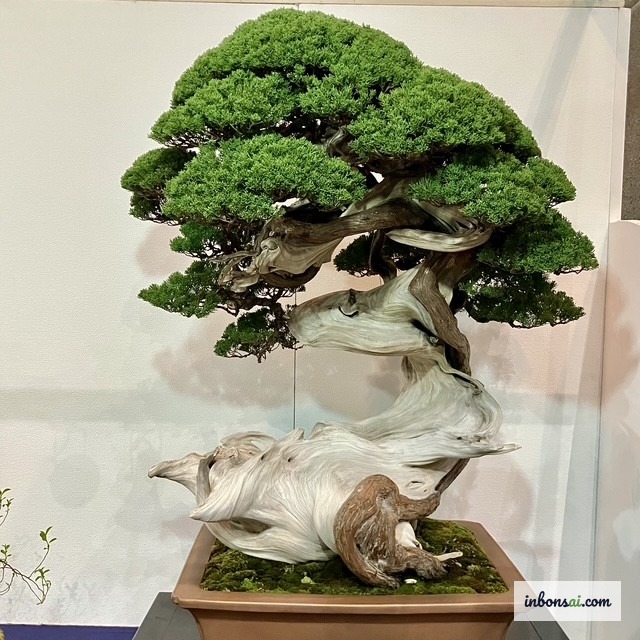
Bonsai aging techniques allow artists to create the appearance of ancient trees on young specimens — a process that nature takes decades to achieve. For serious bonsai enthusiasts, a tree with textured bark, natural deadwood, and twisted trunk tells a story that young, smooth-barked trees simply cannot. This guide covers the most effective bonsai aging methods, from bark texturing to artistic deadwood creation.
What Are Bonsai Aging Techniques and Why Do They Matter
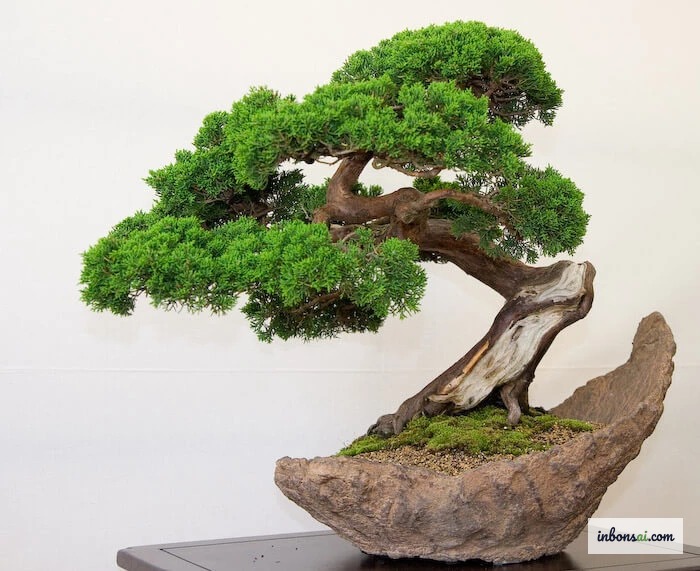
Bonsai aging (also known as "artificial antiquing") is a set of techniques designed to give a relatively young bonsai the characteristics of an old, weathered tree. In nature, bark thickens, cracks, and roughens over time due to rain, sun, insects, and continuous growth cycles. Artificial aging compresses this process into months or a few years.
A well-aged bonsai typically commands significantly higher aesthetic value than a young tree of the same size. These techniques also help conceal structural flaws in the trunk and give each piece a unique narrative. Any bonsai species — from pine and juniper to plum, ficus, and banyan — can benefit from aging techniques, though the specific methods and intensity vary by species.
It is important to distinguish bonsai aging from pure jin/shari techniques. While jin creates dead branch stubs and shari creates trunk wounds, comprehensive aging encompasses both, along with sharimaki, needle-punching, and natural scar formation. See also jin and shari bonsai techniques for the foundational knowledge before attempting full aging work.
Sharimaki — Creating the Natural Twist Pattern
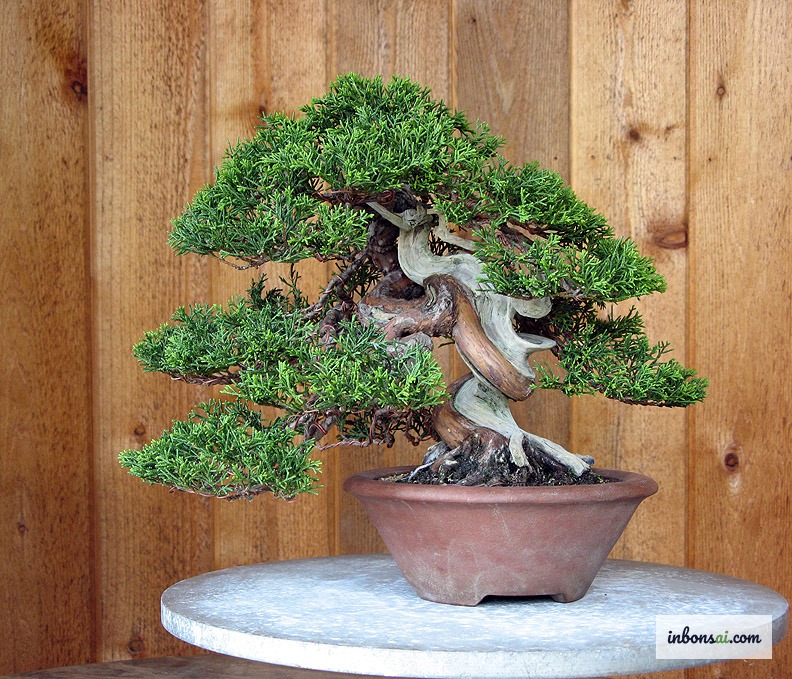
Sharimaki is a Japanese technique that mimics the twisted trunk pattern seen on ancient pines growing on exposed mountain ridges, where strong winds cause the trunk to spiral over centuries. This technique creates spiraling strips of dead bark alternating with living bark, preserving the tree's vascular system.
Basic sharimaki process:
- Identify the tree's natural twist direction (look from base to apex).
- Use a grafting knife or bonsai carving blade to lightly score a spiral line following that direction, cutting 2–3mm into the outer bark.
- Use a brass or stiff wire brush to roughen the scored area, simulating natural weathering.
- Apply lime sulfur paste to the exposed wood to bleach and protect against fungal infection.
Critical rule: never remove more than 30–40% of the trunk's circumference at any single point — the remaining live bark must be sufficient to transport sap to the canopy. Sharimaki works best on conifers like pine and juniper, which have thick, hard bark.
Needle Punching and Bark Scraping for Texture
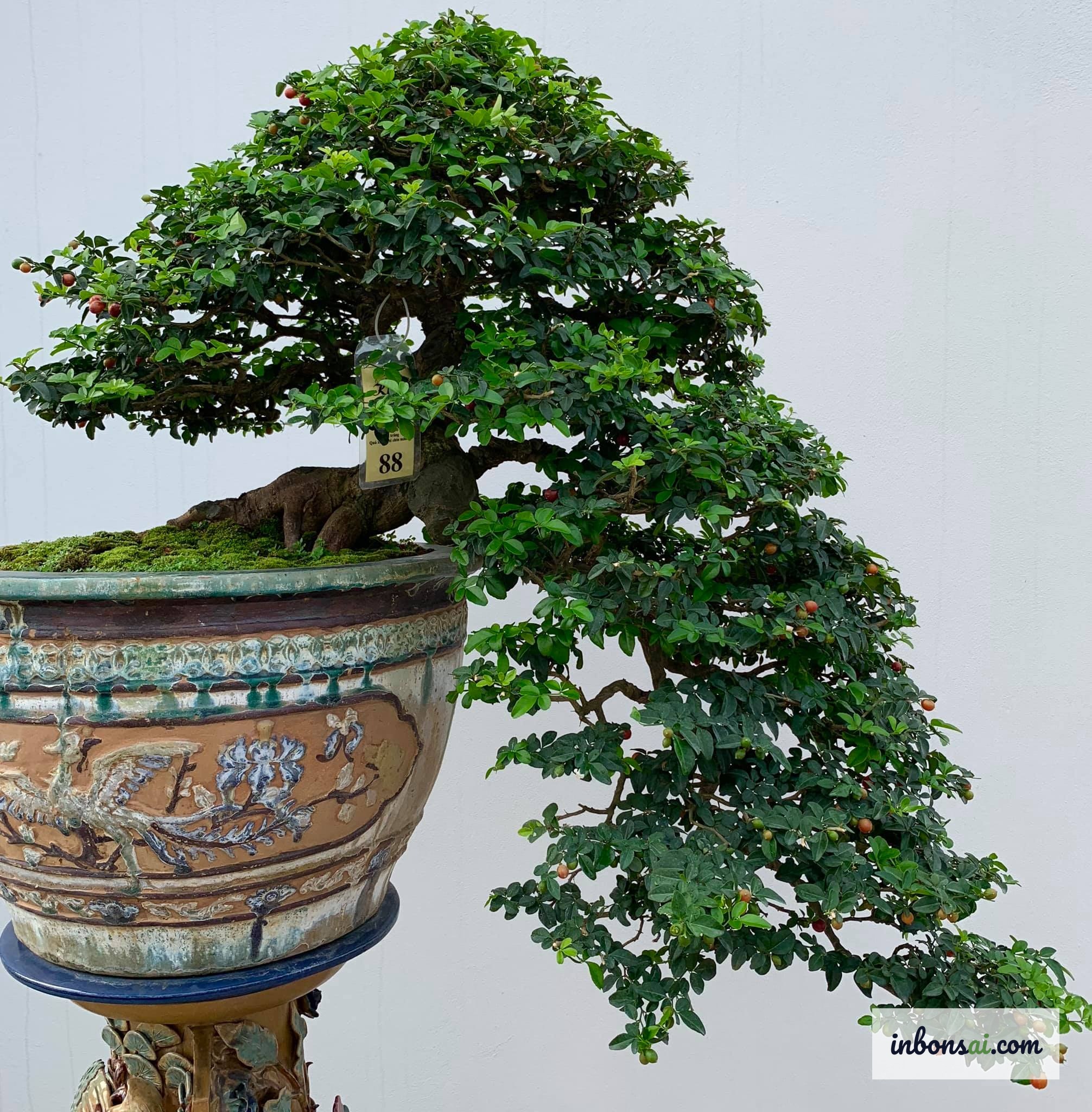
The simplest approach to creating aged bark is using mechanical tools to disrupt the bark surface, stimulating scar tissue formation and increasing surface roughness. This method carries less risk than sharimaki since it does not cut deeply into the tree's living tissue.
Needle punching: Using a sharp awl or thick sewing needle, punch lightly across the bark surface in a vertical pattern. Aim for 20–30 punctures per square centimeter. These micro-wounds stimulate the tree to produce additional suberin (cork tissue), gradually thickening and roughening the bark. After 3–6 months, the treated areas will be noticeably more textured.
Wire brush scraping: Using a brass or iron wire brush, scrub lightly in the direction of the trunk grain. This technique works well on thick-barked species like ficus, banyan, and pomegranate. Scrub firmly enough to create surface scratches without damaging the inner bark. Applying a thin coat of diluted clay mud to the roughened bark enhances the weathered appearance.
Smoke and heat treatment: Some experienced artists briefly pass a propane torch over the bark surface to darken it and create a sun-scorched appearance. This requires considerable experience — excessive heat will kill the bark and introduce disease entry points.
Creating Jin and Shari in the Aging Style
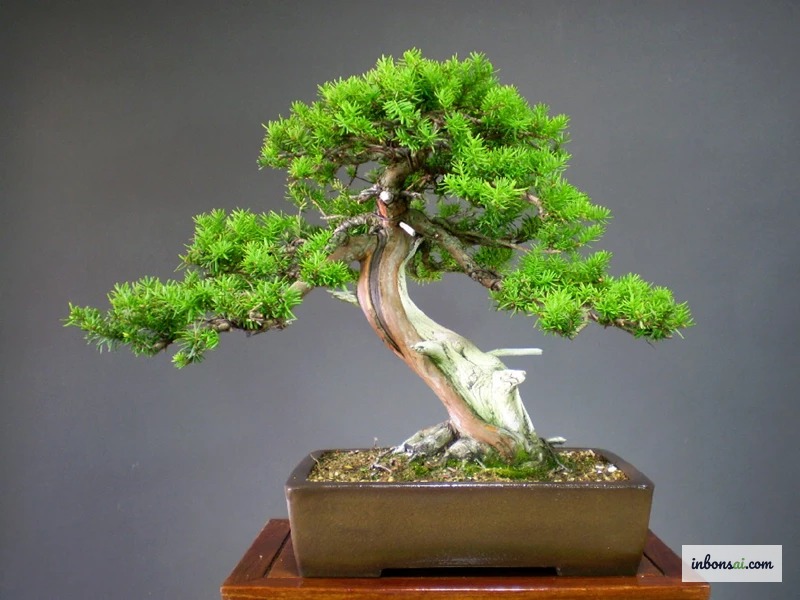
Jin and shari are two core elements of comprehensive bonsai aging. Jin refers to a dead branch stub that has been shaped for aesthetic effect. Shari is a section of trunk stripped of bark, simulating damage from lightning strikes or large branch failures. When combined skillfully, they create the narrative of a tree that has survived centuries of hardship.
Creating jin: Select a weak branch or one that is not needed for the composition. Cut the branch tip with bonsai scissors, leaving a stub 3–10cm long. Use jin pliers or needle-nose pliers to grip and peel the bark from the remaining wood stub, exposing the white heartwood. Use a knife or chisel to carve natural-looking wood grain lines. Apply lime sulfur paste to preserve and achieve the characteristic white bleached finish.
Creating shari: Outline the shari boundary in pencil before cutting. Use a sharp knife to peel the bark strip following the planned shape. Maximum shari width should not exceed one-third of the trunk's circumference. Carve the exposed wood surface to create authentic roughness, then apply lime sulfur to complete the effect.
See also how to display bonsai indoors with proper feng shui to learn how to present aged bonsai artworks for maximum visual impact.
Natural Scar Techniques and Root Base Sculpting
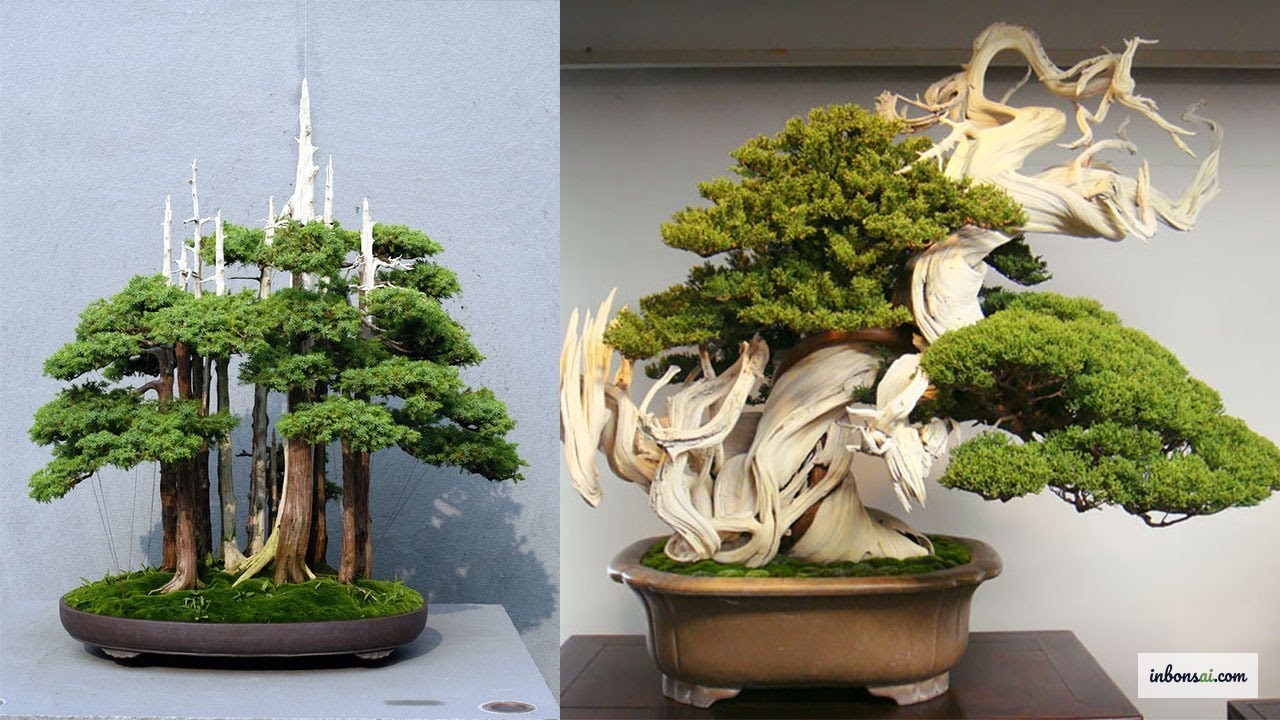
The root base and nebari (surface roots) are the most powerful indicators of age in bonsai. A wide, stable base with evenly spreading roots covered in wrinkles and scars conveys the impression of a truly ancient tree.
Root base scarring: Using a small chisel or carving knife, create natural-looking depressions at the base and root junctions. Simulate insect bite marks, rock impact scars, or healed old wounds. The scars should be irregular, asymmetric, and have soft edges — avoid perfectly straight cuts that appear obviously artificial.
Root base sculpting: During winter dormancy or low-growth periods, use chisels and a small mallet to shape the base. Create deep vertical grain lines running from root to trunk to simulate ancient wood. After sculpting, use a brass brush to soften sharp edges for a more natural appearance.
Chemical weathering support: A diluted solution of 2% salt water combined with weak citric acid can be applied to sculpted wood surfaces to accelerate the weathering process. Apply 2–3 times per week for 4–6 weeks, then stop and allow the tree to recover.
Post-Aging Care for Bonsai Health
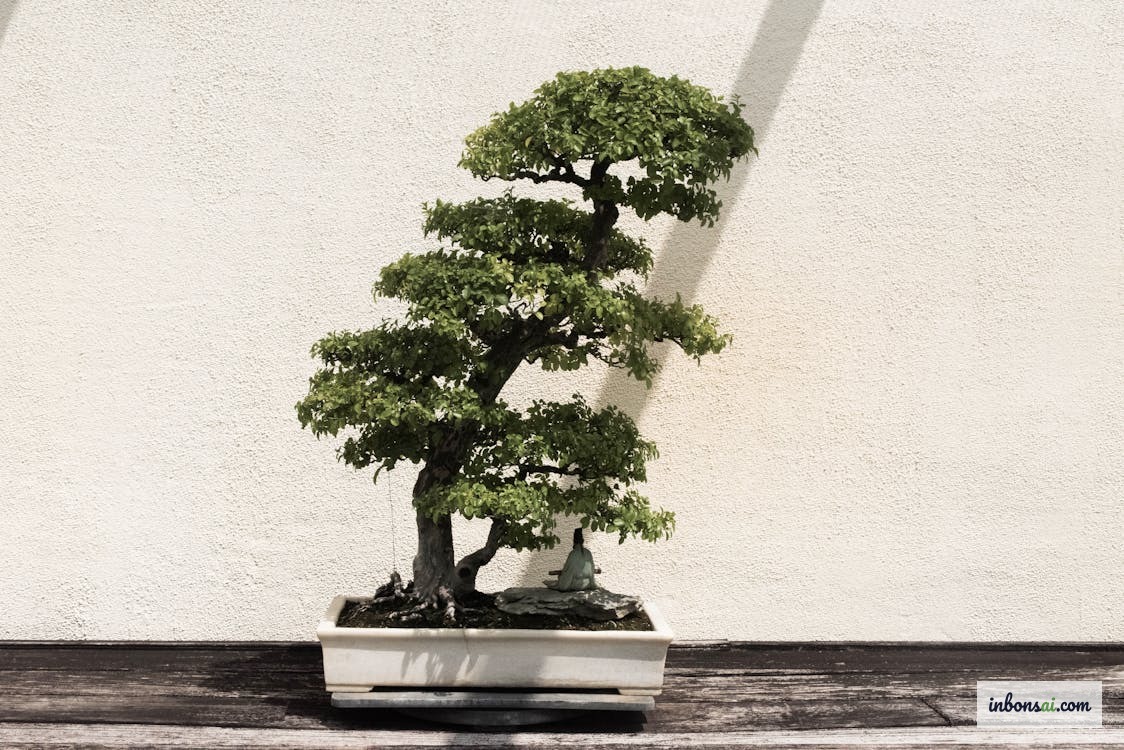
After performing any aging technique, bonsai require special care to recover and continue developing. Any intervention involving bark or trunk always creates open wounds that invite fungal diseases and insects.
Immediate post-procedure care: Place the tree in diffuse light, avoiding direct sun for the first 2–3 weeks. Water consistently but avoid waterlogged soil, as high moisture combined with open wounds easily causes bark rot. Apply preventive fungicide to the entire tree, especially the intervention areas.
Nutritional support: After 3–4 weeks when the tree begins pushing new growth, start fertilizing with a balanced NPK formula (e.g., 10-10-10) at 30–50% of the normal dose. Gradually increase to full dosage over 2–3 months. Avoid nitrogen-heavy fertilizers immediately after the technique, as rapid growth can loosen healing tissue.
Monitoring and troubleshooting: Inspect the intervention areas weekly for the first 2 months. If you notice signs of black rot or foul odor, remove the affected tissue immediately and apply wound paste to seal the area. If the tree shows severe stress (heavy leaf drop, wilting apex), pause all interventions and focus on basic care until recovery.
Common Mistakes in Bonsai Aging Techniques
Many beginners make fundamental errors that seriously damage or kill their trees. Here are the most common mistakes and how to avoid them:
Doing too much, too fast: This is the number one mistake. Aging techniques should be applied gradually over many years, not all at once. Only apply one technique per season and wait for full recovery before proceeding.
Wrong timing: Invasive aging techniques (sharimaki, large jin/shari creation) should be performed in late autumn or early spring when the tree is least active. Avoid working during hot summer months or when the tree is flowering or fruiting.
Overusing lime sulfur paste: Lime sulfur is effective but toxic to living tissue. Apply it only to cleaned, bark-free dead wood. If it contacts living bark or leaves, wash immediately with clean water.
Poor proportions: The size and placement of jin and shari must balance with the overall composition. An oversized shari or excessive jin will make the tree look tortured rather than naturally aged.
By avoiding these mistakes and applying each technique patiently, you will gradually create bonsai artworks that radiate genuine ancient beauty — without waiting decades for nature to do the work.
Tags
#bonsai aging#old bark#deadwood#sharimaki#jin shari#advanced bonsai techniquesGet bonsai guidance every week.
Fresh care guides, styling notes, and bonsai inspiration delivered to your inbox.