
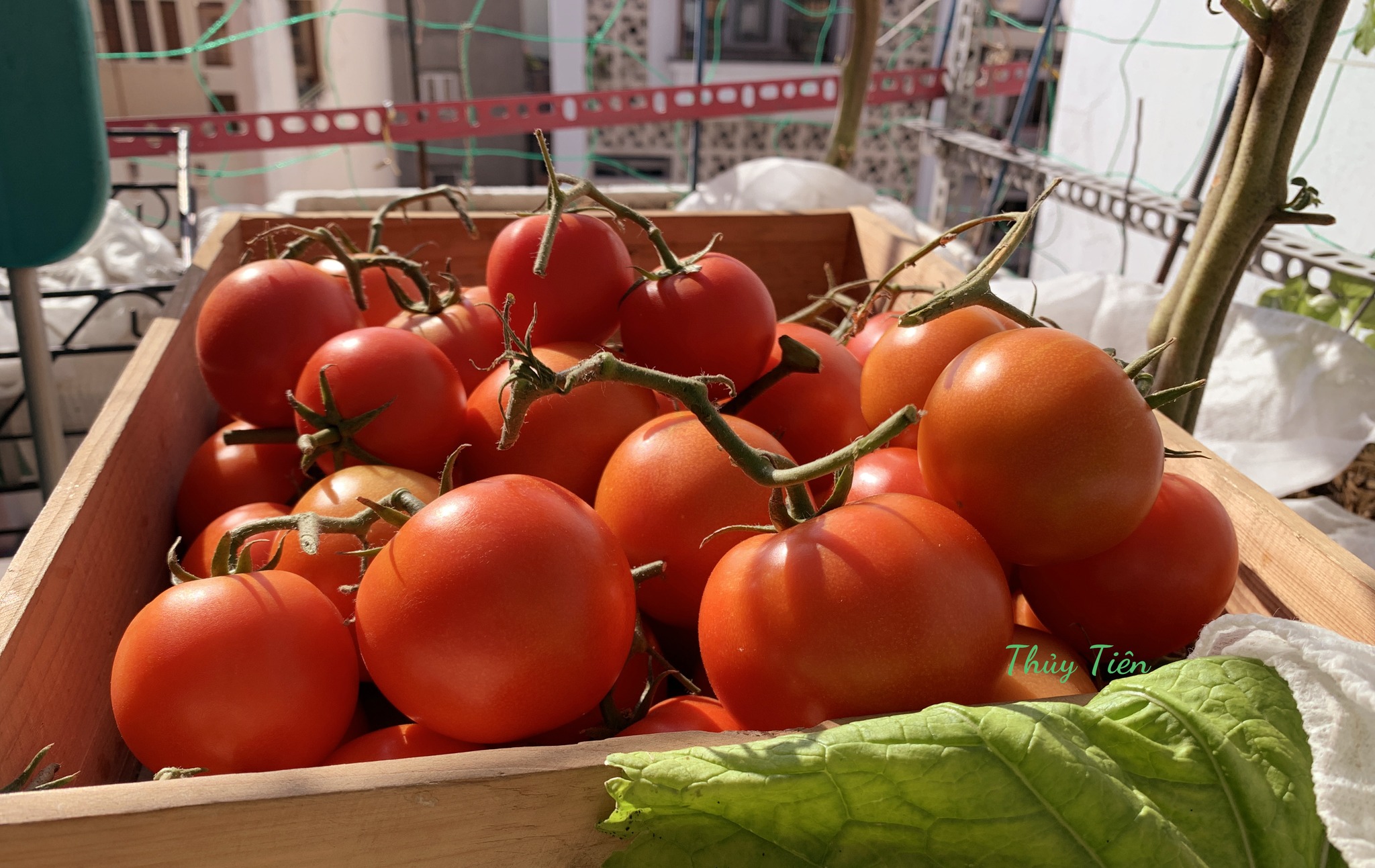
How to Grow Clean Vegetables on the Rooftop

InBonsai Team
January 9, 2026 · 3 min read
SHARING HOW TO GROW GREEN AND CLEAN VEGETABLES ON THE ROOFTOP
A small garden on the balcony, terrace, or rooftop. It is a place that provides green and clean food for the family, a place where you can relax after stressful working hours. And growing vegetables is also a way for you to slow down, try growing some vegetables.
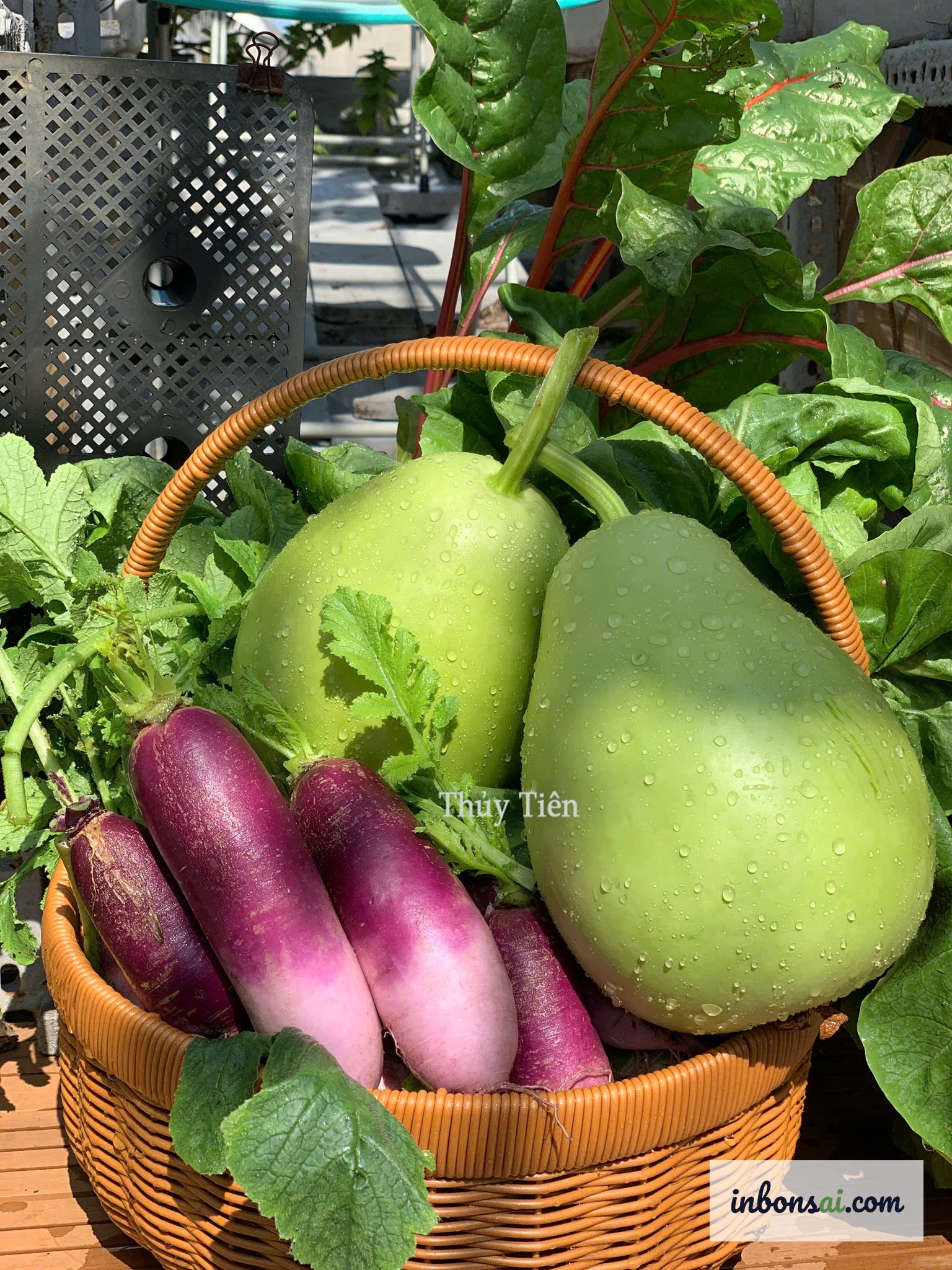
PREPARING THE SITE
Clean the space thoroughly.
- Planters: you can reuse Styrofoam boxes, plastic pots, or vegetable planting bags.
- Make a trellis for plants: if planting climbing varieties, design a separate space for them to avoid spreading everywhere.
- Soil for growing vegetables: buy processed soil that does not have fertilizer in it.
- If reusing old soil, treat pathogens first.
- Fertilizer: vermicompost, cow manure, chicken manure, bat manure…
- Mix in rice husk ash, coconut fiber to create porosity.
- The ratio is 40% soil, 30% fertilizer, 30% porous material.
- Tools: gloves, soil rake, watering system…
PLANTING, WHICH VEGETABLES TO GROW
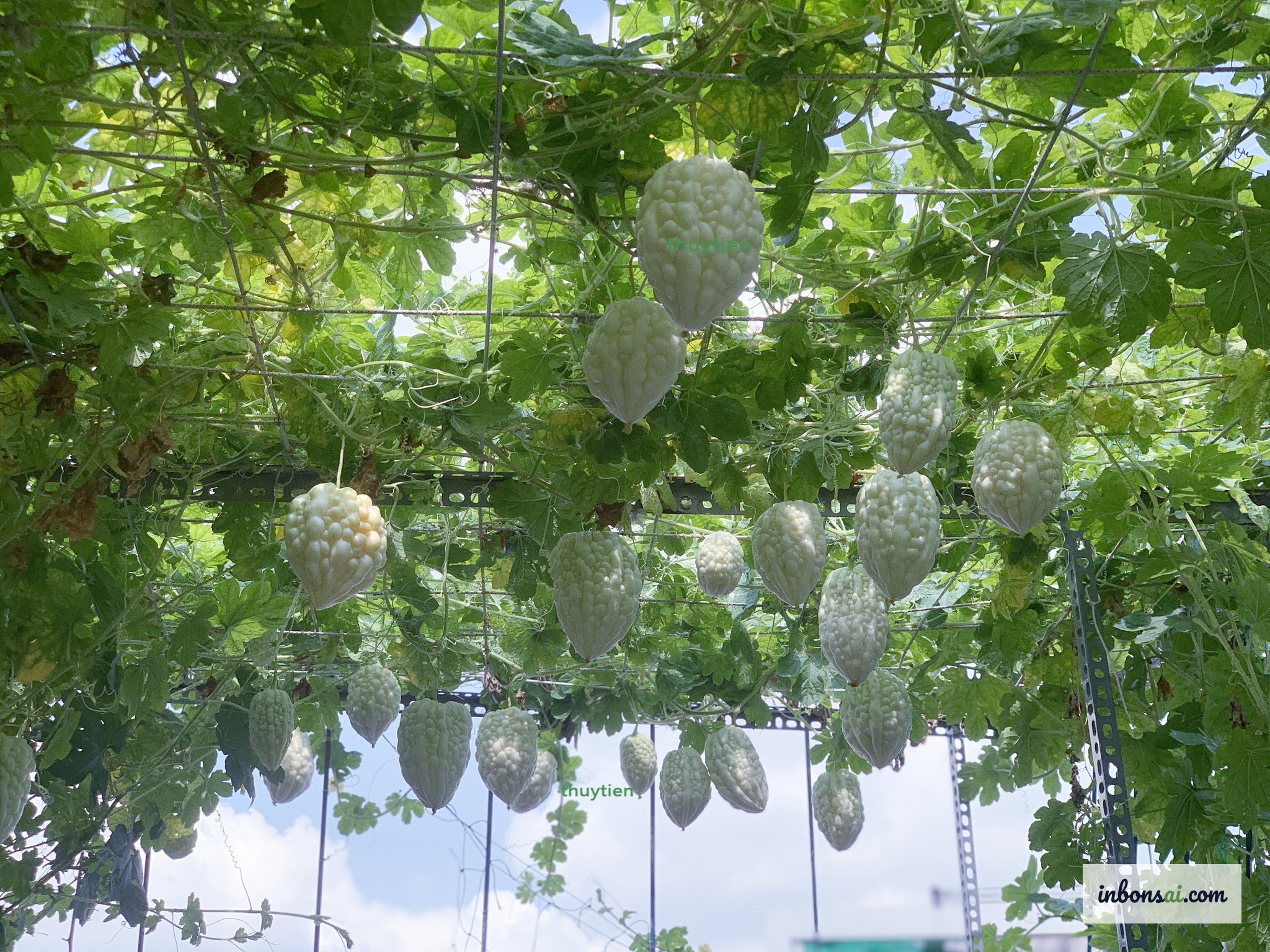
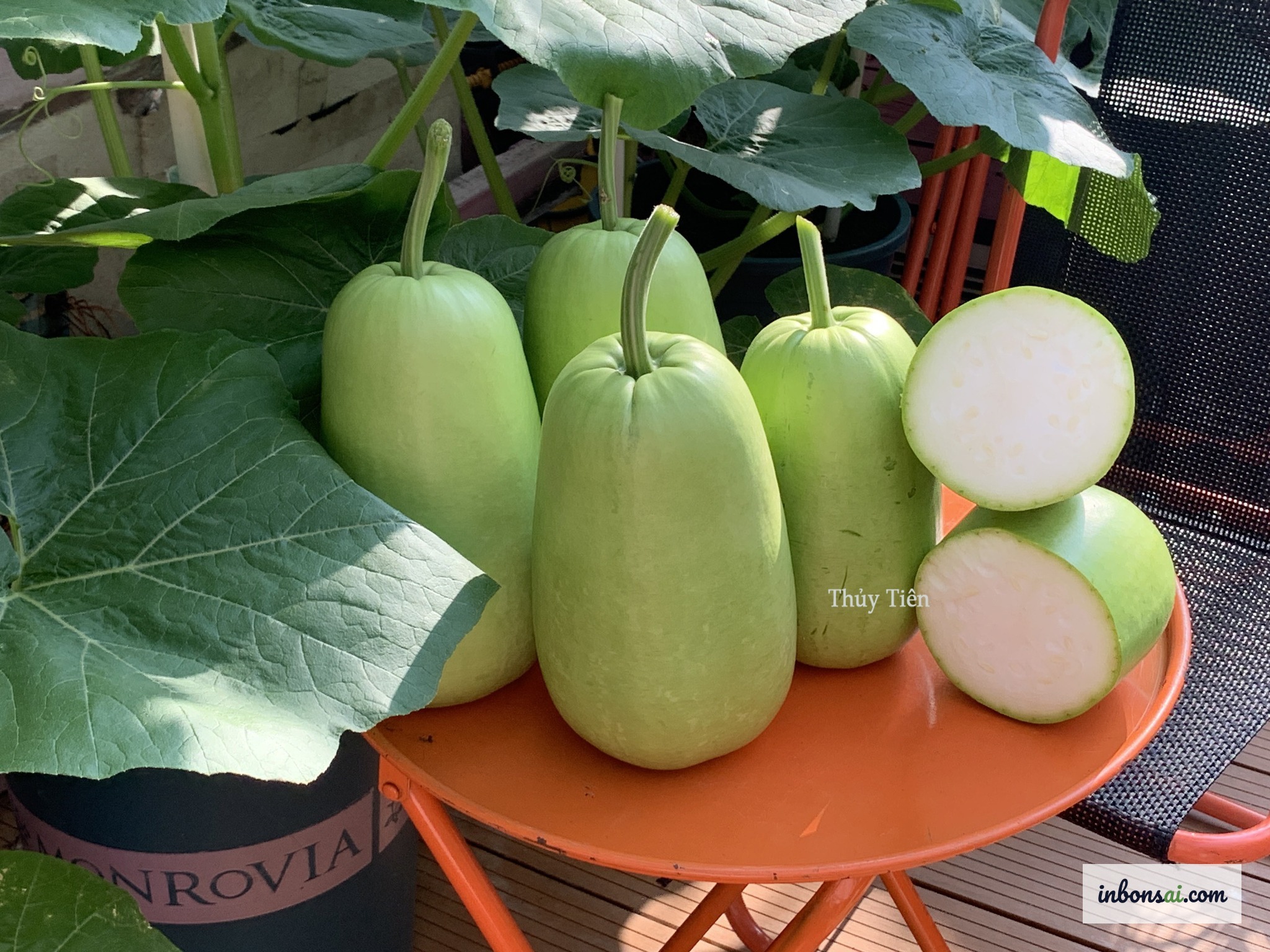
When starting to plant, you should choose leafy vegetables to get used to the plant’s characteristics, such as: various types of mustard greens, Malabar spinach, lettuce, herbs… After getting used to it, you can plant more: pumpkin, gourd, luffa, cucumber, bitter melon, tomato… Then fruit-bearing types will be more difficult to grow: cantaloupe, apple, grape, ambarella, guava…
LEARN ABOUT PLANTS
How plants grow, how to care for them, whether they like sun, pollination, pruning… Plants will be better cared for if you understand them.
HOW TO CARE
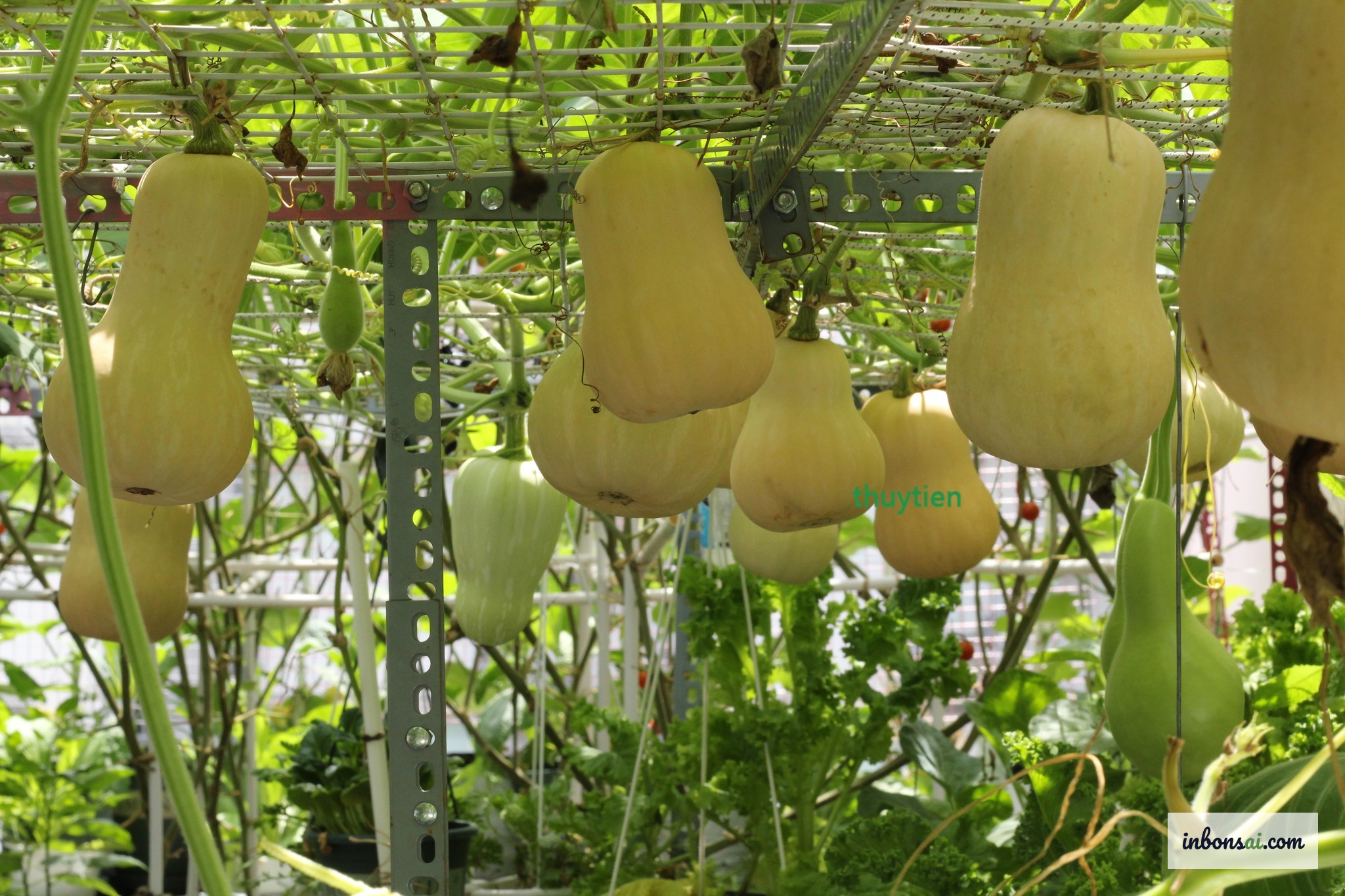
Water the plants regularly. Apply organic fertilizer, basal fertilizer for the soil, top dressing for vegetables (via stem, leaves, roots), effective fertilization methods at each stage. Regulate growth: pinching tips, pruning branches, pruning flowers, pruning fruits, thinning plants, removing bad plants, uneven or not delicious fruits. Weeding, tilling the soil.
NUTRITION REGIMEN FOR PLANTS
use kitchen waste: vegetables, shrimp shells, eggs, milk to make fertilizer for plants by applying directly or fermenting to get watering liquid. Make your own organic fertilizers to feed plants such as: fish protein, egg milk, soy protein, banana liquid, aloe vera…
Alternate applying different types of fertilizers every week.
HOW TO PREVENT PESTS AND DISEASES
Wash garlic, chili, and ginger, then puree them in a blender, put in a plastic bottle, add alcohol, and cover tightly. After 20 days, it can be used. Or use biological products: safe to use, non-toxic, no isolation period required.
HARVEST
For vegetables that can be harvested multiple times, prune carefully. For vegetables grown for one season, after harvesting, let the soil rest for a while and start improving it again. 🌿 Currently, my family still maintains the vegetable garden, planting more varieties to enrich family meals. I have gained more experience in handling disease prevention and care for difficult-to-grow vegetables. To keep the organic vegetable garden always ensuring green - clean criteria. Wishing you success in growing vegetables.
Related Posts
How to Grow Clean Vegetables on the Rooftop

Guide to Identifying and Treating Common Seasonal Diseases on Yellow Mai Trees

Bonsai Styles Art: A Detailed Guide to Bonsai Shaping Styles

10 Most Beautiful Golden Ochna Styles: Feng Shui Meaning and Artistic Beauty
Mastering Bonsai Watering Techniques: Secrets to Healthy Trees

The Art of Creating Bonsai Pots from Recycled Materials: A Detailed Guide

Cascade Style Bonsai Bending Techniques: The Art of Creating Elegant Beauty
