You live in an apartment with a north-facing balcony, natural light filtering in for only a few hours a day — yet you still want to keep a thriving bonsai. LED grow lights for low-light bonsai are the solution that thousands of apartment bonsai enthusiasts are successfully using today. This guide will help you understand what your bonsai needs from artificial lighting, how to choose the right light for your species, and practical tips to avoid wasting money on the wrong product.
Why Indoor Bonsai Need LED Grow Lights
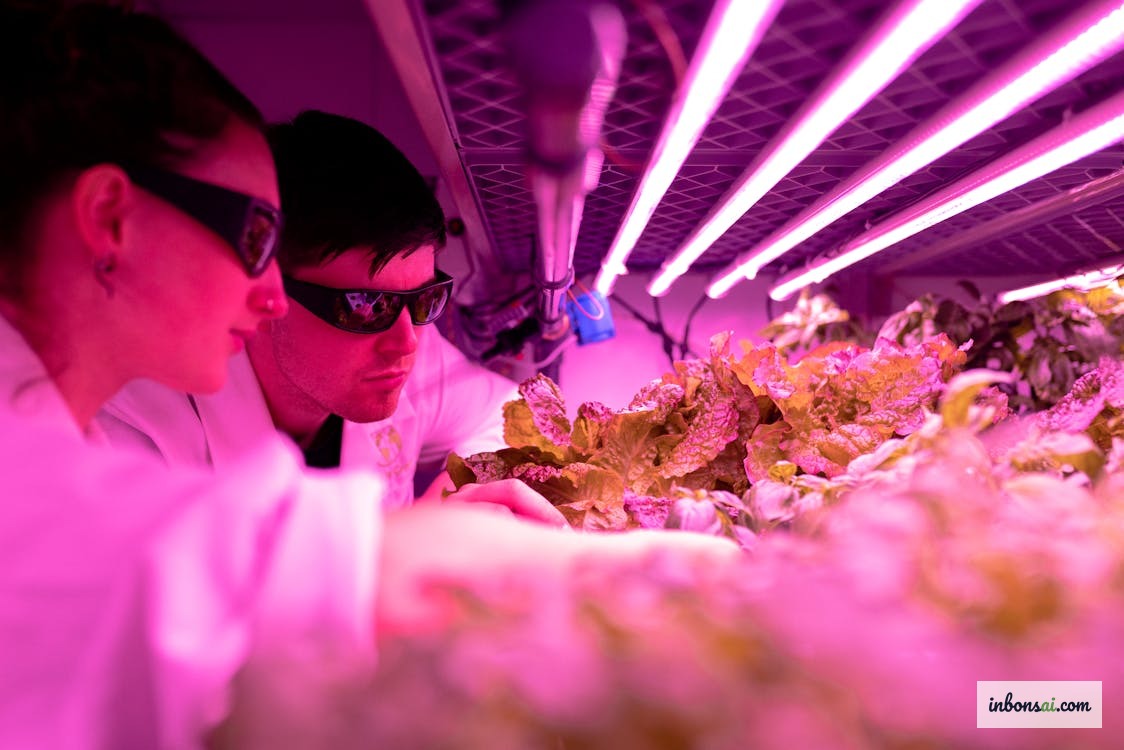
Bonsai trees are living organisms that depend on photosynthesis — the process of converting light into energy for growth. When natural light is insufficient, trees begin to weaken with very visible signs: small, pale leaves, abnormally elongated branches (etiolation), slow root development, and increased susceptibility to disease.
Most apartments typically provide only 500–1,000 lux of indoor light, while a healthy bonsai needs a minimum of 5,000–10,000 lux per day — five to ten times the light level in a typical room. This enormous gap cannot be bridged simply by placing the tree near a window without additional artificial lighting support.
LED grow lights bridge that gap. Unlike ordinary LED bulbs that emit white light, grow lights are engineered to emit red and blue spectrum light — precisely the wavelengths that chlorophyll in leaves absorbs most efficiently for photosynthesis.
Light Spectrum Matters More Than You Think
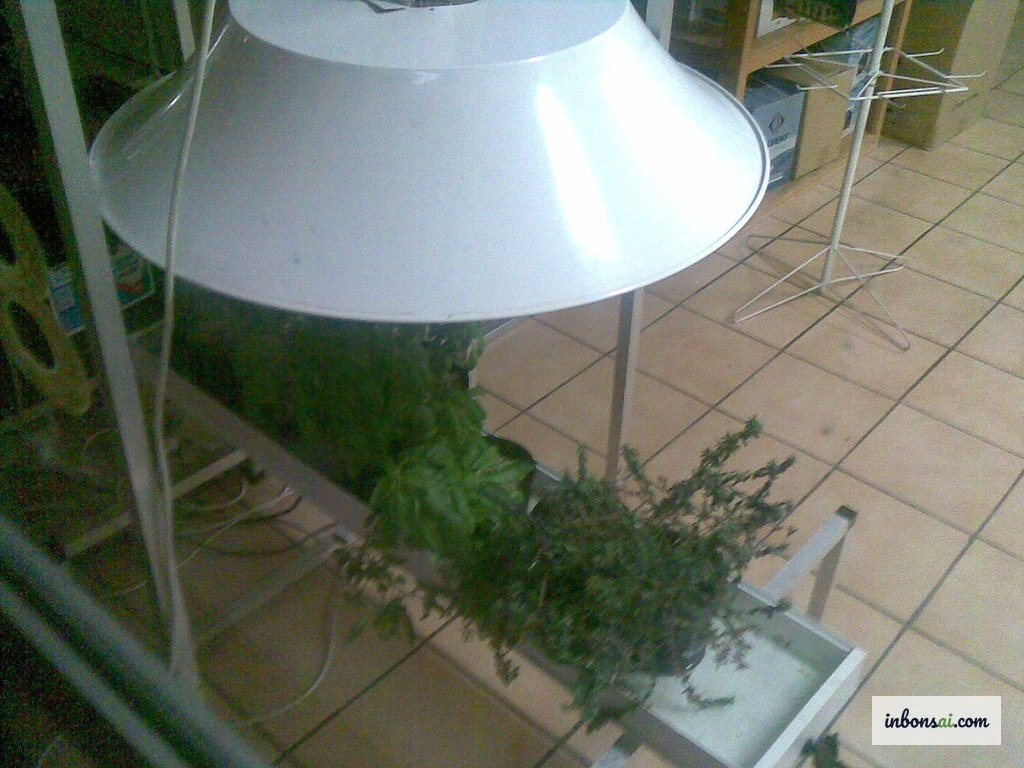
Not every LED light is suitable for growing plants. The key factor is the spectrum — the range of light wavelengths the fixture emits. Understanding this helps you avoid paying grow-light prices for an ordinary decorative lamp.
Red light (620–700nm) stimulates flowering, fruiting, and stem growth. This is the essential wavelength for flowering bonsai species like yellow apricot (mai vàng), pomegranate, and starfruit — species that need to bloom on cue.
Blue light (400–500nm) drives efficient photosynthesis, promotes leaf and root development, and keeps foliage deep green and branches compact. Species like banyan, ficus, and Chinese banyan depend heavily on this wavelength to produce small, attractive leaves.
Full spectrum simulates natural sunlight and is the best choice for bonsai since most species need both wavelength ranges plus green light (500–600nm) for complete development. When selecting a light, prioritize fixtures with a CRI > 90 (Color Rendering Index) and a "full spectrum" label.
Additionally, the PPFD figure (Photosynthetic Photon Flux Density, in μmol/m²/s) accurately reflects the amount of light plants actually receive — far more meaningful than the wattage on the box. Medium-light bonsai need approximately 200–400 μmol/m²/s; high-light species require 400–800 μmol/m²/s.
Choosing the Right Wattage for Your Bonsai LED Grow Light
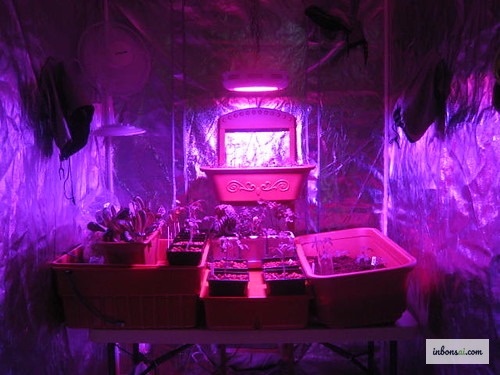
The most common mistake when buying a grow light is selecting by wattage on the packaging without considering the mounting distance and coverage area. Here is a practical calculation guide:
By number of pots and coverage area:
- 1–2 small bonsai (under 30cm): 15–25W actual draw, mount at 20–30cm
- 3–5 pots or medium-sized trees: 45–65W actual draw, mount at 30–50cm
- Large bonsai shelf (5+ trees): 100W+ panel or long LED bar strips
By species light requirements:
- Low-light (jade, bamboo): 15–25W, 12–14 hours/day
- Medium-light (banyan, ficus, Chinese banyan, Buddhist pine): 25–45W, 14–16 hours/day
- High-light (yellow apricot, pomegranate, starfruit, gardenia): 45–65W+, 16 hours/day
Critically, distance from the light to the canopy matters: placing the light too close (< 15cm) causes leaf burn; too far (> 60cm) delivers insufficient intensity. Testing at 30–40cm is safe for most species.
Beyond wattage, fixture shape also affects results. Panel lights (flat boards) distribute light evenly over a wide area — ideal for multi-pot shelves. Spot lights concentrate light on one spot, perfect for 1–2 pots on a desk. LED strip lights are flexible and easy to mount inside DIY wooden shelving.
Light Duration and Photoperiod for Bonsai
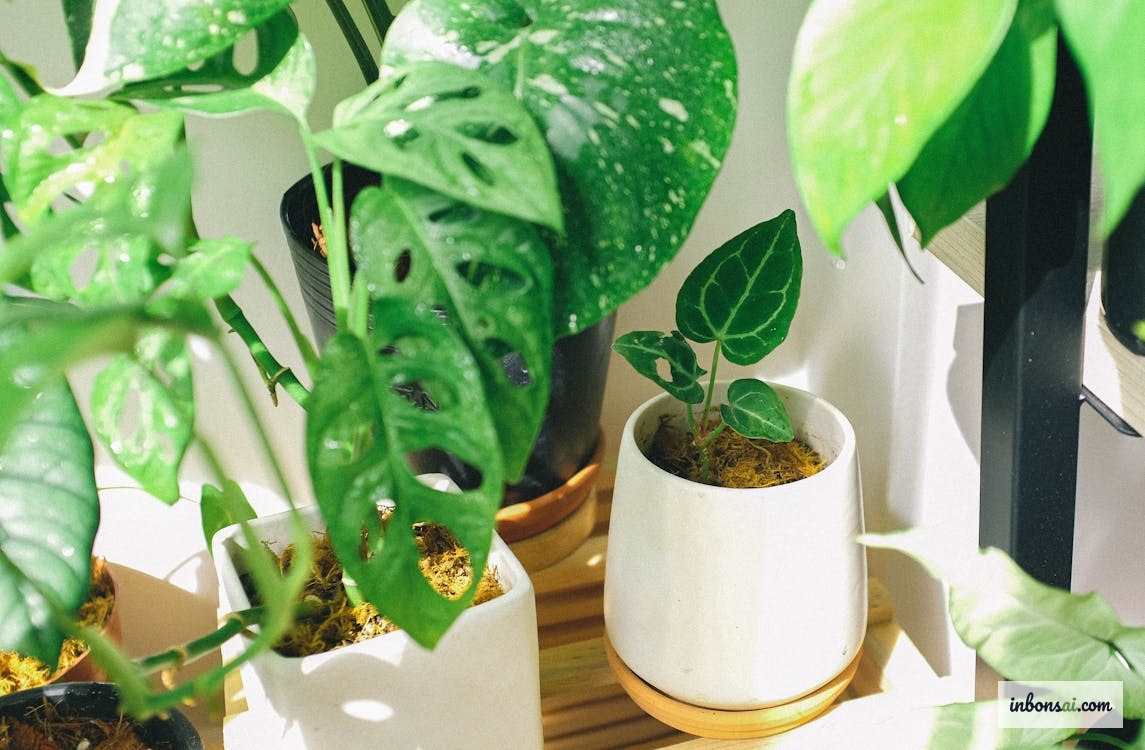
Bonsai trees also need a light-dark cycle (photoperiod) to maintain their natural biological rhythms. Running lights 24 hours a day not only fails to accelerate growth — it causes stress, disrupts flowering cycles, and impairs overall health.
Core principles:
- Total daily light (natural + artificial) should reach 14–16 hours
- At least 8 hours of complete darkness each night
- Turn the light on in the morning (7–8 AM) to extend the natural "day"
Practical example: if your apartment receives 3–4 hours of natural light from 9 AM to 1 PM, program the light to run from 7–9 AM and 1–9 PM — a total of 12 hours artificial plus 4 hours natural = 16 hours of light.
The key is using a timer plug to automate the lighting schedule. A mechanical timer plug costs around 50,000–100,000 VND; smart plugs controllable by phone app are also widely available. This small investment ensures you never forget to switch the light on or off and gives your tree a stable biological rhythm.
In winter (November to February) when natural light is scarce, increase the light duration by 1–2 hours. Conversely, during summer when natural light is abundant, you can reduce artificial light hours or run it only in the early morning and late evening.
Top 5 LED Grow Light Types for Bonsai in 2026
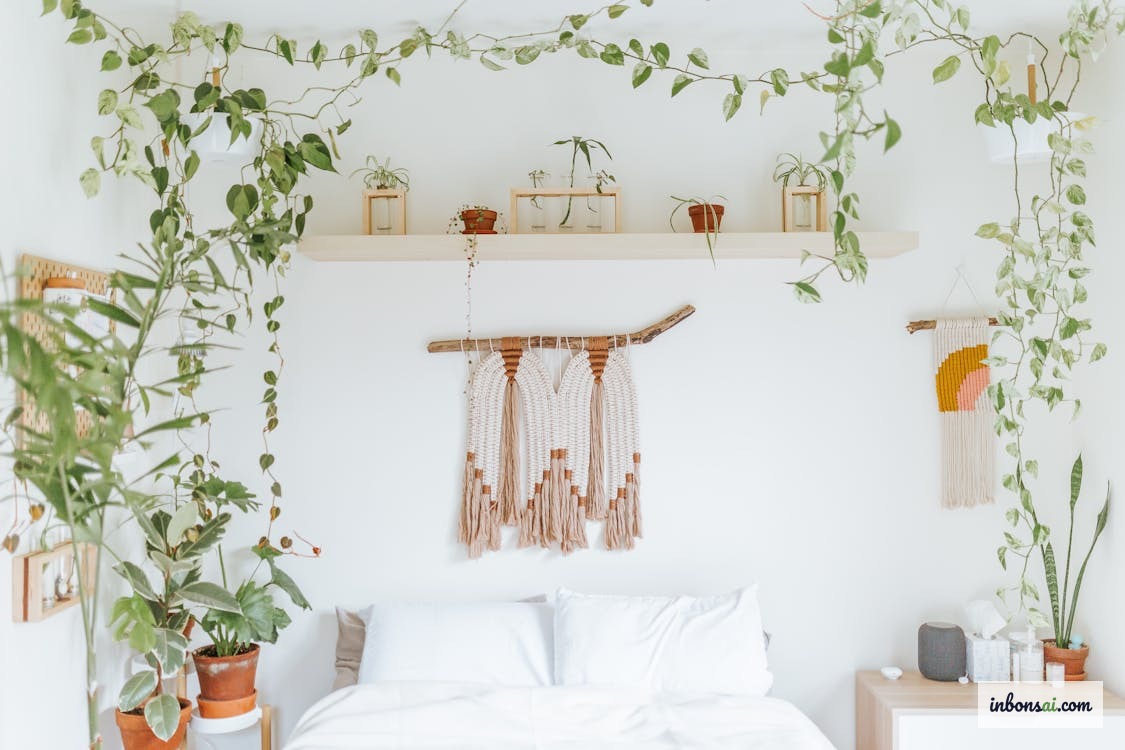
The grow light market is now quite diverse and easy to shop through Shopee, Lazada, or bonsai specialty stores. Here are the types most highly rated by the Vietnamese bonsai community:
1. Clip-neck round LED grow light (10–25W) Price: 150,000–400,000 VND. Clips directly to the pot rim or shelf edge — no installation required. Best for 1–2 mini bonsai on a desk. Limitation: narrow beam angle, moderate intensity.
2. Full spectrum LED panel (45–100W) Price: 400,000–1,500,000 VND. Distributes even light over a wide area (30×30cm to 60×60cm), ideal for multi-tier bonsai shelves. Best cost-effectiveness ratio. Requires a hanging mount or stand.
3. LED strip lights for shelving (30–60W per kit) Price: 200,000–600,000 VND per kit. Attached directly under each shelf tier to shine downward onto the canopy below. Clean aesthetic, perfect for DIY wooden or metal shelves.
4. Halo ring LED light (25–40W) Price: 250,000–700,000 VND. Round ring design distributes light evenly at 360°, placed around or above the canopy. Visually attractive, suits modern interior settings.
5. Double/triple LED bar light (60–150W) Price: 500,000–2,000,000 VND. Highest intensity option, suited for high-light bonsai (yellow apricot, pomegranate). Typically used in dedicated plant rooms rather than standard apartments.
When purchasing, check for CE/FCC certification (electrical safety), LED lifespan (≥ 50,000 hours), and at least a 1-year warranty. Avoid no-brand lights — fire risk is higher and actual photosynthetic efficiency often falls far short of advertised wattage.
Common Mistakes When Using Grow Lights for Bonsai
Why do some growers use grow lights but still see poor results? Here are the most common reasons:
Light placed too far away: Light intensity decreases with the square of distance (inverse-square law). Double the distance and the plant receives only a quarter of the light. Position the light at the manufacturer's recommended distance — typically 20–40cm.
Running lights 24/7: Trees need rest in darkness to complete biochemical cycles, synthesize proteins, and repair cells. Continuous light causes light stress, leading to yellow and falling leaves.
Neglecting other care factors: Grow lights cannot compensate for incorrect watering, poorly draining soil, or inadequate fertilization. Lighting is just one of many care elements. For a complete care foundation, see our guide on how to care for mini bonsai at home for beginners.
Wrong spectrum: Single-spectrum red or purple lights alone are insufficient for well-rounded bonsai growth. Always choose full spectrum.
Ignoring ambient humidity: LED lights generate mild heat; continuous use in an enclosed space can dry out soil and surrounding air faster than expected. Combine with a small humidifier or a water tray under the pot to maintain 50–70% humidity.
Designing an Indoor Bonsai Corner with Grow Lights
Beyond function, grow lights can become an aesthetic focal point in your living space. The "bonsai corner" trend in modern apartments is enormously popular across Vietnam's major cities.
DIY wooden shelf: Mount LED strip lights under each tier, shining down onto the pots below. Add an automatic timer. Material cost is roughly 500,000–1,000,000 VND for a three-tier shelf.
Work desk corner: Place 1–2 mini bonsai on your desk with a clip grow light. Creates a green, calming workspace — perfect for working from home.
Glass terrarium cabinet: Combine a transparent cabinet with interior grow lights to create a stable microclimate — controlling humidity, temperature, and light simultaneously. Ideal for sensitive tropical bonsai species.
If you want guidance on the best placement for your bonsai before investing in a lighting setup, read our article on how to choose the right location for bonsai indoors or outdoors for a fuller picture.
Remember: grow lights are a support tool, not a complete replacement for natural sunlight. When possible, bring your tree to a balcony or window for at least 1–2 hours a day so it can access real sunlight and natural air circulation. Combining natural and artificial light intelligently will yield the best results for your apartment bonsai garden.
To round out your bonsai care toolkit, don't miss our guide to 10 essential tools for bonsai enthusiasts — including pruning tools, watering equipment, and light meters that pair perfectly with your grow light setup.
Tags
#led-grow-light#indoor-bonsai#bonsai-tools#bonsai-lightingGet bonsai guidance every week.
Fresh care guides, styling notes, and bonsai inspiration delivered to your inbox.