Mai chieu thuy (Wrightia religiosa) is one of the most beloved bonsai species in Vietnam, prized for its graceful trunk, striking exposed roots, and clusters of fragrant white flowers. Yet few growers know how to apply the mai chieu thuy flower-forcing technique to make the tree bloom year-round on demand, rather than waiting for scattered natural flowering. This guide walks through the full process — water restriction, leaf pruning, and fertilizing — that experienced growers use to trigger synchronized blooms.
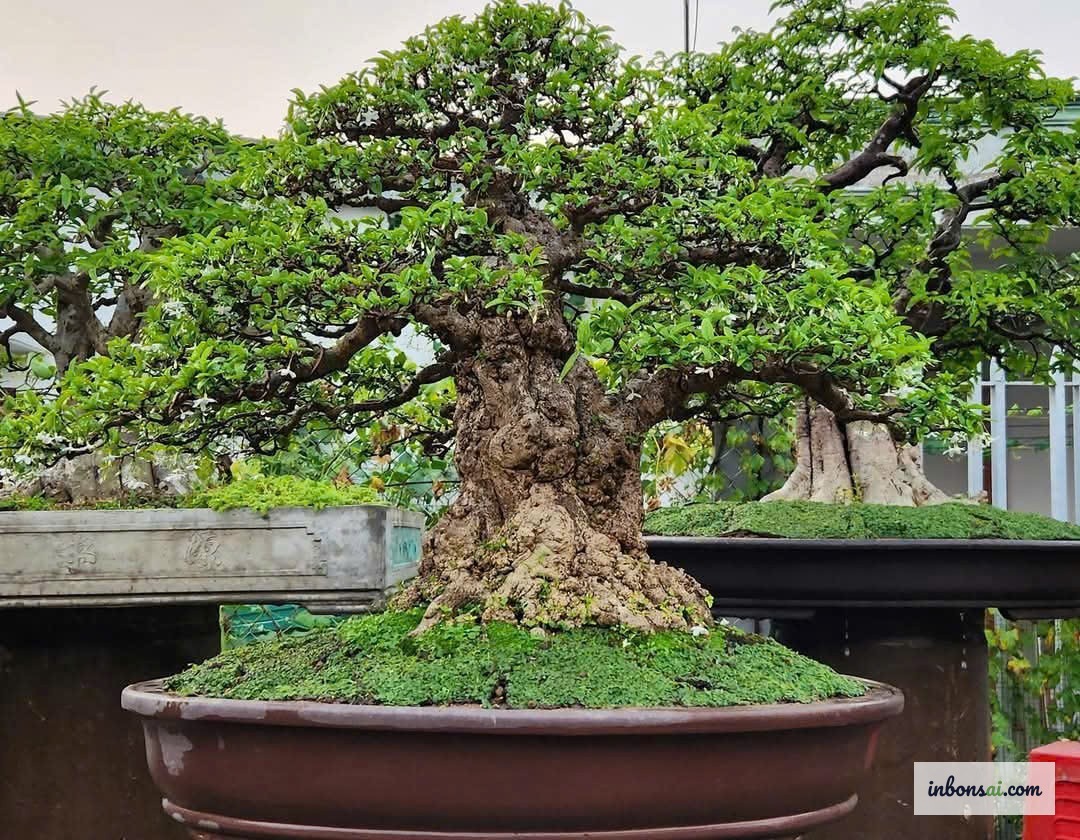
If you've ever wondered why your mai chieu thuy only flowers sparsely or never at the time you want, the answer lies in not yet controlling the tree's growth cycle. With the right technique, mai chieu thuy can be induced to bloom in full, synchronized flushes multiple times a year.
Why force flowering instead of letting the tree bloom naturally
In nature, mai chieu thuy tends to flower sporadically and unevenly, which scatters the tree's visual impact. For bonsai growers, a single flush that covers the entire canopy at once is what truly shows off the tree's aesthetic and collectible value.
The forcing technique lets you choose exactly when the tree blooms — timing it for Lunar New Year, a birthday, or an exhibition. Regular forcing cycles also help manage the tree's vigor, preventing it from channeling all its energy into leaves and branches instead of flower buds.
Physiologically, mai chieu thuy flowers form at the tips of young shoots. When the tree experiences mild water stress, it shifts from vegetative growth (leaves, branches) to reproductive growth (flowers) as a survival response. This shift is exactly what the water-restriction technique exploits.
Understanding the mai chieu thuy growth cycle
Before attempting to force blooms, you need to understand the tree's natural development cycle. Mai chieu thuy grows quickly in tropical conditions, especially during the rainy season when humidity is high and temperatures stay stable.
A complete flowering cycle typically takes 30–45 days, from the start of water restriction to the point the flowers fully fade. A healthy, well-maintained tree can handle 5–7 forcing cycles per year without weakening, as long as it gets adequate rest between cycles.
Signs a tree is ready for forcing: branches have lignified (no longer soft and green), leaves are dark green and dense, and there's no sign of pests or nutrient deficiency. A tree that was recently repotted or heavily pruned needs at least 3–4 weeks to recover before starting the forcing process.
Step-by-step water restriction technique
Water restriction is the single most important stage in the entire process, requiring patience and close observation.
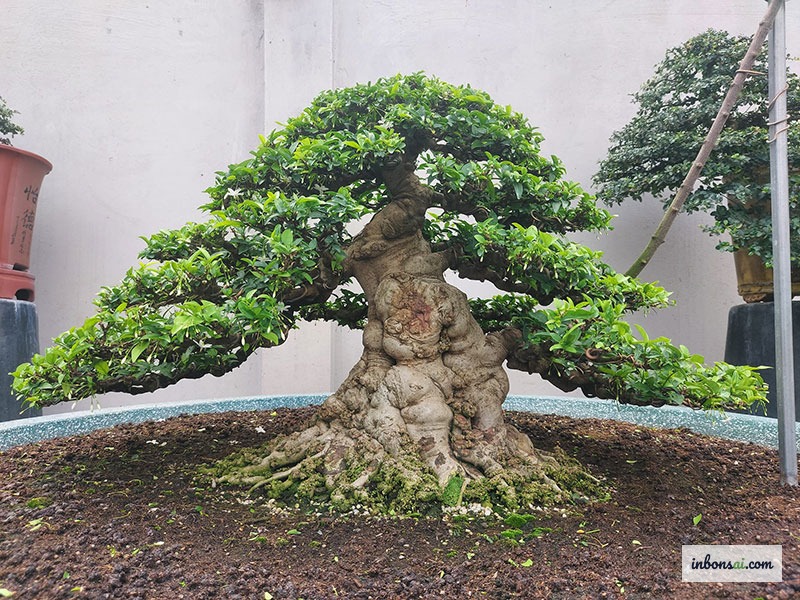
Step 1 — Stop watering for 5–7 days. Place the tree somewhere with gentle sun and good airflow, and withhold water completely. Only resume watering once the leaves start to droop slightly around midday, but before they scorch at the edges. This is the tree's signal that it's shifting into reproductive mode.
Step 2 — Monitor the wilting closely. Don't let the tree stay wilted for more than 2 consecutive days, as the fine feeder roots can suffer permanent damage that impairs future water uptake. For trees in smaller pots, shorten the restriction period to 4–5 days since the soil dries out faster.
Step 3 — Water thoroughly again. Once the desired wilting level is reached, give the tree a deep, thorough watering in the early morning. This sudden "water shock" triggers a synchronized burst of flower buds within the following 7–10 days.
Step 4 — Maintain steady moisture. After rewatering, keep a consistent daily watering schedule and avoid letting the soil dry out again during bud formation — otherwise the young buds will drop en masse.
Important note: water restriction should only be applied to mature trees with a strong root system. Young trees or cuttings under one year old should not be forced, as the stress can be excessive and harm long-term development.
Leaf pruning technique combined with water restriction
Leaf pruning is a supporting step that boosts the effectiveness of flower forcing, especially useful when you want to shorten the waiting period.
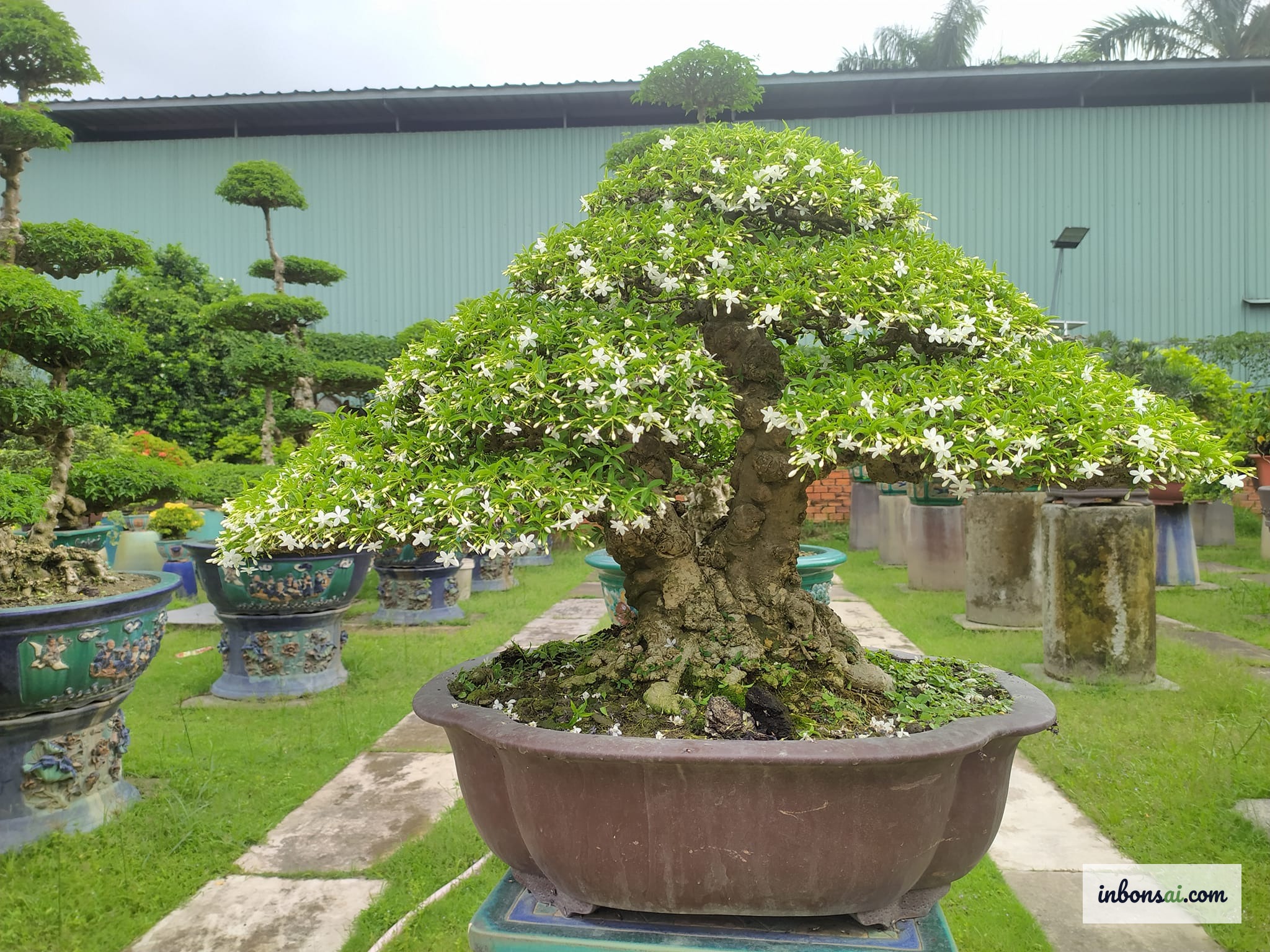
After completing the water-restriction stage (steps 1–2 above), strip all the older leaves from branches that are about to flower, keeping only the young leaves at the very tips. This redirects the tree's energy toward feeding the flower buds instead of foliage, and speeds up bud emergence by 3–5 days compared to water restriction alone.
Use sharp scissors rather than pulling or tearing leaves off by hand, since tearing can damage the leaf nodes and hinder future shoot growth. Prune in the early morning or cool afternoon to minimize heat stress on the tree.
For trees with dense foliage, remove only about 60–70% of the leaves rather than stripping the tree bare. Over-pruning can temporarily cripple photosynthesis, slowing bud development instead of accelerating it.
Feeding with KNO3 to trigger synchronized blooms
Once the tree has been rewatered and buds start to emerge, applying the right fertilizer determines how uniform and long-lasting the flush will be.
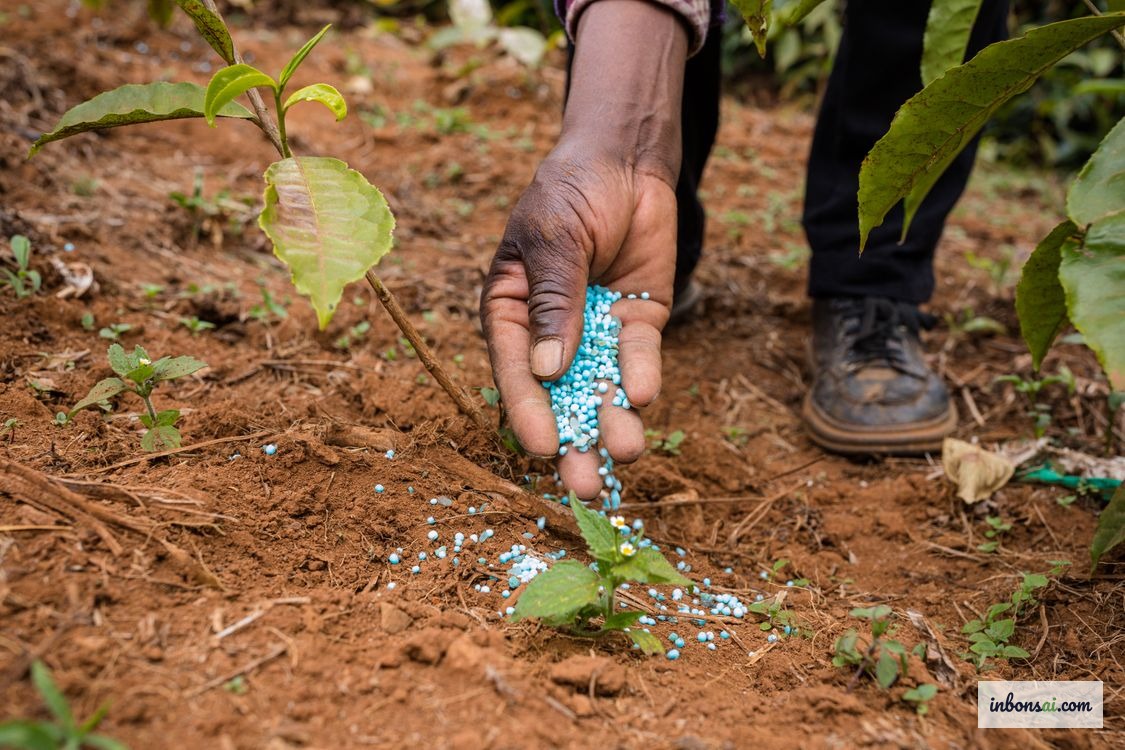
Potassium nitrate (KNO₃) is a favorite among experienced growers during the flower-inducing stage because it supplies both nitrogen and potassium at once — nitrogen feeds the developing buds, while potassium keeps the flowers vivid and reduces bud drop. Dilute KNO₃ at roughly 1–2 grams per liter of water, and mist it onto the foliage or water it around the base, applying 2–3 times spaced 5–7 days apart starting from the day you rewater.
Avoid straight nitrogen-heavy fertilizers (like urea) during this stage, since they push the tree toward leaf growth instead of flowering, undermining the entire water-restriction process.
Once the flowers have fully opened, stop the flower-forcing fertilizer and switch back to a normal maintenance feeding schedule to avoid nutritional shock.
Year-round flower-forcing schedule
To keep flushes coming without exhausting the tree, you need a sensible seasonal schedule.
During the dry season (November to April), the tree loses water faster, so the restriction period can be shortened to 4–5 days — ideal for timing blooms around Lunar New Year or other early-year celebrations. During the rainy season (May to October), higher humidity slows soil drying, so extend the restriction period to 6–8 days and watch closely to avoid root rot when rewatering.
Between consecutive forcing cycles, give the tree at least 30 days of rest, paired with organic fertilizer or a balanced NPK feed to rebuild vigor before the next cycle begins.
Common mistakes when forcing mai chieu thuy to bloom
Many beginners run into trouble applying this technique due to a few recurring mistakes.
Restricting water for too long: Letting the tree stay wilted for more than 3 days damages the feeder roots, drains its recovery strength, and can prevent flowering entirely for that cycle — or even cause mass leaf drop.
Forcing back-to-back without rest: Starting a new cycle right after the previous flush fades exhausts the tree, and each subsequent flush produces smaller, sparser flowers.
Fertilizing at the wrong time: Applying nitrogen-heavy fertilizer right before or during water restriction backfires, pushing the tree toward leaves instead of flowers.
Ignoring the weather: Forcing a flush right before heavy rain causes buds to rot and drop before they can open. Check the forecast 7–10 days ahead before starting the process.
Caring for mai chieu thuy after the flowers fade
Once a flush has faded, trim off the spent flowers and a portion of the branches that bloomed to stimulate new shoot growth in preparation for the next forcing cycle.
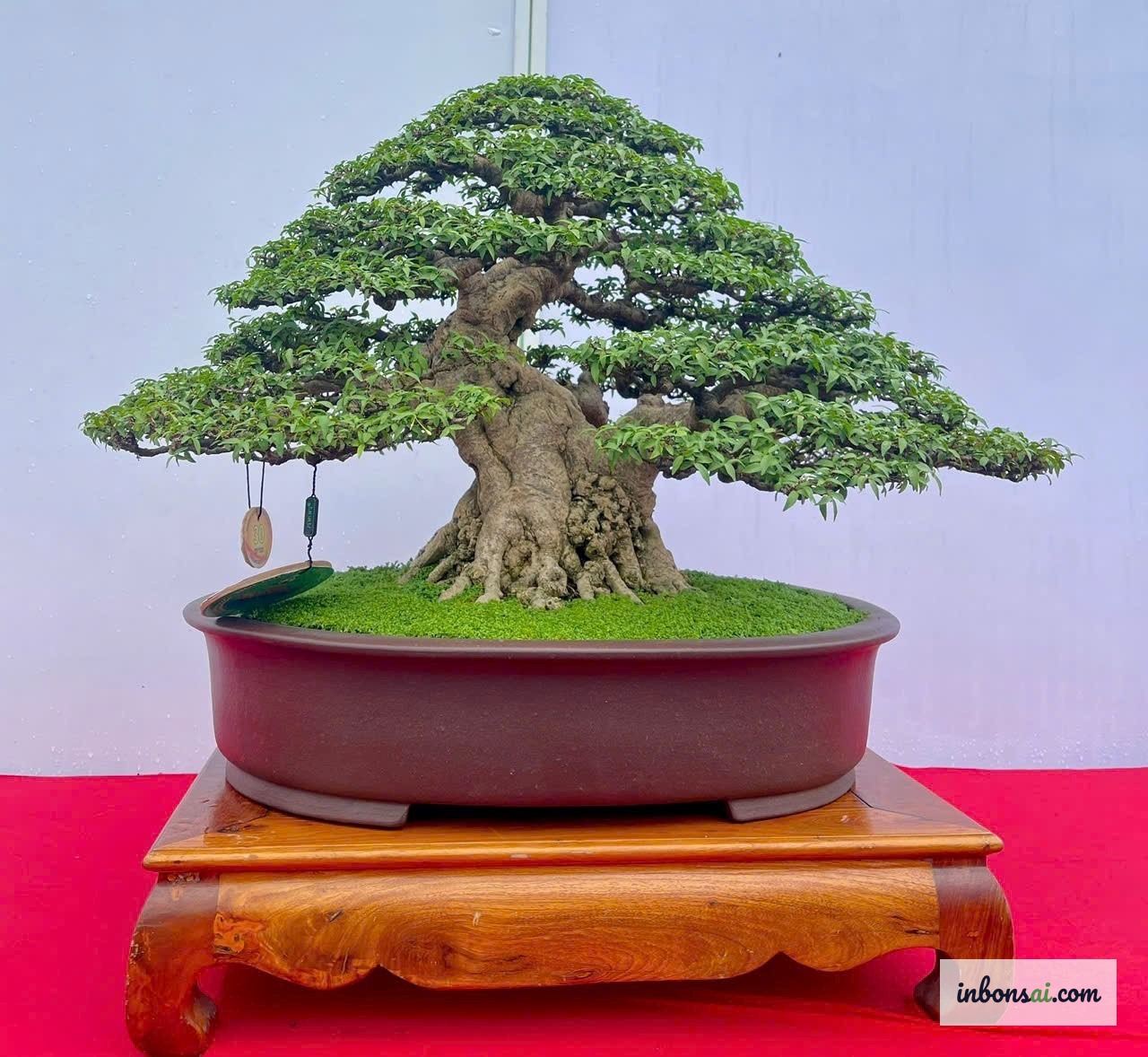
During this recovery phase, resume regular watering and apply organic or balanced NPK fertilizer to help the tree rebuild its vigor. Keep it in a spot with plenty of light but shielded from harsh midday sun, especially during extreme heat spells.
With a disciplined care and forcing routine like the one outlined above, mai chieu thuy can bloom nearly year-round, offering lasting aesthetic reward and enjoyment for growers.
Tags
#mai-chieu-thuy#bonsai-flower-forcing#water-restriction-bonsai#bonsai-technique#flowering-bonsaiGet bonsai guidance every week.
Fresh care guides, styling notes, and bonsai inspiration delivered to your inbox.