Syzygium myrtifolium — known in Vietnam as cây muội hồng — has become one of the most searched bonsai species in 2026. While many people have admired its striking red-pink foliage on social media, fewer understand what Syzygium myrtifolium actually is, its feng shui significance, and how to harness its energy in your living space. This guide covers everything: botanical origins, elemental symbolism, compatibility with different birth elements, ideal placement, and why this plant has captured the imagination of both bonsai artists and feng shui enthusiasts.
What Is Syzygium Myrtifolium? Origins and Characteristics
Syzygium myrtifolium belongs to the family Myrtaceae — the same family as guava, rose apple, and eucalyptus. It's commonly called "Red Lip Tree" in English, referring to its most distinctive feature: brilliant red-to-pink new growth that gradually matures to glossy dark green.
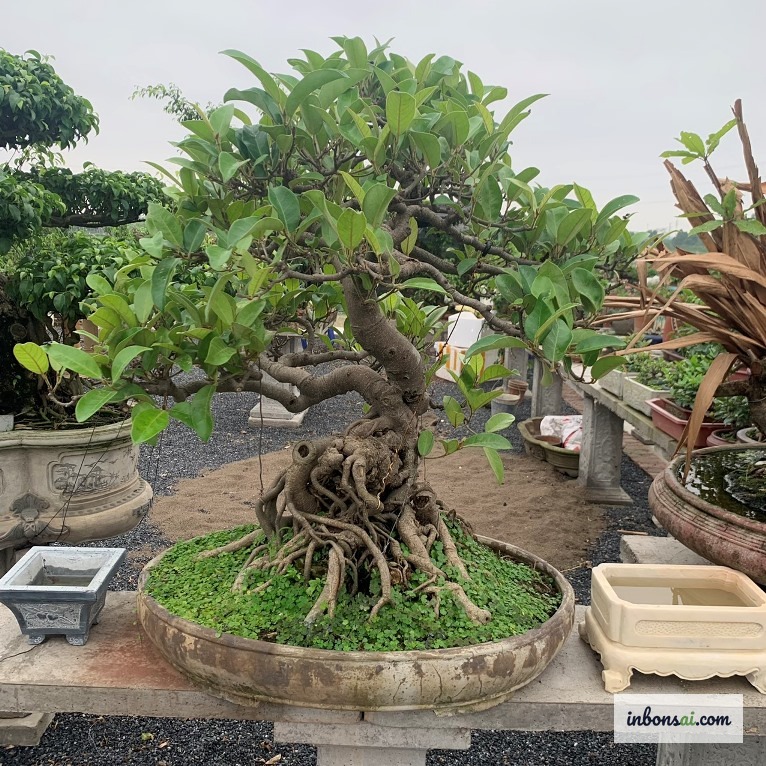
In the wild, this species is native to Southeast Asia — Vietnam, Laos, Cambodia, Malaysia, and Indonesia. In Vietnam, it grows primarily on limestone karst cliffs in the northern mountains of Ninh Binh, Ha Giang, and Cao Bang provinces. This harsh environment has given the plant extraordinary characteristics that make it prized for bonsai:
- Rock-clinging root systems that develop naturally over decades
- Compact, dense foliage with small oval leaves ideal for miniature styling
- Aged, fissured bark that develops a weathered, ancient appearance
- Vivid red-pink flushes with each new growth cycle
It's important to distinguish Syzygium myrtifolium (red new growth) from related species: Syzygium cumini (jamun/black plum) and Syzygium jambos (rose apple). When purchasing, ask for the Latin name to ensure you're getting the right species.
Feng Shui Meaning of Syzygium Myrtifolium
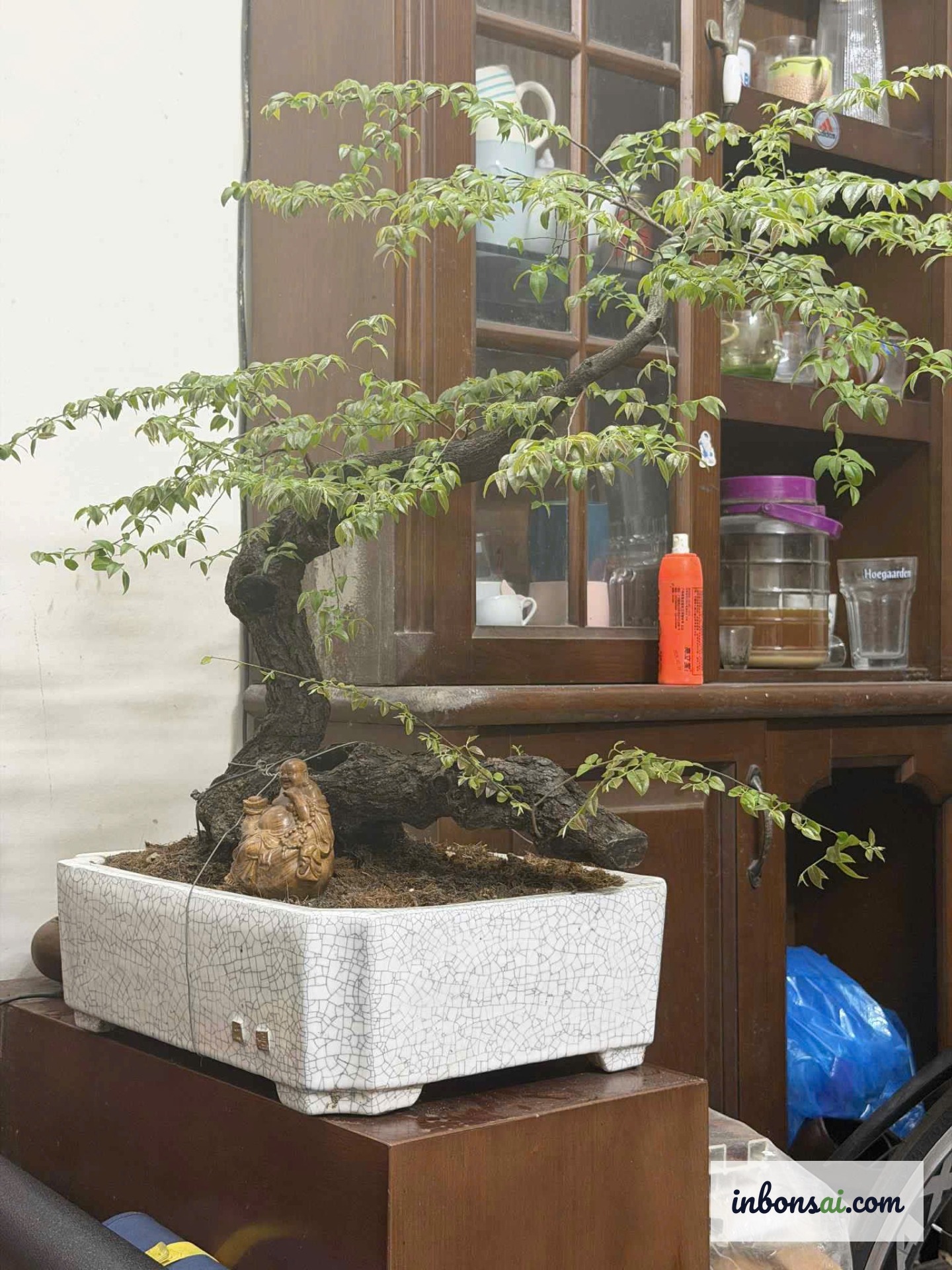
In feng shui, Syzygium myrtifolium is classified under Wood element (hành Mộc) — representing growth, flexibility, vitality, and kindness. Additionally, its characteristic red-pink coloring introduces Fire element (hành Hỏa) — symbolizing passion, fortune, and warmth.
This rare dual-element nature (Wood-Fire) makes muội hồng an exceptionally powerful feng shui plant. Practitioners attribute several key qualities to it:
Resilience and perseverance: Growing on barren limestone cliffs, this species embodies unwavering determination. Placed in a workspace, it serves as a constant reminder to push through challenges.
Life energy and prosperity: The lush green of mature leaves generates fresh living energy (生气), while the red-pink of new growth activates the luck and wealth field — similar in effect to money trees or jade plants, but far more aesthetically interesting.
Longevity and vitality: Specimens collected from nature can be decades old. In feng shui, ancient trees are considered symbols of longevity and health for the household.
Harmony and emotional well-being: Pink, in East Asian feng shui traditions, carries meanings of love, harmony, and family happiness — making this plant suitable for living rooms and shared family spaces.
Which Birth Elements Is It Compatible With?
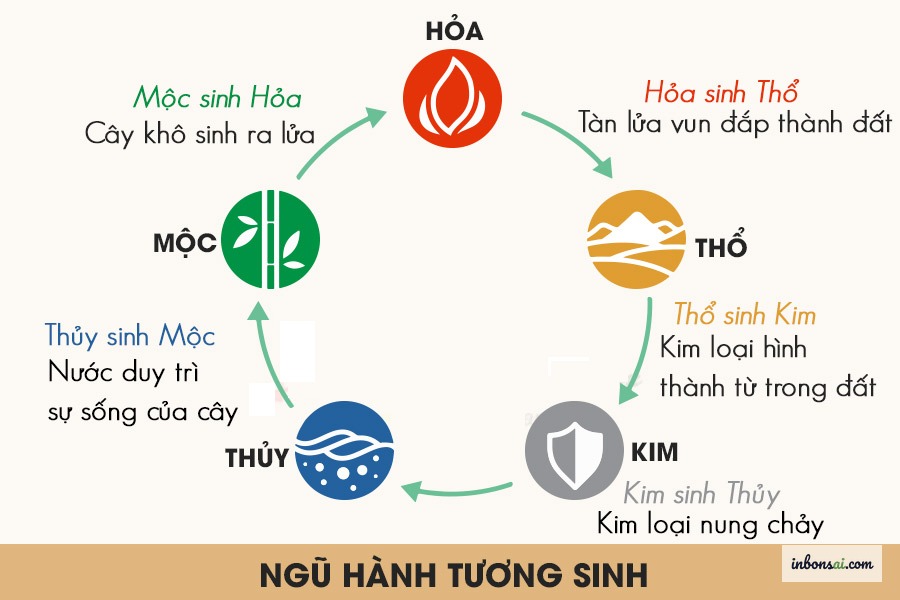
Because Syzygium myrtifolium carries both Wood and Fire energies, it aligns most naturally with Wood element (Mộc) and Fire element (Hỏa) birth charts. Here's a breakdown:
Wood element (born in Giáp/Ất years): Wood-Wood resonance — natural alignment. People with a Wood birth element will find this plant harmonizes effortlessly with their energy field.
Fire element (born in Bính/Đinh years): Wood feeds Fire — the plant nourishes Fire energy, boosting career fortune and financial luck. This is the birth element that benefits most from the plant's dual Wood-Fire nature.
Earth element (born in Mậu/Kỷ years): Fire generates Earth — Earth element individuals receive indirect benefit through the plant's Fire aspect. It can be kept but is best placed in a corner rather than the center of a room.
Water element (born in Nhâm/Quý years): Water extinguishes Fire — proceed with caution. If you wish to keep this plant, choose blue or black pots to balance the elements and avoid placing it in the South-facing direction.
Metal element (born in Canh/Tân years): Metal cuts Wood — theoretically the least compatible combination. However, the plant's Fire element (which overcomes Metal) creates a balancing effect. Metal birth element people can still keep this plant if they like it aesthetically.
For a comprehensive guide on choosing bonsai by birth year and element, see our bonsai feng shui compatibility guide.
Where to Place Syzygium Myrtifolium in Your Home
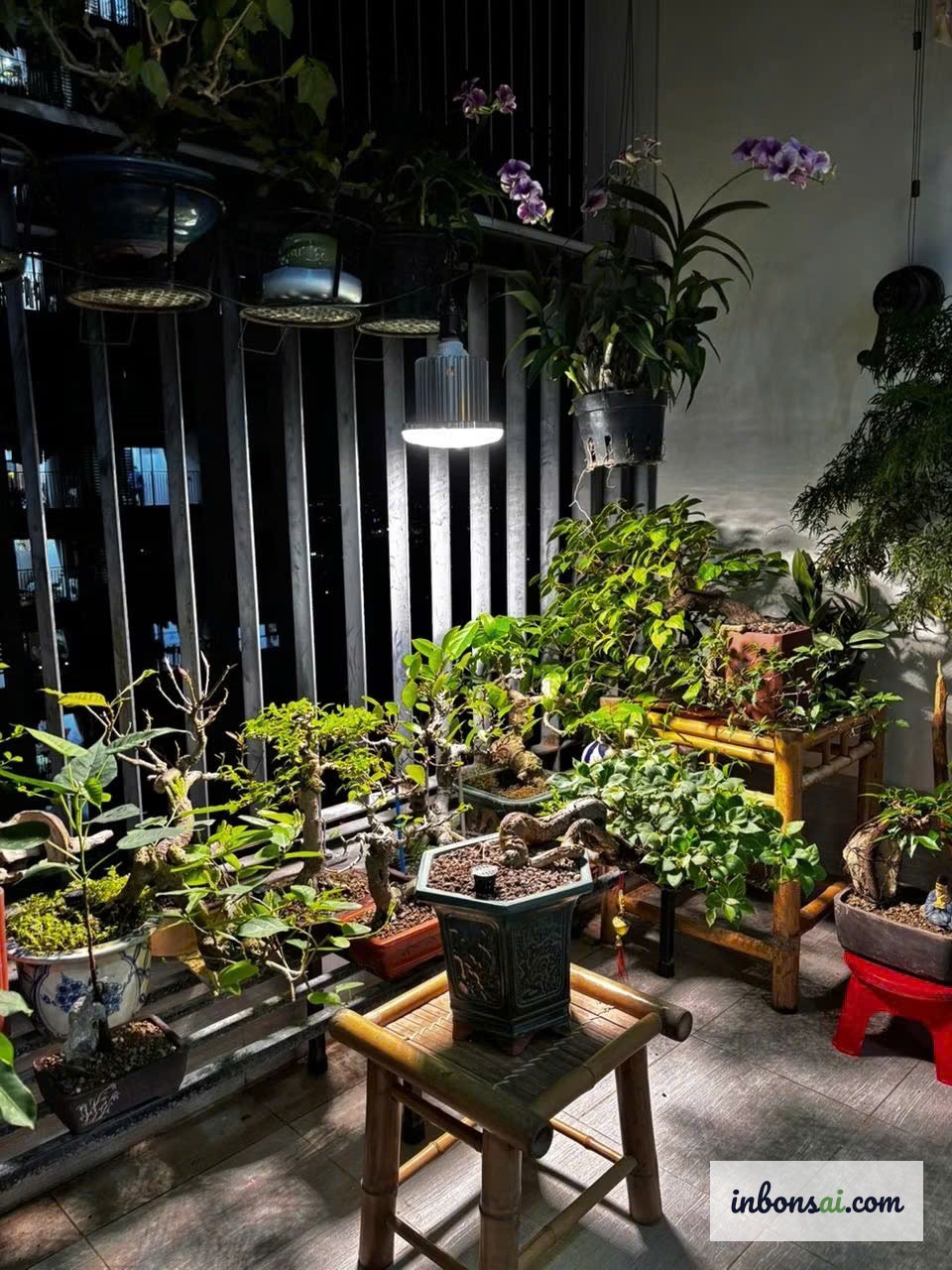
Placement significantly affects feng shui outcomes. For Syzygium myrtifolium, recommendations are:
Living room — best placement: On a TV shelf, tea table, or room corner facing the main entrance. The red-pink foliage creates a striking visual focal point while activating positive energy throughout the home.
Work desk or office: A small muội hồng on your desk symbolizes persistence and continuous effort — particularly meaningful for business owners, professionals, and creatives.
East or Southeast corners: In the bagua system, East aligns with Wood element and Southeast is the wealth corner. Placing the plant in either location amplifies its feng shui benefits.
Avoid bedrooms: While pink carries romantic symbolism, plants in the bedroom are traditionally discouraged in East Asian feng shui as they may disrupt restful sleep energy. If you do keep one, choose a small specimen and ensure good ventilation.
Avoid bathrooms and kitchens: These areas carry conflicting energies that diminish the plant's positive influence.
The Symbolism of Red-Pink Coloring in Feng Shui
The color transformation that Syzygium myrtifolium undergoes — vivid red-pink new growth gradually darkening to deep, glossy green — is itself deeply symbolic in feng shui:
- Red represents Fire, luck, protection, and fortune
- Pink represents love, harmony, and relationship health
- Deep green (mature leaves) represents Wood, growth, and vitality
This constant color cycle — birth in brilliant red, maturity in serene green — symbolizes continuous renewal and regeneration, suggesting fresh opportunities and perpetually transforming energy. This cyclical symbolism is one reason why feng shui practitioners and plant enthusiasts alike find this species particularly compelling.
The colors only manifest at their most vibrant when the plant is healthy — bright, vivid new growth indicates robust energy. A plant with pale, washed-out new growth due to insufficient light or nutrients signals weakened feng shui potential.
Syzygium Myrtifolium vs. Other Popular Feng Shui Plants
How does muội hồng compare to other well-known feng shui plants? Each species has distinct strengths:
| Species | Element | Best for | Key symbolism |
|---|---|---|---|
| Syzygium myrtifolium | Wood + Fire | Wood, Fire | Resilience, fortune, renewal |
| Banyan (Sanh) | Wood | Wood, Fire | Vitality, protection, longevity |
| Fig (Sung) | Wood | Wood, Fire, Earth | Abundance, fertility |
| Money plant | Wood + Metal | Metal, Earth | Financial attraction |
| Lucky bamboo | Wood | Multiple | Luck, prosperity |
The key advantage of Syzygium myrtifolium over most alternatives is aesthetic sophistication — it functions as a genuine work of bonsai art, not just a feng shui prop. This makes it far easier to integrate into contemporary home design without looking out of place.
If you're also interested in Sanh bonsai mini, it's another exceptional choice — often called "Vietnam's king of bonsai" with extraordinary feng shui value.
Why Is This Plant Trending in 2026?
Several converging factors explain the muội hồng phenomenon:
Instant visual impact: Unlike most bonsai species that require years of patient styling to look impressive, wild-collected Syzygium myrtifolium specimens arrive with ancient root structures and naturally aged character already formed. New enthusiasts can own a stunning piece immediately.
Social media magnetism: The vivid red-pink new growth photographs exceptionally well. Thousands of unboxing and care videos on TikTok and Instagram have created powerful viral momentum.
Perfect scale for urban living: These bonsai are typically compact — ideal for apartments and townhouses that characterize modern Vietnamese urban living.
Feng shui awareness: As information about the plant's positive symbolism spread online, demand expanded beyond pure aesthetics into the large market of feng shui believers.
Buying Tips for First-Time Buyers
Before purchasing:
Understand the source: Market specimens are either wild-collected (older, more dramatic, higher mortality risk) or nursery-grown (younger, more adaptable, better survival rates for beginners). Beginners should prefer nursery-grown specimens.
Price expectations: Prices range widely depending on size and origin. Be cautious of suspiciously cheap specimens from unknown sources.
Initial acclimatization: The most critical factor when bringing a new plant home — avoid overwatering and avoid direct sun exposure immediately. Allow 1-2 weeks of acclimatization before adjusting placement.
For complete care instructions including soil mix, watering schedule, fertilization, and styling techniques, read our comprehensive Syzygium myrtifolium bonsai care guide.
In summary, Syzygium myrtifolium is far more than a trend — it's a plant with genuine botanical intrigue, compelling feng shui symbolism, and exceptional aesthetic qualities. Whether or not you subscribe to feng shui philosophy, this species brings natural beauty and living energy into any space it inhabits.
Tags
#syzygium-myrtifolium#feng-shui-bonsai#five-elements#trending-bonsai-2026Get bonsai guidance every week.
Fresh care guides, styling notes, and bonsai inspiration delivered to your inbox.