Want a small patch of green on your desk but afraid the plant will die because you have no time to care for it? The list of top 10 easy-care mini bonsai for beginners in the office below will help you choose the right tree from the very start. These are all species that tolerate low light, infrequent watering, and the air-conditioned environment typical of an office, while also carrying good feng shui meaning.
Growing mini bonsai is not as hard as many people think. A beginner's biggest problem is not technique, but picking a species that is too fussy. Once you have the right tree, the rest is simply watering it correctly and placing it in a suitable spot.
Why mini bonsai are ideal for office workers
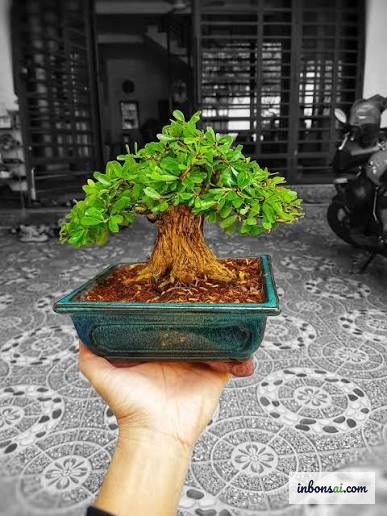
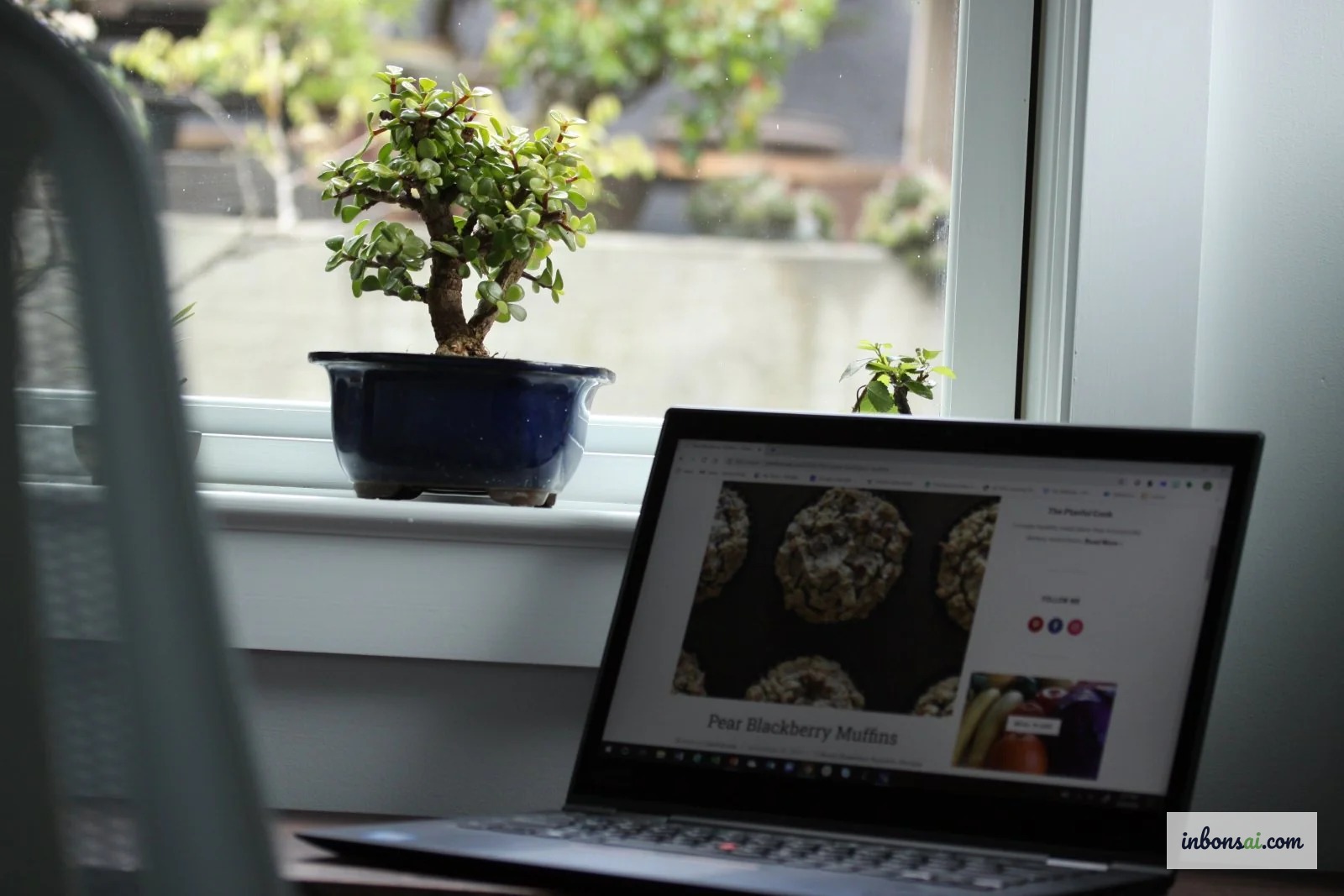
Mini bonsai (usually 10–25 cm tall) take up very little space, fitting neatly in a corner of your desk next to the monitor. You don't need a wide balcony or a garden — just a small spot near a window is enough.
Psychologically, a pot of greenery helps reduce stress and eye strain after long hours staring at a screen. Many workplace studies show that desk plants improve mood and boost concentration. For office workers, this is a simple yet effective form of relaxation therapy.
In addition, mini bonsai carry feng shui value. Green plants symbolize growth and the Wood element, helping balance the energy of a workspace full of electronic devices. Some species such as juniper and cypress are even seen as symbols of resilience and career advancement.
Most importantly, mini bonsai suit a busy lifestyle. You don't have to water every day or prune constantly. Just master a few basic principles and the tree will stay green for years. If you're still torn between indoor and outdoor plants, see the article on choosing bonsai for beginners: indoor or outdoor to understand the traits of each group.
Criteria for choosing easy-care mini bonsai for beginners
Before looking at the list, you need to understand why a species qualifies as "easy to care for." The four criteria below are your compass when choosing a tree.
Tolerance of low light. Offices usually have only fluorescent lighting and little natural sun. An easy-care species must survive in weak or indirect light without dropping its leaves the moment it goes a few days without sun.
Tolerance of short droughts. On weekends you don't come to the office, so the tree must endure 2–3 days without water. Species that store water well in their trunk or leaves are safer than thirsty ones.
Good pest and disease resistance. Beginners have little experience preventing and treating pests, so favor species that rarely suffer from fungus or aphids. A healthy tree will forgive your early mistakes.
Moderate growth rate. A tree that grows too fast demands frequent pruning, while one that grows too slowly is hard to shape. The ideal species for beginners sits in the middle — easy to train without constant intervention.
When a species meets all four factors, you can hardly kill it as long as you water correctly. That is exactly the standard used to select the list below.
Top 10 easy-care mini bonsai for beginners in the office
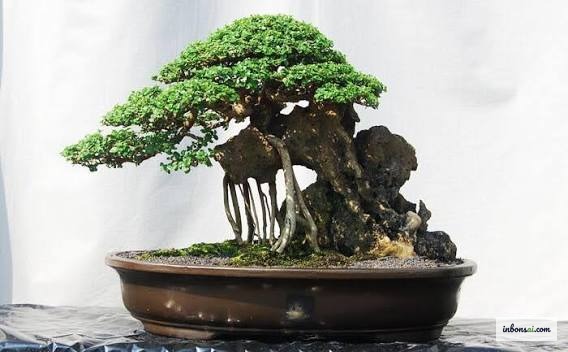
Here is the list of the easiest-care mini bonsai species, ranked by popularity and by how "tough" they are in office conditions.
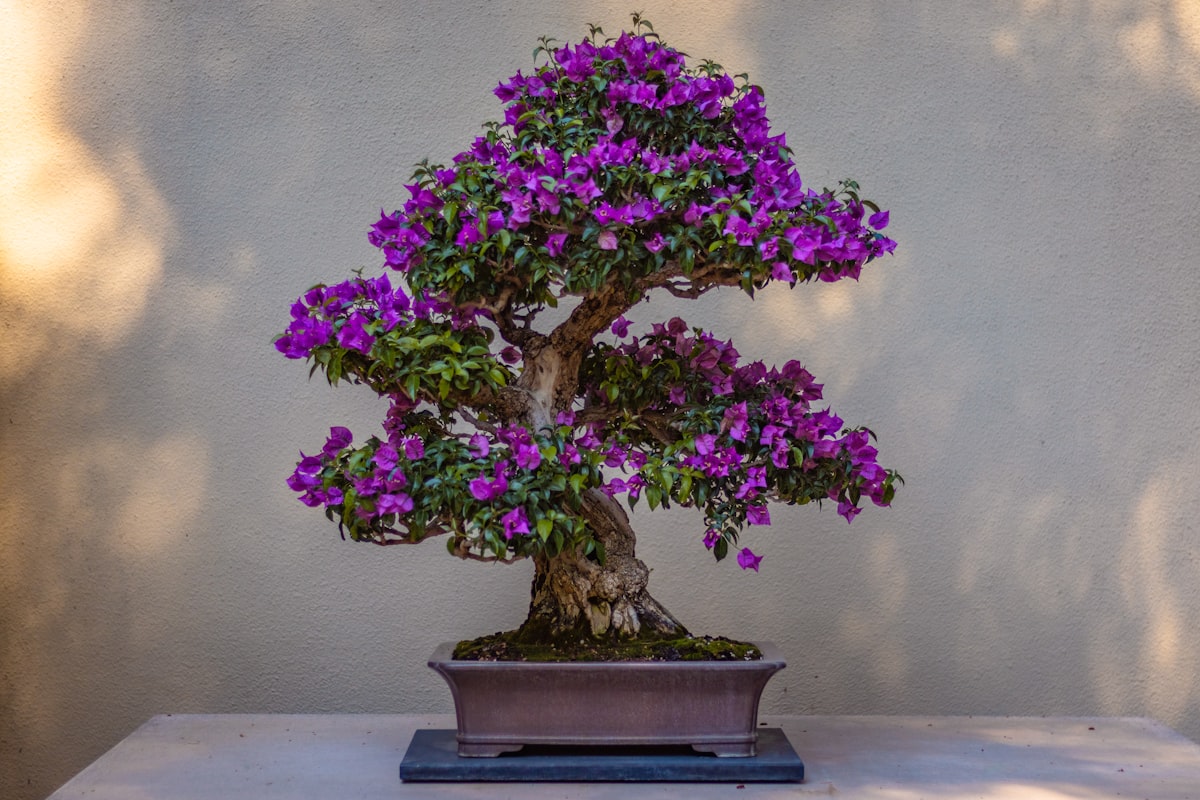
1. Vietnamese tea tree (linh sam, Wrightia religiosa). The national favorite among Vietnamese mini bonsai growers. Linh sam is easy to keep alive, easy to shape, and blooms with beautiful purple flowers. It tolerates sun well but also thrives in indirect light.
2. Fragrant juniper (sam hương). Tiny leaves, a soft natural shape, and a gentle pleasant scent. Sam hương is very durable, rarely troubled by pests, and a safe choice for beginners.
3. Water jasmine (mai chiếu thủy, Wrightia religiosa). Fragrant white flowers, evergreen leaves, and good drought tolerance. This is a classic desk species thanks to its elegant look and resilient vitality.
4. Wrightia (cần thăng). A rugged, ancient-looking trunk, small leaves, and very easy to bend. Cần thăng withstands harsh conditions and recovers quickly after pruning.
5. Buddhist pine (tùng la hán, Podocarpus). A symbol of longevity and advancement. Tùng la hán stays green all year, tolerates partial shade, and suits an office with plenty of lamp light.
6. Aglaia (cây ngâu). Tiny fragrant yellow flowers and a lovely bushy shape. Ngâu is easy to grow, tolerates heat, and needs little fussy care.
7. Mini ficus (sanh / si). Belonging to the ficus family, extremely easy to keep alive and among the best at tolerating low light. This is the ideal species for people who forget to water.
8. Mini guava (cây ổi). Both ornamental and bearing small fruit, with glossy green leaves. Guava bonsai is hardy and undemanding about living conditions.
9. Orange jessamine (nguyệt quế, Murraya paniculata). Intensely fragrant white flowers and deep green leaves. Nguyệt quế tolerates drought fairly well and suits busy people.
10. Mini fig (cây sung, Ficus racemosa). A ficus with thick, water-storing leaves and a symbol of abundance. Mini fig is almost impossible to kill, making it perfect for beginners.
Within this group, ficus species such as sanh, si, and sung are the easiest in low-light environments. If your desk is far from a window, check out the article on bonsai that survive in low-light office interiors to pick the most shade-tolerant species.
How to care for desktop mini bonsai in an office environment
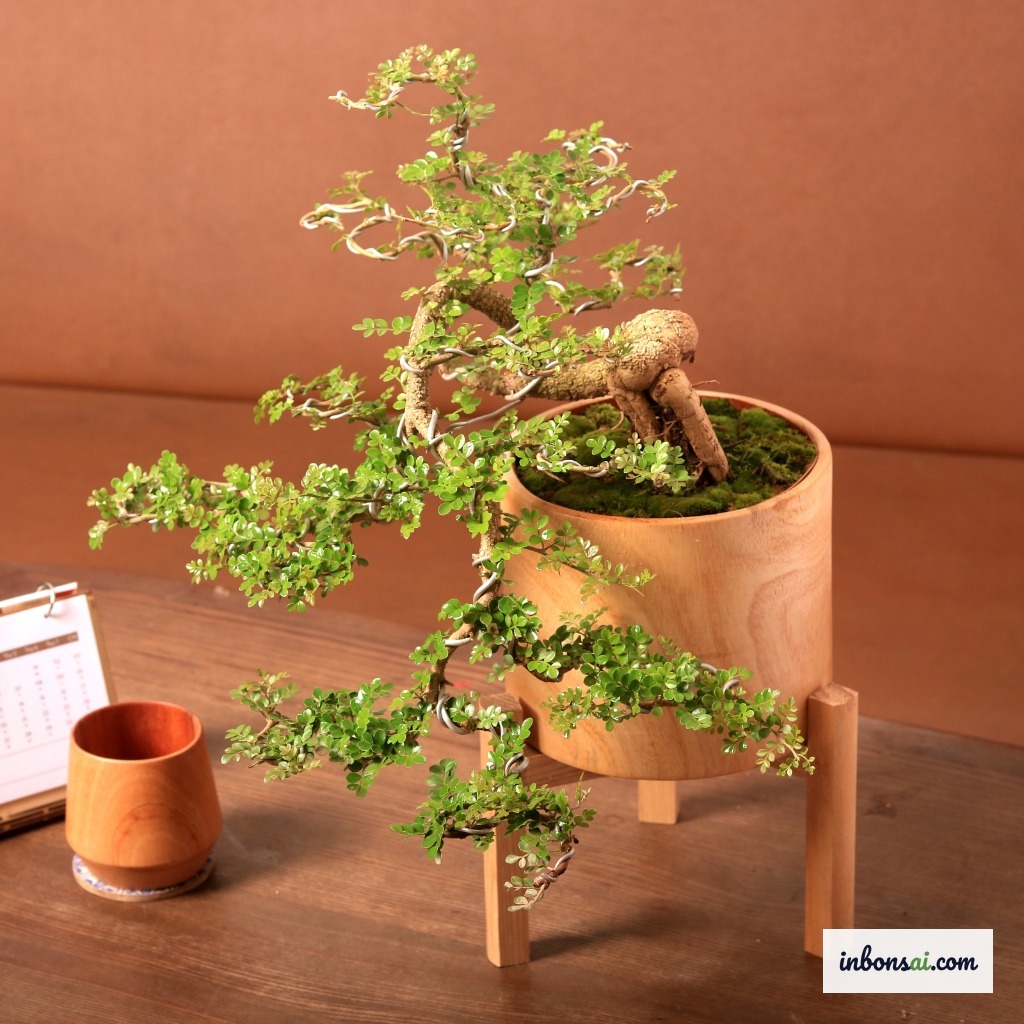
Owning an easy-care species is only half the battle; the other half lies in how you tend the tree day to day. An office poses two big challenges: low light and air conditioning that dries out the air.
On light, place the tree as close to a window as possible, favoring a direction with gentle morning sun. If the office is too dark, take the tree to natural light for a few hours each week, or invest in an LED grow light. You can also read how to choose an LED grow light for low-light bonsai if your desk gets no sun.
On watering, the golden rule is to water only when the soil surface is slightly dry. Stick your finger about 1–2 cm into the soil; if it feels dry, water thoroughly until water runs from the drainage hole. Never water on a rigid schedule, as that easily causes root rot — the number one killer of bonsai.
On humidity, air conditioning draws moisture out strongly, drying the leaf edges. Set the pot on a tray of pebbles with water, or mist the leaves a few times a week. Avoid placing the tree directly under the airflow of an air conditioner.
On nutrition, mini bonsai need a diluted fertilizer applied regularly during the growing season (spring–summer). Use diluted NPK or slow-release fertilizer, avoiding overdoses that scorch the roots.
Common mistakes that cause mini bonsai to die young
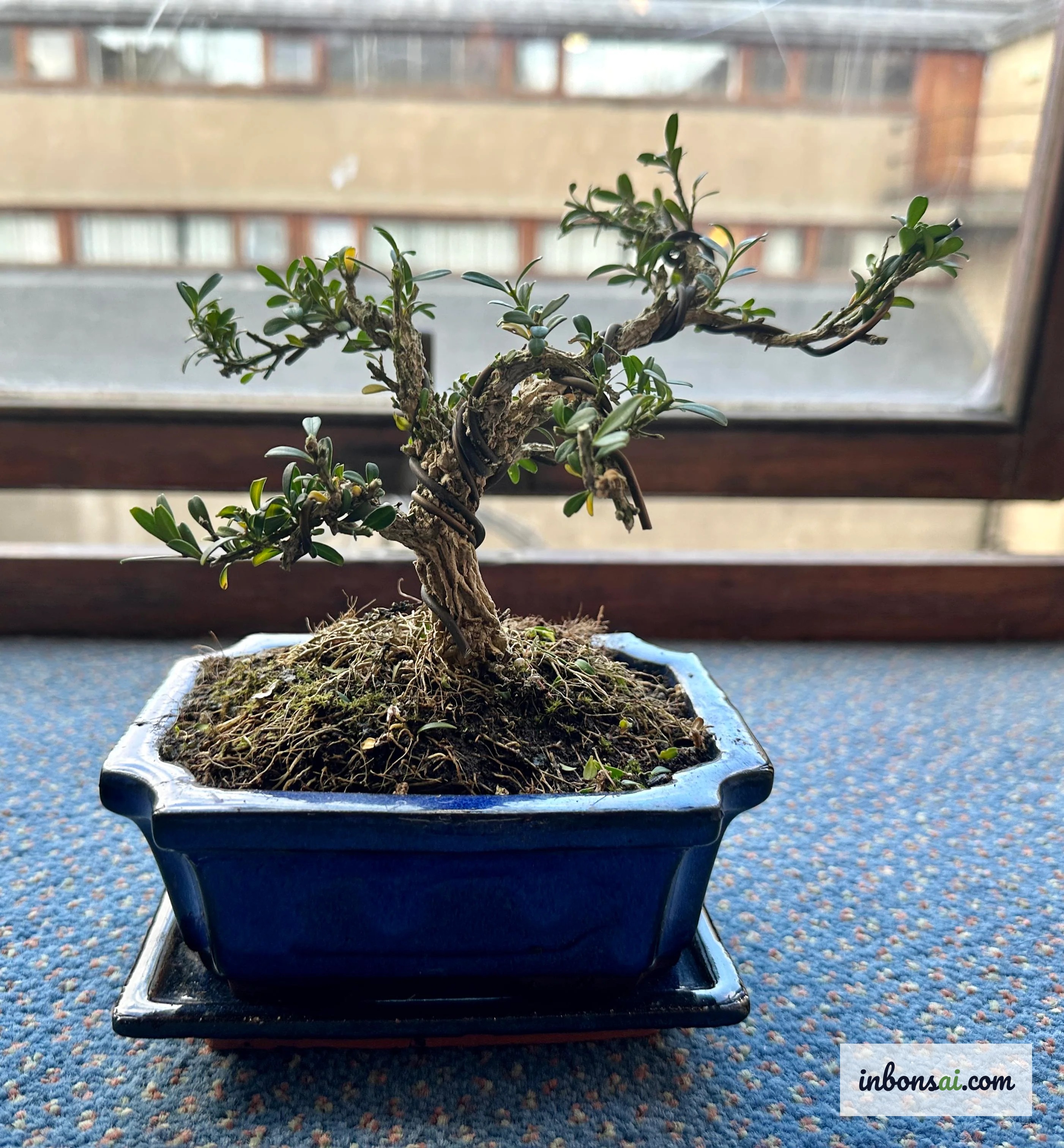
Understanding common mistakes helps you avoid most risks. Below are the errors that almost every beginner has made.
Overwatering. This is the number one "silent killer." Many people fear the tree is thirsty and water every day, leading to root rot and a rotten base. Mini bonsai prefer moderate moisture, not constantly soggy soil.
Leaving the tree in a too-dark spot for too long. Even shade-tolerant species cannot live well forever in complete darkness. Prolonged low light weakens the tree, fades the leaves, and causes them to drop gradually.
Over-fertilizing. The "feed more so it grows faster" mindset is very harmful. Concentrated fertilizer burns the roots and yellows the leaves. With mini bonsai, always dilute more than the instructions and feed less often.
Not repotting periodically. After 1–2 years, the soil in a mini pot is depleted and compacted. If you don't change the soil, the roots cannot breathe and the tree declines. Watch for the signs that it's time to repot so you can act in time.
Placing the tree right under the air conditioner. A cold direct airflow makes leaves lose water fast and scorches the leaf edges. Simply moving the tree a few steps away solves it.
Avoid these five mistakes and you've already covered 90% of the road to successfully caring for mini bonsai.
Essential accessories and tools for desktop mini bonsai
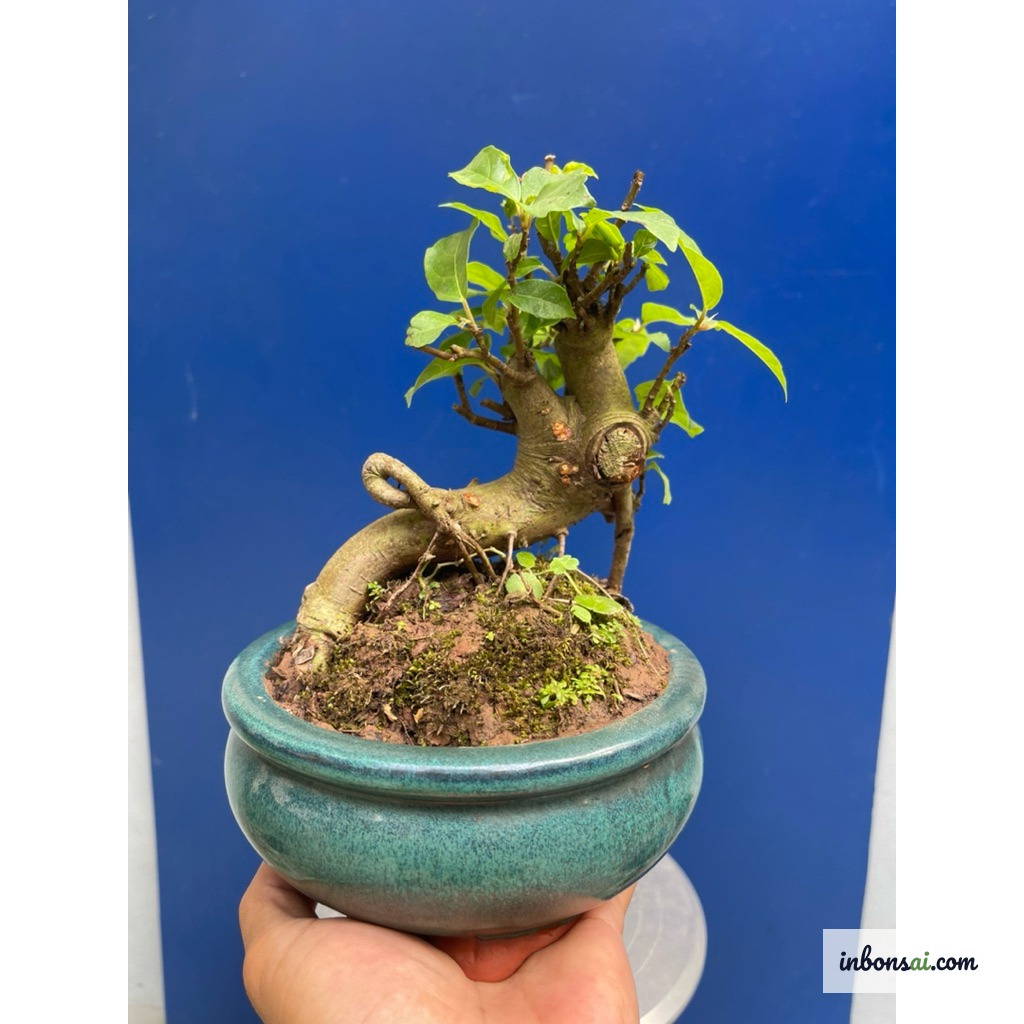
Growing mini bonsai doesn't require a big investment, but a few basic tools make care much easier.
Small pruning shears are indispensable for trimming leaves, cutting excess branches, and keeping the tree's shape tidy. Choose sharp, fine-tipped shears so cuts heal quickly.
A long-spout watering can or a misting bottle lets you water right at the base without splashing soil, while also adding moisture to the leaves. This pair is essential in an air-conditioned environment.
Aluminum training wire is used when you want to shape the tree. Aluminum wire is soft and easy to handle, more suitable for beginners than copper wire.
Good-draining soil and pots determine root health. Specialized bonsai soil (a mix of akadama, light gravel, and rice-husk ash) drains quickly and prevents waterlogging. The pot must have a drainage hole at the bottom.
A humidity pebble tray placed under the pot keeps moisture around the tree, especially useful when the office runs air conditioning all day. It's a small but effective trick for desktop mini bonsai.
With this simple toolkit, you can confidently care for and shape your mini bonsai.
Frequently asked questions about mini bonsai for beginners
How long do mini bonsai live? Cared for correctly, mini bonsai can live for decades, even passing through several generations. Lifespan depends on the species and care, not on the tree's size.
How often should I water? There's no fixed number. Frequency depends on the species, the season, and room humidity. The general rule is to check the soil and water only when the surface is slightly dry. In summer it may be every 1–2 days; in cooler weather, less often.
Do I need to take the tree out into the sun? Yes. Even with a shade-tolerant species, you should give the tree a gentle "sunbath" for a few hours each week so it can photosynthesize and stay healthy. Avoid harsh midday sun.
Which species should a beginner start with? Ficus species such as sanh, si, sung, or linh sam are the safest choices. They are tough, forgive mistakes, and recover quickly.
Are desktop mini bonsai good feng shui? Very much so. Green plants belong to the Wood element, bringing vitality and reducing radiation from electronic devices. Choosing a species that matches your element adds extra luck for your work.
We hope this list of the top 10 easy-care mini bonsai helps you find the right green companion for your work corner. Start with an easygoing species, master how to water, and you'll soon fall in love with this refined hobby.
Tags
#mini-bonsai#desk-bonsai#bonsai-for-beginners#office-bonsai#easy-care-bonsaiGet bonsai guidance every week.
Fresh care guides, styling notes, and bonsai inspiration delivered to your inbox.