
Culinary Herb
KINH GIOI
(Elsholtzia ciliata)
Kinh Gioi (Vietnamese Balm) is a culinary herb grown in many countries. It is eaten fresh alone or mixed with other raw herbs, and is essential for dishes like tofu with shrimp paste and jellyfish salad.
Culinary Herb
Care Notes
Water Needs
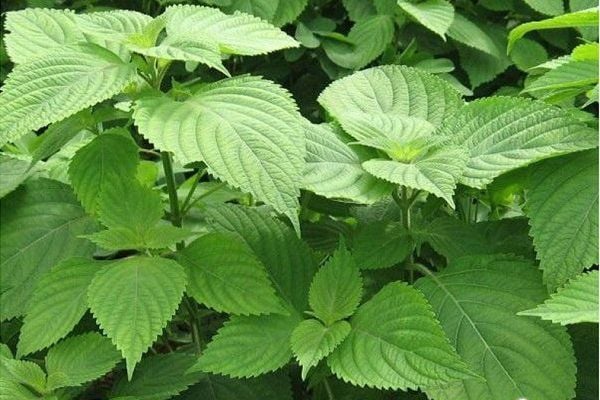
KINH GIOI
Elsholtzia ciliata
1. Characteristics
Herbaceous, 40-50cm tall. Leaves are yellow-green, aromatic, spicy. Light purple flowers.
2. Uses
Culinary spice (raw, with tofu/jellyfish) and medicinal (headache, flu).
3. Cultivation
Spring (Mar-Apr). Seeds or cuttings. Balanced fertilization needed.
I. Uses
Kinh Gioi is a culinary herb cultivated in many countries and Vietnam. It is consumed fresh, either alone or mixed with other herbs. It is indispensable for dishes like shrimp paste tofu and jellyfish salad.
Medicinal Value: Kinh Gioi is also a potential medicinal herb used to treat headaches, colds, aches, dizziness, etc.
II. Biological Characteristics
- Stem & Leaves: Herbaceous, square stems, about 40-50cm high. Strong branching ability, yellow-green leaves with serrated edges, aromatic, spicy taste.
- Flowers: Small, light purple flowers growing in clusters at the branch tips.
- Climate: Prefers warm, mild climates, heat tolerant.
- Soil: Grows well on various soils but best on light, loose, rich soil with pH 5.5 - 7. Moisture-loving but intolerant to waterlogging.
- Nutrition: To enhance aroma, limit nitrogen and increase potassium fertilizers.
III. Cultivation Techniques
1. Season
Mainly planted in warm spring. Best time is March, latest early April.
2. Soil and Fertilizer
Land preparation: Plowed thoroughly, weed-free. Beds 1.1 - 1.2m wide, 0.15 - 0.20m high, furrow 0.25m - 0.30m.
- Decomposed Manure: 1.5 - 2.0 tons
- Superphosphate: 25 - 30kg
- Potassium Chloride: 15 - 17kg
- NPK: 50kg (avoid inorganic nitrogen abuse)
* Basal application: All organic manure, superphosphate, and 1/3 potassium. Mix well with soil before planting. * Top dressing: Can use 50kg oil cake and 15-20kg DAP for top dressing.
3. Propagation
Can be grown from seeds (nursery or direct sowing) or cuttings.
- Nursery sowing: Basal fertilizer (2-3kg/m²). Soak seeds in hot (35-40°C) for 10-12h. Rate 3-4g/m². Transplant after 25-30 days (12-15cm tall).
- Direct sowing: Thin plants when 12-15cm tall, spacing 20-30cm.
- Cuttings: Select semi-hardwood branches, cut into 12-15cm cuttings (3-4 nodes). Spacing 30x20cm, plant obliquely, cover 2/3 of cutting.
4. Care
- Watering: Keep moist after planting. Water every 2-3 days once established. Avoid drying out, drain after heavy rain.
- Weeding: Lightly cultivate and weed regularly once plants recover.
- Top dressing: 12-15 days after germination. After each harvest, apply 15-20kg NPK. Can be dissolved in (1-2%). No fresh manure.
- Pests: Few pests. Fungi may appear in late July-Aug. Use biological or herbal remedies.
IV. Harvest & Seed Saving
- Direct sown: Harvest after 45-50 days.
- Transplanted: Harvest after 50-55 days.
- Cuttings: Harvest after 35-40 days.
- Interval: 25-30 days between harvests.
Select vigorous, pest-free plants with many branches/flowers. Flowering Oct-Nov, seed harvest in Dec. Cut whole plant, dry, thresh seeds, store in cool dry place. Seed yield approx 25-30kg/1,000m².
Conditions
Fertilizer per 1,000m²: Decomposed Manure: 1.5 - 2.0 tons Superphosphate: 25 - 30kg Potassium Chloride: 15 - 17kg NPK: 50kg (avoid inorganic nitrogen abuse) * Basal application: All organic manure, superphosphate, and 1/3 potassium. Mix well with soil before planting. * Top dressing: Can use 50kg oil cake and 15-20kg DAP for top dressing. 3. Propagation Can be grown from seeds (nursery or direct sowing) or cuttings. Nursery sowing: Basal fertilizer (2-3kg/m²). Soak seeds in hot (35-40°C) for 10-12h. Rate 3-4g/m². Transplant after 25-30 days (12-15cm tall). Direct sowing: Thin plants when 12-15cm tall, spacing 20-30cm. Cuttings: Select semi-hardwood branches, cut into 12-15cm cuttings (3-4 nodes). Spacing 30x20cm, plant obliquely, cover 2/3 of cutting. 4. Care Watering: Keep moist after planting. Water every 2-3 days once established. Avoid drying out, drain after heavy rain. Weeding: Lightly cultivate and weed regularly once plants recover. Top dressing: 12-15 days after germination. After each harvest, apply 15-20kg NPK. Can be dissolved in (1-2%). No fresh manure. Pests: Few pests. Fungi may appear in late July-Aug. Use biological or herbal remedies. IV. Harvest & Seed Saving Harvesting: Direct sown: Harvest after 45-50 days. Transplanted: Harvest after 50-55 days. Cuttings: Harvest after 35-40 days. Interval: 25-30 days between harvests. Seed Saving:
Select vigorous, pest-free plants with many branches/flowers. Flowering Oct-Nov, seed harvest in Dec. Cut whole plant, dry, thresh seeds, store in cool dry place. Seed yield approx 25-30kg/1,000m².
Planting
Mar-Apr (Spring).
Care
Water every 2-3 days.
First Harvest
After 50-55 days (seedlings).
Next Harvests
Interval 25-30 days.