
Culinary Herb
RICE PADDY HERB
(NGO / OM)
A staple aromatic herb for sour soups (Canh Chua) and curries. It is an indispensable ingredient in Vietnamese goat meat dishes (Tai De).
Culinary Herb
Care Notes
Water Needs
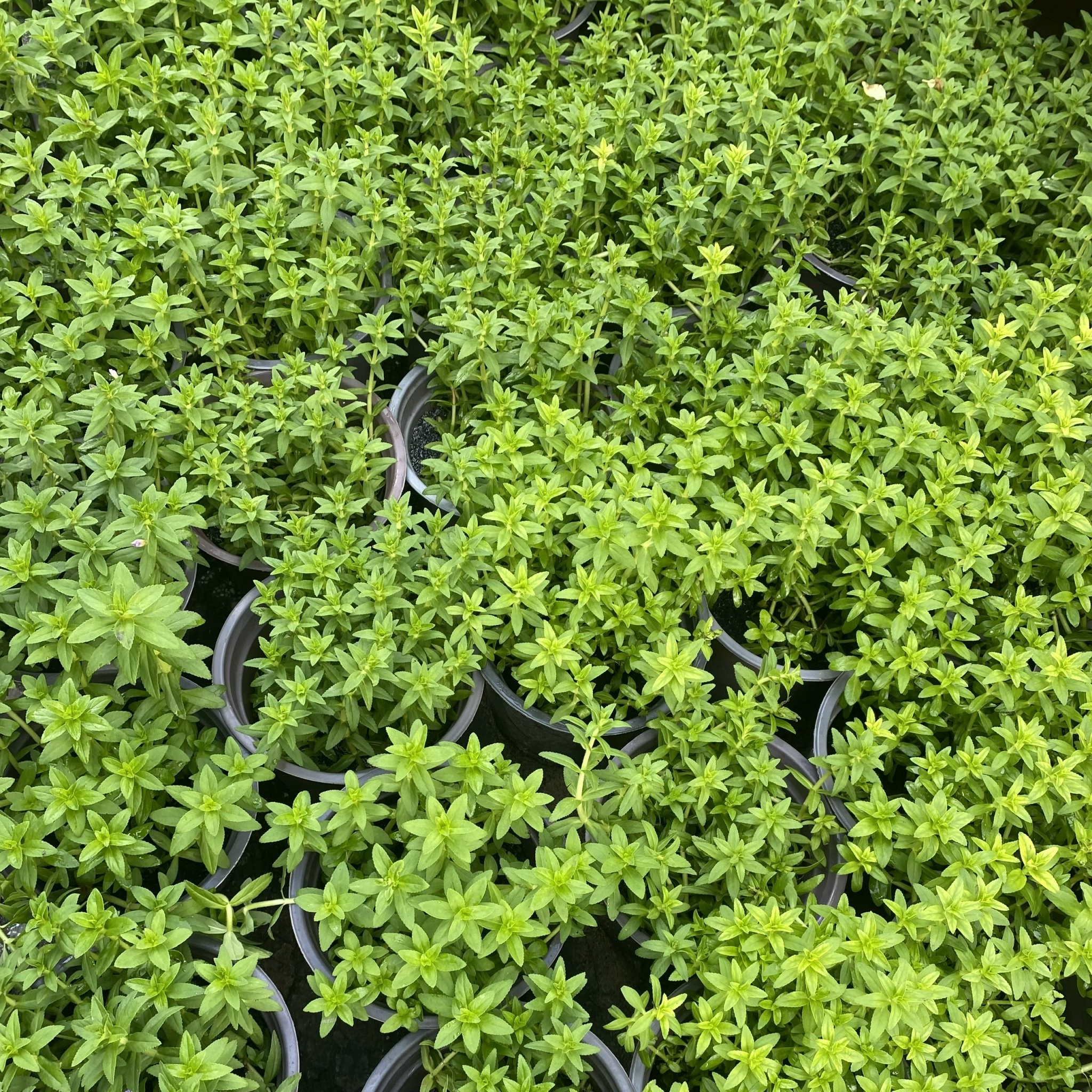
RICE PADDY HERB
NGO / OM
1. Characteristics
Soft hollow stems, hairy. Fibrous aquatic roots. Aromatic serrated leaves.
2. Uses
Culinary spice (sour soups). Medicinal uses for kidney stones, diuretic properties.
3. Technique
Cultivate like wet rice. Maintain depth 4-5cm. Fast regeneration.
I. Uses & Value
Culinary: The "soul" of sour soups (Canh Chua) and fish soups. Essential for goat meat dishes (Tai De) to provide the signature flavor.
Medicinal: Herbal remedy for urinary tract stones, kidney stones, diuretic, and common colds.
II. Biological Characteristics
- Root System: Fibrous roots, short, growing from stem nodes. Highly adapted to aquatic environments.
- Stem: Herbaceous, soft, hollow, white or purple. Leaves and stems have fine hairs that can trap dirt/bacteria, requiring thorough washing. Height 20-30cm.
- Leaves & Flowers: Sessile leaves, serrated margins, light green, opposite or whorled. Flowers in leaf axils, pale purple.
- Environment: Prefers warm climate, heat tolerant. Thrives in ditches, canals, ponds, and wet paddies. Grows well in light loam or pond mud.
III. Cultivation Techniques
1. Season & Soil
- Season: Best planted in February-March. Early planting possible from late January.
- Soil Prep: Prepare wet soil thoroughly like a rice seedling bed, free of weeds.
- Bed Size: Width 1.1-1.5m; Furrows 0.25-0.30m wide.
2. Fertilizers (per 1,000m²)
- Organic Manure: 1.0 - 1.5 tons
- NPK: 30 - 40 kg
- Superphosphate: 15 - 20 kg
- Potassium Chloride: 10 - 15 kg
* Basal application: 100% Organic, Phosphate, 1/3 NPK, 1/3 Potassium. Mix into bed surface before planting.
3. Planting & Care
- Propagation: Vegetative via stem cuttings. Choose healthy 18-20cm stems.
- Planting: Bury at least 2 nodes into soil. Spacing: 10x10cm or 12x10cm.
- Care: - Watering: Maintain 4-5cm level (flood irrigation). Use clean water. - Top Dressing: After 12-15 days (new leaves appear). Apply 7-10kg mixed fertilizer/1000m². Broadcast evenly into water.
- Pests: Generally pest-free. Use integrated pest management; biological controls if needed.
IV. Harvest
- First Harvest: 25-30 days after planting.
- Subsequent Harvests: Every 20-22 days.
- Method: Cut stems leaving 5-6cm base above water/soil. Bundle, trim old leaves, wash effectively.
- Note: Apply nitrogen and potassium after each harvest. Replant when yield declines significantly.
Conditions
Planting
Feb-Mar. Cuttings.
Care
Water depth 4-5cm. Top dress day 12-15.
1st Harvest
Day 25-30.
Next Harvests
Every 20-22 days.