
Ornamental Plant
BELLFLOWER
(Tabebuia aurea)
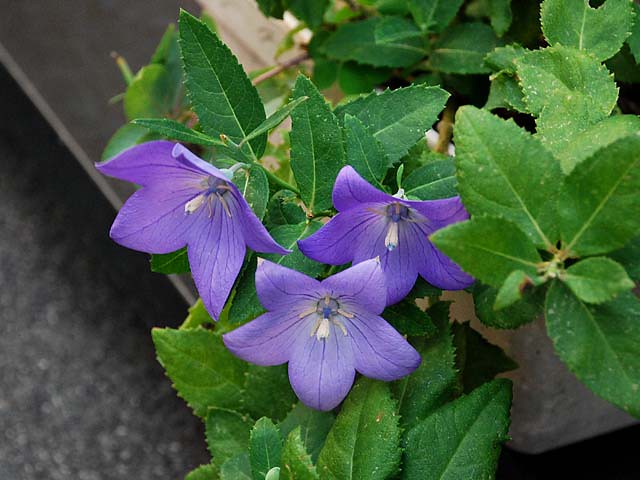
A flowering ornamental plant with long-lasting flowers. Bell-shaped flowers in two color varieties: pale pink and greenish. Ideal for indoor decoration with elegant, refined blooms.
Ornamental Plant
Care Notes
BELLFLOWER
Tabebuia aurea
1. Characteristics
A long-lived perennial flowering ornamental plant. Bell-shaped flowers that resemble delicate chimes in two color varieties: pale pink and greenish shades.
2. Humidity
Bellflower prefers a cool, humid environment. Regular misting is essential to prevent leaf drying. Inadequate humidity can cause wilting and affect plant health and appearance. Maintain moisture consistently.
3. Fertilizing
During the growing season, bellflowers require adequate balanced fertilizer. Apply twice weekly for optimal results. Insufficient fertilizer will affect bloom quality and quantity, reducing ornamental value.
I. PLANT CHARACTERISTICS
Bellflower is a long-lived perennial flowering ornamental plant. Its delicate bell-shaped flowers come in two color varieties: pale pink and greenish shades. The flowers bloom from November through March, providing elegant decoration for indoor spaces. The refined, bell-like appearance of the blooms makes bellflower an excellent choice for home decoration and interior design, appreciated for its graceful aesthetic appeal.
II. GROWING AND CARE TECHNIQUES
1. Temperature
Bellflower thrives best in temperatures between 10-15°C. During winter when temperature drops below 5°C, the plant enters dormancy. In hot summer weather, maintaining cool ambient temperatures and high humidity is crucial to prevent leaf drying and plant decline.
2. Humidity
Bellflower prefers a cool, humid environment. Maintain consistently moist soil and regular misting to prevent leaf drying and wilting. Inadequate humidity will cause leaves to dry and wilt, affecting both the plant's health and aesthetic appeal. Daily misting around the foliage is recommended.
3. Fertilizing
During the growing season, bellflower requires adequate balanced fertilizer. Apply twice weekly for optimal results. Insufficient fertilizer will negatively impact bloom quality, quantity, and overall ornamental value. Regular, consistent fertilizing ensures vibrant, abundant flowering throughout the season.
Living Conditions
Spring
Prepare for blooming phase, apply balanced fertilizer regularly, maintain high humidity.
Summer
Increase misting to maintain humidity, reduce ambient temperature to prevent leaf wilting.
Autumn
Maintain consistent fertilizing, sustain high humidity to prepare for flowering.
Winter
Blooming period, maintain twice-weekly fertilizing, preserve high humidity levels.
Bellflower is ideal for those who appreciate elegant indoor plants with refined, graceful flowers that enhance any living space.