
Culinary Herbs
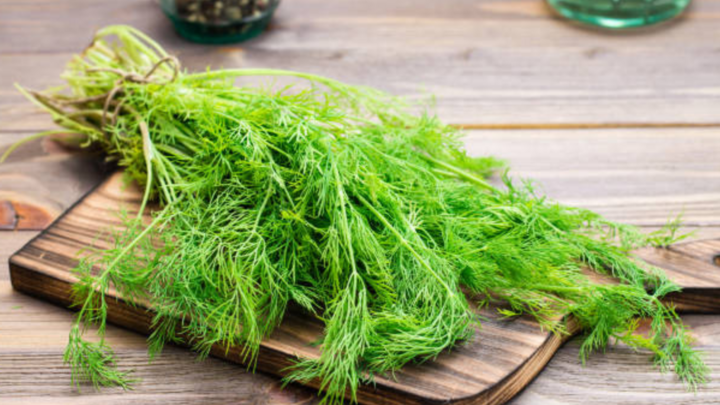
DILL
(Anethum graveolens L)
Belongs to the Apiaceae family. It is a herb mainly used for fish soup, fish porridge... The dish 'Cha Ca La Vong' cannot be without dill.
Culinary Herbs
Care Notes
Water Needs
DILL
Anethum graveolens L
1. Bio Characteristics
Herbaceous, green stem, soft, >1m high when flowering. Needle-shaped leaves, fragrant.
2. Uses
Culinary herb (fish soup, fish cakes), treats cold stomach, bloating.
3. Cultivation
Winter-Spring. Soil pH 5-6.8. Sow broadcast, cover lightly with soil.
I. Uses & Value
Dill is an herb mainly used for fish soup, fish porridge... The dish 'Cha Ca La Vong' cannot be without dill.
Health Benefits: Dill is also used to treat some ailments: cold stomach, bloating, etc.
II. Biological Characteristics
- Stems & Flowers: Herbaceous plant, green soft stem, can grow over 1m high when flowering. Flowers are yellow, growing in umbels.
- Leaves: Needle-shaped leaves, dark green, pleasant fragrance when crushed.
- Climate: Prefers temperate, cool climate, cold-tolerant, not heat-tolerant.
- Water: Moisture-loving plant but does not tolerate waterlogging.
III. Cultivation Techniques
1. Season
- Winter-Spring: September - October (best).
- South: Sow in late November - December.
- Da Lat: Can operate multiple seasons per year.
- Off-season: July - August (needs shelter from rain/sun).
2. Soil & Fertilizers
Soil: Light, loose soil, rich in nutrients, pH 5-6.8. Beds 1.1-1.5m wide.
- Organic: 1.0 - 1.5 tons (Decomposed)
- NPK: 20 - 30kg
- Super phosphate: 20 - 30kg
- Potassium chloride: 15 - 20kg
* Basal dressing: All organic, phosphate, and 1/3 potassium. Mix well with soil.
3. Sowing & Care
- Seed Treatment: Soak in hot 35-40°C for 11-12 hours, wash clean, drain.
- Sowing: 1.3-1.5kg seeds / 1000m². Broadcast, cover with thin soil and straw.
- Care: - Water: 1-2 times/day. - Top dressing: When plants have 2-3 true leaves, use NPK or urea (1%) dissolved in water. Second time when plants have 4-5 leaves. - Top dress potassium during vigorous growth period.
IV. Harvest & Seed Saving
- Harvest: 40-45 days after sowing. Harvest once or thin multiple times. Uproot or cut.
- Standard: One kilogram has 20 small bunches or bundled into 1kg bunches.
- Seed Saving: Sow in October. Spacing 35-40cm. When fruits are ripe, uproot, dry, thresh seeds.
Conditions
Fertilizer per 1,000m²: Organic: 1.0 - 1.5 tons (Decomposed) NPK: 20 - 30kg Super phosphate: 20 - 30kg Potassium chloride: 15 - 20kg * Basal dressing: All organic, phosphate, and 1/3 potassium. Mix well with soil. 3. Sowing & Care Seed Treatment: Soak in hot 35-40°C for 11-12 hours, wash clean, drain. Sowing: 1.3-1.5kg seeds / 1000m². Broadcast, cover with thin soil and straw. Care: - Water: 1-2 times/day. - Top dressing: When plants have 2-3 true leaves, use NPK or urea (1%) dissolved in water. Second time when plants have 4-5 leaves. - Top dress potassium during vigorous growth period. IV. Harvest & Seed Saving Harvest: 40-45 days after sowing. Harvest once or thin multiple times. Uproot or cut. Standard: One kilogram has 20 small bunches or bundled into 1kg bunches. Seed Saving: Sow in October. Spacing 35-40cm. When fruits are ripe, uproot, dry, thresh seeds. Fertilizer (per 1,000m²) 1.0-1.5 Tons Organic 20-30 kg NPK 20-30 kg Super phosphate 15-20 kg K Chloride Process Sowing
Soak 35-40°C, broadcast.
Care
Water 1-2x/day, top dress when 2-3 leaves.
Harvest
After 40-45 days.