Choosing your first bonsai tree is a decision that leaves many beginners confused, and the biggest question is always whether to keep the tree indoors or outdoors. When it comes to the best beginner bonsai trees and choosing indoor vs outdoor, the answer doesn't just depend on taste — it determines whether your tree thrives or withers within a few weeks. This guide will help you understand the key differences, match them to your real living conditions, and pick the most suitable species right from the start.
Most bonsai trees die in beginners' hands not from a lack of advanced skill, but from being placed in the wrong spot: a sun-loving tree trapped in a dark room, or a tropical tree left outside in the cold. Understanding the light and environmental needs of each group is the first step — more important than pruning or wiring.
Indoor vs outdoor bonsai: the core difference
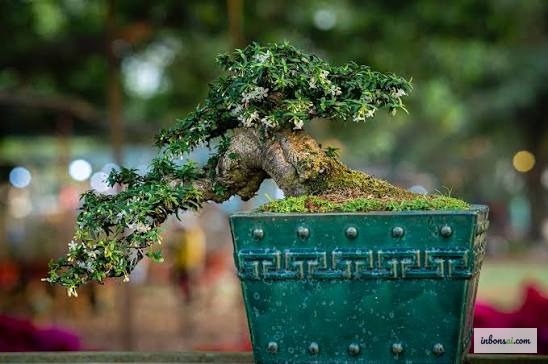
Before choosing a specific species, you need to grasp one fundamental principle: nearly every bonsai is an outdoor tree by nature. Bonsai is not a distinct species but a technique of growing real trees in small pots. So an "indoor bonsai" is really just a tropical or subtropical species that tolerates indoor conditions better than others.
Outdoor bonsai (such as junipers, pines, maples, and temperate species) need the four-season cycle and changing temperatures to stay healthy. They require a winter dormancy period; kept constantly warm indoors, they slowly weaken and die within months. Tropical species like ficus and Chinese elm, by contrast, can live indoors if given enough light.
The most decisive factor is light and humidity. Indoors, light intensity is only a fraction of what's available outside, even by the brightest window. This is why so many beginners fail: they buy a beautiful juniper at the shop, place it on a desk, and the tree slowly dies of light starvation. Understanding this alone helps you avoid the single most common mistake.
How to choose a beginner bonsai: 4 deciding factors
When choosing the best beginner bonsai trees for indoor or outdoor, evaluate these four factors in the priority order below, instead of picking by looks alone.
First, the space and light you have. Be honest about your real conditions: do you have a balcony, rooftop, or sunny garden? Or just a corner desk by a window? If you have no sunny outdoor space, don't try to grow temperate trees. If you do have a bright balcony, far more options open up.
Second, your local climate. In tropical regions, native species like ficus, Chinese elm, and many flowering tropicals thrive outdoors year-round. You won't need to worry about dormancy like in cold climates, but you do need to watch out for harsh summer sun and heavy rainy-season downpours.
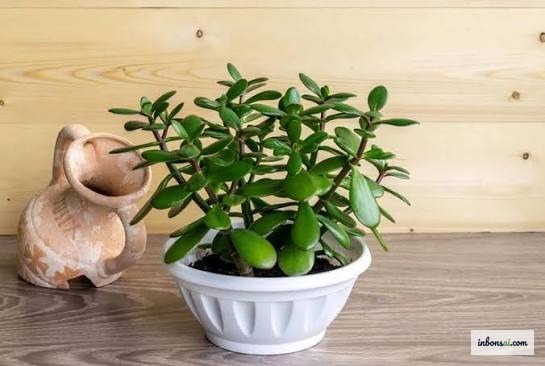
Third, the time you can spare. Some species need daily watering; others tolerate drought well. Busy people should choose easygoing species like ficus or a jade plant bonsai rather than ones demanding constant attention.
Fourth, and only then, shape and aesthetics. Beauty matters, but it should be the last factor after filtering by the three conditions above. A beautiful tree in the wrong environment won't live long enough for you to enjoy it.
Top indoor bonsai species that are easy for beginners
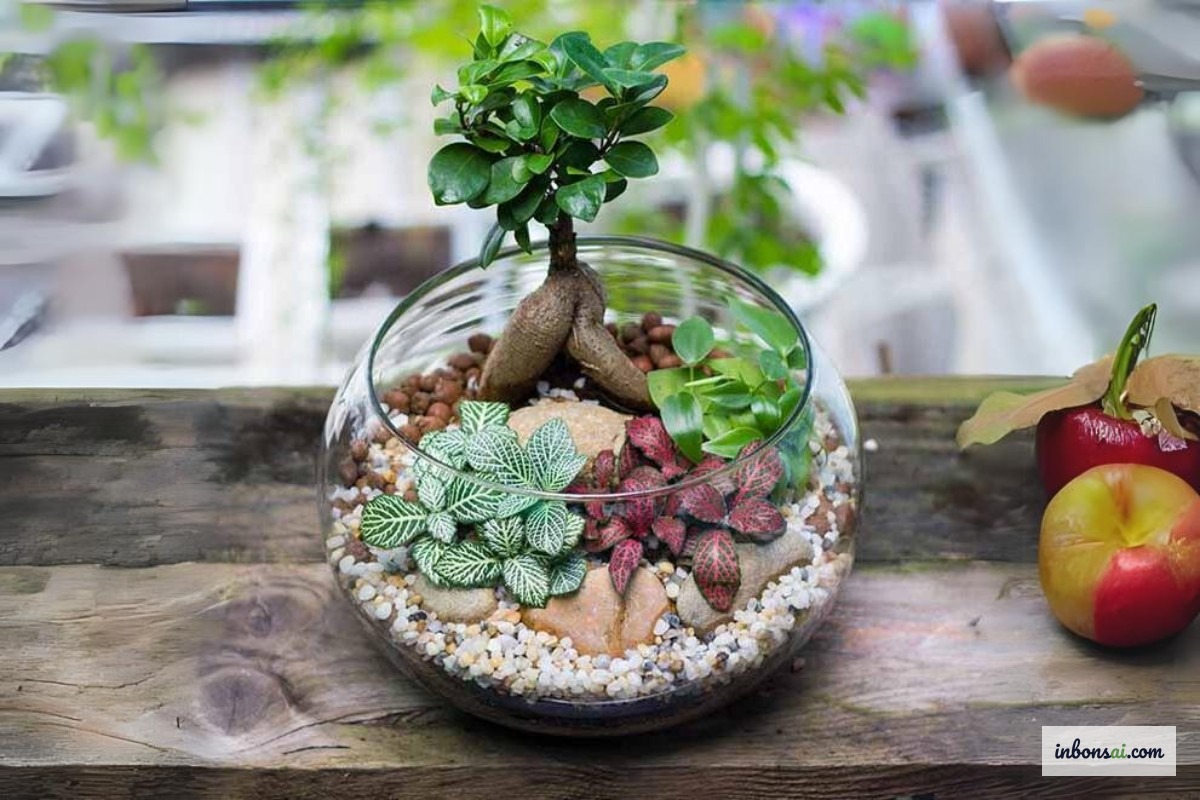
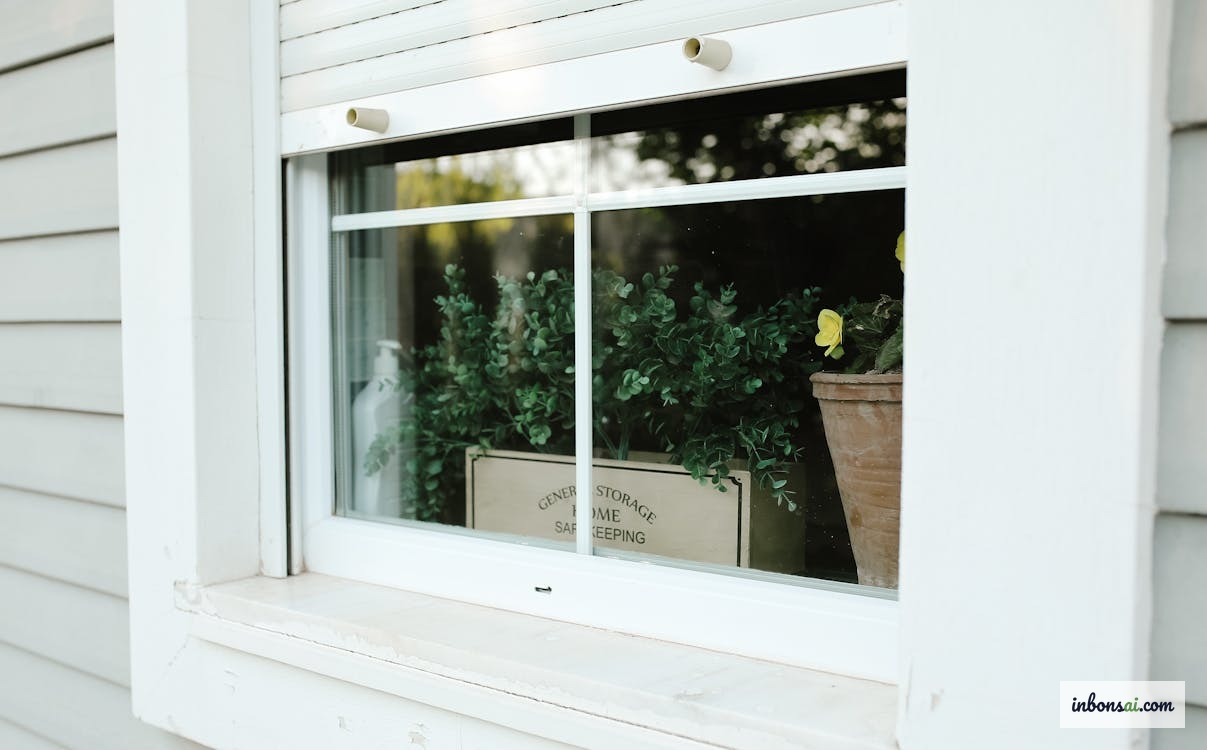
If you only have indoor space, prioritize the shade-tolerant tropical species below. Remember that "indoor" still means placing the tree in the brightest spot possible, ideally right by a sunny window.
Ficus (ficus retusa, ginseng). This is the number-one choice for indoor beginners worldwide. Ficus tolerates low light, forgives irregular watering, and recovers quickly after pruning. With small leaves and a trunk that thickens beautifully, it's very easy to shape.
Chinese elm. Often named the single best all-round beginner bonsai, the Chinese elm has tiny leaves and works both indoors and outdoors if given enough light. It develops an aged, tree-like form quickly and is remarkably hardy.
Jade plant bonsai. If you tend to forget watering, the jade plant (Crassula) is a lifesaver. This drought-tolerant succulent only needs water when the soil is fully dry, making it perfect for an office desk. To learn more about positioning trees in low-light spaces, see our guide on bonsai that survive in low-light office interiors to pick the right spot.
Top outdoor bonsai species that are easy for beginners
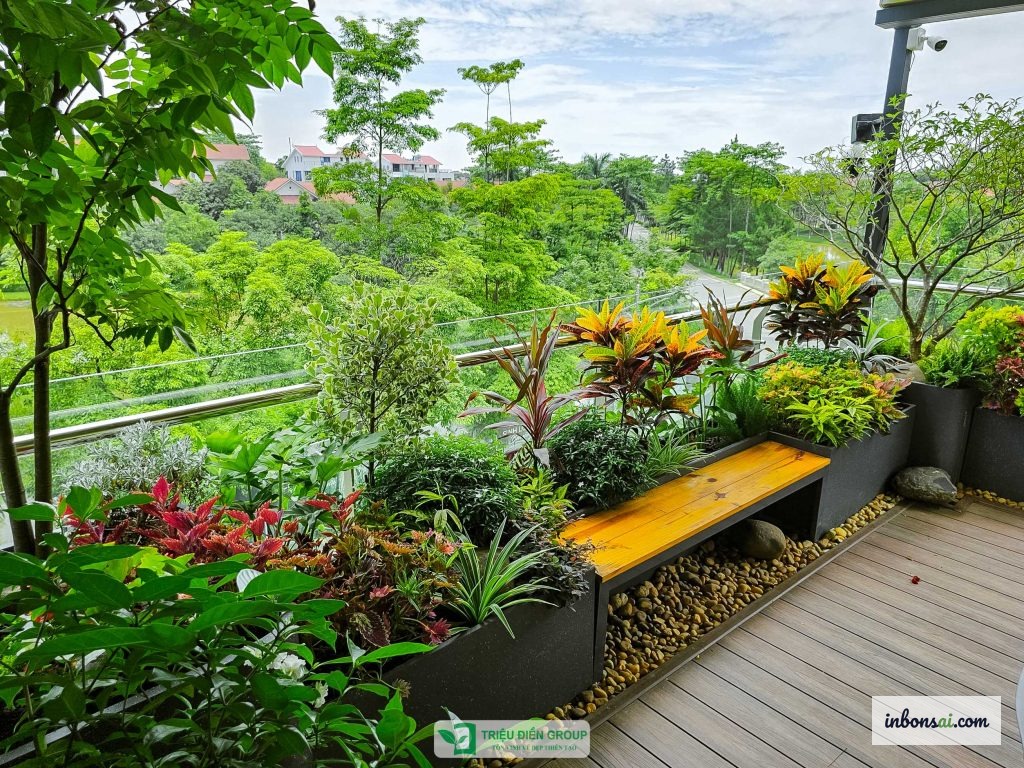
If you have a balcony, rooftop, or sunny garden, the world of outdoor bonsai opens up with species that are far hardier and easier to shape.
Fig (Ficus racemosa). One of the easiest species for beginners, the fig thrives outdoors, produces attractive fruit, and is very forgiving of care mistakes. Its leaves are large, but the stout trunk develops an aged look quickly.
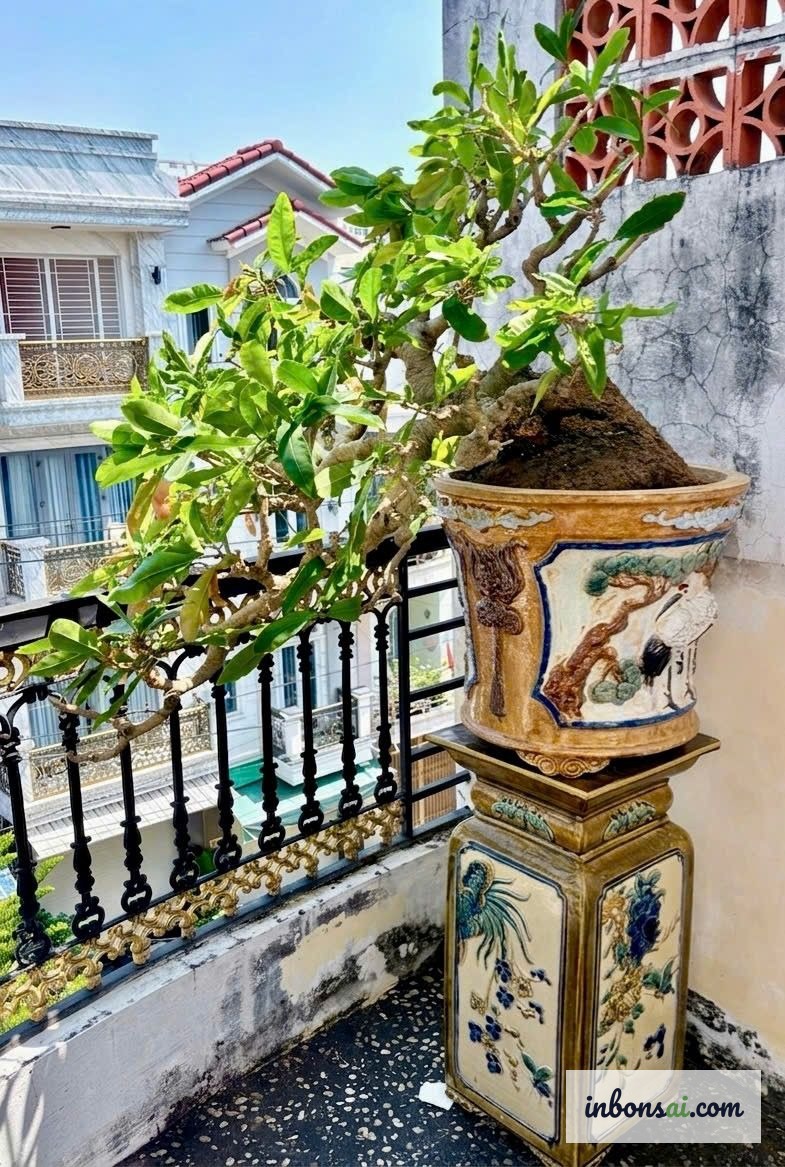
Flowering tropicals (such as linh sam / Vietnamese tea). Popular purple-flowering bonsai live happily in full sun, and their flowering is easily triggered by withholding water. These are excellent choices for beginners who want a tree that blooms.
Wrightia / water jasmine. With small leaves and fragrant white flowers, this species takes the sun well and lives a long time. It's one of the most popular bonsai in warm regions, easy to source and easy to shape.
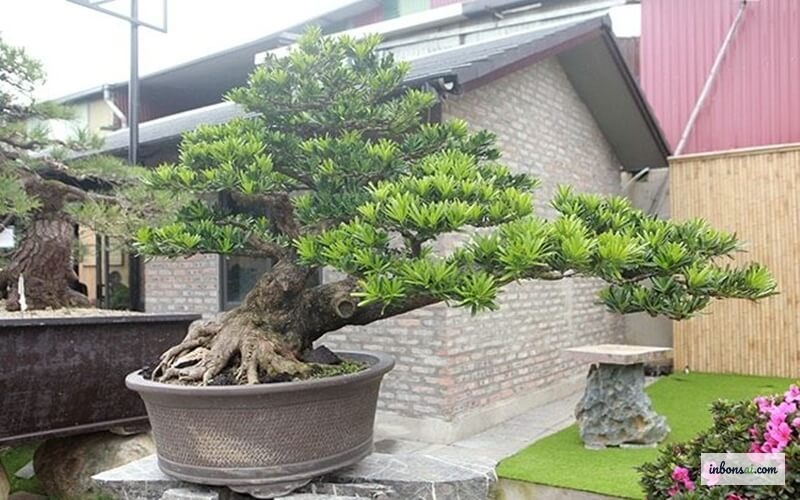
Juniper and pine (for cooler climates). If you live in a cool highland area or want a challenge, junipers are a classic of world bonsai art. However, they need full sun and absolutely cannot be grown indoors. If you're starting out in a hot region, prioritize native species first.
Quick comparison: indoor vs outdoor bonsai
To sum up, the comparison below helps you decide quickly between the two directions. Remember that outdoors is almost always the healthier environment for a tree — choose indoors only when you truly have no outdoor space.
Outdoor bonsai receive full natural sunlight, grow strongly, develop beautiful forms, and live long, but they require you to have a balcony or yard. They're also exposed to weather, so they need shading in summer and protection from waterlogging in the rainy season.
Indoor bonsai are convenient and decorate your living and work spaces beautifully, but they're limited to a few tropical species and always need the brightest possible spot. Indoor trees are usually weaker than the same species grown outside, and should be given periodic "sun baths" when possible.
Practical advice: if you can, keep the tree outdoors and only bring it inside for short display periods. This is how many practitioners keep their indoor trees healthy.
Common mistakes when choosing your first bonsai
Beginners tend to make a few predictable mistakes, and knowing them in advance saves you both money and effort.
Buying a temperate tree to grow indoors. This is the most fatal mistake. A juniper or maple in an air-conditioned room will certainly die. Always ask the seller clearly whether the species is an indoor or outdoor tree before buying.
Choosing a tree too difficult for your experience. Don't start with a species that demands advanced skill or is highly sensitive. Pick a forgiving species like ficus or fig, then increase the difficulty as you gain experience.
Ignoring real light conditions. Many people estimate their room is "bright enough" when it's far from it. If in doubt, choose a shade-tolerant species or consider a grow light.
Buying material that's too large or heavily styled. Beginners should start with small, simple trees to learn care first, rather than investing in an expensive tree that's easy to ruin. See our list of 7 easy-care mini desk bonsai for concrete beginner suggestions.
Advice for your very first bonsai
Once you understand the indoor-versus-outdoor difference, the final advice is simple: start simple and place the tree in the right environment from day one. A healthy ficus in the right spot will teach you more than a rare tree that dies young from the wrong placement.
Spend the first few weeks simply observing how the tree reacts to your light, water, and environment. Water when the soil begins to dry, make sure the tree gets enough light, and don't rush into pruning or wiring before the tree settles. Once you're comfortable with an easygoing species, you'll have the confidence to expand into more challenging ones. For long-term care, don't forget to learn when to repot a bonsai and the signs to watch for as your tree grows.
Choosing the right first bonsai isn't hard if you prioritize the living environment over beauty. Be honest about your space and time, pick a forgiving species, and you'll have a solid start on a long bonsai journey.
Tags
#beginner-bonsai#indoor-bonsai#outdoor-bonsai#choosing-bonsai-treeGet bonsai guidance every week.
Fresh care guides, styling notes, and bonsai inspiration delivered to your inbox.