During Vietnam's summer, outdoor temperatures can climb above 38–40°C, draining many ornamental trees within just a few days. Bonsai heat stress in summer is the leading reason hobbyists lose trees even when they water diligently. Spotting the warning signs early and acting fast is what separates saving a tree from losing a work of art you nurtured for years.
This guide teaches you how to read your tree's distress signals, distinguish heat stress from problems that look similar, and apply a step-by-step rescue routine proven by experienced growers.
What bonsai summer heat stress is and why it's dangerous
Heat stress occurs when the ambient temperature rises too fast and too high, exceeding the tree's tolerance. Unlike simple dehydration, heat stress disrupts the entire physiology: stomata close to reduce transpiration, photosynthesis stalls, and young roots are effectively "cooked" inside the hot soil mass.
Bonsai are especially vulnerable because they grow in shallow pots with little soil, so the root ball heats up very quickly. A ceramic pot in direct sun can reach 45–50°C at the root zone — enough to kill the delicate feeder hairs responsible for absorbing water.
The danger lies in how the tree still "looks fine" for the first day or two, then collapses suddenly. By the time leaves wilt en masse, the roots are usually already significantly damaged. That's why you must intervene at the very first sign rather than wait for the tree to "recover on its own."
Signs of bonsai summer heat stress
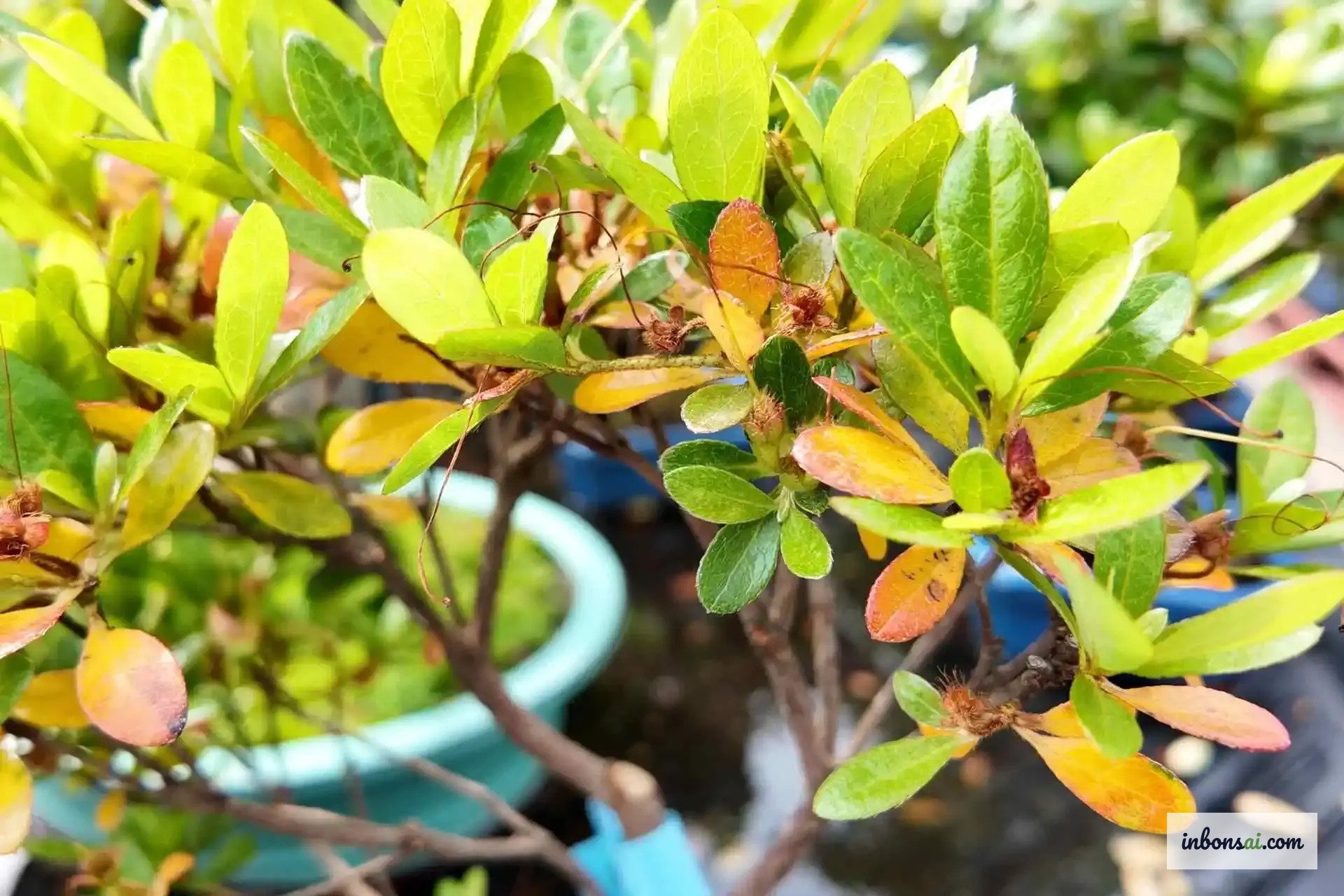
Learning to read the signs of bonsai summer heat stress lets you act before the damage becomes irreversible. Symptoms usually appear in sequence from mild to severe.
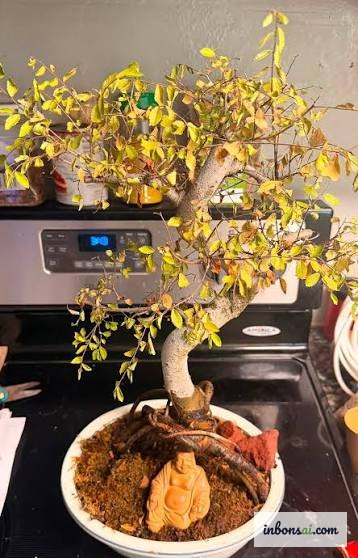
The earliest symptom is leaves wilting at midday but recovering in the evening. If this repeats over several days, the tree is signaling its heat tolerance has hit the ceiling. Next, leaf edges turn yellow-brown and become crisp, especially on leaves in direct sun.
As it worsens, you'll see brown scorch blotches spreading across the leaf blade, young leaves curling, and shoot tips stalling even in the middle of the growing season. Some trees develop vertical cracks on the trunk that ooze sap on thin bark exposed to sun.
The most dangerous sign is the tree putting out no new growth despite adequate watering while the soil stays moist. This shows the root system is damaged and can no longer pull water up to the canopy. When you see this, switch to the emergency rescue routine immediately.
Telling heat stress apart from dehydration and pests
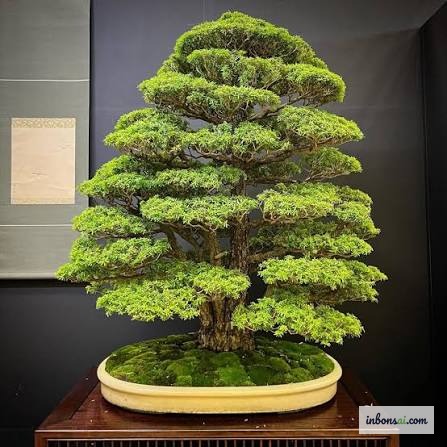
Many people add more water when they see wilting, but if the cause is heat stress plus root rot, extra water only kills the tree faster. So a correct diagnosis is the pivotal step.
With simple dehydration, the soil is clearly dry, the whole tree wilts, and it recovers quickly within 1–2 hours of watering. With heat stress, the soil may still be moist yet the leaves stay limp, because the roots have lost their ability to absorb water. Push a finger deep into the root ball to check moisture before you decide.
Unlike pests, heat stress leaves no webbing (spider mites), no white powder (mealybugs), and no chewed holes (leaf-eating caterpillars). Heat damage is usually symmetrical and concentrated on the sun-facing side, whereas pests spread randomly.
A quick test: if symptoms appear abruptly after a hot spell and are worst on the west-facing side (afternoon sun), it's almost certainly heat stress. See also how to care for bonsai in May and June during extreme heat to understand the weather context that makes trees prone to stress.
Step-by-step routine to rescue a heat-stressed bonsai in time
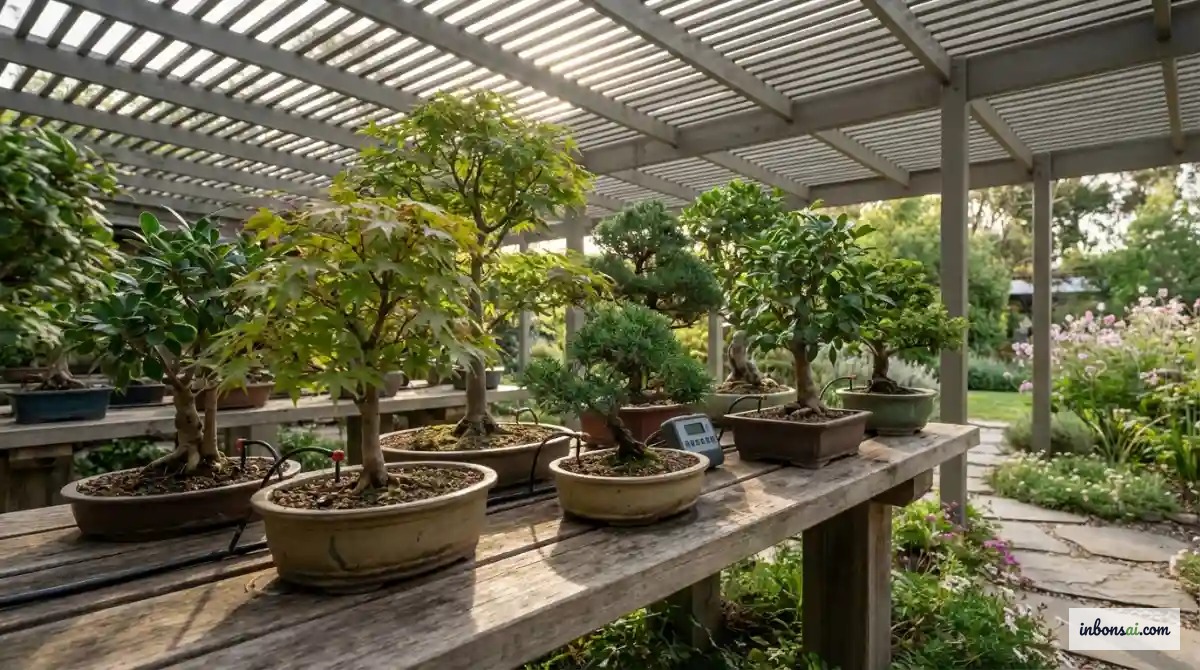
Once you've confirmed heat stress, carry out the rescue routine below right away. The speed of your intervention determines the survival rate.
Step 1: Move the tree into shade immediately
Take the tree to a cool, shaded, breezy spot with no direct sun at all. Ideally under a large canopy or an east-facing porch. Never bring it into an air-conditioned room — a sudden temperature swing is another shock.
Step 2: Cool the root ball gradually
Water thoroughly with cool (not icy) water to bring down the root-zone temperature. You can set the whole pot in a shallow tray of water for 15–20 minutes so the soil soaks evenly. Mist the canopy to lower surface heat, but avoid misting while the sun is still strong to prevent leaf burn from a lens effect.
Step 3: Stop fertilizing and hard pruning
A depleted tree cannot process fertilizer — feeding now will "burn" the roots. Stop all fertilizer for at least 2–3 weeks. Likewise, don't prune hard; only trim away scorched, dead leaves to ease the transpiration load.
Step 4: Support root recovery
Spray or water a rooting tonic such as vitamin B1 or Atonik at a dilute dose per the label. These products stimulate new root growth and reduce stress, but they don't replace shading and cooling.
Recovery care after rescuing a heat-stressed bonsai
Bringing the tree through the crisis is only half the journey. The recovery phase lasts 3–6 weeks and demands patience and close monitoring.
In the first week, keep the tree entirely in shade and water according to actual need, not a fixed schedule. Check soil moisture every morning: water only when the surface layer is slightly dry. Overwatering while roots are weak causes root rot — the common complication that kills a tree after a successful rescue.
From the second week, if the tree starts pushing out new shoots, that's a sign the roots are recovering. Now you can give it gentle morning sun (before 9 a.m.) for about 1–2 hours a day, increasing gradually so the tree re-acclimates to strong light.
Only resume fertilizing once the tree has put out at least one stable flush of new leaves, starting with a quarter-strength dilute feed. See also the seasonal bonsai fertilizing calendar to choose the right fertilizer for the recovery phase. Avoid repotting or styling cuts until the tree is fully healthy again — usually by the cooler autumn.
How to prevent summer heat stress in bonsai
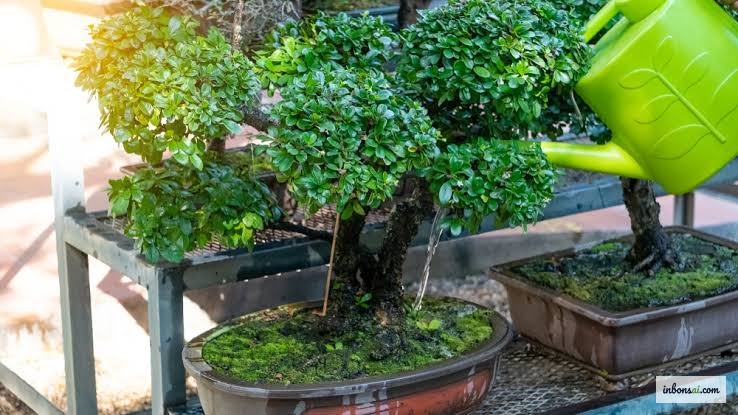
Prevention is always easier than cure. A few simple adjustments before and during summer will help bonsai weather the heat safely.
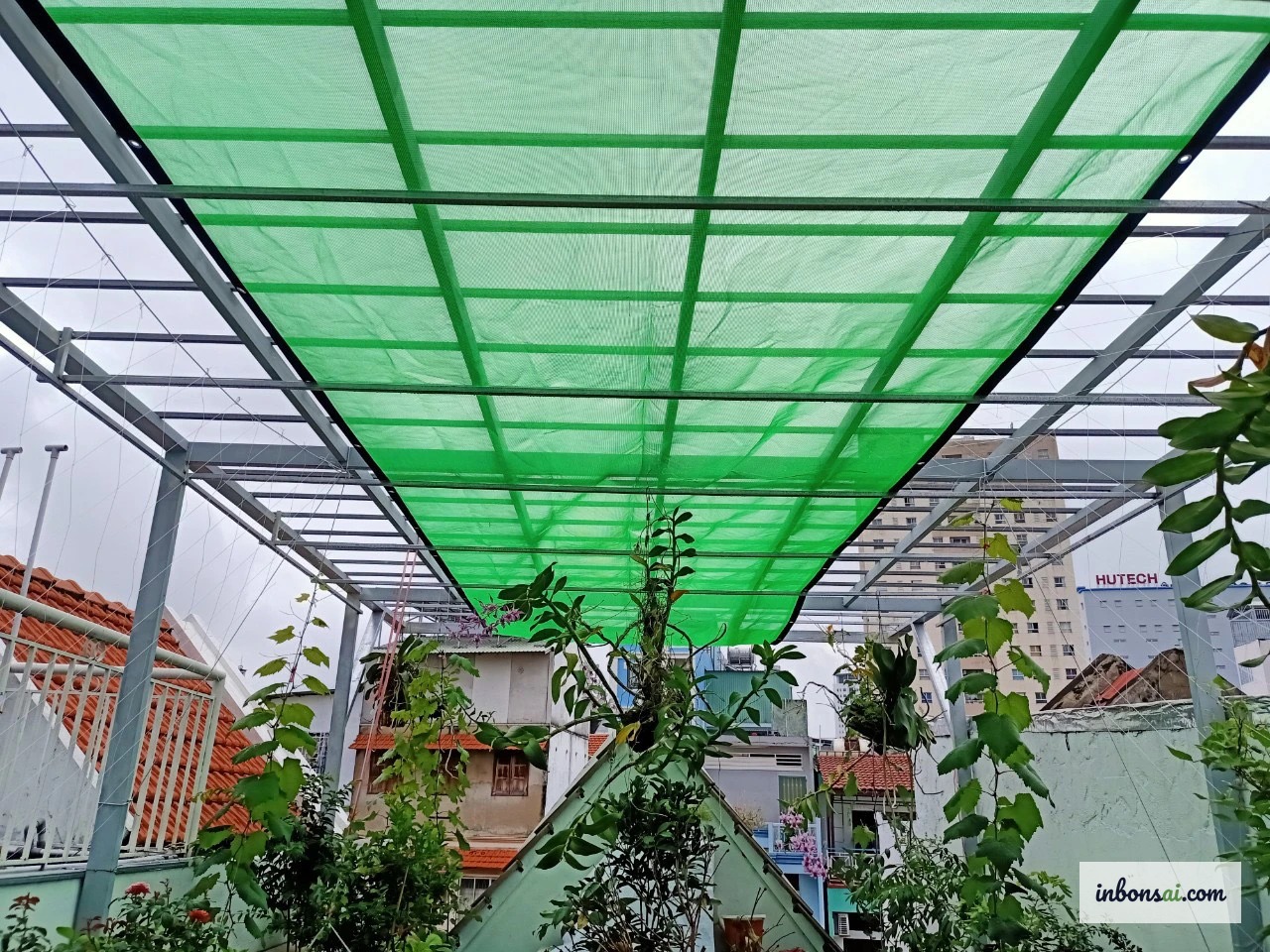
First, set up 50–70% shade cloth over the display area, especially from 11 a.m. to 3 p.m. when the sun is fiercest. Shade cloth both lowers the temperature and filters harmful UV. For prized trees, you can move them to a spot that only gets morning sun.
Second, keep the root ball cool by raising pots on airy stands instead of placing them directly on heat-absorbing concrete. A thin layer of moss over the soil surface helps retain moisture and insulates the roots. Grouping pots together also creates a cooler, more humid microclimate.
Third, adjust your watering schedule by season: water during the golden hours of early morning (6–7 a.m.) and the cool evening (after 5 p.m.), avoiding midday. Check trees twice a day during peak heat waves. See also how to care for bonsai in September and October to boost autumn growth to help the tree regain vigor after a harsh summer.
With careful preparation and the ability to recognize the signs of bonsai summer heat stress early, you can fully protect your creations through the hot season and welcome a vigorous autumn of growth.
Tags
#bonsai-heat-stress#summer-bonsai-care#rescue-bonsai#seasonal-careGet bonsai guidance every week.
Fresh care guides, styling notes, and bonsai inspiration delivered to your inbox.