
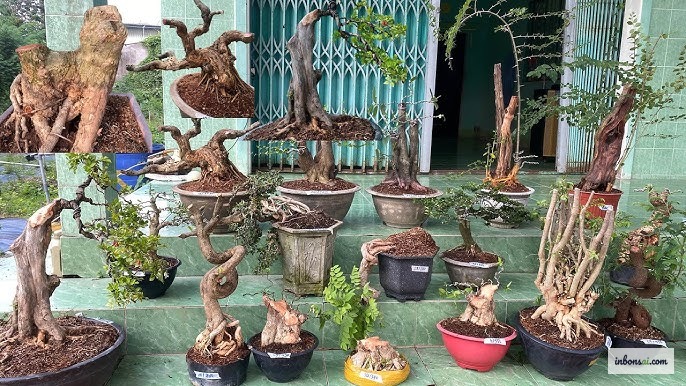
How to Choose and Buy Quality Bonsai Trees

InBonsai Team
April 20, 2026 · 10 min read
Walking into a bonsai garden or browsing plant websites, you can easily be drawn in by dozens of trees with eye-catching shapes and varying price points. But how do you choose and buy quality bonsai — not just based on appearance, but ensuring the tree is healthy and will thrive at home? This is the question most beginners face. This article will equip you with the specific knowledge to purchase a bonsai tree that is truly worth every penny spent.
Why Knowing How to Choose Quality Bonsai Matters
Not every bonsai that looks attractive is truly a quality tree. Many trees sold on the market are simply ordinary plants that have been quickly wired a few times, or cheap imported trees that haven’t yet adapted to local conditions. Inexperienced buyers are easily attracted by a beautiful exterior while missing subtle signs that the tree is weak or unlikely to develop properly.
Moreover, bonsai is a long-term investment — a truly beautiful bonsai can be cared for and shaped over many years, even multiple generations. Making the wrong choice from the start means losing not just money, but also significant time and effort trying to “rescue” a tree that never met the standard in the first place.
Understanding how to choose bonsai also helps you communicate better with sellers, identify reputable sources, and make smart purchasing decisions regardless of your budget. This foundation is essential before you reach for any tree.
Six Golden Criteria for Evaluating Bonsai Quality
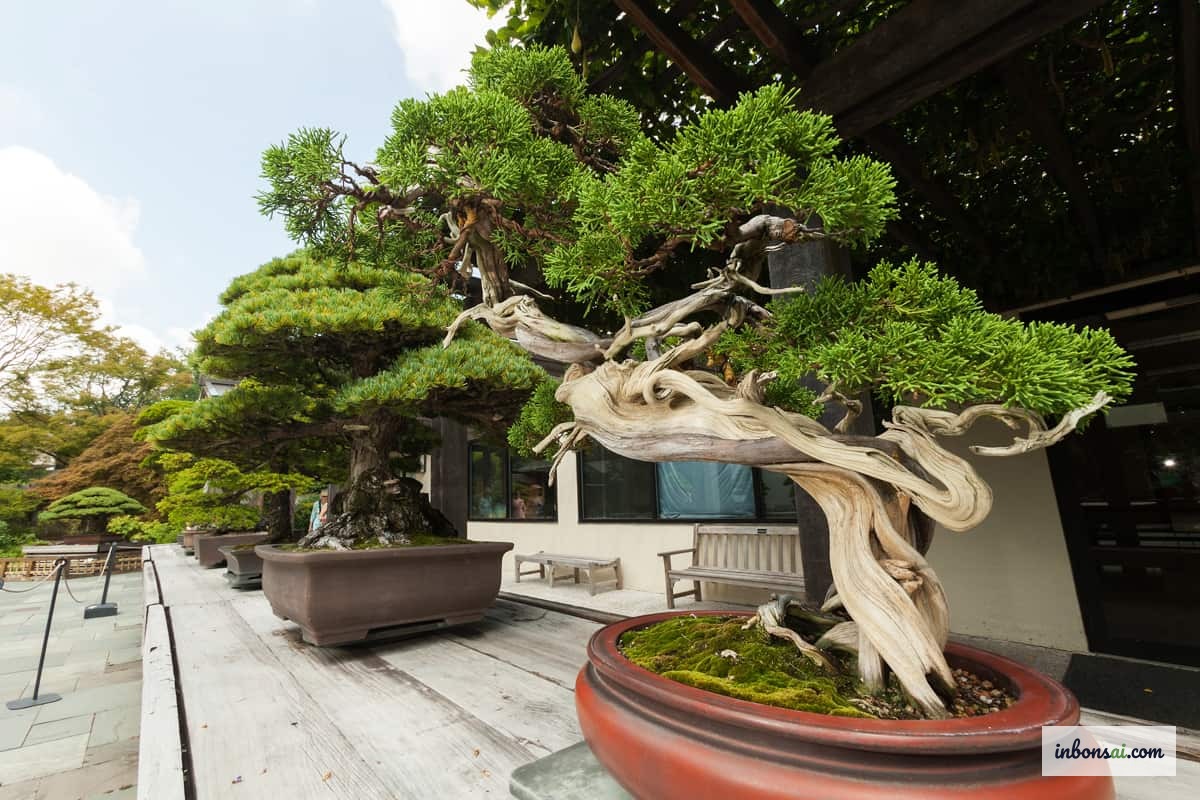
Whether you’re looking at a small desktop bonsai or a large specimen tree, there are six core criteria for evaluating quality:
1. Trunk Taper The trunk should gradually narrow from base to apex — thick at the bottom, progressively smaller toward the top. This is the most important aesthetic element of any bonsai. A perfectly straight trunk with no taper is usually a sign of a tree that hasn’t been properly trained.
2. Nebari (Surface Roots) Roots that spread evenly in all directions indicate a tree that has developed over many years and been properly cared for. Avoid trees with rotted roots, roots that spiral around each other, or no visible nebari.
3. Healthy, Proportionate Foliage Lush green leaves with no yellowing or disease spots, and leaves that are small relative to the trunk, are signs of a healthy bonsai. Leaves that are disproportionately large compared to the trunk usually indicate a tree that hasn’t been properly reduced through years of defoliation.
4. Beautiful Branch Structure Branches should have natural “triangular” distribution — thicker at the bottom, finer at the top, with multiple levels of ramification. No clumsily crossing branches or stiffly bent branches from excessively aggressive wiring.
5. Appropriate Pot The pot is not just a container — it’s part of the composition. The size, color, and style of the pot must complement the tree’s beauty, not overwhelm it.
6. Clear Development History If possible, ask the seller about the tree’s age, origin (nursery-grown or collected from nature), and training history. A tree with a clear provenance is generally more trustworthy than one with no information at all.
Identifying Healthy Roots, Trunk, and Branches
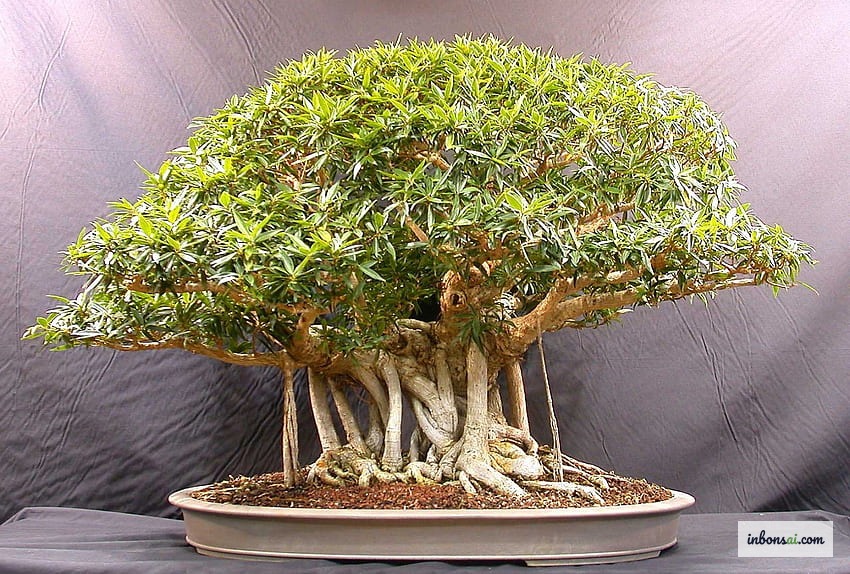
When examining bonsai in person, closely observe three key areas:
Roots: Gently check the soil surface in the pot. The soil should be neither too wet (risk of root rot) nor cracked from dryness (tree under stress). Surface roots must be firm, not spongy or decayed. If you see roots with dark brown-black coloring and an unpleasant odor — this signals serious root rot. Do not buy, regardless of how low the price is.
Trunk: The bark should have a “mature” appearance with natural patterns and texture. The trunk must be firm, not soft or showing any signs of decay. Some species like pines and junipers have naturally rough, furrowed bark — this is an attractive characteristic, not a disease. Be cautious of trunks with large unhealed wounds or fresh-cut wounds — the seller may be hiding a flaw.
Branches and Leaves: Branches should curve naturally without any breaks or cracks. Check the undersides of leaves for pests — aphids and spider mites often hide on the undersides of young leaves. These issues can be treated, but knowing about them lets you negotiate a fair price and prepare treatment early.
Additionally, try gently tilting the pot to see if roots are growing through the drainage holes. Extensive root penetration indicates the tree hasn’t been repotted in a long time — not necessarily bad, but you’ll need to repot soon after purchase.
If you want to learn more about care techniques after buying, the article on how to care for mini bonsai at home for beginners will be very helpful to prepare.
Choosing the Right Bonsai Species for Your Living Space
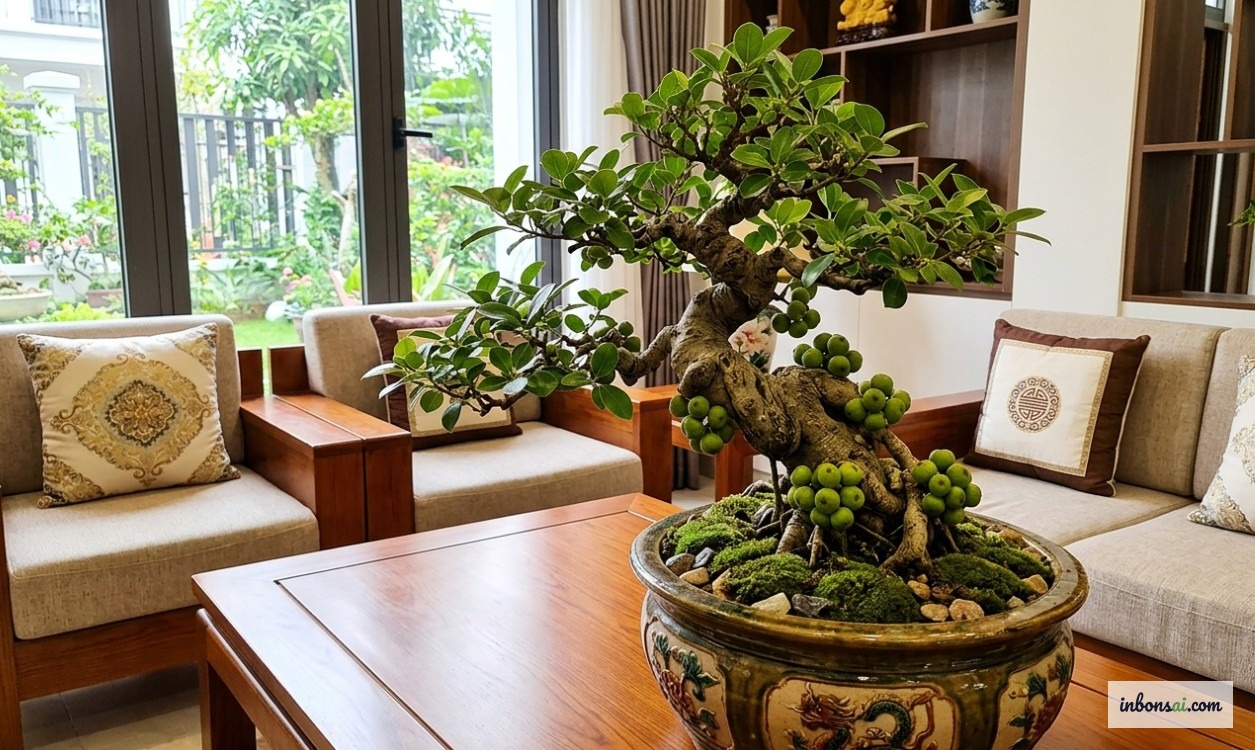
One of the most common mistakes when buying bonsai is being captivated by a tree’s beauty without considering the living conditions at home. Each species has its own requirements for light, humidity, and temperature.
For beginners in apartments with limited natural light:
- Ficus (Ficus microcarpa) — very adaptable, tolerates artificial lighting well
- Bodhi fig (Ficus racemosa) — similar to ficus, robust and easy to style
- Chinese Elm (Ulmus parvifolia) — handles indoor conditions well, small elegant leaves
For outdoor spaces and sun-drenched balconies:
- Vietnamese apricot (Ochna integerrima) — needs plenty of sun to bloom beautifully
- Common barringtonia (Barringtonia) — thrives outdoors in well-ventilated spaces
- Fukien Tea (Carmona retusa) — needs at least 4 hours of direct sunlight daily
For office environments and desk setups:
- Tamarind (Tamarindus indica) — small delicate leaves, tolerates air-conditioned environments
- Mini carambola (Averrhoa carambola) — interesting form, tolerates moderate light
Why does this matter? Even if you buy the most beautiful tree, if the living conditions don’t suit it, the tree will gradually weaken and lose its beauty within a few months. Answer the question “Where will I place this tree?” before asking “Which tree should I buy?”
If you’re not sure where to start, check out the guide on getting started with bonsai for beginners for an overview before making your purchase.
Distinguishing Real Quality Bonsai from Inferior Ones
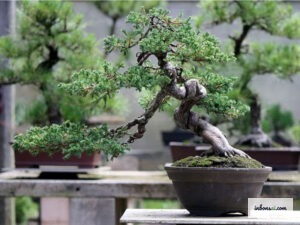
The bonsai market offers many quality levels. To avoid purchasing inferior bonsai, learn to recognize these signs:
Signs of poor quality bonsai:
- Completely straight trunk with no taper, branches bent at unnatural sharp angles
- Metal wire still tightly coiled around branches from previous seasons, creating deep grooves — the seller failed to remove wire at the right time
- Freshly wired appearance with new wire, branches stiff and inflexible
- Flat root system with no visible nebari, tree planted “straight” like an ordinary garden plant
- Pot much too large for the tree — often used to conceal an unattractive root system
- Price far below market average — usually a newly propagated plant with no real styling done
Signs of quality bonsai:
- Has a “story” — the seller knows the tree’s age, origin, and training history
- Mature bark with natural patterns and texture, not artificially painted or varnished
- Balanced canopy with multiple levels of branch ramification (at least 3 levels)
- Nebari clearly visible and spreading evenly in all directions
The key point: never buy bonsai solely because of a low price. A truly quality bonsai requires many years of dedicated shaping work — the price honestly reflects that effort.
Where to Buy Bonsai Reliably: Shop or Online?
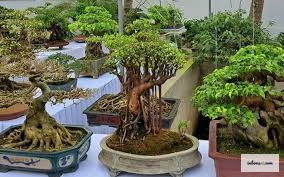
There are many reliable channels for purchasing bonsai, each with its own advantages and disadvantages:
Professional bonsai gardens and nurseries This is the best option for beginners. You can see trees in person, consult with experts, and compare multiple trees at once. Established bonsai gardens in major growing regions consistently offer good quality.
Bonsai clubs and periodic exhibitions Bonsai exhibitions are places to meet experienced artists and enthusiasts. You can learn a great deal and sometimes purchase trees directly from masters at prices more reasonable than retail stores.
Online shopping (social media, e-commerce platforms) Convenient but riskier. If buying online:
- Request a 360-degree video of the tree before placing a deposit
- Ask about return policies if the tree is damaged during shipping
- Prioritize sellers with many positive reviews and a long sales history
- Avoid purchasing large bonsai (over 50cm) online — shipping risk is high
Beyond these options, you can ask for recommendations from bonsai communities on social media — many members are happy to suggest reputable sellers in your area and share real purchasing experiences.
Appropriate Budget When Buying Quality Bonsai
Understanding price ranges helps you set realistic expectations and avoid being overcharged:
| Price Range | Appropriate Bonsai Type |
|---|---|
| Under $10 | Seedlings or unformed nursery stock — good for practicing styling yourself |
| $10–$25 | Mini bonsai with basic styling, common species like ficus or Chinese elm |
| $25–$100 | Mid-range bonsai, thicker trunk, nebari beginning to develop nicely |
| $100–$500 | 5–15 year old bonsai, beautiful form, multiple branch levels |
| Over $500 | Artistic bonsai, usually collected specimens or master-crafted works |
If your budget is tight, look into options for affordable starter bonsai — there are many interesting suggestions for beginners with limited budgets.
An important point to remember: a bonsai’s price reflects the years of shaping effort behind it. A beautiful 10-year-old tree means an artist dedicated 10 years to its care and training — that cannot be inexpensive. Rather than seeking the cheapest tree, find the best tree within your budget.
First Steps When Bringing a New Bonsai Home
Regardless of which bonsai you choose to buy, there are important steps to take immediately after bringing it home:
1. Isolate and observe for the first 1–2 weeks Place the new tree in a separate spot away from other plants to observe for hidden pests. This is an important preventive measure to protect your other plants.
2. Don’t repot immediately The tree needs time to acclimate to its new environment. Wait at least 4–6 weeks before considering repotting if necessary.
3. Water correctly Ask the seller about the appropriate watering frequency for that specific species. General principle: water when the top layer of soil begins to feel slightly dry, water thoroughly until it drains from the bottom of the pot.
4. Learn about your specific species Each bonsai species has its own characteristics and requirements. Reading about your newly purchased species is the first step to proper care. You can also explore guidance on feng shui bonsai by zodiac sign if you’d like to choose a tree based on feng shui significance.
Choosing and buying beautiful, quality bonsai is not overly difficult once you know where to look. Be patient, learn gradually, and don’t hesitate to ask experienced enthusiasts — the bonsai community is always happy to share knowledge with those just beginning their journey.
Related Posts
How to Choose and Buy Quality Bonsai Trees
Aquatic Bonsai: How to Grow and Care for It at Home
How to Grow Clean Vegetables on the Rooftop

Starting with Bonsai: A Guide for Beginners

Guide to Identifying and Treating Common Seasonal Diseases on Yellow Mai Trees

Bonsai Styles Art: A Detailed Guide to Bonsai Shaping Styles
