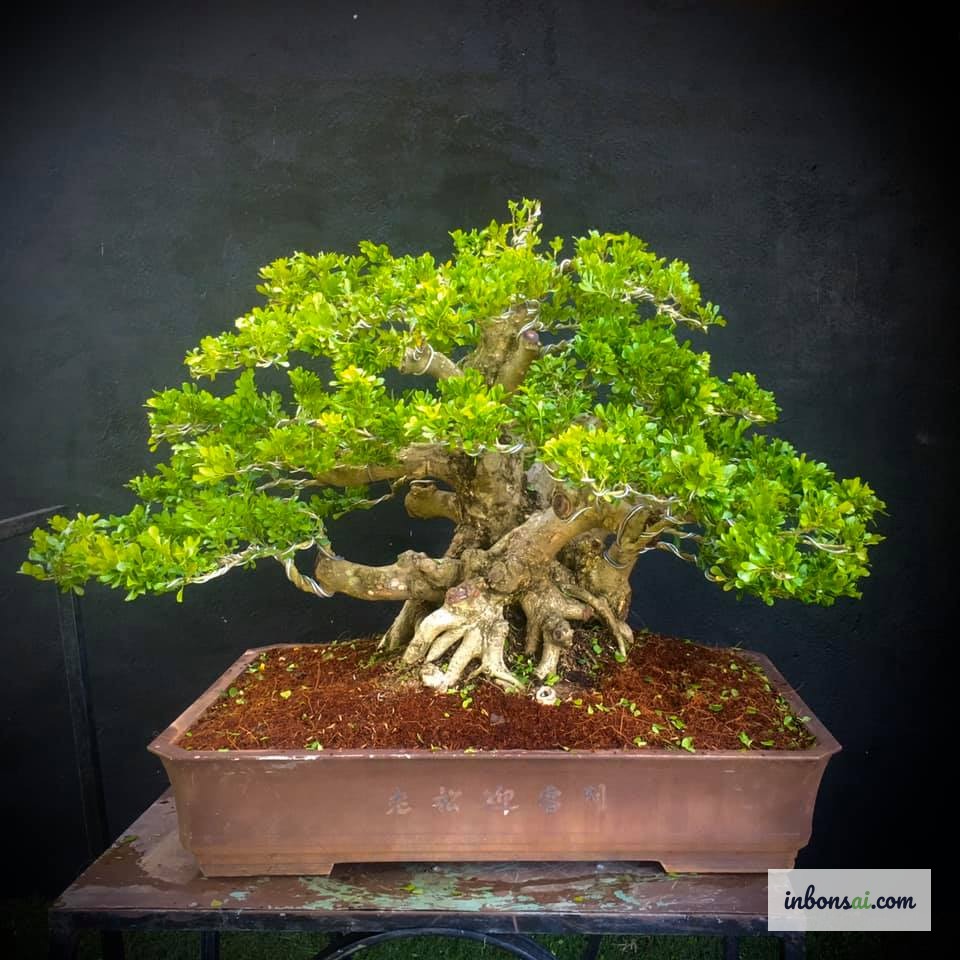
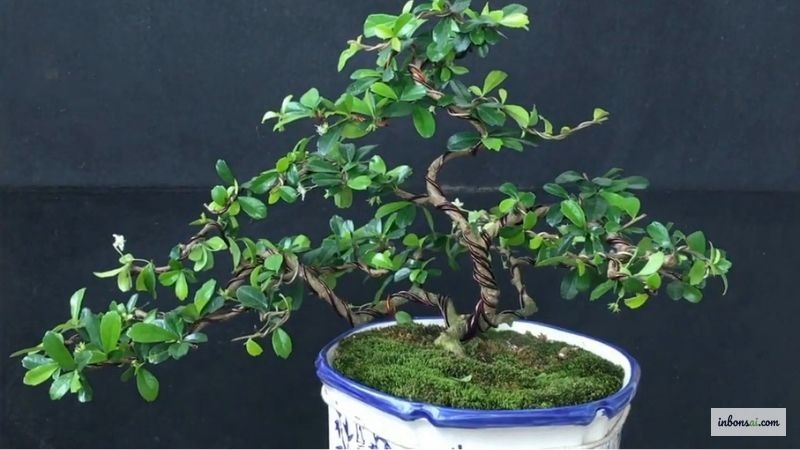
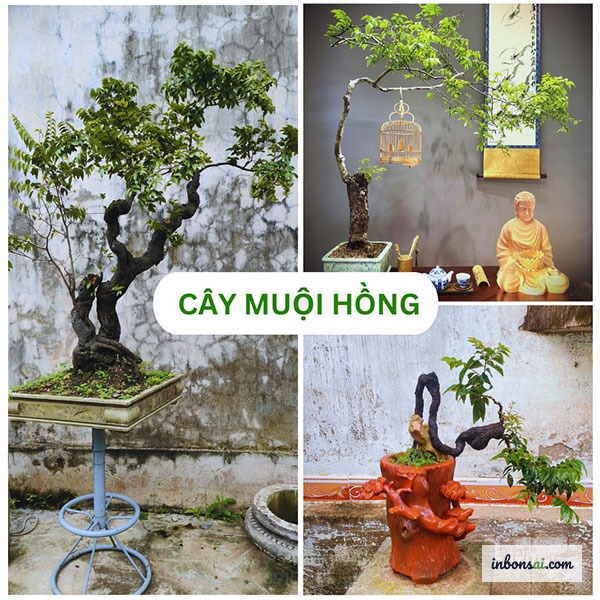
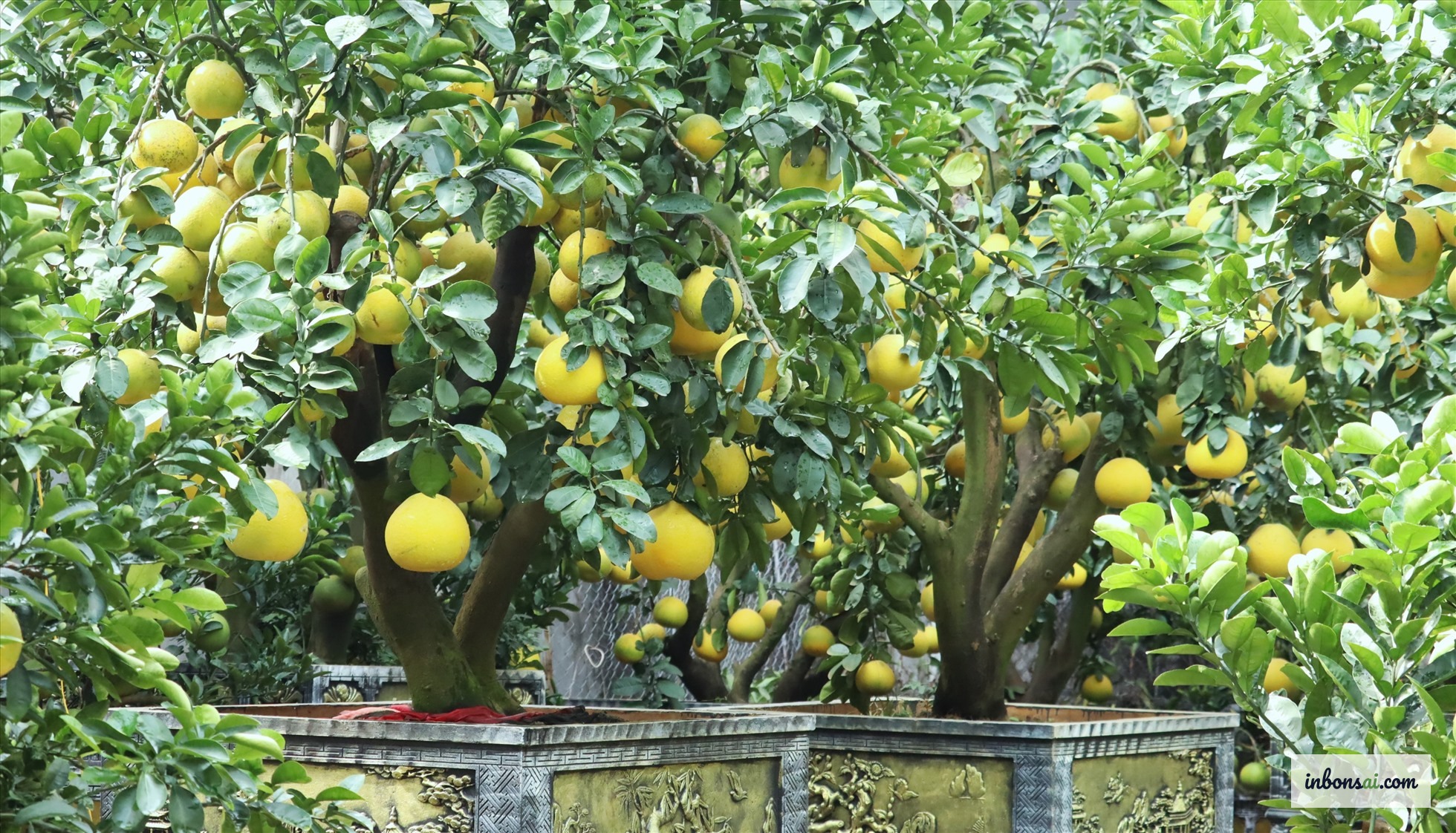
Pomelo bonsai mini is not just a tiny work of art — it also carries profound feng shui meaning, attracting prosperity and peace into your living space. With its delicate floral fragrance and vibrant yellow fruit, the pomelo bonsai mini is increasingly chosen by Vietnamese families to decorate their homes, especially during Lunar New Year and important holidays.
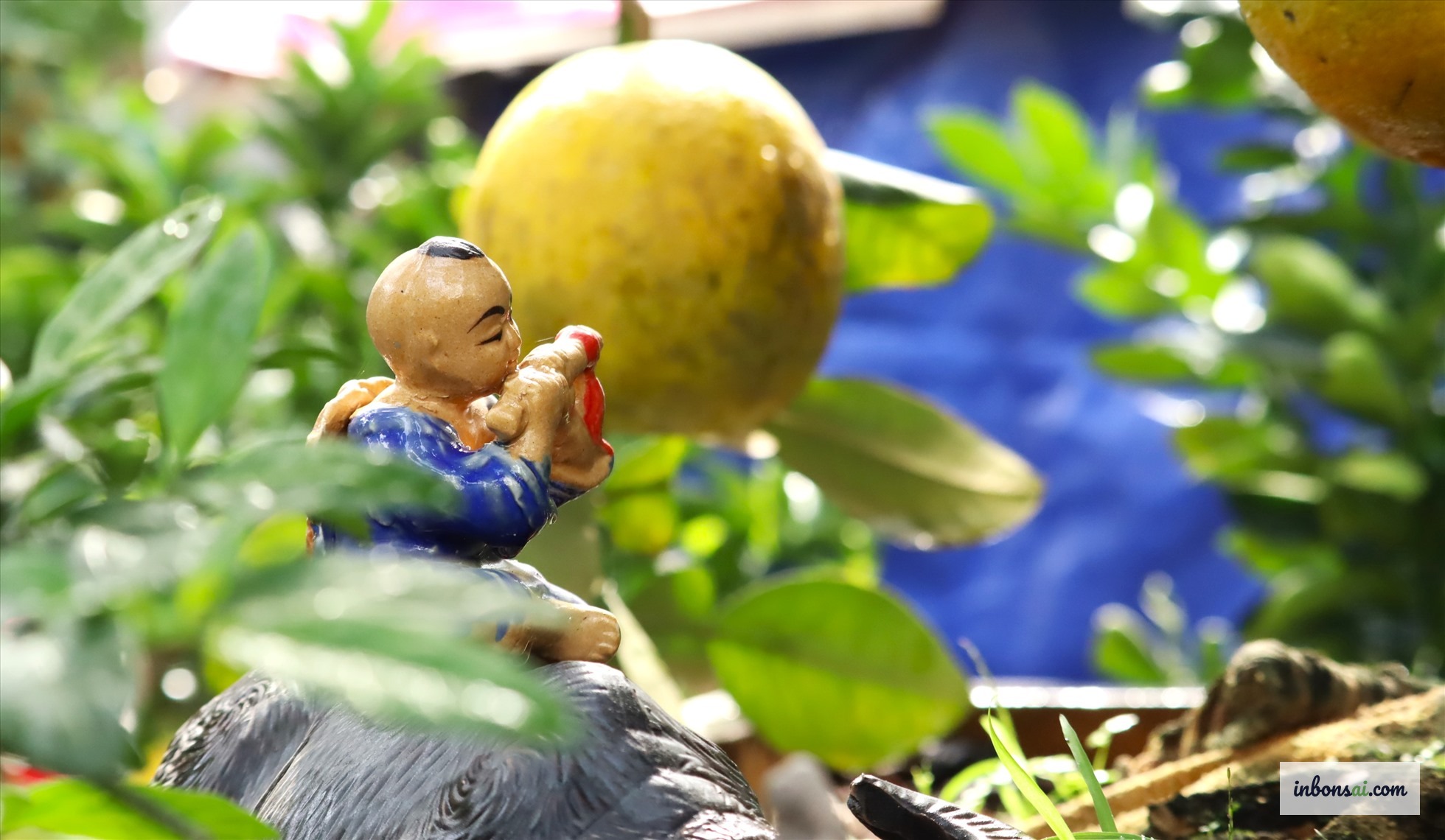
Feng Shui Meaning of Pomelo Bonsai Mini
In Eastern culture, the pomelo tree (bưởi) phonetically resembles words meaning "wealth" (phú), "nobility" (quý), and "prosperity" (lộc). This is why pomelo bonsai mini is considered a symbol of abundance and good fortune. It is believed that placing a pomelo tree in the home attracts positive energy and brings good luck to the household.
According to the five elements (ngũ hành), the pomelo tree belongs to the Wood element. The pomelo fruit carries both green and yellow tones, creating a balance between Wood (green) and Metal (gold/yellow). This combination helps harmonize the five elements in your living space, bringing stability and harmony to the family. For those born under Fire or Earth element signs, pomelo bonsai is also compatible — Wood feeds Fire, and Fire feeds Earth.
White pomelo blossoms, with their gentle fragrance, are also seen as symbols of purity and nobility. Many families place pomelo bonsai in their living room or altar during Lunar New Year to pray for a peaceful and prosperous year ahead. The tree is not only aesthetically beautiful but also carries undeniable spiritual value.
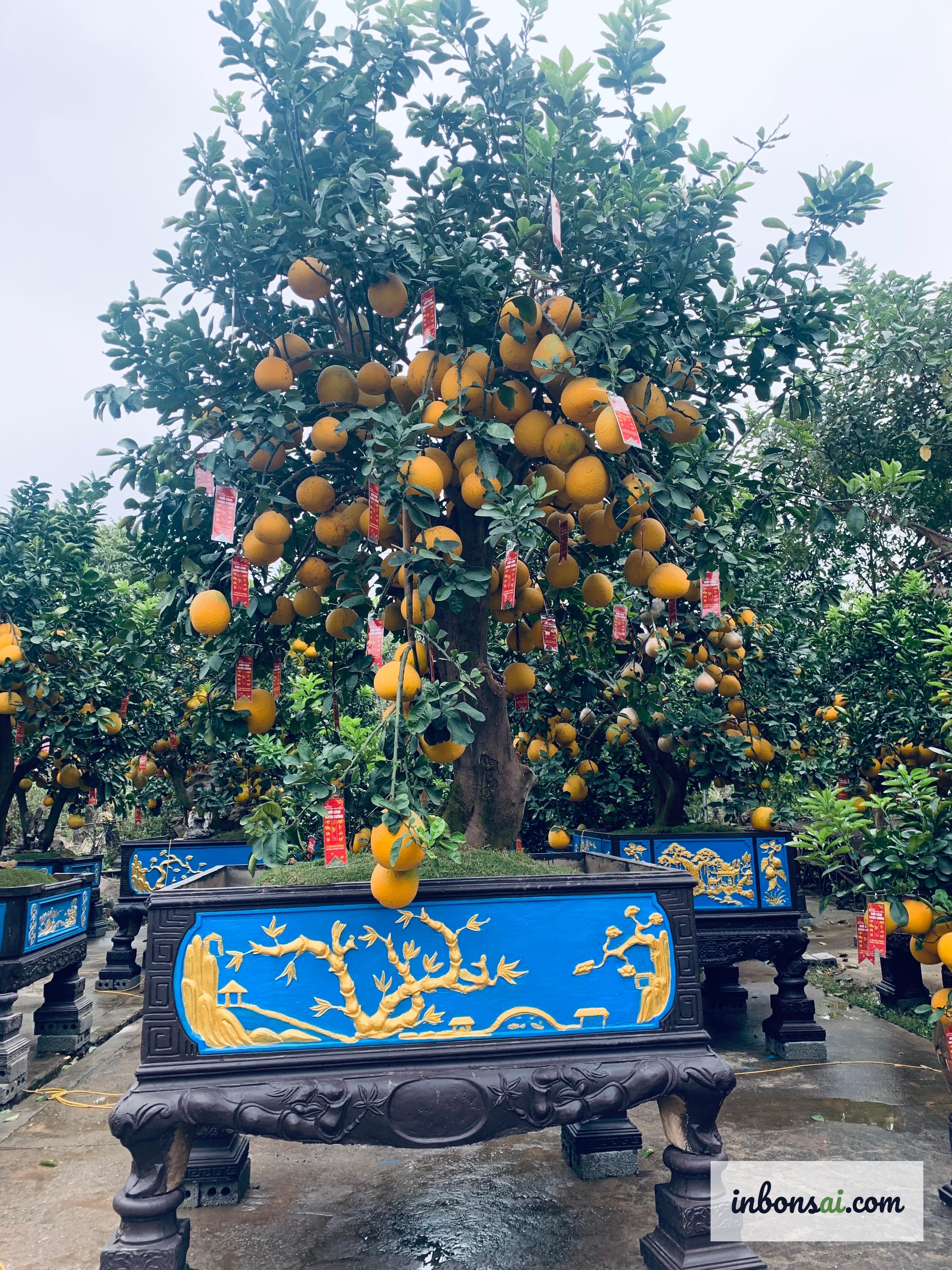
Biological Characteristics of Pomelo Bonsai
The pomelo (Citrus maxima) is a plant species in the Rutaceae family, originating from tropical Asia. When cultivated in the bonsai mini style, the tree retains all the characteristics of the natural pomelo but at a miniature scale, creating a unique and refined beauty.
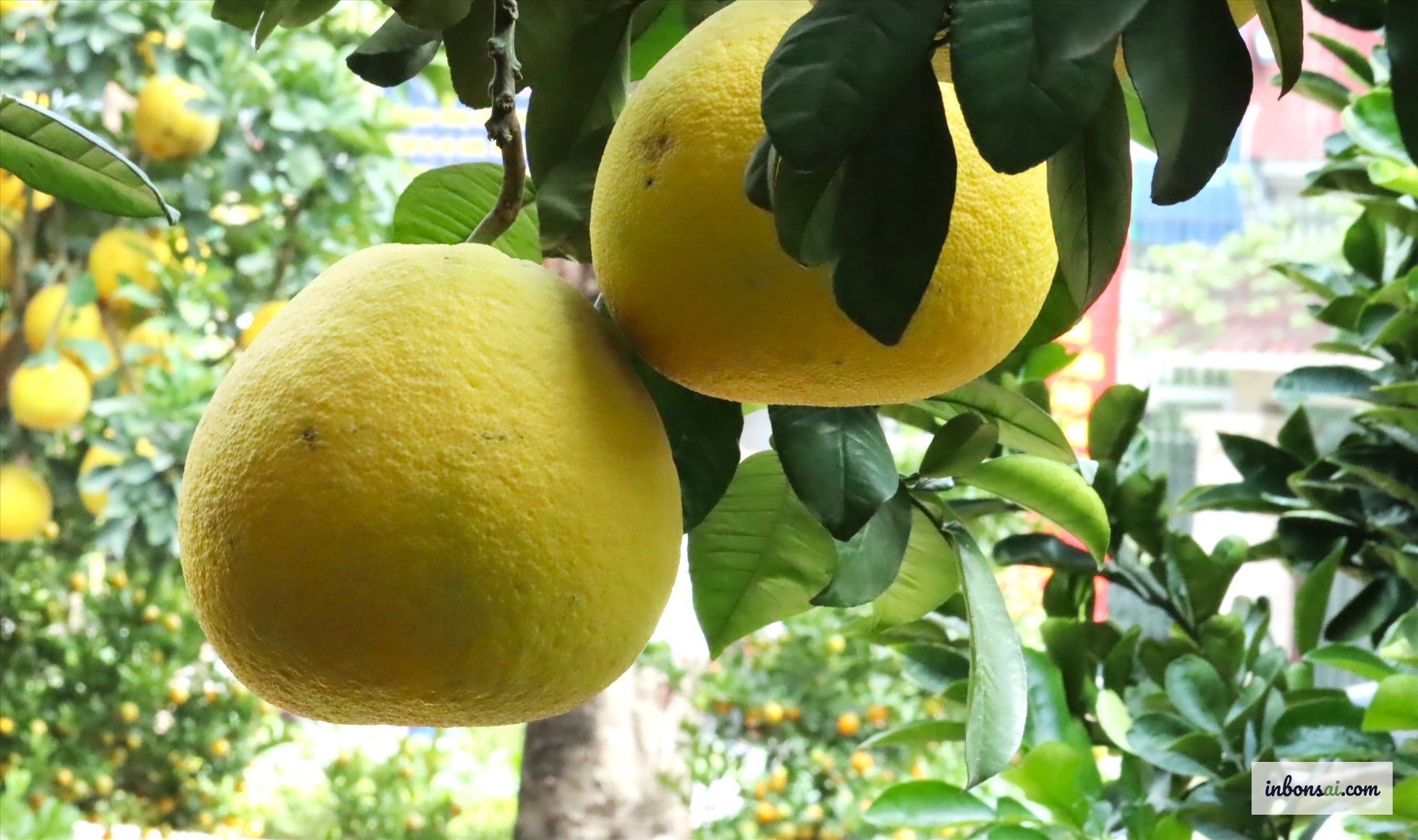
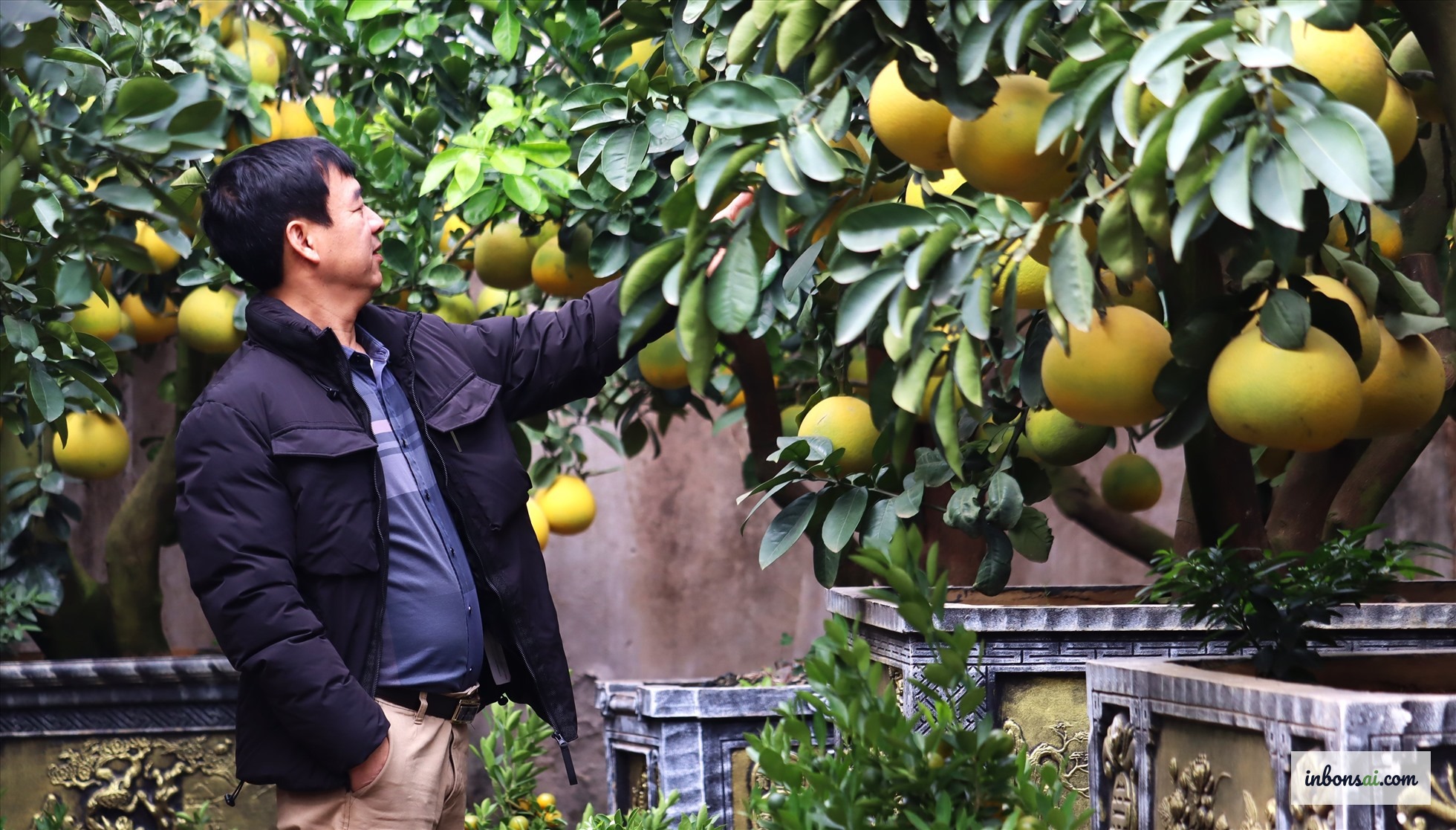
Pomelo leaves are large, glossy, deep green, with a distinctive wing at the petiole — a key identifying feature distinguishing pomelo from other citrus species. Pomelo flowers are white, growing in clusters, emitting a characteristically sweet fragrance. Mini pomelo fruit is round or oval-shaped; when ripe, it turns from pale yellow to greenish-yellow, creating a striking color accent for the whole pot.
Pomelo bonsai mini typically stands 30–60 cm tall, with the trunk shaped into various styles such as formal upright (Chokkan), slanting (Shakan), or windswept forms. With proper care, the tree can live for several decades, and over time the trunk becomes rough and ancient-looking — creating a truly authentic bonsai appearance.
How to Choose a Quality Pomelo Bonsai Mini
When purchasing a pomelo bonsai mini, pay attention to several important criteria to select a quality tree with good growth potential. First, observe the trunk — it must be firm and solid, with natural grayish-green bark, free from cracks or signs of disease. The base diameter should be proportionate to the overall height, creating a sense of stability and strength.
The roots should partially emerge from the soil surface (nebari), firmly gripping the pot walls and spreading evenly in all directions. Well-exposed roots indicate a pomelo bonsai with good age and proper care history. The branch system should be evenly distributed, gradually decreasing in thickness from base to apex, creating a balanced triangular structure when viewed from the front.
Leaves must be healthy green without yellowing or brown spots — a sign of a healthy tree. If the tree is bearing fruit, the fruit should still be green or in the process of ripening, not shriveled or dropping. Ask the seller about the tree's care history, especially the last repotting date and fertilization schedule being applied.
How to Plant and Repot Pomelo Bonsai
The pot plays an important role not only aesthetically but also directly affects the tree's health. Ceramic or porcelain pots are the most popular choice — they are breathable, retain moisture well, and come in many styles suitable for bonsai aesthetics. The pot must have drainage holes at the bottom to prevent root rot — the leading cause of plant death.
The ideal soil mix for pomelo bonsai consists of 50% loam or garden soil, 30% coarse sand or perlite for drainage, and 20% well-composted organic matter. You can reference guides on choosing the right soil and pot for bonsai to better understand soil-mixing principles.
Repotting pomelo bonsai mini should be done every 2–3 years, in spring when the tree begins to sprout new shoots. When repotting, carefully remove old soil, trim about 1/3 of the root mass, and remove dead or circular roots. After repotting, water thoroughly and place the tree in a cool, shaded location, avoiding direct sunlight for the first 2–3 weeks to allow recovery.
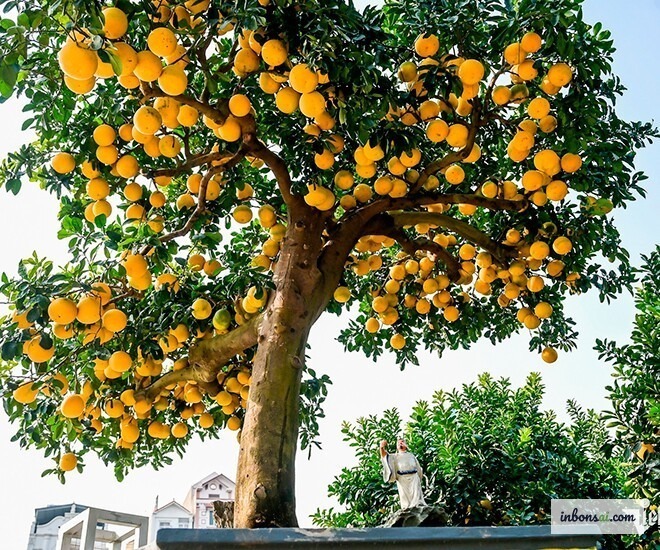
Daily Care for Pomelo Bonsai Mini
Proper care is the decisive factor in the growth and beauty of pomelo bonsai mini. The pomelo tree is a sun-loving species, requiring at least 6–8 hours of sunlight daily to grow well and produce flowers and fruit. If grown indoors, place the tree near an east or south-facing window to receive morning sunlight, avoiding harsh afternoon sun.
Watering is the most important skill in pomelo bonsai care. The general principle is to water when the soil surface begins to dry out (about 1–2 cm), never letting the soil become completely dry or waterlogged for extended periods. In hot summer, the tree may need watering daily or every other day; in cold winter, reduce watering to 2–3 times per week. Water in the early morning so leaves can dry before nightfall, preventing fungal diseases.
Regular fertilization helps the tree maintain sufficient nutrition for growth, flowering, and fruiting. Use balanced NPK fertilizer (such as 10:10:10) during the growing season (spring-summer), and switch to K and P-rich fertilizer (such as 5:10:15) before flowering season to stimulate blooming. Avoid fertilizing when the tree is stressed by drought, disease, or immediately after repotting. See also seasonal bonsai care guide to schedule fertilization appropriately.
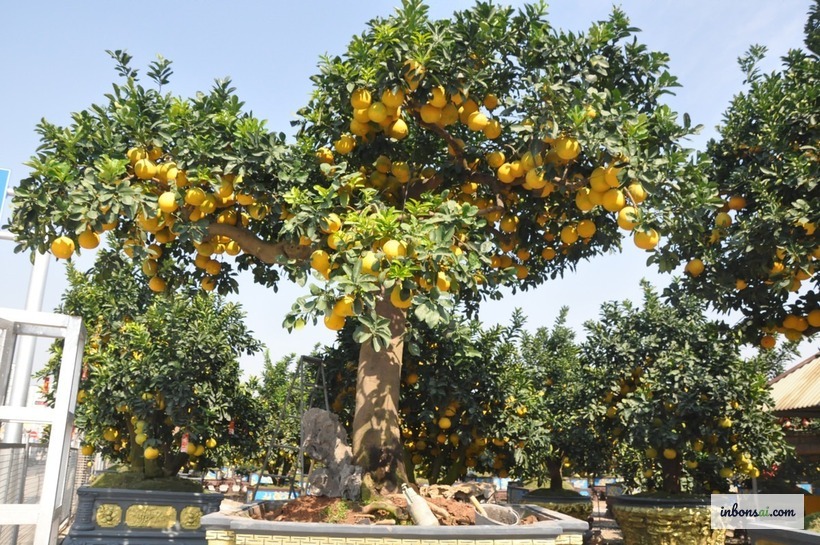
Styling Techniques for Pomelo Bonsai Mini
Styling is the soul of bonsai art. With pomelo bonsai mini, you can choose from many different styles based on personal preference and feng shui alignment with the owner's destiny. The formal upright style (Chokkan) — straight trunk, evenly spreading branches — is the most common, symbolizing stability and dignity, suitable for living rooms or offices.
The best time to prune pomelo bonsai is late winter to early spring (January–March in Vietnam), when the tree is preparing for new growth. Use sharp pruning shears sterilized with 70% alcohol before use. Remove unwanted branches, crossing branches, and inward-growing branches, keeping healthy branches that form the basic structure of the tree.
Wiring pomelo bonsai should use soft aluminum wire (1–3mm diameter depending on branch thickness), wrapped at 45° along the length of the branch, then gently bent toward the desired direction. Pomelo branches are relatively brittle, so bend slowly and carefully, never forcing. Leave the wire for 3–6 months then remove it, avoiding wire biting into the bark creating ugly scars.
Pest and Disease Prevention for Pomelo Bonsai
Pomelo bonsai mini can be attacked by several common pests. Spider mites (Tetranychus urticae) are the most dangerous enemy — they suck leaf sap causing leaves to yellow, dry out, and drop. You can identify them by tiny yellow spots on the leaf surface and fine webbing on the leaf underside. Treat by spraying water forcefully to wash them off, then apply miticides like Abamectin or organic neem oil.
Citrus leafminer (Phyllocnistis citrella) typically attacks new shoots, creating silvery zigzag trails on young leaves. Remove affected leaves and spray insecticide when detected. Citrus mealybug (Planococcus citri) is a small white powdery insect, commonly hiding in leaf axils and young branches — treat by dabbing with alcohol-soaked cotton, then spraying diluted vegetable oil.
Citrus canker disease (Xanthomonas axonopodis) causes raised yellowish-brown spots on leaves and fruit. Prevent by avoiding watering onto leaves in sunny weather and maintaining good canopy ventilation. When detected, remove affected parts and spray copper-based fungicide (Bordeaux mixture). Generally, pomelo bonsai that receives proper care, good air circulation, and is never waterlogged will be less prone to pest and disease attacks.
Where to Place Pomelo Bonsai for Feng Shui
The placement of pomelo bonsai mini in the home directly affects both feng shui benefits and the tree's health. The living room is the most ideal location — place the tree in the Southeast corner (Tốn position) or due South (Ly position) to activate the wealth and fame sectors according to Eight Mansions feng shui. A pomelo tree in this position will attract prosperity energy into the home while creating a refreshing green focal point in the entertaining space.
Avoid placing pomelo bonsai in the bedroom — according to feng shui, large plants in the bedroom can create overly strong Wood energy, affecting sleep quality. A home office or study is the second-best choice — a pomelo bonsai on the desk or bookshelf stimulates creativity and focus, while also bringing good luck in business endeavors.
Regarding lighting, place the tree near windows to receive adequate natural light. If your home has little sunlight, you can use LED grow lights for 12–16 hours per day to compensate. Avoid placing the tree near air conditioners, heaters, or doorways with strong drafts — these locations cause soil to dry quickly and stress the tree. See also guide to placing bonsai indoors to optimize your living space.
Tags
#pomelo bonsai#mini bonsai#feng shui plants#citrus bonsai#bonsai careGet bonsai guidance every week.
Fresh care guides, styling notes, and bonsai inspiration delivered to your inbox.