Autumn is the hinge point of the bonsai care year: trees shift from vigorous growth into storing energy for winter dormancy. Getting bonsai autumn care right — preparing trees for winter dormancy the correct way — determines whether a tree pushes strong new growth the following spring. Many newer growers keep summer habits going into fall — steady nitrogen feeding, hard pruning, the same watering schedule — and unintentionally weaken the tree right before the harshest part of the year.
Unlike summer, when the goal is pushing growth, autumn calls for a deliberate slowdown. This guide walks through each step: adjusting fertilizer, pruning, checking wire, watering, and the right moment to let a tree feel its first frost before you protect it.
Why autumn is a hinge season for bonsai
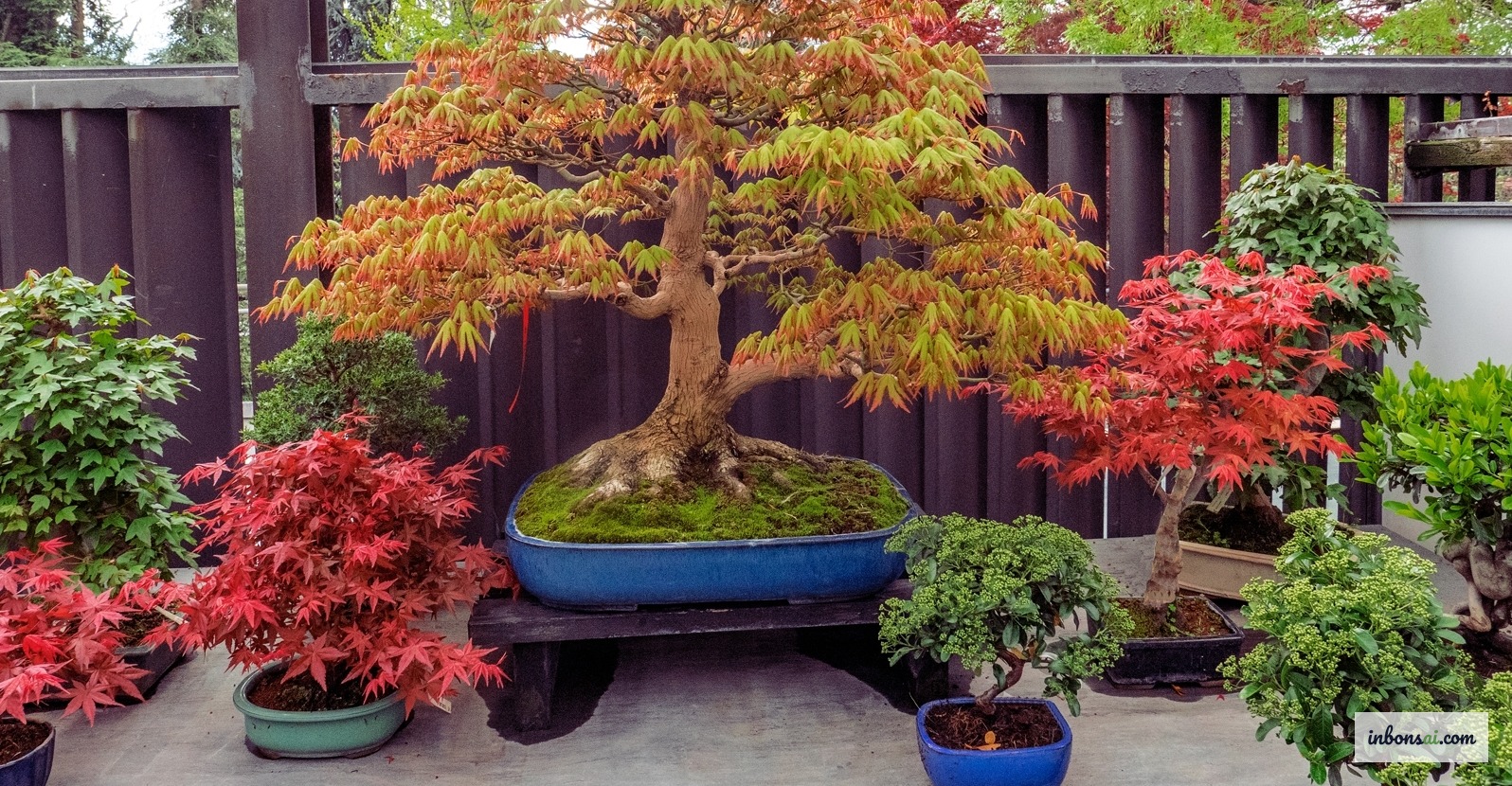
As temperatures drop and days shorten, bonsai trees pick up on the photoperiod shift and redirect energy from foliage growth toward root development and nutrient storage. This is the natural dormancy-preparation process, most visible in deciduous species like Japanese maple and elm, and in temperate conifers like pine and juniper.
If a tree is pushed to produce fresh growth too late in autumn, those new shoots are usually too tender to survive the first hard frost and simply die back, wasting the tree's stored energy for nothing. A properly prepared tree, by contrast, strengthens its root system, hardens off young branches, and enters dormancy with solid carbohydrate reserves — the foundation for a strong spring flush.
Watching the actual signals on your own tree matters more than following a rigid calendar date, since the shift from autumn to winter varies significantly by climate zone.
Stop nitrogen feeding, switch to phosphorus-potassium
This is the single most important change in bonsai autumn care. Nitrogen (N) drives leaf and shoot growth — exactly what you don't want as a tree heads into dormancy. From early autumn, stop nitrogen-heavy fertilizers entirely and switch to a formula weighted toward phosphorus (P) and potassium (K), roughly an NPK ratio like 3-6-6 or similar.
Phosphorus supports root development, while potassium improves cold tolerance and stress resistance, similar to how a tree builds up natural "antifreeze" compounds in its cell tissue. Many experienced growers apply a light low-nitrogen feed every 2–3 weeks until the tree drops its leaves fully or growth visibly stops.
If your tree was recently repotted or is currently stressed, skip fertilizing altogether and let it stabilize first before resuming any feeding schedule.
Light pruning and when to stop major styling
Autumn is when you shift from structural styling to light maintenance pruning. Removing dead wood, crossing branches, or unwanted shoots is fine, but avoid major structural cuts (removing primary branches, heavy canopy reduction) — large wounds need time to heal and the tree no longer has the vigor to recover quickly before cold weather arrives.
For conifers, this is also a good window to lightly pinch back soft, unhardened new growth, redirecting the tree's energy into stronger branches. Avoid heavy pruning late in autumn, since open wounds are more vulnerable to fungal infection as humidity rises and temperatures fall.
If a tree needs repotting, autumn is not the ideal time for most species — wait until late winter or early spring, just before the tree is about to push new growth again.
Check your wiring before growth slows down
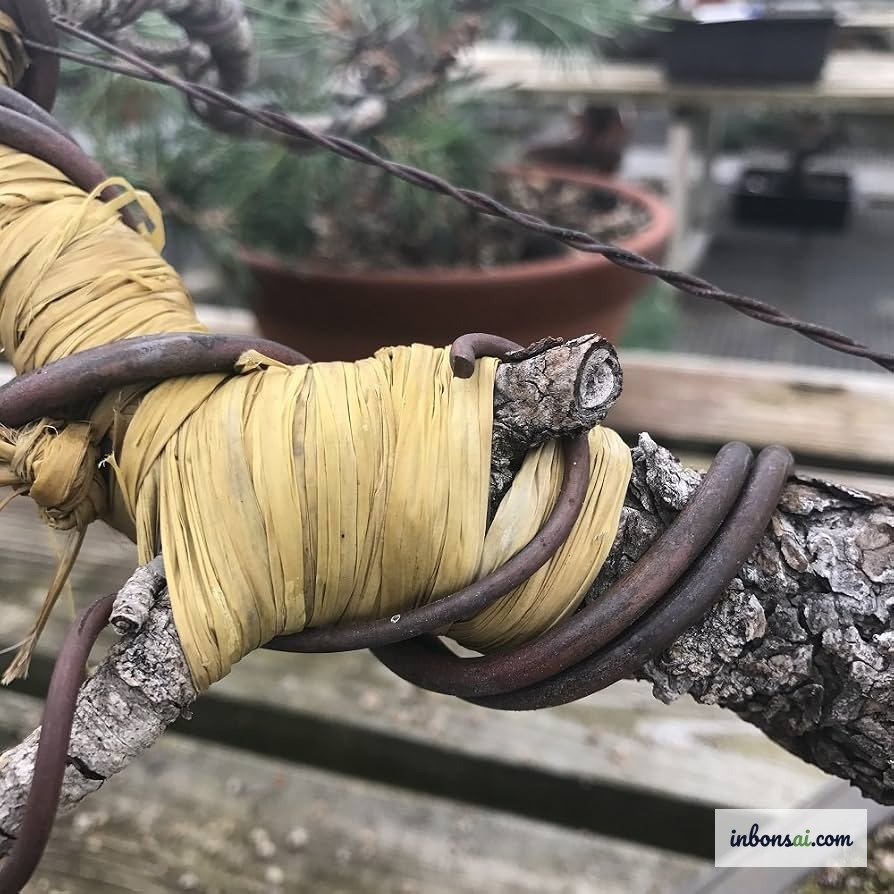
Late autumn is the time to inspect every piece of wire (copper or aluminum) still on the tree. During the growing season, branches can thicken quickly and wire can bite into the bark, leaving marks that are difficult to reverse or even damaging the tree's vascular tissue.
Check each wrap and loosen or remove any wire showing signs of biting in. If the shape isn't fully set yet and you need to keep wire on through winter, rewrap with moderate tension rather than leaving old wire in place. Since growth slows considerably in cold weather, this is actually a safer window to leave wire on longer without the rapid bite-in risk you'd see in summer.
Note the date you removed wire, or schedule a recheck for early spring — many trees lose their shape not because of poor wiring technique, but because growers simply forget to remove it in time.
Adjust your watering schedule as it gets colder
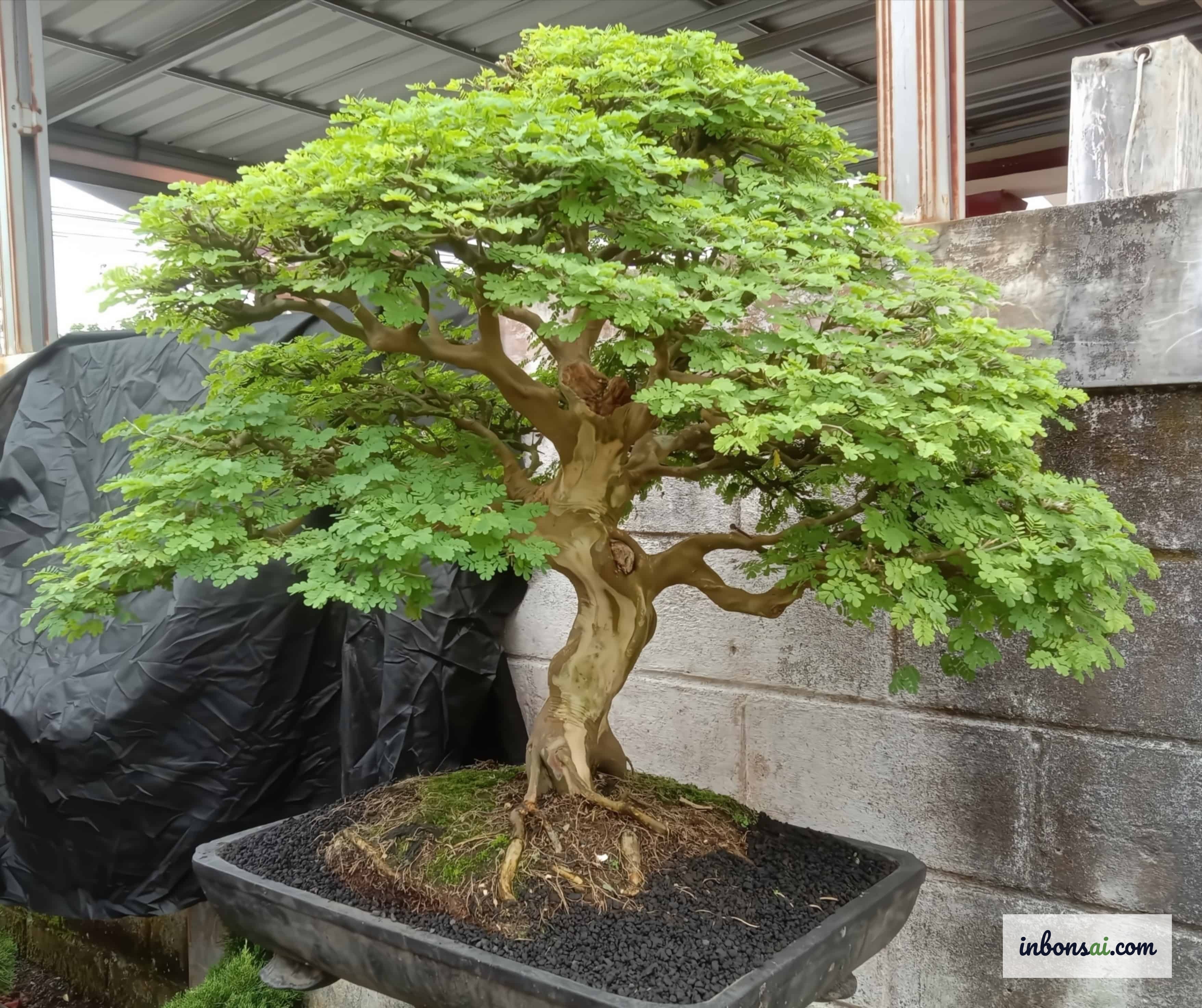
A bonsai's water needs drop noticeably as temperatures fall and growth slows. Sticking to a summer watering schedule in autumn weather is a common cause of root rot, since soil holds moisture much longer in cool, low-light conditions.
The safest approach is checking soil moisture with a finger or a wooden skewer before every watering, rather than watering on a fixed timer. Once the top 1–2cm of soil feels dry, water thoroughly until it runs from the drainage holes.
For deciduous trees that have dropped their leaves, watering frequency can drop to once every few days depending on humidity and soil type. Evergreen conifers still need consistent moisture year-round, so never let the soil dry out completely even in cold weather.
Let your tree feel the first frost before you protect it
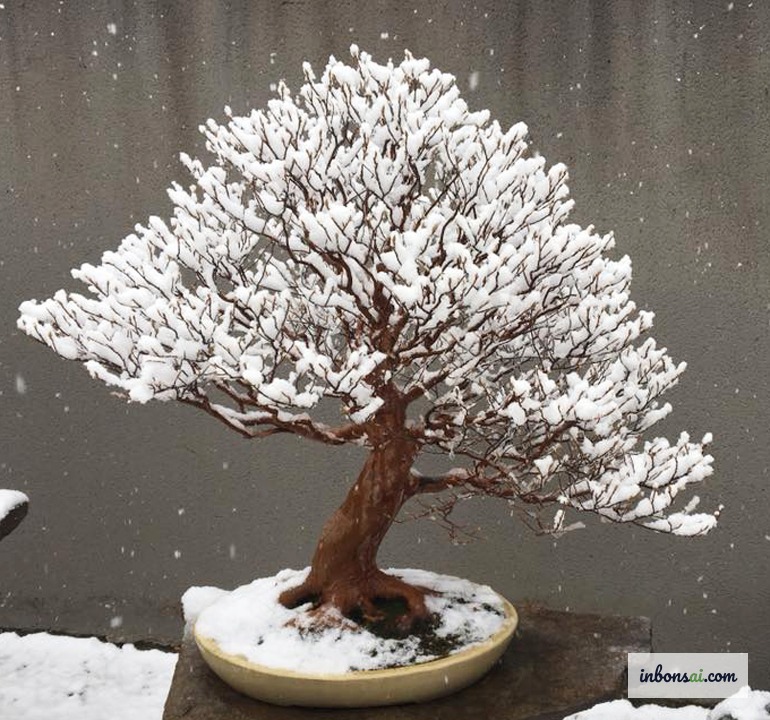
A common mistake is rushing to cover or bring a tree indoors the moment temperatures start dropping. In reality, most temperate bonsai species (pine, juniper, maple, elm, and others) need to experience a few light early frosts to fully trigger physiological dormancy — a step you can't skip if you want the tree to rest properly and push strong growth the following spring.
Only start protective measures (moving to a cold greenhouse, an unheated garage, or mulching the base) once temperatures start dropping well below what the roots can tolerate — typically once nighttime temperatures consistently approach or fall below hard freezing. Roots in a small bonsai pot are far more cold-sensitive than roots in the ground, since the limited soil mass offers much less insulation.
Track your local forecast and have protective materials ready (mesh, mulch, a designated overwintering spot) ahead of time, but only deploy them once genuinely necessary.
Pest control and end-of-season cleanup
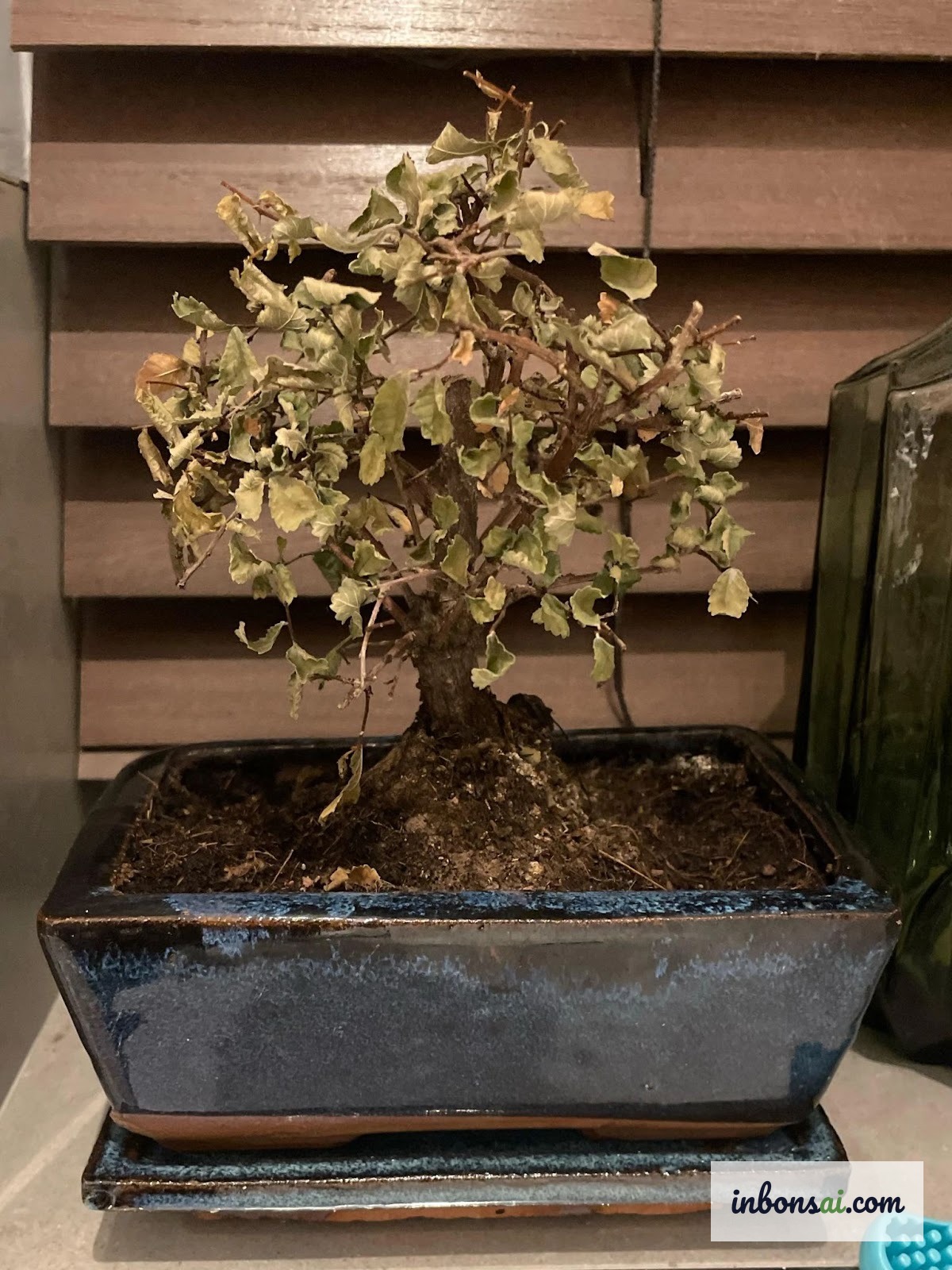
Autumn is the time for a thorough cleanup before a tree enters its resting period. Fallen leaves, dead twigs, and weeds around the base should be cleared out to reduce overwintering shelter for fungal spores and pests, especially scale insects and spider mites that often hide in bark crevices.
This is also a good window to inspect the whole tree closely — leaf undersides, branch junctions, the soil surface — to catch pest problems early, before the tree enters a low-activity state where it recovers more slowly. If you find pests, treat with an appropriate method (neem oil, diluted insecticidal soap) before temperatures drop too low for the treatment to remain effective.
Sterilizing pruning tools with alcohol after each use also helps limit fungal spread between trees in your collection.
Exceptions for tropical and subtropical bonsai
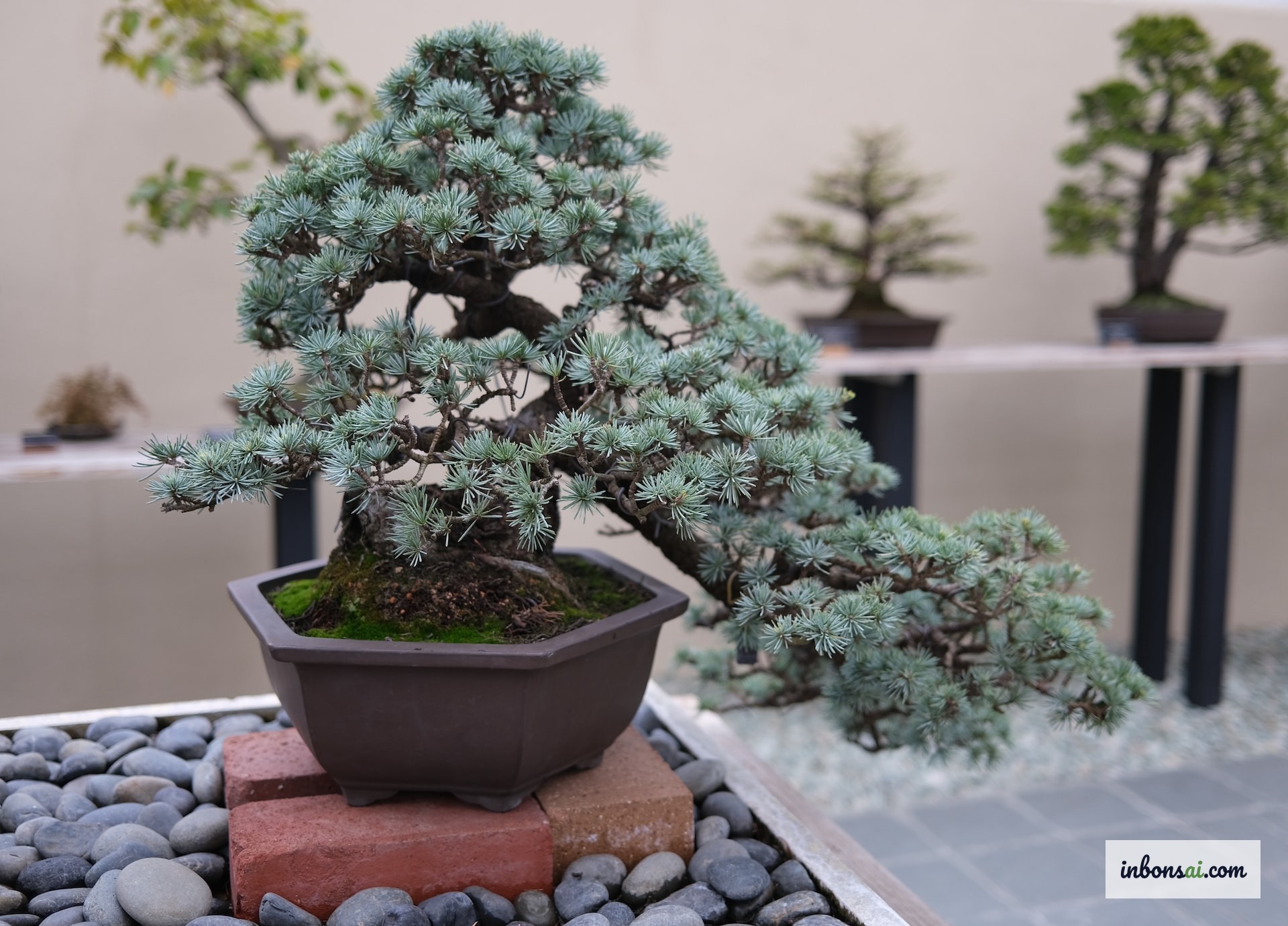
Not every bonsai needs winter dormancy preparation. Tropical and subtropical species like ficus, Chinese banyan, and jade don't go through true dormancy and need to stay warm year-round — for these trees, autumn simply means gradually reducing fertilizer and watering frequency in step with slower natural growth as light levels drop, not preparing for frost.
In climates that stay warm year-round, tropical species can keep growing slowly outdoors. In climates with cold winters, bring tropical bonsai indoors or into a heated greenhouse before nighttime temperatures drop below roughly 10°C (50°F), since these species' roots are highly cold-sensitive even when the foliage still looks healthy.
Correctly identifying your tree's category — deciduous temperate, evergreen temperate, or tropical — is the essential first step before applying any autumn care routine.
Tags
#bonsai-autumn-care#winter-dormancy#fall-fertilizing#wire-inspectionGet bonsai guidance every week.
Fresh care guides, styling notes, and bonsai inspiration delivered to your inbox.