
Five Essential Things to Know When Growing Ornamental Plants

InBonsai Team
March 16, 2026 · 10 min read
Growing ornamental plants may seem straightforward, but it actually requires understanding several key factors. From distinguishing plant types to managing sunlight, temperature, water, soil, and fertilizer — each element plays a crucial role in your plant’s survival. This article covers the five most important things every plant lover needs to know.
1. Plant Classification
Like many other organisms, ornamental plants can be categorized into several types. The three main categories are: herbaceous plants, woody plants, and succulents.
Herbaceous Plants
These are ornamental plants with soft, easily breakable branches, stems, and leaves. They don’t require much in terms of soil quality — just soft, moisture-retaining, well-draining soil with good particle cohesion. Their growth period is relatively short, and they can be subdivided into:
- Annuals: Plants that grow, flower, and die within one year. Examples: firecracker flower, globe amaranth.
- Biennials: Plants that grow from one year to the next, typically planted in autumn and blooming the following spring or summer until they die. Examples: snapdragon, Shasta daisy.
- Perennials: Plants with a lifespan of two years or more. Examples: asparagus fern, four-season begonia.
Woody Plants
Woody plants have well-developed woody stems and can live for many years. They mainly include three types:
- Conifers: Characterized by a clear distinction between branches and trunk, often growing tens of meters tall.
- Shrubs: Branches and trunk are not clearly differentiated, relatively short in stature.
- Climbing vines: Plants with slender stems that cannot stand upright on their own and typically need to cling to other plants or supports.
Succulents
Plants with fleshy leaves that store large amounts of water, making them easy to care for — a favorite among those who tend to forget about watering. They generally fall into two categories:
- Cactus family: Originally from desert regions, they have thick, large bodies that store water and nutrients to resist drought. Even if you forget to water for several days, they won’t die of thirst.
- Kalanchoe family: Plants with puffy leaves that hold abundant water inside.
2. Sunlight
We all know how important sunlight is for life. Without it, all living things lose their vitality. Flowers are no different from humans — they cannot survive without sunlight.
How Sunlight Affects Ornamental Plants
Sunlight is the controlling factor in plant growth. It provides the energy for photosynthesis — without sunlight, plants cannot produce nutrients, leading to deficiencies that affect normal development. The vast majority of plants can only bloom and leaf out when they receive adequate sunlight. Without sufficient light, leaves turn yellow and wilt, reducing the plant’s lifespan.
Even within a single pot, parts that receive different amounts of sunlight will produce noticeably different flowering results. Based on this characteristic, ornamental plants can be classified into three types:
- Sun-loving (positive): Plants that dislike shade and need strong sunlight, requiring at least 12 hours of light per day to sprout. Most flowering and fruiting ornamental plants fall into this category: magnolia, rose, pomegranate, plum blossom, climbing rose, kumquat.
- Neutral: Plants that don’t demand much sunlight and can grow normally in both long and short daylight conditions: osmanthus, jasmine, orchid, hydrangea.
- Shade-loving (negative): Plants that thrive in enclosed or shaded environments and grow slowly under direct sunlight: asparagus fern, azalea, evergreen.
How to Tell If Your Plant Lacks Light
If your plant isn’t developing well, how can you tell whether it’s due to insufficient light? Typically, if a plant suddenly shows green leaves turning yellow, large leaves becoming small, stiff branches going soft, flowers shrinking, and loss of fragrance, the plant may be light-starved. Without timely intervention, pests and diseases may follow.
The best solution is to place the plant where it can receive direct sunlight. If natural light isn’t sufficient, fluorescent lights can substitute. You can also place reflective materials like mirrors or foil near the plant to enhance light exposure.
How to Handle Excessive Sunlight
In summer, too much sunlight can also harm plants. Set up shade covers to protect them. If one side of a potted plant receives too much sun while the other doesn’t get enough, the plant will grow unevenly. To maintain a balanced appearance, regularly rotate the pot so all sides receive equal light. Turning the pot every two to three days not only promotes even growth but also helps prevent pests and diseases.
3. Temperature
Like sunlight, temperature is a critical factor in plant maturation. Photosynthesis, respiration, and evaporation are all closely tied to temperature. Plants can only survive within suitable temperature ranges. Generally, higher temperatures accelerate growth while lower temperatures extend blooming periods. Some species only bloom in cold conditions, such as wintersweet and azalea — so mastering temperature control means mastering the plant’s growth cycle.
How Temperature Affects Ornamental Plants
There are three key temperature thresholds to be aware of:
- Optimal temperature: The range in which most plants can survive — typically 4°C to 36°C.
- Maximum temperature: The upper limit for plant survival. For example, most plants can tolerate up to 45°C, but if exposed to temperatures above this for several consecutive days, their respiration rate increases dramatically, organic matter consumption spikes, water loss accelerates, and the plant dies from heat stress.
- Minimum temperature: The lowest cold tolerance a plant can endure. Cold weather generally kills more plants than hot weather. Once a plant’s roots freeze solid, there is no way to revive it.
To help plants survive winter, bring them indoors — but don’t keep room temperatures too high, as this wastes the plant’s stored nutrients and interferes with its natural dormancy period.
Different Cold Tolerance Levels
Plants can be grouped by their cold tolerance:
- Cold-hardy: Can withstand temperatures down to -5°C, such as lilac, forsythia, begonia, lily, and hibiscus. Some can even survive -20°C. When temperatures rise to 5–15°C the following year, they resume flowering.
- Moderately cold-tolerant: Can handle about -5°C, such as sweet olive, African daisy, spider lily, spider plant, and maidenhair fern. In winter, mulch or cover the root zone to help them survive.
- Cold-sensitive: Require consistently warm temperatures (above 8°C), such as morning glory, impatiens, and cockscomb, which only bloom at 25–30°C. These are typically annuals best planted in spring.
4. Water
Water is a vital component that makes up 70–90% of a plant’s weight. Plants draw water from two sources: atmospheric humidity and soil moisture. Both are equally important and indispensable. Only when air humidity and soil moisture levels are adequate can plants develop normally.
The Effect of Air Humidity on Plants
For most ornamental plants, air humidity affects the rate of transpiration, which in turn influences how much water the plant draws from the soil. Plants generally need 65–70% air humidity. Excessively high humidity causes leaves to grow too long and stems to weaken, reducing disease resistance. Excessively low humidity also makes plants vulnerable to pests and diseases.
Different growth stages have different humidity needs: plants need higher humidity during active growth, moderate humidity during flowering, and lower humidity during fruiting. Different species also vary — drought-tolerant plants like cacti need very little humidity, while thick-leaved and parasitic plants require much more and will die without it.
The Effect of Soil Moisture on Plants
Soil moisture is the primary water source for plants. It not only supplies the water plants need but also affects air content in the soil and microbial activity, which in turn influences root development, distribution, and metabolism. As the saying goes: “To nurture flowers, start by nurturing the roots” — healthy roots are the foundation of a healthy plant.
Adequate soil moisture is essential, but more is not always better. Prolonged waterlogging causes root rot, leaf drop, and potentially death.
Watering frequency varies by season: every 3–4 days in spring; morning and evening in summer; every 2–3 days in autumn; and once a week in winter. When watering, water thoroughly — don’t just wet the surface while leaving the interior dry, as this harms oxygen exchange in the soil and damages roots.
5. Soil
For plants, soil is like a warm protective layer. Loose, nutrient-rich soil provides minerals, organic matter, and water while shielding roots from harsh weather conditions.
How Soil Composition Affects Plants
Soil composition refers to the overall character of the soil. Mineral particles of different sizes combine in varying proportions to create different soil types:
- Sandy soil: Large gaps between particles provide excellent drainage and aeration, but poor nutrient and moisture retention with large temperature fluctuations. Best suited for drought-tolerant succulents.
- Clay soil: Fine particles with high fertility and stable temperatures, but poor drainage and permeability. Best used mixed with sandy soil so each type compensates for the other’s weaknesses.
- Humus soil (ideal): Particles of moderate size with good aeration, drainage, water retention, and high fertility. Rich in organic matter, it is the ideal soil for growing indoor plants.
How Soil pH Affects Plants
Soil acidity and alkalinity, measured by pH, directly affects plant growth:
- pH < 7: Acidic soil
- pH = 7: Neutral soil
- pH > 7: Alkaline soil
Most plants prefer neutral soil, such as amaryllis, bellflower, and verbena. Some prefer acidic or slightly alkaline soil, like hydrangea and lupine. Very few species prefer strongly acidic or alkaline soil, such as African daisy and sweet pea.
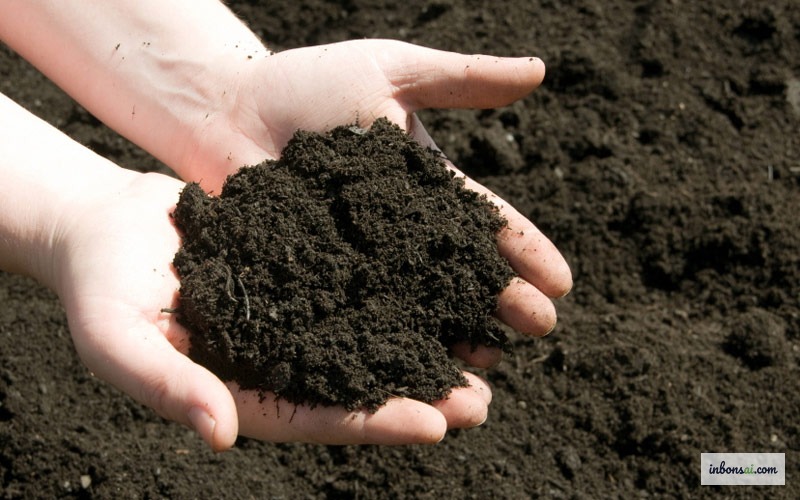
Quick hand test: When buying soil, you can estimate its pH by feel. Dark brown, crumbly soil is likely acidic. Pale, hard, sticky soil is likely alkaline. Neutral soil falls between these extremes. When in doubt, use pH testing paper.
For optimal growth, the best soil mix combines humus, fine sand, and garden soil in the right proportions. This blend provides good aeration and moisture retention.
6. Fertilizer
Like water, soil nutrients gradually deplete with each growth cycle, so timely supplementation is essential to ensure healthy flowering and fruiting. Most home-grown plants primarily use organic fertilizer, supplemented with inorganic fertilizer.
Organic Fertilizer
All organic fertilizers are natural and safe for home-grown plants. They are formed from decomposed animal manure, food scraps, and fallen leaves. Organic fertilizer has long-lasting effects — used over time, it improves soil quality and reduces the frequency of fertilization needed.
However, organic fertilizer can attract soil-borne pests. Regularly turn the soil and inspect pots, eliminating any pests promptly.
Common organic materials include sesame cake, soybean cake, peanut cake, and rapeseed cake. Most organic fertilizers are acidic, making them ideal for acid-loving plants. They work well as base fertilizer and for ongoing supplementation, but should not be used during seed germination, as decomposition produces organic acids that inhibit sprouting.
Animal manure is an excellent source of phosphorus and nitrogen, particularly suitable as base fertilizer for fruiting ornamental plants. Rice washing water contains essential elements like phosphorus and nitrogen — when fermented and sprayed on leaves, it helps prevent leaf yellowing.
Inorganic Fertilizer
Inorganic fertilizers are chemically manufactured products such as urea and phosphate. Compared to organic fertilizer, they are more concentrated, odorless, and convenient to use. However, prolonged use can harden the soil, so they should always be diluted to the proper ratio. The best approach is to combine organic and inorganic fertilizers, leveraging each type’s strengths to compensate for the other’s weaknesses.
Mastering these five factors — plant classification, sunlight, temperature, water, and soil with fertilizer — gives you a solid foundation for growing ornamental plants. Observe your plants daily, listen to what they “tell” you through their leaves, flowers, and roots, and you’ll become a more skilled plant caretaker with each passing season.
Related Posts
Five Essential Things to Know When Growing Ornamental Plants

How to Make Homemade Organic Fertilizer for Bonsai
Worm Castings for Bonsai: How to Fertilize Correctly
How to Grow Bonsai from Seeds at Home for Beginners
Aquatic Bonsai: How to Grow and Care for It at Home
Bonsai Pruning Guide for Beginners: Step-by-Step
How to Choose Bonsai Placement: Indoor vs Outdoor