How to Choose Bonsai Soil for Every Tree Species

InBonsai Team
March 27, 2026 · 7 min read
One of the most common mistakes beginners make is using generic potting mix or garden soil without considering the specific needs of their tree species. The result: slow growth, root rot, or a tree that declines for no obvious reason. In reality, choosing the right bonsai soil for each species is one of the most critical factors determining the long-term health and beauty of your bonsai. This guide explains what makes a good bonsai substrate, and gives you specific soil formulas for the most popular tree groups.
Why Bonsai Soil Differs from Regular Potting Mix
Bonsai live in small pots with very limited soil volume — this is the fundamental difference from garden-grown trees. In nature, roots can spread meters in every direction to find water and nutrients. In a bonsai pot, the entire root system is confined to a tiny space, so soil quality must compensate for that constraint.
Regular garden soil, however fertile, tends to have fine particles that compact over time. As soil compacts, the air pockets disappear, roots are starved of oxygen, water can’t drain and accumulates causing root rot. Garden soil also holds too much moisture — ideal for watering once or twice a week outdoors, but harmful for bonsai that are watered daily.
This is why most bonsai practitioners worldwide use inorganic or semi-inorganic substrates rather than pure soil. Bonsai substrates are engineered to drain immediately after watering, stay aerated for roots, but still retain enough moisture and nutrients between waterings.
Criteria for a Good Bonsai Substrate
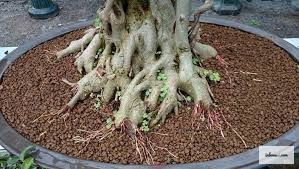
Whether tropical, temperate, or flowering, a good bonsai soil mix must meet three core criteria:
Fast drainage: After watering, water should flow out the drainage holes within seconds — not pool on the surface. This is the simplest test: water thoroughly and observe. If the surface still holds water after 1 minute, drainage is poor.
Adequate moisture retention: Fast drainage doesn’t mean bone-dry in 5 minutes. A good substrate retains a layer of moisture in the spaces between particles — enough for the tree to absorb over several hours to a day, depending on climate.
Root aeration: A coarse particle structure creates air pockets large enough for oxygen to circulate. Bonsai roots need oxygen to respire — oxygen deprivation, even without waterlogging, gradually weakens roots and saps the tree’s vitality.
pH (usually 6.0–7.0) and nutrient retention from fertilizer are also important, particularly for species sensitive to pH such as yellow apricot (mai vàng) and Buddhist pine (tùng la hán).
Choosing Bonsai Soil for Tropical Species
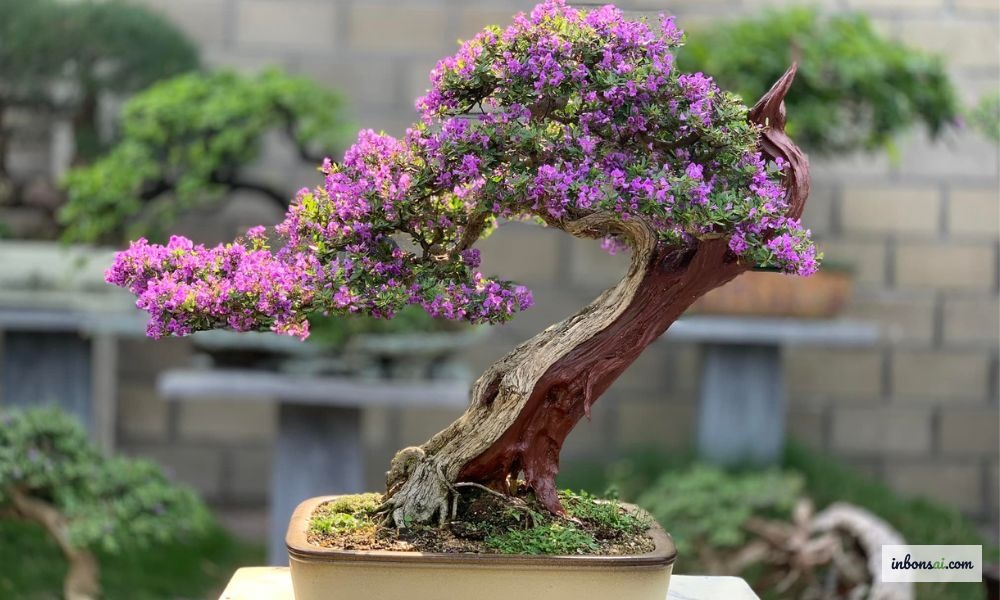
Popular tropical species in Vietnam — ficus (sung), lộc vừng, sanh, si, starfruit (khế), tamarind (me) — generally prefer moderate-to-high humidity but are very prone to root rot if drainage is poor.
Recommended mix for tropical species:
- 40% Akadama (or fired clay granules, 3–6 mm)
- 30% Pumice
- 20% Perlite
- 10% Biochar or fine coconut coir
This formula retains slightly more moisture than the classic Japanese mix (50% akadama), which suits Vietnam’s tropical climate where trees may need watering once or twice daily in summer. Biochar improves beneficial microbial activity and nutrient retention.
For trees in the Lĩnh Nam style — prized for their dramatic aged appearance with exposed roots — increase pumice to 40% for better aeration to support wide lateral root development.
Bonsai Soil for Flowering and Temperate Trees
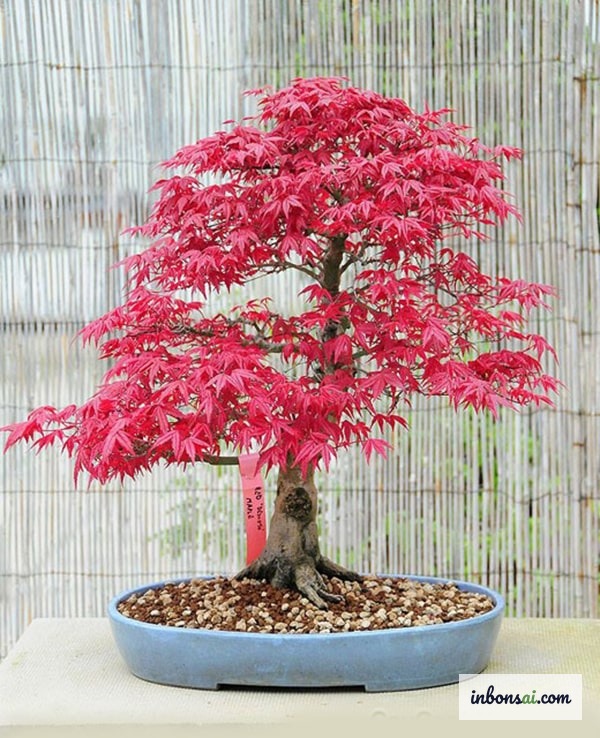
Flowering species like yellow apricot (mai vàng), lucky lime (mai chiếu thủy), pomegranate (lựu), bougainvillea (hoa giấy), and temperate conifers like Buddhist pine (tùng la hán) and juniper have notably different soil needs from tropical species.
Yellow apricot (Ochna integerrima) prefers well-aerated, moderately moist soil with a neutral to slightly alkaline pH (6.5–7.2):
- 50% Pumice or coarse perlite
- 30% Coarse akadama
- 20% Washed coarse sand (never use sea sand)
Avoid organically rich soil for yellow apricot — high organic content encourages lush foliage but makes it harder to trigger winter flowering. Organic material also breaks down over time and compacts the pot, forcing more frequent repotting.
Buddhist pine (Podocarpus macrophyllus) and other conifers are the most sensitive group. They need extremely fast drainage and maximum aeration:
- 60% Coarse pumice (5–8 mm)
- 30% Akadama
- 10% Small gravel or crushed granite
Add no organic component for conifers — fertilizer alone will supply all needed nutrients. When buying pre-mixed conifer bonsai soil, read the ingredients and avoid any product containing organic fertilizer or coconut coir.
For pomegranate bonsai and tropical-temperate flowering trees: use the tropical formula but add 10% coarse sand to help the soil dry faster between waterings, which encourages flowering.
Mixing Bonsai Soil at Home
If you can’t source specialized bonsai substrate or want to save costs, here is a practical mix using commonly available materials:
Basic mix for Vietnamese tropical species:
- 40% fired clay pellets (bonsai grade, 3–5 mm, water-stable)
- 30% perlite (available at garden centers)
- 20% activated charcoal or clean rice husk charcoal
- 10% washed coarse sand
Before mixing, sieve out dust and particles smaller than 2 mm — these tiny particles fill air pockets and reduce drainage. Sieve through a 2 mm mesh and keep only the coarser fraction. Why does this matter? Up to 30% fine dust in a substrate can reduce aeration by as much as 50%.
For an in-depth look at using premium components, see the guide on bonsai soil mix ratios with akadama, pumice, and perlite.
When to repot? Generally every 1–2 years for young trees, every 2–3 years for mature ones. Signs it’s time: water no longer drains quickly after watering, or you can see roots circling tightly around the root ball when you slide the tree out of the pot.
Common Mistakes When Choosing Bonsai Soil
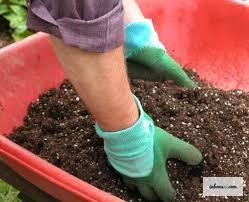
Even with the theory down, many growers still fall into these common traps:
Using 100% organic soil: Worm castings, composted manure, or pure humus mixes look fertile but compact quickly and hold moisture far too long. This is the most common cause of root rot in Vietnamese bonsai.
Skipping the sieving step: Many perlite, pumice, and fired clay products sold in bags contain fine dust. Skipping sieving can dramatically reduce the substrate’s aeration capacity.
Using the same soil formula for every species: Buddhist pine and ficus bonsai cannot share the same soil. Ficus tolerates higher moisture; conifers need extreme drainage. Mixing them up typically leads to one tree performing poorly — or dying.
Ignoring particle size: The same pumice in 2 mm vs. 8 mm grains drains very differently. For pots under 15 cm, use 2–4 mm particles; for larger pots, use 4–8 mm.
Repotting at the wrong time: Repotting in peak summer heat or during flowering stresses the tree severely. The ideal window is early spring as buds begin to swell, or late autumn as the tree enters dormancy.
Summary: Right Soil, Long-Lived Bonsai
Choosing the right bonsai soil for each species isn’t complicated, but it has an outsized impact on long-term results. Remember three core principles: fast-draining substrate, good root aeration, and moisture levels adjusted to match each species’ natural habitat.
Start with the basic formula, observe how your tree responds — are leaves green and vigorous? Are roots white and healthy at repotting time? — then fine-tune from there. There is no universally “perfect” bonsai soil; the best growers are those who watch their trees and adjust accordingly.
Good soil is just the foundation. Your bonsai still needs consistent care: proper fertilizing technique, regular watering, and seasonal shaping. Get the soil right, and everything else becomes easier.
Related Posts
How to Choose Bonsai Soil for Every Tree Species
How to Identify and Treat Bonsai Diseases Effectively

How to Make Homemade Organic Fertilizer for Bonsai
Worm Castings for Bonsai: How to Fertilize Correctly
How to Save a Dying Bonsai: Overwatered or Wilting
Bonsai Repotting Guide: Step-by-Step for Beginners
How to Fertilize Bonsai: Complete Technique Guide