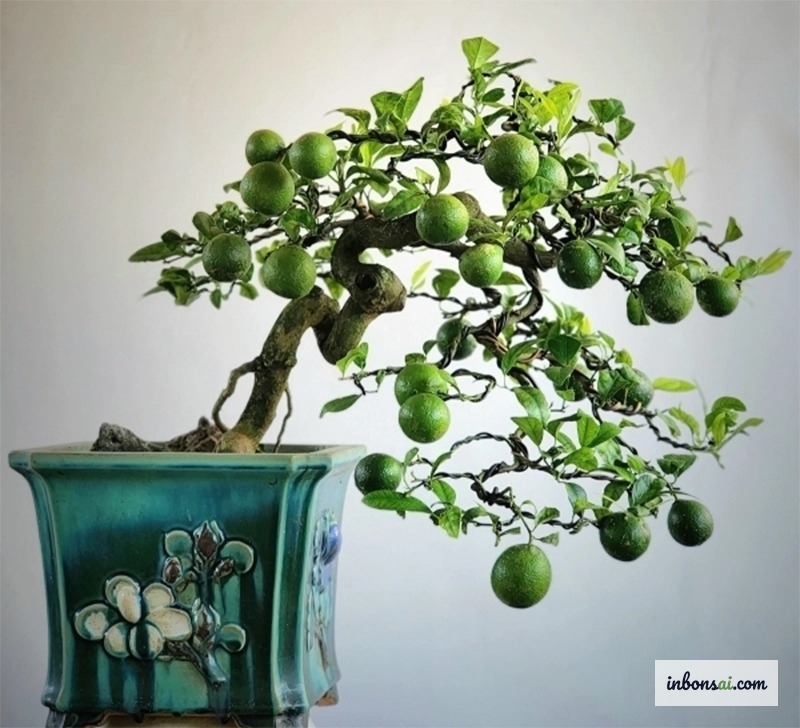
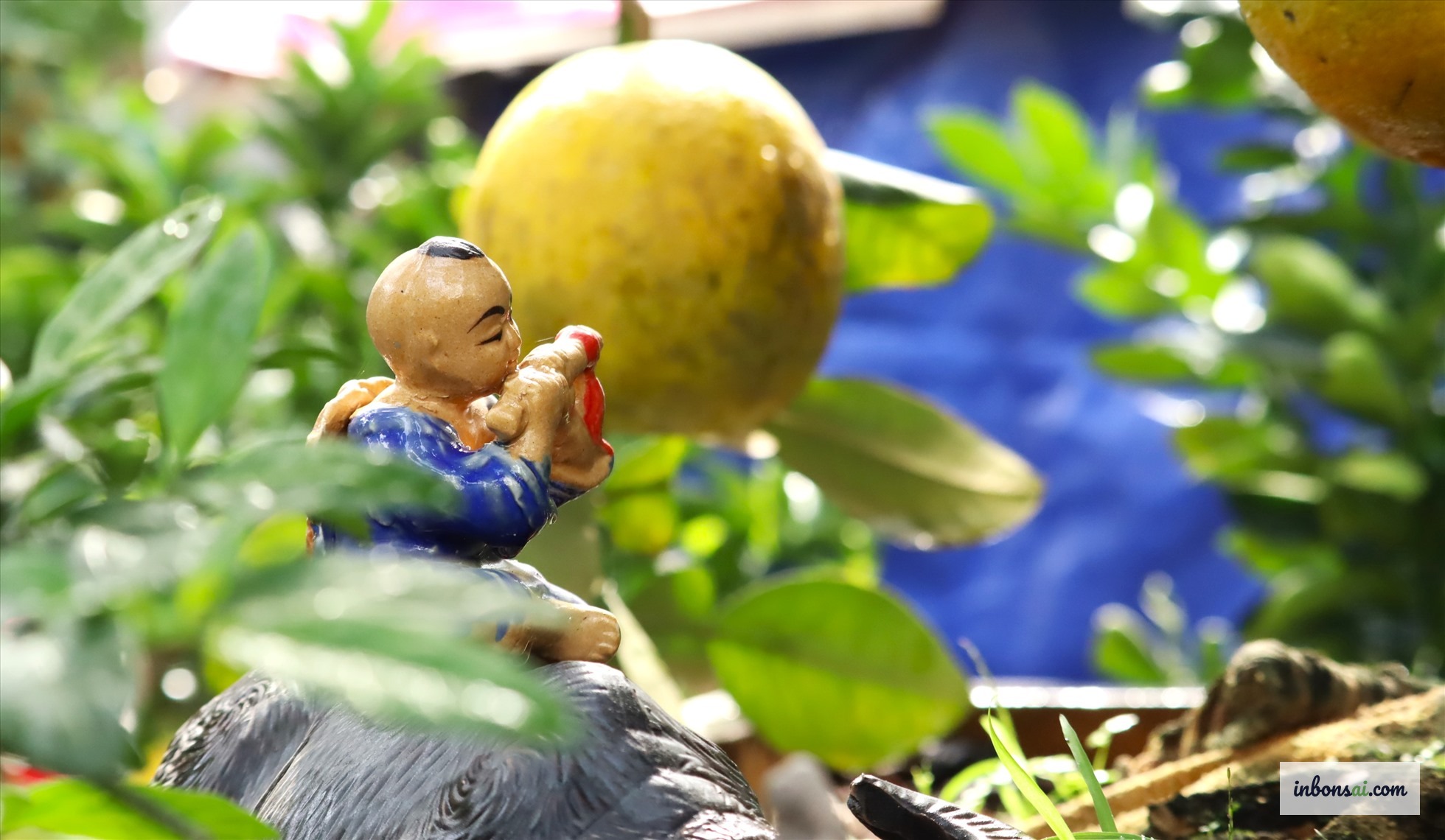
Guava bonsai (Psidium guajava) is rapidly gaining popularity among bonsai enthusiasts seeking both aesthetic beauty and positive feng shui energy. With its naturally peeling bark, abundant foliage, and charming miniature fruits, guava bonsai makes an ideal centerpiece for homes and balconies. This guide walks you through every step — from selecting the right tree to styling, pruning, and coaxing it into bloom.
Feng Shui Meaning of Guava Bonsai
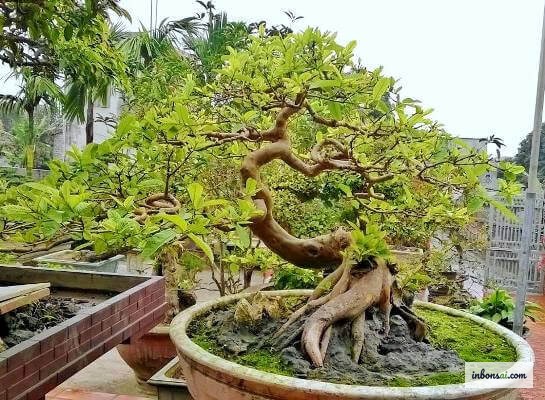
In Asian feng shui tradition, the guava tree symbolizes abundance and peace. Its round, golden-green fruits evoke images of flowing wealth and prosperity. Many families place guava bonsai in living rooms or on balconies to attract good fortune.
Guava belongs to the Wood element, making it especially compatible with people born under the Water and Fire signs. Water benefits from Wood in the productive cycle, while Fire persons experience balanced energy from the green foliage and ripening yellow fruit. The ideal placement is East or Southeast — positions representing health and financial luck.
Beyond feng shui, guava bonsai offers genuine aesthetic appeal: naturally peeling bark creates an aged, ancient look; dense foliage and miniature fruits provide year-round visual interest that changes with the seasons.
Choosing a Guava Tree for Bonsai: Key Criteria
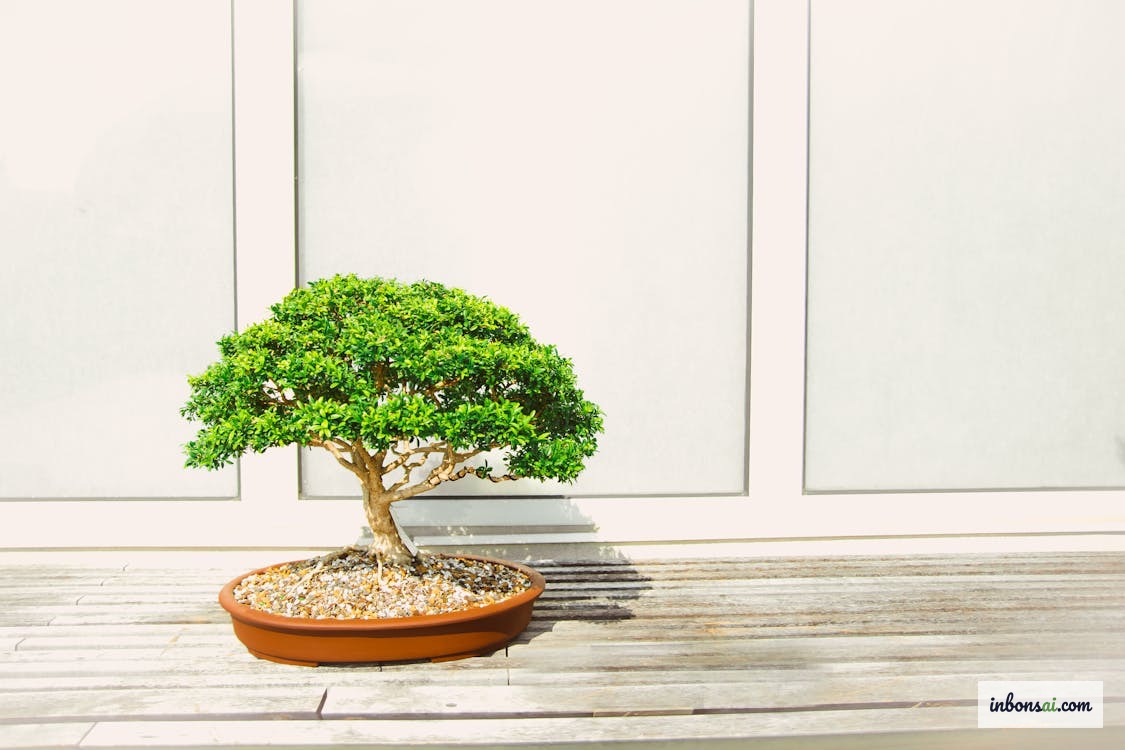
The first and most important step in creating a guava bonsai is selecting the right base tree. Three main sources are available: trees collected from nature (especially in rural areas and roadsides), trees purchased from nurseries, or trees propagated from seeds or air-layering.
When selecting, prioritize trees with a thick, rough-barked trunk — this indicates maturity and will create an aged appearance after styling. Surface roots (nebari) should spread evenly, and primary branches should distribute well across three dimensions. Small-leaf guava (Psidium guajava var. small-leaf) or wild guava is optimal as leaves reduce more easily through the styling process.
Avoid perfectly straight trunks (difficult to style), trees with dominant tap roots but poor surface roots, or trees recovering from severe disease.
Basic Guava Bonsai Styling Techniques
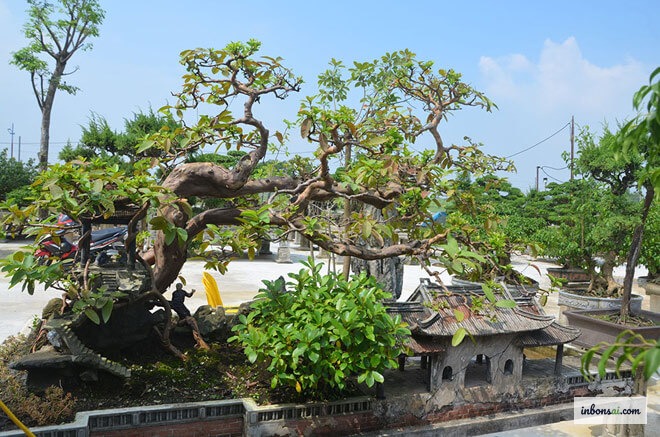
Guava suits many bonsai styles. Formal upright (chokkan) with a straight trunk and symmetrical branches symbolizes strength. Informal upright (moyogi) with a gentle curve is more natural and dynamic — the most popular style for beginners. Semicascade (han-kengai) or cascade (kengai) suits trees with longer trunks, creating the dramatic effect of a tree growing from a clifface.
For basic styling, wrap 2–3mm aluminum wire around the trunk and main branches clockwise at a 45° angle. Wrap from the thicker trunk section down to thinner branches, avoiding wrapping too tightly which can scar bark. Leave wire for 3–4 months then remove — the tree will retain the shaped form. For bending thicker branches, use stiffer copper wire.
The best time to style is after each new flush of leaves has hardened off (approximately March–May or September–October in Vietnam). Avoid bending branches during flowering or fruiting as this causes dropping.
Pruning and Developing a Beautiful Canopy
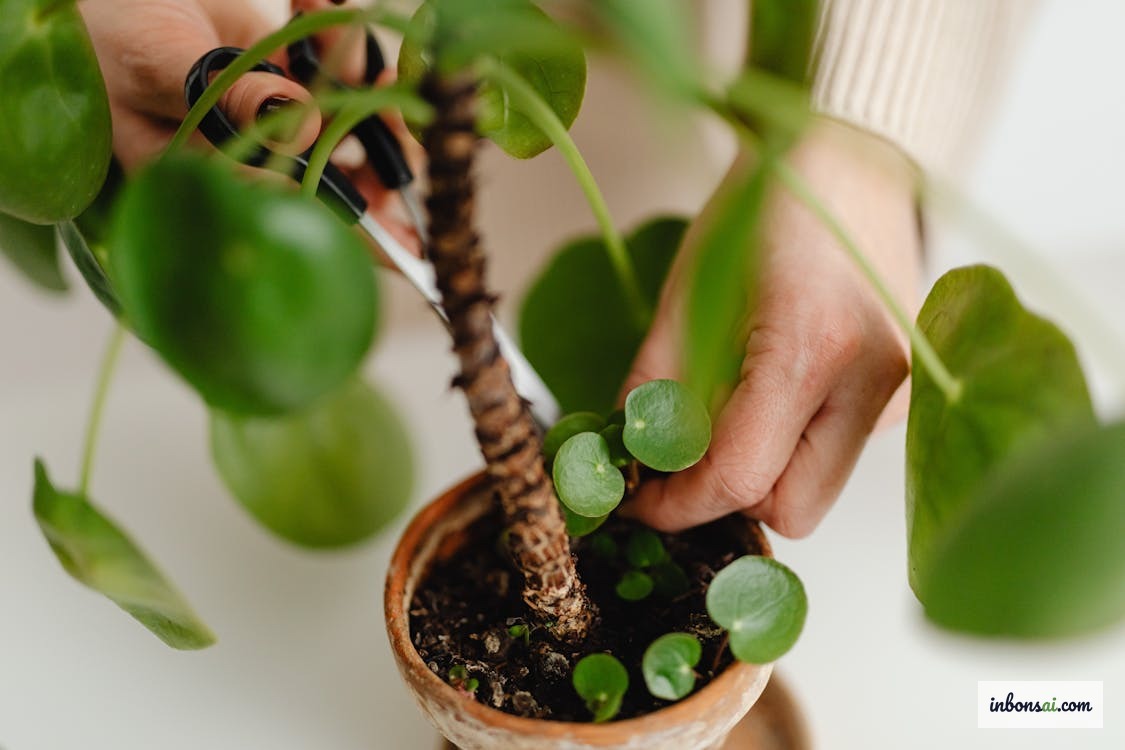
Pruning is the single most important practice for maintaining shape and encouraging balanced growth. Guava grows vigorously, requiring regular pruning every 1–2 months during the growing season.
Pruning principles: remove escape branches (growing straight up or down), crossing branches, and weak or thin growth. Once a branch has 4–6 leaves, cut back to 2–3 leaves to encourage ramification. Use small specialized bonsai scissors for clean cuts without crushing tissue. Apply lime paste or cut sealer to cuts larger than 5mm to prevent fungal infection.
To develop a hemisphere or triangle-shaped canopy, identify the tree's primary viewing angle (shohin), then prune the canopy to the desired shape. Upper-tier branches should be shorter than lower-tier branches to allow even light distribution throughout the canopy.
Soil, Pots, and Fertilizer for Guava Bonsai
Guava prefers well-draining, nutrient-rich, airy soil for roots. The ideal soil mix: 40% clean alluvial soil + 30% coarse sand (or perlite) + 30% coco coir or rice husk ash. If imported akadama or kiryu is available, add 20–30% to the mix to improve drainage and mineral retention.
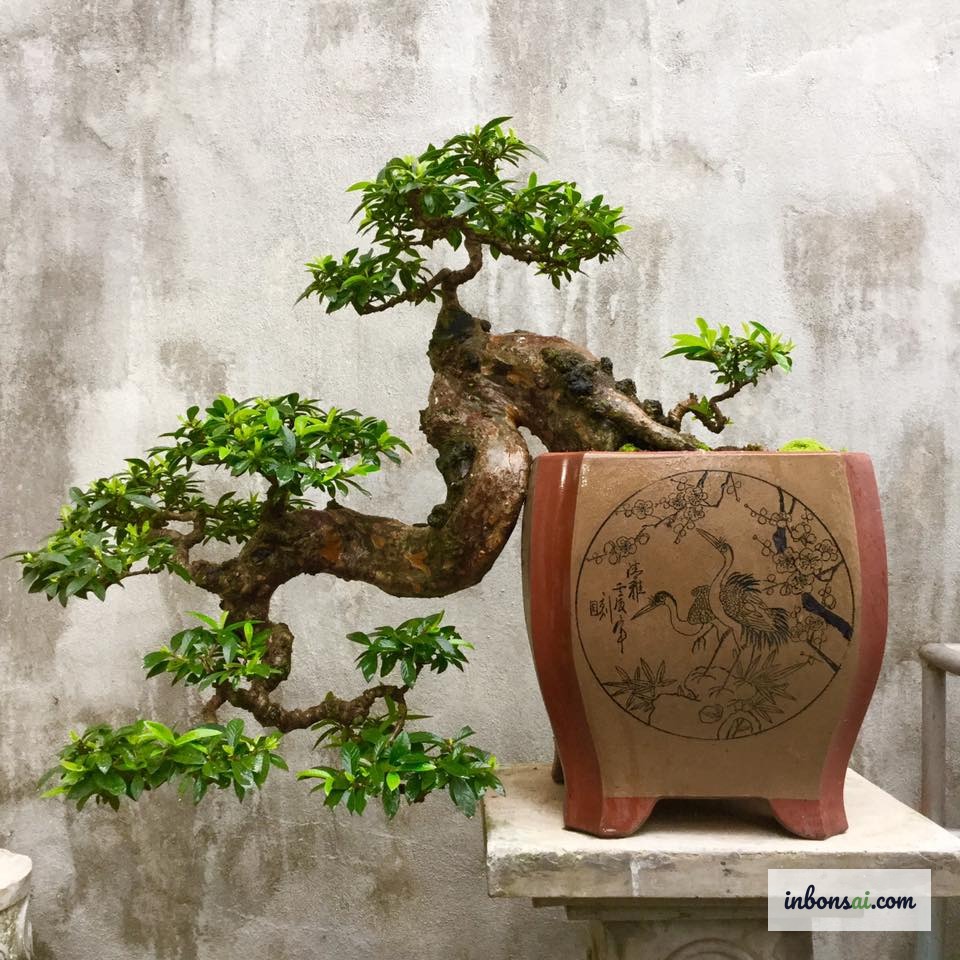
Bonsai pots for guava should have multiple drainage holes (minimum 2). Trees still in development use deep pots for root growth; established trees use shallow pots (mamebon or suiban) to showcase the aged trunk. Neutral-colored ceramic pots (brown, gray, deep blue) complement the peeling bark and golden fruits.
Fertilizing: during the growing season (March–September), apply balanced NPK 10-10-10 fertilizer every 2 weeks or slow-release organic pellets. Increase phosphorus (P) during the bud and flowering stage; supplement potassium (K) after harvest to boost disease resistance. Reduce or stop fertilizing in November–December during the rest period.
Daily Watering and Maintenance

Guava needs consistent moisture but cannot tolerate waterlogging. In hot summer weather, water 1–2 times daily in the early morning and evening; in winter, water every 3–4 days when the soil surface begins to dry. Check moisture by inserting a finger 2cm into the soil — if dry, water; if still moist, wait.
Water thoroughly from the top, stopping only when water drains freely from the bottom drainage holes. This flushes accumulated mineral salts and ensures deep roots receive water. Avoid watering in intense midday sun, as rapid evaporation and heat shock can stress roots.
Place guava bonsai outdoors where it receives 4–6 hours of direct sunlight daily. Adequate light produces more flowers and fruits, denser foliage, and fewer disease problems. If placed indoors, supplement with LED grow lights to ensure sufficient photosynthesis.
Pest and Disease Management
Guava is relatively disease-resistant compared to many bonsai species, but some issues require attention. Mealybugs commonly appear at leaf axils and flower stems — dab with 70% alcohol or spray diluted soap solution. Spider mites cause yellowing, wilting leaves — frequent misting maintains air humidity and deters them.
Leaf spot fungal disease appears when water sits on leaves or when ventilation is poor. Remove diseased leaves and spray copper-based fungicide (Bordeaux mixture) monthly during the rainy season. Root rot occurs from overwatering or poor drainage — repot immediately and trim damaged roots upon detection.
Inspect the tree weekly, particularly the undersides of leaves where pests typically hide. Early detection allows effective treatment without needing strong chemicals that impede growth.
Encouraging Guava Bonsai to Flower and Fruit
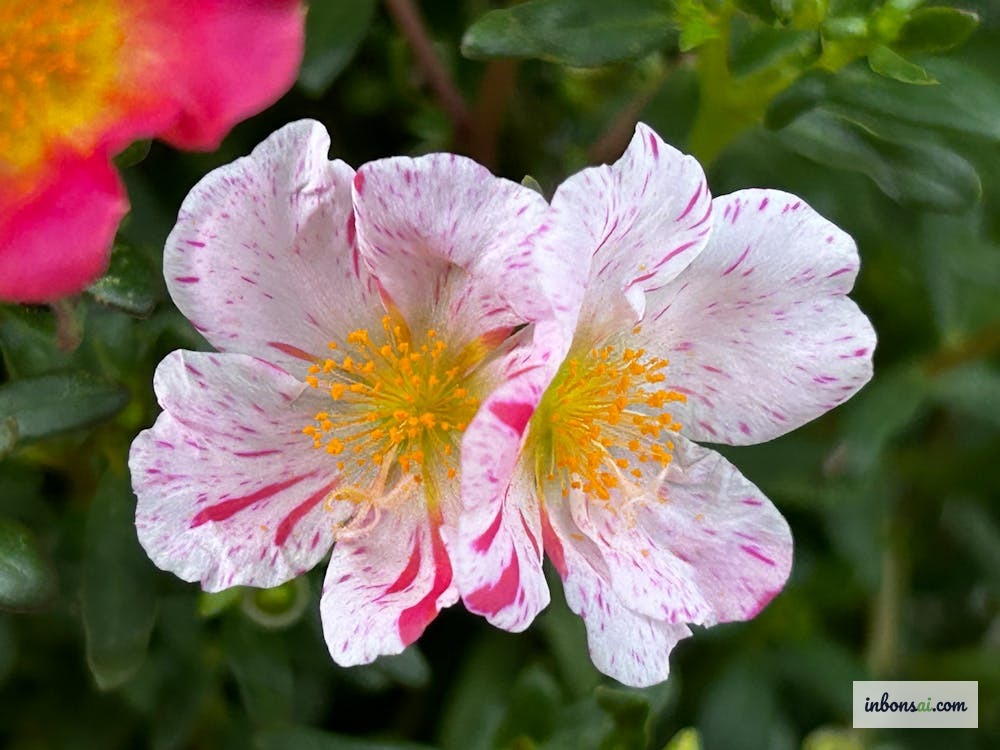
One of the most rewarding aspects of guava bonsai is encouraging it to produce delicate white flowers and tiny fruits. To trigger flowering, after each vigorous growth flush, apply mild stress: reduce watering for about one week to let the soil dry slightly while increasing light exposure. The tree will respond by developing flower buds on new shoot tips.
Apply phosphorus-rich fertilizer such as superphosphate or well-composted manure when buds appear. Avoid heavy pruning during this stage as flower buds form on new growth. Once fruits set, retain only 1–2 fruits per branch to ensure proper fruit size and prevent the tree from becoming exhausted.
Tags
#guava bonsai#feng shui bonsai#bonsai styling#bonsai care#fruit bonsaiGet bonsai guidance every week.
Fresh care guides, styling notes, and bonsai inspiration delivered to your inbox.