Watering seems like the simplest part of growing bonsai, yet it is the number one reason beginners' trees die. The question "how often to water a bonsai tree" has no single fixed answer for every situation, and the most common mistake — watering on a rigid schedule instead of according to the tree's real needs — has killed more trees than pests and disease combined. This guide will help you understand the true nature of watering and build the habit of observing your tree rather than counting days.
Why "Watering Once a Day" Is the Most Common Mistake
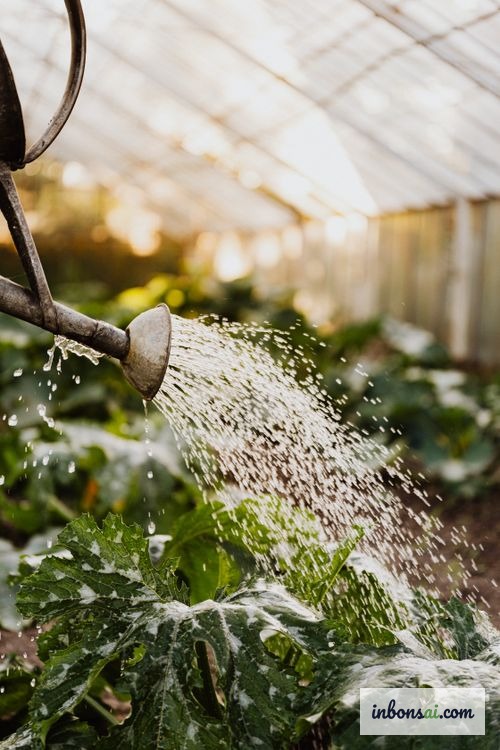
New bonsai growers often look for a safe number to feel reassured: water every morning, or once every two days. But trees don't run on a human schedule. The amount of water a tree needs changes constantly with the weather, the season, the pot size, the substrate type, and even the tree's growth stage.
On a scorching summer day, a small bonsai pot can dry out completely in just a few hours and may need watering twice. Conversely, on a humid rainy day or in the middle of winter dormancy, the same pot can stay moist for three or four days. If you keep watering daily regardless of conditions, the roots will sit in waterlogged soil, starve for oxygen, and begin to rot.
That's why the core principle of watering a bonsai for beginners isn't "how often to water" but "water when the tree needs it." Instead of asking how many days between waterings, learn to read the signals from the soil and the tree. This shift in mindset is the single most important change, and once you grasp it, every watering decision becomes natural.
How to Check Soil Moisture Before Watering
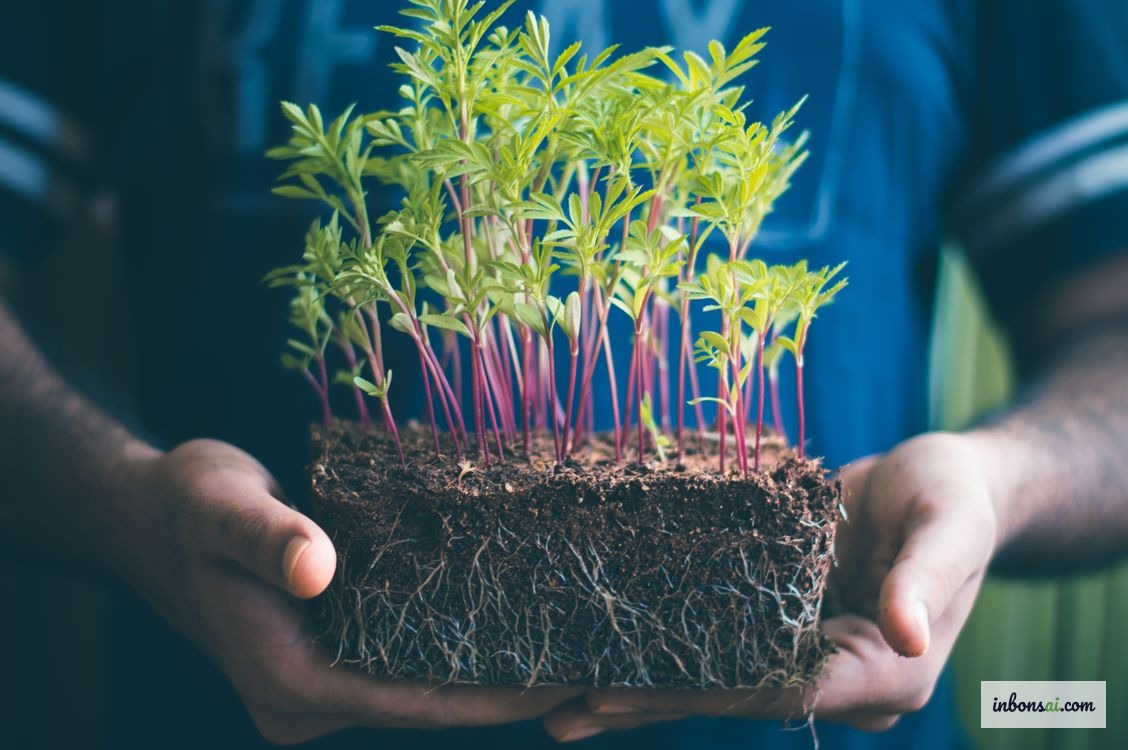
Before each watering, check the moisture of the substrate instead of watering by reflex. There are a few simple, reliable methods any beginner can do right at home.
The most common method is the finger test: gently press your fingertip into the soil about 1–2 cm deep. If it feels cool and moist, you don't need to water yet. If the soil is dry and crumbly, it's time to water. Another method is to insert a wooden or bamboo stick into the soil, then pull it out after a few minutes — a dark, damp stick means there is still moisture, while a dry stick means the tree needs water.
You can also observe the surface color of the substrate and lift the pot to feel its weight. An unusually light pot is often a sign the soil has dried out. After some practice, you'll be able to estimate a tree's water needs just by looking and lifting, with no extra tools.
For beginners who aren't used to this yet, a cheap soil moisture meter is a worthwhile investment in the first few weeks to calibrate your sense of touch. But don't rely on it forever — the goal is to train your observational intuition.
What Factors Determine How Often to Water a Bonsai
Understanding the factors that affect how fast the soil dries will help you predict when your tree needs water. These are the most important variables to watch.
Weather and season are the biggest factors. Hot, windy summers make water evaporate quickly, so the tree needs watering more often, sometimes twice a day. In winter, the tree grows slowly or goes dormant, and its water needs drop sharply. Air humidity also matters: on dry days the soil loses water faster than on humid, rainy days.
The size of the tree and pot also makes a big difference. A smaller pot holds less substrate and dries out very fast — a mini bonsai may need watering several times a day in hot weather. A large tree with a dense canopy transpires more water through its leaves, so it drinks more too. Finally, the strong growth phase in spring and summer makes the tree absorb more water than during winter rest.
How Indoor and Outdoor Bonsai Watering Differs
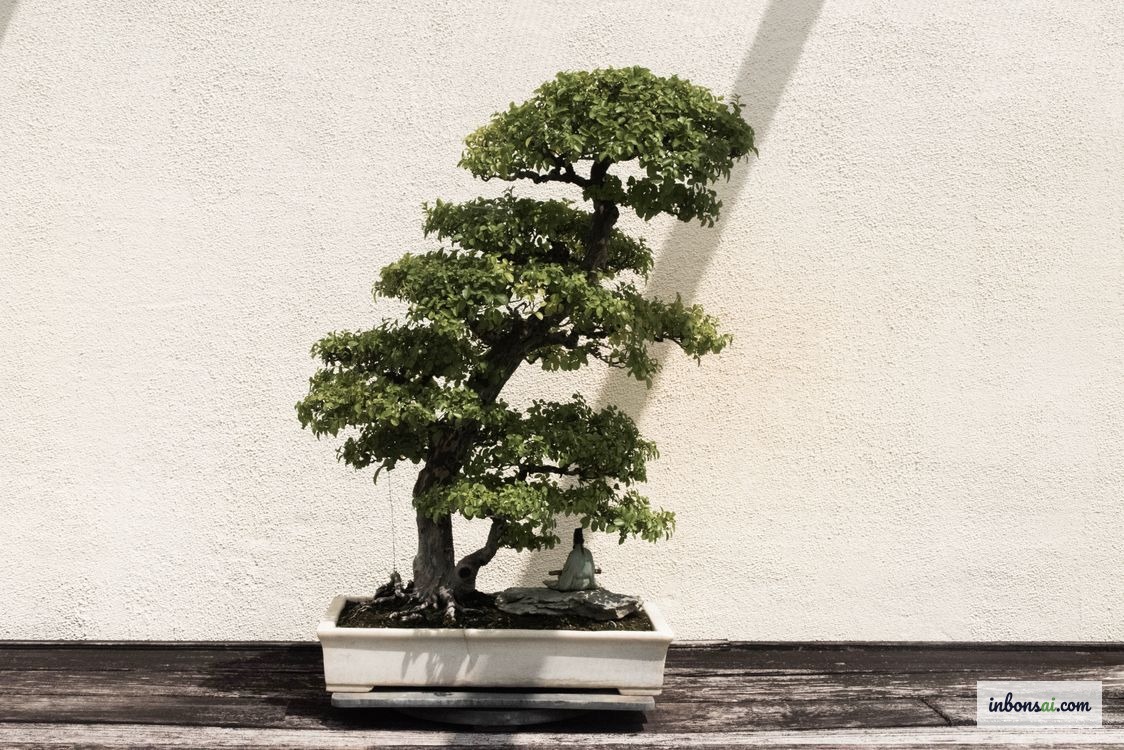
Where you place your tree creates a big difference in the watering schedule, and this is a point many beginners overlook. The same species, placed indoors versus outdoors, will have completely different water needs.
Outdoor bonsai are exposed to direct sun and wind, so the soil dries quickly, especially in summer. You need to check daily and be ready to water twice on peak days. If you're not sure how to tell the needs of these two groups apart, you can read more in our article on choosing a bonsai for beginners: indoor or outdoor to understand the traits of each location.
Indoor bonsai face less wind and harsh sun, so the soil retains moisture longer and is more prone to overwatering than to drying out. However, air conditioners and heaters dry out the air and can sometimes pull moisture out unexpectedly. With indoor trees, be especially wary of overwatering, because poor drainage and weak light make roots prone to rot. Always check the soil first — don't assume an indoor tree needs little water in every situation.
How Pot Type and Substrate Affect the Watering Schedule
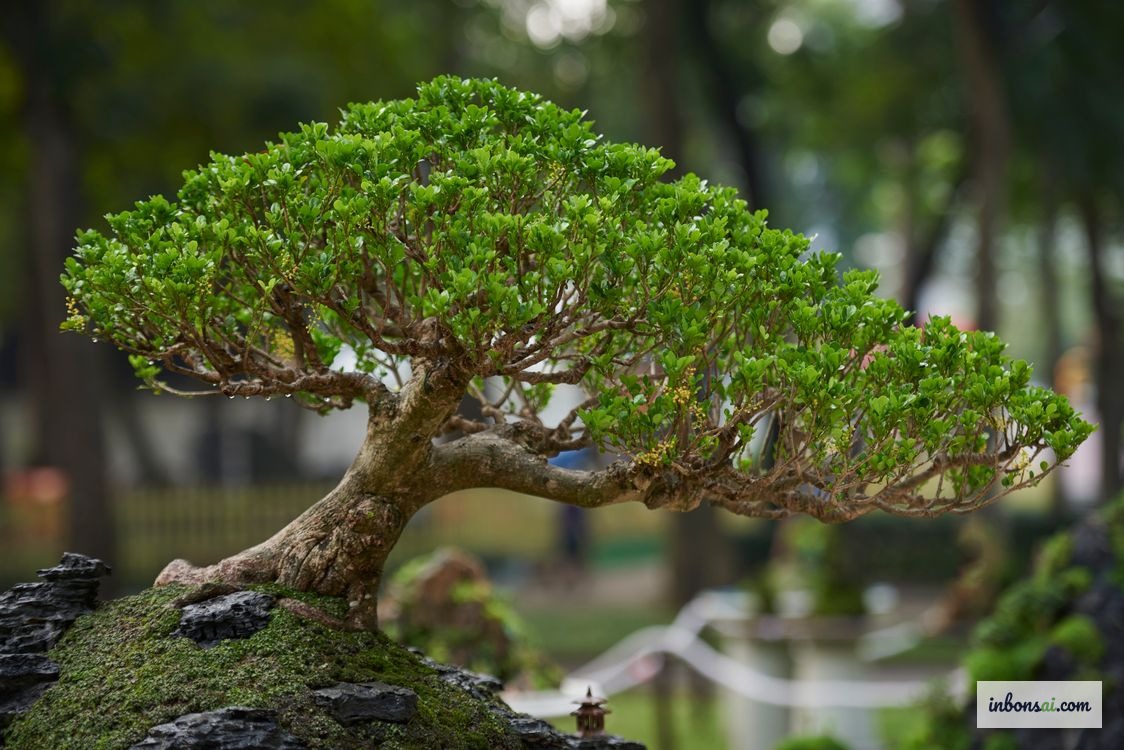
The pot and substrate are two technical factors that determine how fast water drains and is retained, directly affecting your watering frequency.
As for the pot, unglazed terracotta has porous walls that let water evaporate through the sides, so the soil dries faster than in glazed ceramic or plastic pots. Shallow, wide pots dry faster than deep ones. The number and size of drainage holes also matter — good drainage helps avoid waterlogging, but the soil also dries faster. When the tree becomes root-bound, there is less soil and it dries very quickly, which is one of the signs it's time to repot your bonsai.
As for the substrate, a well-draining mix such as akadama, pumice, and lava rock drains quickly and gives roots plenty of oxygen, but needs more frequent watering. Heavy garden soil holds water longer but easily causes waterlogging and root suffocation, making it unsuitable for bonsai. Beginners should choose a dedicated well-draining substrate and accept watering a bit more often, because healthy roots matter more than convenience.
Proper Watering Technique for Beginners
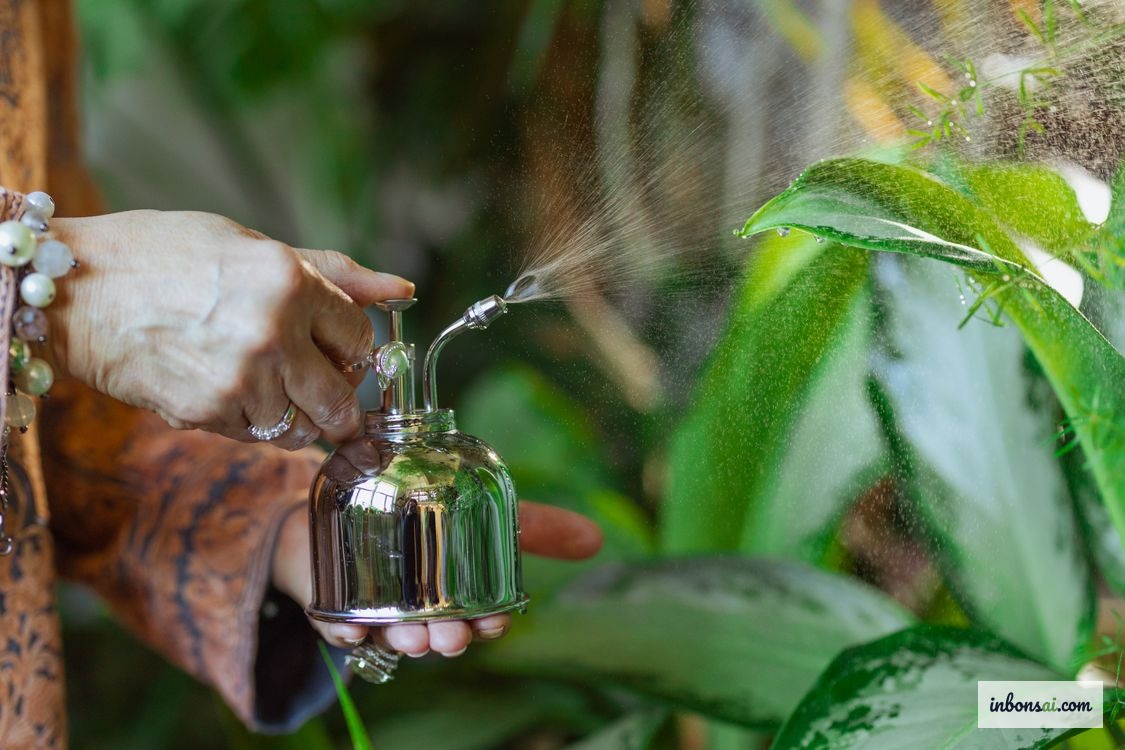
Watering with the right technique is as important as watering at the right time. Watering superficially so the surface gets wet but the deep roots stay dry is a very common mistake.
When you water, do it slowly and evenly across the entire surface of the substrate until water flows out of the drainage holes at the bottom of the pot. This ensures the whole root ball is soaked with no dry pockets inside. Then wait a moment and water a second time to make sure the water penetrates evenly, especially with substrate that has been dry for a while — when too dry, the soil can repel water and let it run off without absorbing.
Use a watering can with a fine rose nozzle to avoid washing away the substrate and exposing the roots. The best time to water is early morning, which gives the tree enough water for a hot day and lets the leaves dry before evening, reducing fungal disease. On extremely hot summer days you can add a watering in the cooler evening, but avoid watering in the harsh midday sun because the temperature difference can shock the roots. If you use tap water, let it sit overnight to release some chlorine before watering.
Signs of Incorrect Watering: Overwatering and Underwatering
Learning to read your tree's signals helps you adjust in time before it's too late. Both overwatering and underwatering leave fairly clear signs if you pay attention.
An underwatered tree usually has wilting, soft leaves with dry, brittle edges that gradually drop; the soil shrinks away from the pot walls. This situation is easy to fix — water thoroughly and place the tree in a cool spot, and it usually recovers within a few hours. By contrast, an overwatered tree is far more dangerous: leaves yellow from the inside out, turn mushy, the base smells foul, the soil stays soggy, and moss or mold appears. Once the roots have rotted, recovery is much harder.
The important thing to remember is that wilting leaves are not always due to lack of water — waterlogged, rotting roots also prevent the tree from absorbing water and cause identical wilting. So don't rush to add more water when you see drooping leaves; check the soil moisture first. If the soil is soggy but the leaves are still wilting, the problem is overwatering, not underwatering, and you need to stop watering immediately.
Mistakes to Avoid When Watering Bonsai in Hot Weather
Besides watering on a rigid schedule, beginners often make other mistakes that harm the tree without realizing it, especially during the peak hot months.
A common mistake is watering lightly several times instead of soaking thoroughly once — this only wets the surface, causing roots to grow shallow toward the surface in search of water, making them weaker. Another error is letting the pot sit in a saucer full of water, turning the bottom of the pot into a waterlogged pool. Many people also forget to adjust for the season, keeping the summer frequency into winter and waterlogging a dormant tree. To care for your tree through the harshest part of the year, refer to our article on caring for bonsai in the extreme heat of May and June.
Finally, remember that every tree is different. Don't mechanically apply one tree's watering schedule to another, even of the same species. Be patient and observe, remember which pots dry fast or slow, and you'll soon water by intuition. Watering correctly is a foundational skill — once you master it, you've cleared the biggest hurdle a beginner bonsai grower faces.
Tags
#bonsai-watering#bonsai-for-beginners#bonsai-care#soil-moistureGet bonsai guidance every week.
Fresh care guides, styling notes, and bonsai inspiration delivered to your inbox.