
Spice Plants
GALANGAL
(ALPINIA OFFICINARUM)
Galangal is a widely used spice plant in daily life. Dishes like 'rua man' and 'gia cay' (imitation dog meat) cannot be without the flavor of galangal.
Spice Plants
Care Notes
Water Needs
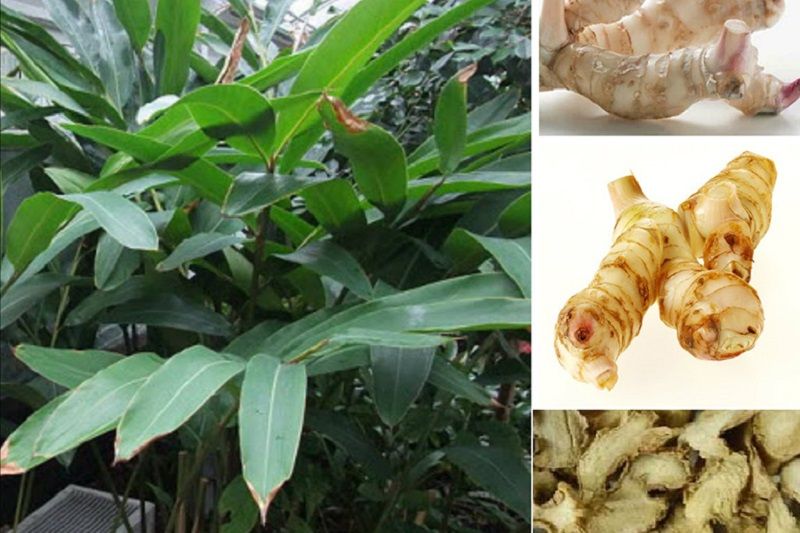
GALANGAL
ALPINIA OFFICINARUM
1. Biology
Perennial herb, over 1m tall. Strong rhizome development. Leaves broad, smooth, pleasant fragrance.
2. Uses
Spice (culinary dishes, pickling) and Medicinal (skin diseases, heat rash).
3. Cultivation
Plant in Feb-Mar. Loose soil. Propagate by rhizomes.
I. Uses & Value
Galangal is a spice plant widely used in the daily life of people. Dishes like "rua man" and "gia cay" cannot be without galangal. Galangal is used to pickle eggplant, making it very white, crispy, and fragrant.
Other benefits: Galangal is also a medicinal herb used to treat skin diseases. Galangal leaves are used to bathe children to treat heat rash.
II. Biological Characteristics
- Stems & Roots: Perennial herb, over 1m high. Rhizomes develop strongly, which is the used part. Pseudostems formed by leaf sheaths.
- Leaves: Broad leaves, similar to 'dong' leaves, light green, smooth surface, soft, with a pleasant fragrance.
- Climate: Prefers mild climate, tolerates heat and humidity, drought tolerant, does not tolerate waterlogging.
- Light: Light-loving, can grow at forest edges, under sparse canopy.
- Soil: Not picky about soil, but loose soil, rich in organic matter, with a thick cultivated layer is best for growth.
III. Cultivation Techniques
1. Season & Soil
- Season: Best from mid-February to mid-March. Late planting from late March to early April. In warm dry places, can plant multiple crops.
- Soil: Plow thoroughly, clear weeds. Beds 1.1 - 1.2m wide, 0.25 - 0.30m high, furrow 0.25 - 0.3m wide.
2. Fertilizers (per 1,000m²)
- Organic fertilizer: 1.5 - 2.0 tons
- NPK: 40 - 50kg
- Superphosphate: 25 - 30kg
- Potassium chloride: 15 - 20kg
* Basal application: All organic fertilizer, phosphorus and 1/3 potassium in holes/furrows before planting. Mix well with soil.
3. Spacing & Planting
- Spacing: Rows 50-60cm apart, plants 40-50cm apart.
- Seed: Select healthy rhizomes, disease-free. Cut into small sections (2-3 buds).
- Planting: Place rhizomes in holes/furrows, cover with 5-7cm of soil.
4. Care
- Watering: Twice daily (morning, afternoon) until sprouting. Then furrow irrigation or as available. Keep moist during strong growth and tuber formation.
- Weeding/Earthing up: 25-30 days after planting, hoe the surface, hill up soil to base, remove weeds. Only earth up in early stages.
- Top dressing: - Use 7-10kg NPK/time. Dissolve (1.5-2%) or dry application (7-10cm from base). - Tuber formation period: Add Potassium (5-7kg/time).
IV. Harvest & Seed Saving
- Timing: Can harvest for seed after 12-13 months. Commercial harvest needs mature rhizomes for best fragrance.
- Signs: Old leaves/stems, firm/hard rhizomes.
- Pre-harvest: Let field dry for 30-40 days.
- Method: Hoe both sides of bed, pull up whole plant, cut stems/leaves, shake off soil. Or cut stems first then dig.
- Seed Storage: Air dry skin then store in cool place.
Conditions
Planting
Feb-Mar. Rhizome cuttings.
Care
Weeding after 1 month. Top dressing.
Tuber Formation
Add Potassium, limit disturbing soil.
Harvest
After 12-13 months.