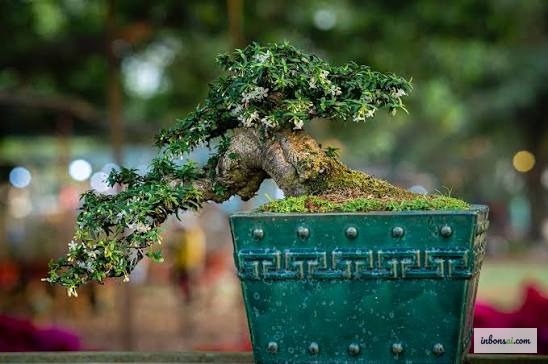
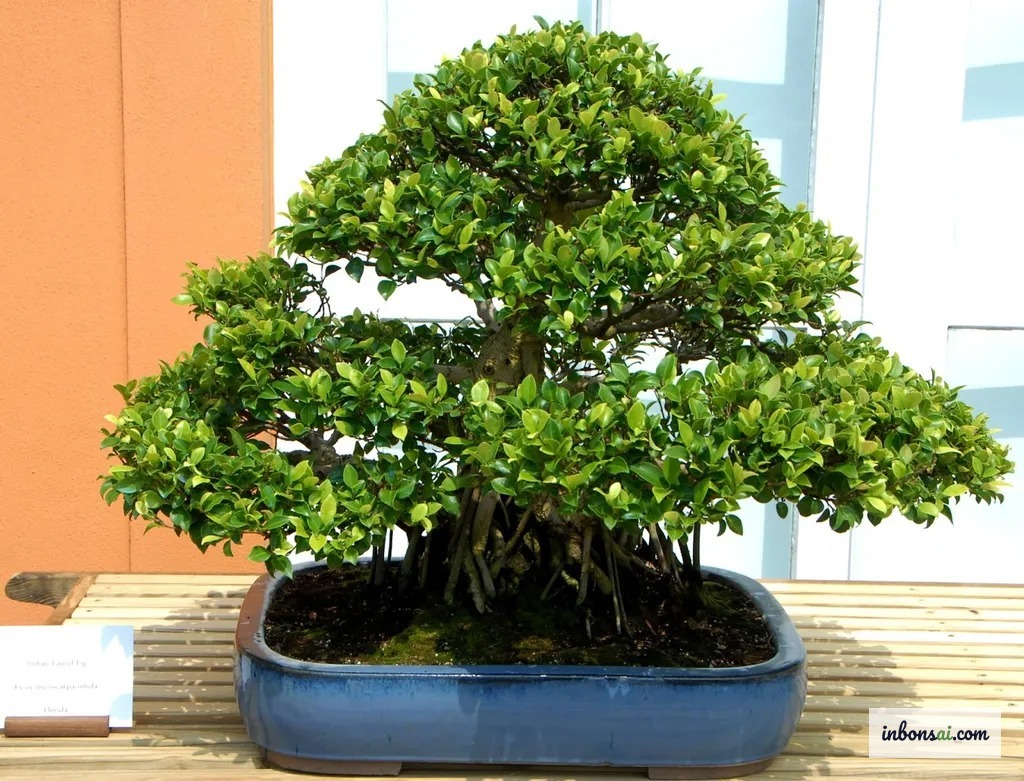
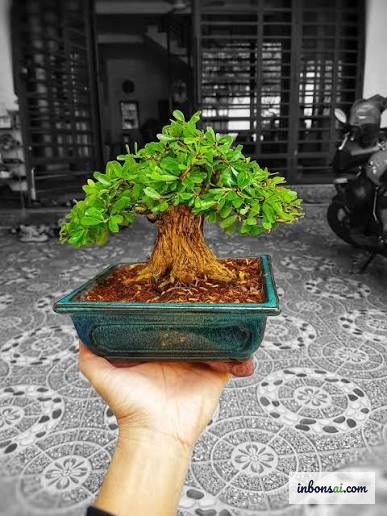
Buying bonsai material (pre-bonsai stock) is the classic starting point for many beginners, since it costs far less than a finished tree and lets you style it yourself. Yet plenty of people bring a tree home only to watch the leaves wilt and drop within days — the result of picking the wrong material or transporting a tree from a climate that's simply too different. This guide shares practical experience for buying cheap bonsai material at markets and nurseries while avoiding the risk of climate shock once you get it home.
What Is Bonsai Material, and Why Start With the Cheap Stuff?
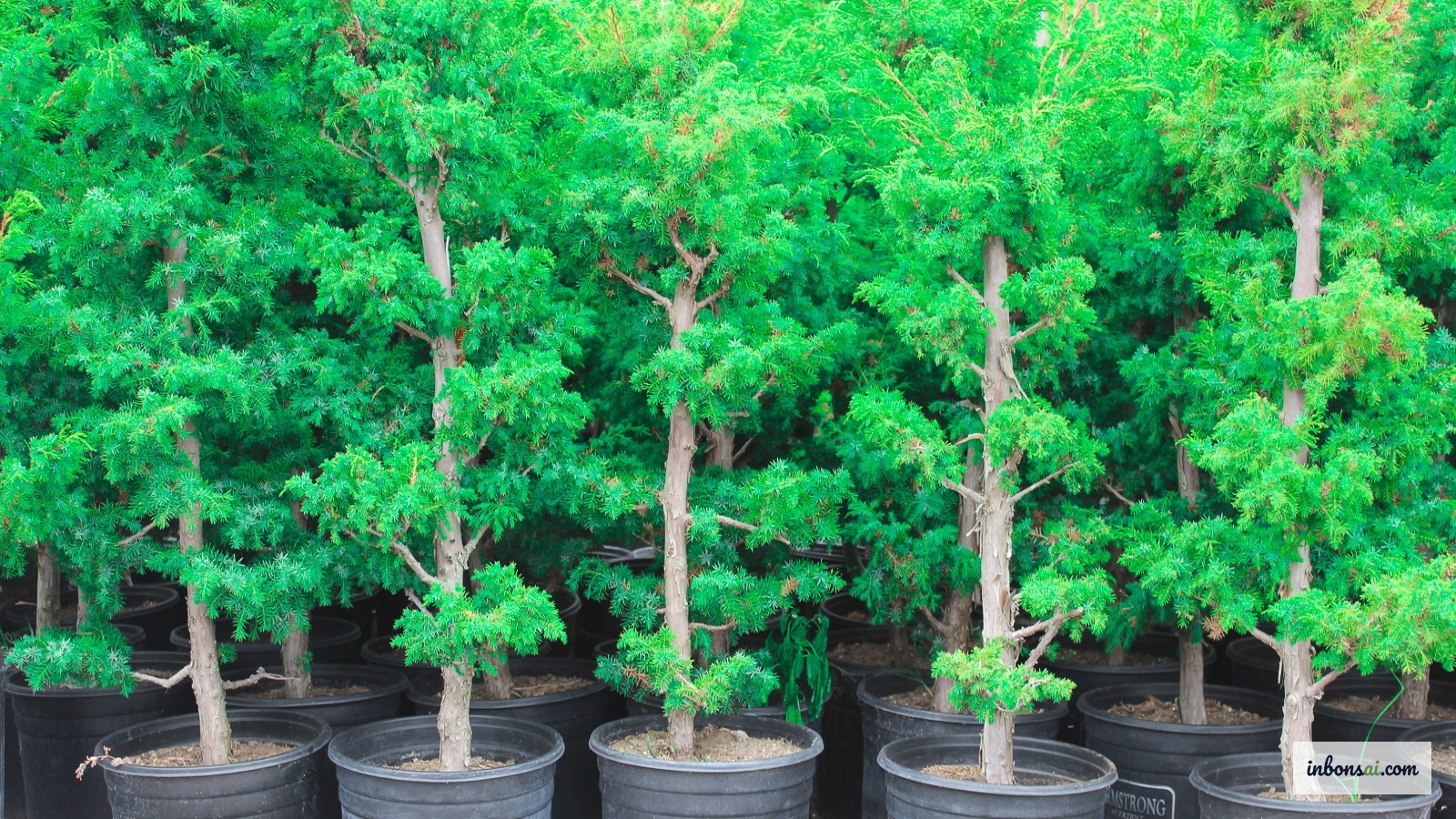
Bonsai material (often called "pre-bonsai") refers to woody or shrubby trees that haven't been styled yet, or have only had their roots and branches roughly prepared, meant as raw stock for an artist or hobbyist to shape into a finished bonsai. Compared to a finished bonsai with a clear silhouette, material costs only 1/5 to 1/10 as much — well within reach for a beginner's budget.
Starting from material also helps you understand each species' growth habits, read a tree's "potential" to imagine its future shape, and build styling experience gradually instead of risking damage to an already valuable tree. That's exactly why bonsai material remains a bestseller at plant markets and nurseries everywhere.
But that low price comes with risk: material is often collected from the wild or shipped in from a region with a very different climate and soil than where you live. Without the right buying experience, you can easily end up with a tree that was already weakened, and climate shock on top of that can kill it within a week.
Telling Apart the 3 Grades of Bonsai Material: Collected, Nursery-Grown, Pre-Styled
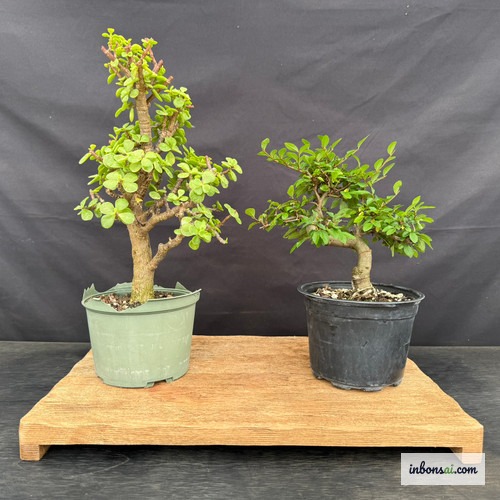
Before you pay, you need to distinguish the 3 grades of material commonly sold on the market, since each has a very different survival rate and risk level.
Grade 1 — freshly collected material: a tree just dug up from a forest, mountainside, or someone's yard, with no recovery period yet. The roots are usually cut back hard, and the tree is still reeling from the extraction. It's the cheapest, but survival is low — often only 40-60% without good aftercare technique.
Grade 2 — nursery-grown material: kept and cared for by a nursery for 6 months to 2 years after collection, with new feeder roots already growing and the tree settling into stable growth. It costs 30-50% more than Grade 1, but survival after replanting is typically above 85%.
Grade 3 — pre-styled material: a tree that has fully stabilized and been lightly pruned by an artist to establish an initial silhouette (formal upright, slanting, cascade, etc). This is the safest choice for beginners, since the tree is essentially past its shock phase and just needs care plus further styling.
For beginners, prioritize Grade 2 or Grade 3 even at a higher price — the risk of losing the tree drops far more than the money you'd save buying Grade 1.
Buying Experience: What to Check at the Market or Nursery
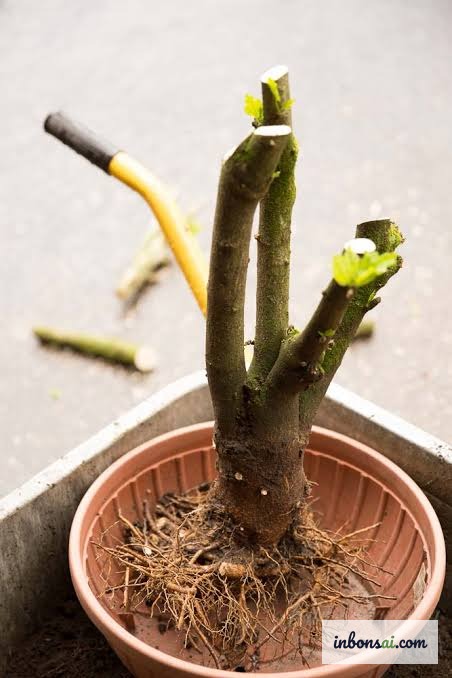
When you're at a plant market or nursery in person, apply the following checks to pick healthy bonsai material at a fair price.
First, examine the root ball if it's exposed or bare-rooted. Healthy roots range from pale yellow to light brown, never black, mushy, or foul-smelling — signs of root rot. Gently squeeze the root ball; if it feels evenly moist with white feeder roots emerging, the tree is actively growing.
Second, check the bark on the trunk and branches. Good material has fresh, unbroken bark with no dry cracking and no sign of borer damage (small holes, sawdust around the base). Scratch a small patch with your fingernail — green underneath means the wood is alive; dry brown means that branch is dead.
Third, ask directly about the tree's origin and how long the nursery has kept it. An experienced seller will readily tell you where it was collected and how long it's been recovering. See also Choosing a Bonsai for Beginners: Indoor or Outdoor? to understand which species suit your living conditions before you head to the market.
Finally, don't be tempted by a strikingly shaped tree at a suspiciously low price — that's usually freshly collected Grade 1 material with a low survival rate. A cheap price is only a bargain if the tree stays alive long-term.
Why Climate Shock Happens When You Buy Material From Another Region
Climate shock is severe physiological stress a tree experiences when it's moved from its familiar environment to a region with very different temperature, humidity, or light intensity in a short span of time. It's the leading cause of death for bonsai material after purchase, even when the tree was picked correctly.
A classic example: material collected from cool, humid highland areas will lose moisture through its leaves rapidly once moved to a hot, dry lowland climate, while the roots haven't recovered enough to replace that lost water. Conversely, material from a hot, humid tropical region moved to a cold highland area can go into sudden dormancy or suffer root rot from soil that's too cold and wet.
Climate shock symptoms usually appear within 3-7 days: leaves wilting even though the soil is still moist, yellowing and dropping leaves in no natural pattern, and branch tips drying out. Many people mistake this for underwatering and add more water, which only waterlogs the roots and kills the tree faster.
The bigger the climate gap — say, buying material collected in the north and bringing it to the south, or vice versa — the higher the shock risk. So buying experience for bonsai material isn't just about spotting a healthy-looking tree; it also means asking exactly where the tree came from.
How to Care for Material After Bringing It Home to Prevent Climate Shock
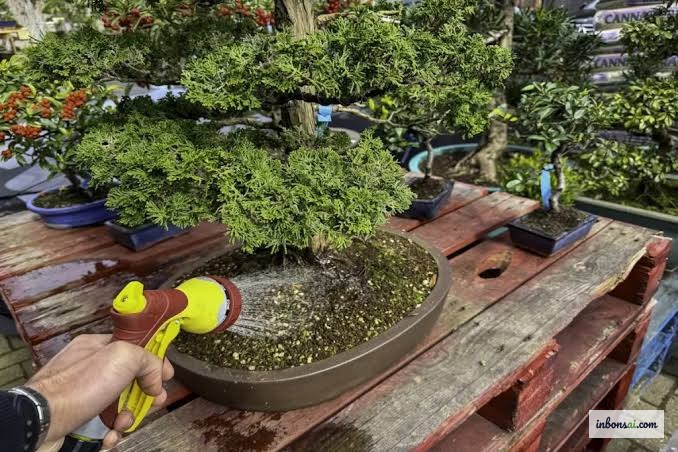
The first 2-4 weeks after bringing material home are the decisive window for survival. Following the right recovery routine significantly cuts the risk of climate shock.
First, place the tree in filtered light (50-70% sun), avoiding both harsh direct sun and full shade for at least the first two weeks. An abrupt jump from a familiar environment into intense sun causes rapid leaf water loss while the roots are still recovering.
Next, keep soil moisture consistent without waterlogging. Check by pressing a finger about 3cm into the soil — if it's still moist, hold off on watering. Misting the foliage once or twice a day in the early morning and cool evening helps reduce transpiration loss without soaking the roots.
For the first 3-4 weeks, avoid any high-concentration chemical fertilizer entirely. The roots are still in recovery, and feeding too early can "burn" them and worsen the shock. A diluted rooting stimulant, used per the manufacturer's instructions, can help support new root growth.
If you notice the tree weakening significantly, it's worth learning the right timing for repotting — see When Should You Repot a Bonsai? Signs to Watch For so you don't intervene at the wrong time and compound the stress.
Common Mistakes When Buying Cheap Bonsai Material
Many beginners lose their first tree by repeating a handful of common mistakes.
The first mistake is focusing only on price and ignoring root quality — suspiciously cheap material is usually rushed, freshly collected stock with roots cut too close to the trunk to sustain the tree through the early recovery period.
The second mistake is buying several trees at once to "try your luck" without having enough time to give each one individual attention during recovery. Every piece of material needs close monitoring for at least the first month; buying in bulk means you're less likely to catch warning signs in time.
The third mistake is repotting, hard pruning, or styling a tree right after bringing it home. These are all stress-inducing interventions, and combined with climate shock they can exhaust the tree quickly. The safe rule is to let the tree fully stabilize (usually 1-3 months, depending on species) before any major intervention.
Finally, many people skip learning the basic care needs of the species they've bought. See also Indoor Bonsai Care for Beginners to master watering and light fundamentals before you buy material, so you can care for your tree correctly from day one.
Buying cheap bonsai material isn't hard once you know how to tell the grades apart, how to check roots and bark, and how climate shock happens when moving a tree between regions. Patience through that critical first 2-4 weeks of recovery is what turns an inexpensive piece of material into a valuable bonsai down the road.
Tags
#bonsai-material#pre-bonsai#climate-shock#plant-nursery#beginner-bonsaiGet bonsai guidance every week.
Fresh care guides, styling notes, and bonsai inspiration delivered to your inbox.