After a heavy storm, your bonsai garden can look like it just survived a battle: pots knocked over, branches snapped everywhere, soil soaked through. Don't rush to fertilize or wire the tree back into shape right away — bonsai storm recovery requires the right sequence of steps, done patiently stage by stage. Getting the first step wrong can push an already-weakened tree past the point of no return, sometimes weeks after it looked like it had stabilized.
This guide walks through a 7-step recovery process: assessing damage, re-staking uprooted trees, pruning broken branches correctly, fixing waterlogged soil, reducing water loss through foliage, preventing fungal infection, and following a long-term recovery timeline. This is practical, field-tested guidance for anyone growing bonsai in storm-prone regions during typhoon and monsoon season.
Assess the damage before you touch anything
The first thing to do after a storm isn't grabbing your pruning shears — it's walking the whole garden and taking stock. Sort the damage into three tiers: minor (a few small broken twigs, torn leaves), moderate (large broken branches, a tilted pot), and severe (a fully uprooted tree, a cracked trunk, a shattered pot).
For each tree, check three things closely: are the roots still anchored in the soil, is there any vertical cracking in the trunk, and what percentage of the canopy is still intact. A tree that has lost more than 50% of its foliage needs priority attention, since its risk of dehydration and heat shock is far higher than a tree with just a few broken branches.
Write down a priority order: uprooted trees and high-value specimens go first, trees with only minor leaf tearing can wait a day or two. Don't try to handle everything at once in a rush — mistakes made under pressure (cutting a healthy branch by accident, yanking roots loose) can do more damage than the storm itself.
Get your tools ready before you start: pruning shears sterilized with 70% alcohol, soft tie-down cord, support stakes, and a wound-sealing solution. Working quickly but without haste gives the tree the best possible chance at recovery.
Re-stake and stabilize uprooted or toppled trees
For a bonsai that's been knocked over pot and all, or fully uprooted by wind, re-staking should happen within the first 24 hours to limit further root drying or crush damage. Before standing the tree back up, gently brush away soil around the root ball to assess the damage — roots that are mushy and blackish-brown need to be trimmed off with clean shears, keeping only roots that are still white or pale yellow and springy to the touch.
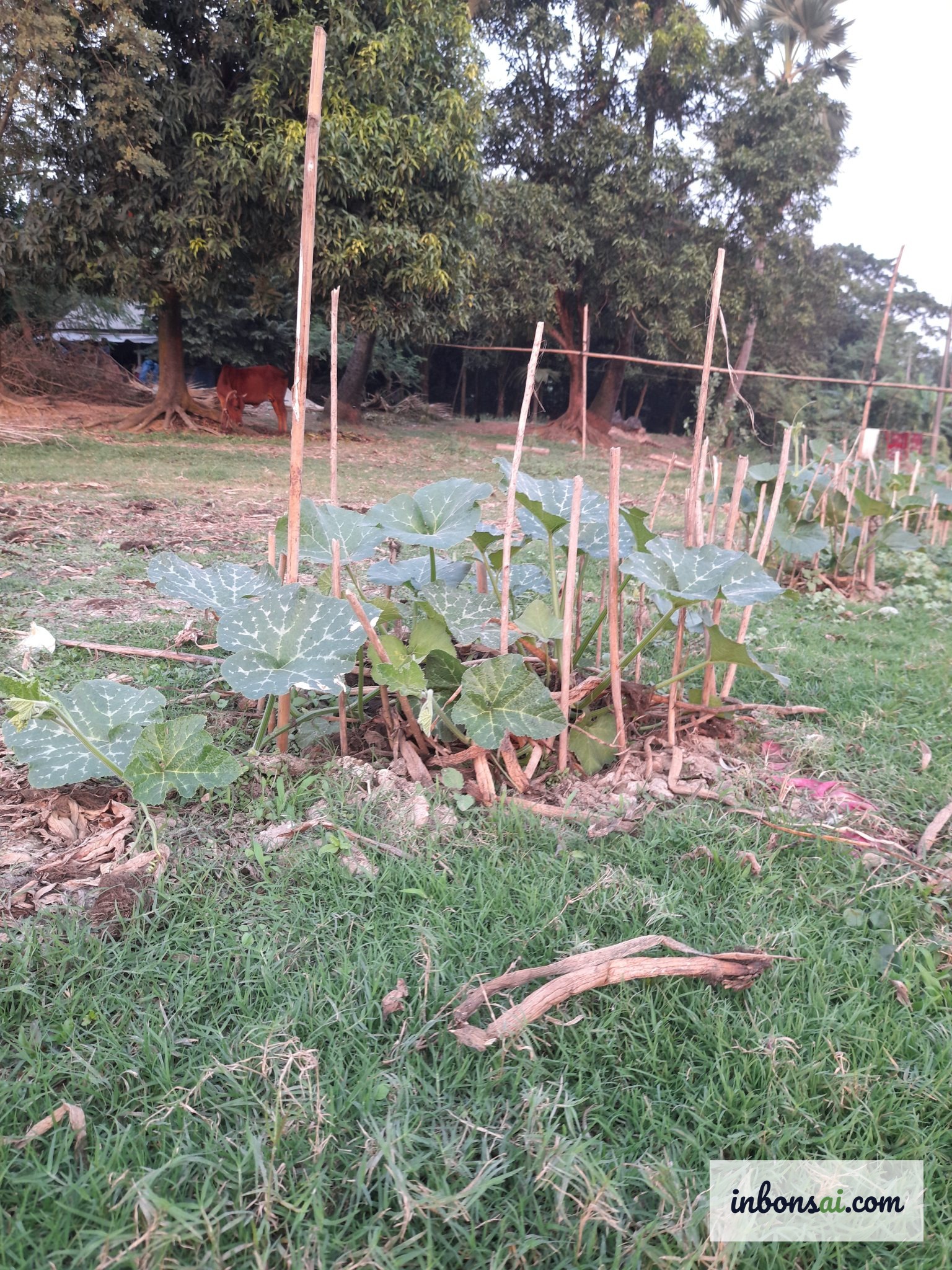
Stand the tree back up in its original orientation if you can determine it (look for old sun-bleaching on the bark or moss growth on one side). Use wooden or bamboo stakes crossed on either side of the base, tied with soft cord — avoid tying too tightly, which can damage the bark. For shallow pots, you may need additional cross-anchoring cords from the rim to keep the tree from shifting in light wind.
If the root ball has come completely free of the soil, repot it in fresh, well-draining substrate, pressing gently rather than packing it tight. Water just enough to dampen the soil right after repotting — don't soak it, since damaged roots are highly prone to further waterlogging. Place the tree in a shaded spot, away from harsh sun and direct wind, for at least the first two weeks so the roots have time to settle back into the soil.
See also signs it's time to repot your bonsai to understand the difference between emergency repotting after a storm and routine repotting — the two call for noticeably different aftercare.
Prune broken branches with the right technique
A crushed, torn branch won't heal on its own — it just becomes an open door for fungal infection, so clean pruning should happen as soon as possible once the tree is stabilized. The most important rule: cut at roughly a 45-degree angle, sloping downward, so rainwater doesn't pool on the cut surface and cause rot.
Make the cut back into healthy wood, at least 1–2cm past the crushed or splintered section, just above a live leaf node or side branch so the tree has a point to push new growth from. For branches thicker than 1cm, cut in two stages: a rough cut a few centimeters out from the base first, then a clean final cut close in, to avoid tearing the bark when the heavy branch drops.
After every cut, dab or brush on a wound-sealing compound (a proper cut-paste or diluted lime solution), especially for branches over 2cm thick. Don't forget to sterilize your shears with alcohol between trees to avoid spreading pathogens from a sick tree to a healthy one.
For a main trunk with a vertical crack that hasn't fully split, don't cut it off right away — splint it with bamboo and soft ties, apply cut-paste to the crack, and monitor for 3–4 weeks to see if it heals on its own before deciding whether to remove the upper section.
Fix waterlogged soil and drainage fast
Storms typically dump a huge volume of water in a short time, which can fully saturate the soil in a pot — this is the leading cause of root rot after a storm, often more dangerous than the visible broken branches. Check the drainage holes at the bottom of the pot right away, clearing them with a thin stick if they're clogged with soil or decaying leaves.
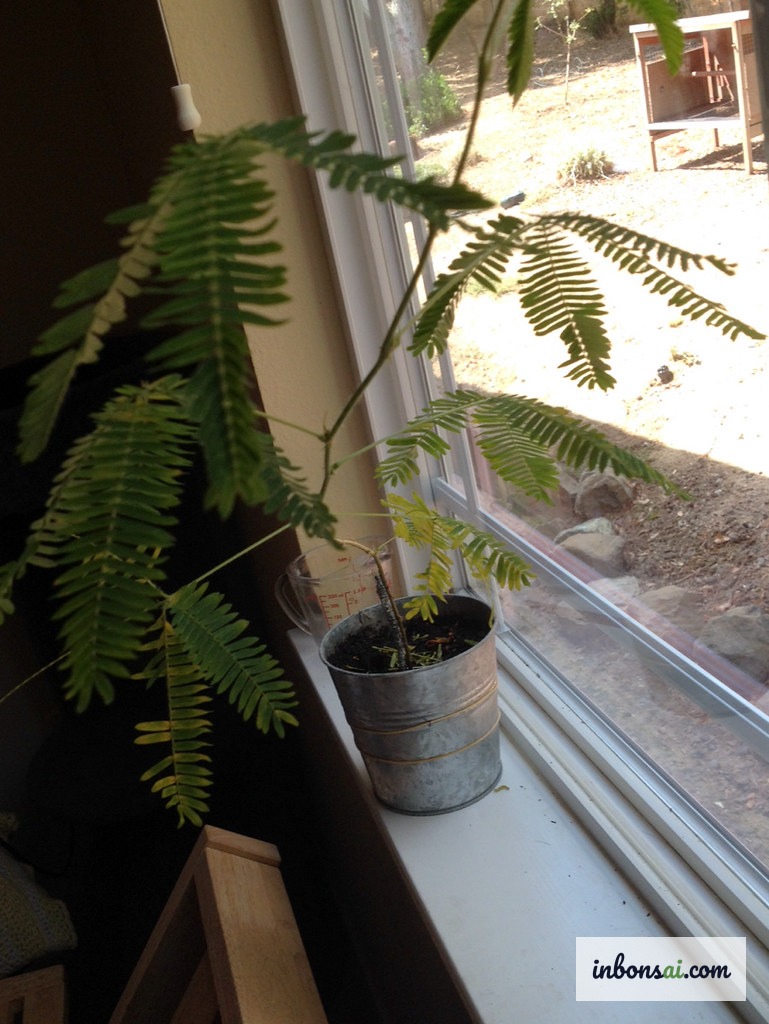
For pots without enough drainage, or soil that's too dense (heavy garden loam, for instance), tilt the pot 15–20 degrees for a few hours to let excess water drain out. If flooding is severe and lasts more than 24 hours, consider replacing the top layer of soil with a better-draining substrate — mixing in perlite or pumice to improve aeration around the roots.
Don't water again during this stage even if the surface looks like it's drying quickly — the soil underneath is often still saturated, and the roots need time to breathe again. Move the pot somewhere with temporary cover if more rain is forecast over the next few days.
Signs that roots have already started rotting from waterlogging include a foul smell from the soil, mushy blackish-brown roots when you check them, and yellowing, wilting leaves even though the soil is still damp. If you spot these signs, dig up the root ball, trim away all the rotted roots, and repot entirely in fresh soil.
Reduce foliage to cut water loss on a weakened tree
It sounds counterintuitive, but trimming back leaves is a key step in saving a bonsai whose root system has been damaged by a storm. When roots are crushed or trimmed during re-staking, their ability to take up water and nutrients drops sharply, while an intact canopy keeps losing water through transpiration at the normal rate — that imbalance drains the tree's reserves faster.
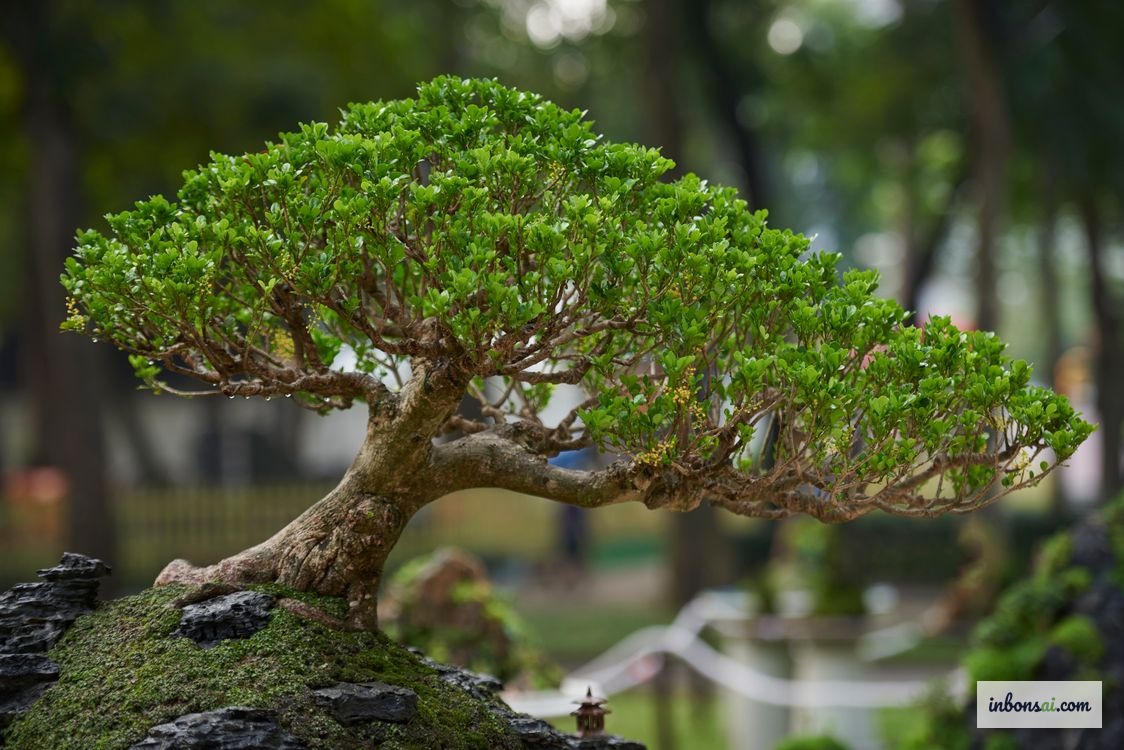
For a tree with dense foliage and heavily damaged roots, remove roughly 30–40% of the leaves, prioritizing keeping leaves near the branch tips to maintain minimal photosynthesis. For broad-leaved species (like ficus or banyan types), you can trim half of each leaf blade instead of removing whole leaves, keeping some photosynthetic capacity while meaningfully cutting water loss.
Place the tree somewhere with higher humidity and away from strong drafts — dry wind speeds up water loss through the leaves. A light misting on the foliage in the early morning and cooler afternoon can help maintain humidity, but avoid soaking fresh cuts or the still-damp root zone.
This stage typically lasts 2–3 weeks, until you see new buds pushing out — that's the signal the root system has started functioning again and the tree can gradually move back to a normal care routine.
Spray to prevent fungal infection after a storm
Prolonged high humidity after a storm is ideal for fungal growth, especially around fresh cuts, trunk cracks, and recently damaged roots. Preventive fungicide spraying should happen within 48 hours of the storm, even before any visible signs of disease appear.

Favor copper-based fungicides or systemic products like Ridomil Gold for the root zone and base — both are common, bonsai-safe active ingredients when used at the labeled rate. For large pruning cuts, you can brush a more concentrated solution directly onto the cut surface rather than just misting it.
Repeat the preventive spray after 5–7 days, especially if the weather stays humid or light rain continues. Watch closely for early signs of fungal infection: unusual black or brown spots around a cut, white or gray mold at the base, a foul odor from the soil — the earlier you catch it, the better the odds of saving the tree.
At the same time, clear away fallen leaves and broken twig debris around the base, since this is where fungal spores and pests tend to shelter and later spread back onto a tree that's still weak from recovery.
A step-by-step bonsai storm recovery timeline
Recovering a bonsai after a storm takes several weeks — it isn't a one-time fix. The first week should focus entirely on stabilization: re-staking, pruning broken branches, fixing waterlogged soil, and keeping the tree in a stable, shaded spot — nothing else.
From week 2 through week 4, watch closely for signs of recovery like new buds and fresh leaves. This is a stage where you should absolutely avoid nitrogen fertilizer — nitrogen pushes fast new leaf growth while the root system isn't strong enough yet to support it, which can exhaust the tree further. If you do need to feed it, use a very dilute phosphorus-potassium fertilizer, no more than once every two weeks.
Once the tree has settled into steady new growth (usually 4–6 weeks, depending on species and initial damage), you can gradually reintroduce it to normal sun exposure in short increments, extending the time each day. Absolutely avoid wiring or shaping during this stage — the tree is still weak, and bending branches now risks permanent breakage or shocking it into arrested growth.
Only once the tree has fully recovered its vigor — even green canopy, strong new shoots, no more wilting — should you return to your regular fertilizing and care schedule. See also seasonal bonsai fertilizing schedule to plan nutrition for each stage of the year, and autumn bonsai care to prepare for winter dormancy if the storm hit late in the rainy season, close to when the tree would normally start entering dormancy.
Patience is what determines success at this stage. A healthy bonsai with a solid root system, cared for with the right technique, can fully recover from severe storm damage — as long as you follow the steps in the right order and resist the urge to intervene too soon.
Tags
#bonsai-storm-recovery#broken-branch-care#bonsai-root-rot#storm-damage-pruningGet bonsai guidance every week.
Fresh care guides, styling notes, and bonsai inspiration delivered to your inbox.