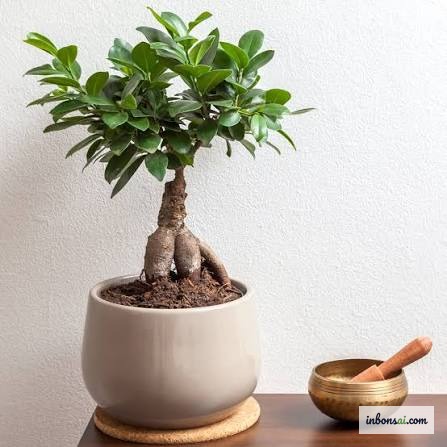
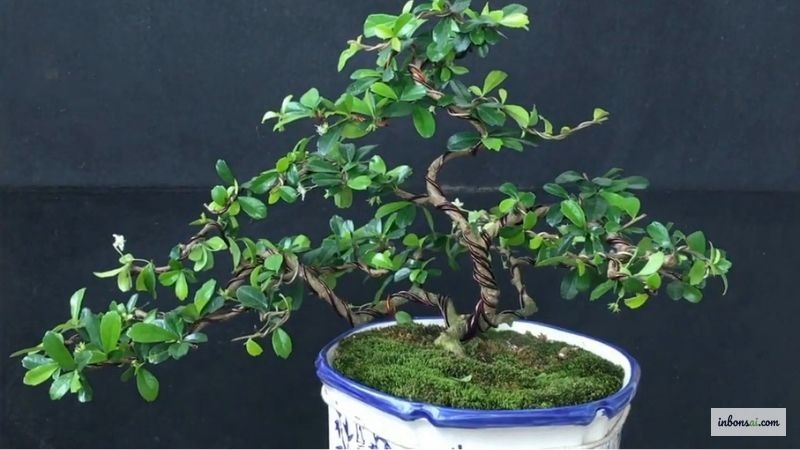
Chinese elm bonsai (Ulmus parvifolia) is widely regarded as one of the easiest bonsai species for beginners anywhere in the world. With its rugged trunk, naturally small leaves, and remarkable ability to adapt to both indoor and outdoor conditions, it's an ideal way to start your bonsai journey without needing specialized equipment. This guide covers everything you need to know about Chinese elm bonsai care — light, watering, soil, pruning, and pest prevention — for both beginners and experienced growers.
Why Chinese elm is an ideal choice for beginners
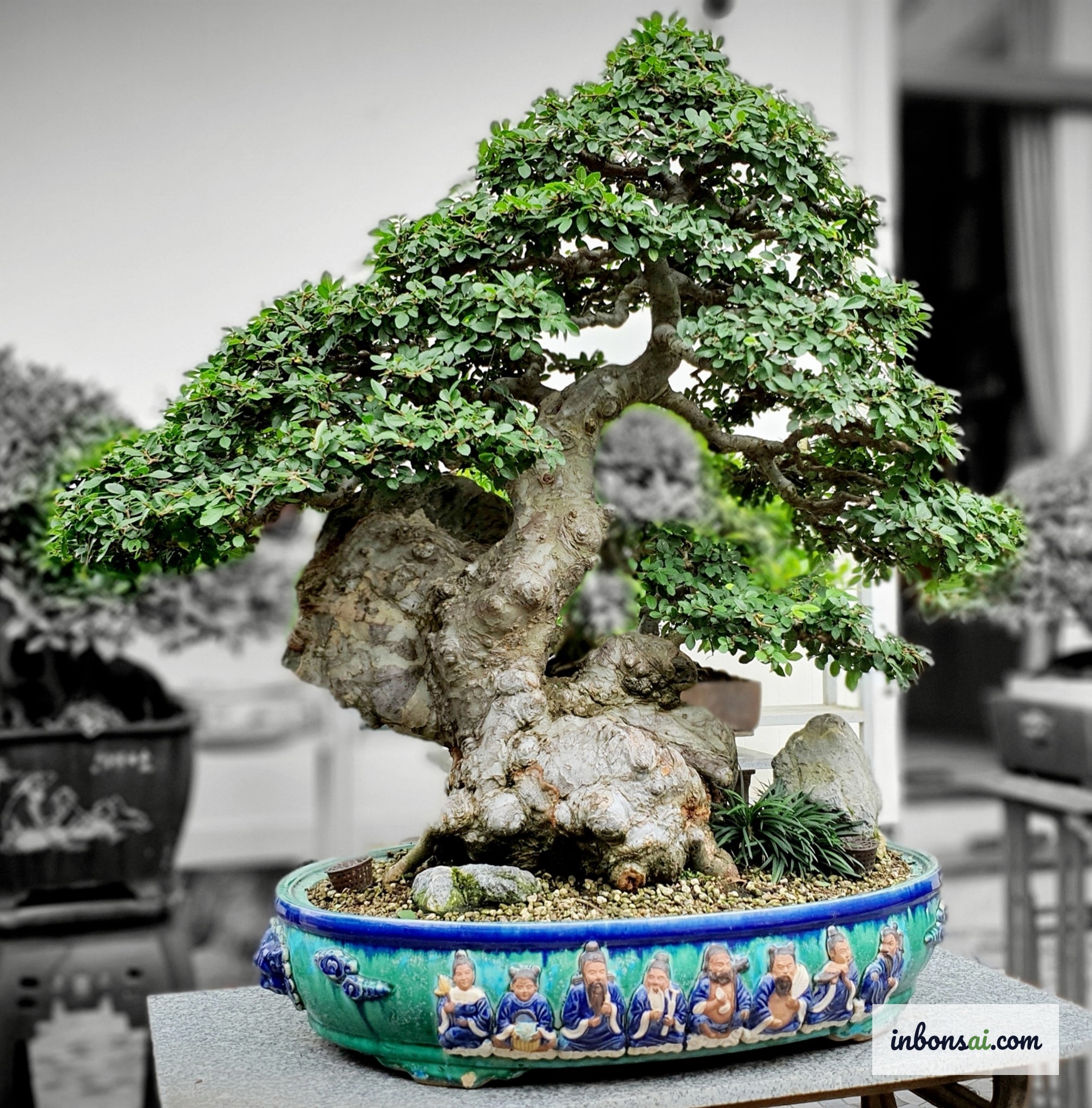
It's no accident that Chinese elm bonsai tops nearly every beginner recommendation list. The leaves are naturally small (about 1-3 cm), so you don't need complex leaf-reduction techniques required by other species. The bark flakes and textures into an aged, mature look after just a few years of care — a quality that takes decades to develop in many other trees.
What really sets Chinese elm apart is its forgiveness of beginner mistakes. It bounces back quickly from over-pruning, tolerates inconsistent watering better than most species, and isn't particular about soil composition. It's often compared to ficus ginseng as another "easy-breathing" beginner choice, but Chinese elm tolerates cold better, making it a solid option for year-round outdoor growing in temperate climates.
Indoor or outdoor: which is right for your tree
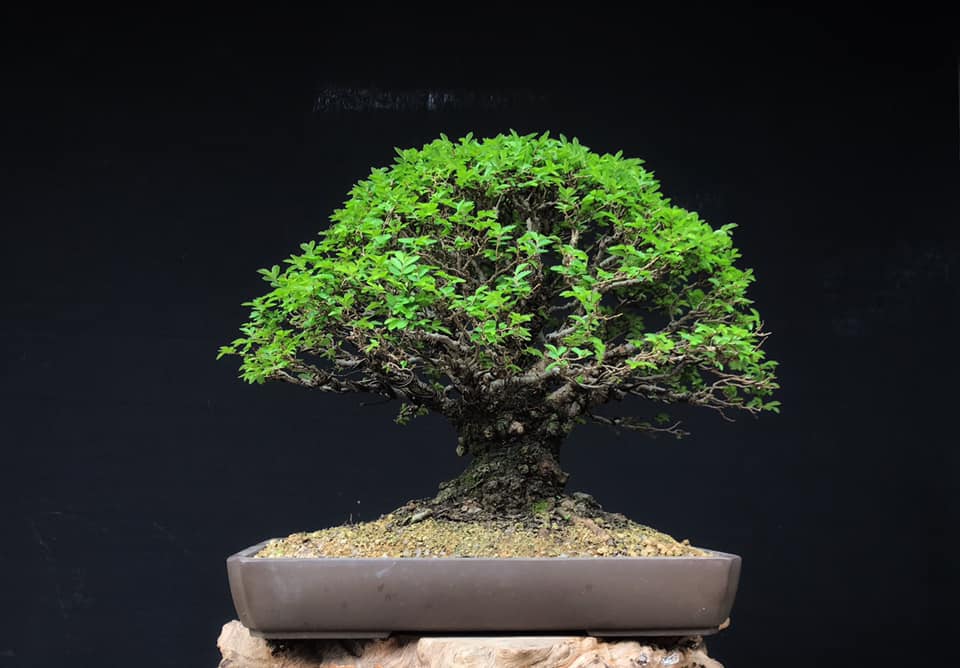
This is the most common question new owners ask. By nature, Chinese elm is a semi-evergreen species that thrives outdoors, where it gets full natural light and experiences seasonal temperature shifts. In warm climates it stays green nearly year-round; in colder climates it will drop its leaves and enter natural dormancy in winter — a normal physiological process, not a sign the tree is dying.
That said, Chinese elm can survive indoors if placed somewhere with adequate light, such as near a south- or east-facing window. As a general rule, prioritize outdoor placement whenever possible, and only bring the tree indoors temporarily (for example, a few days of display) before returning it outside.
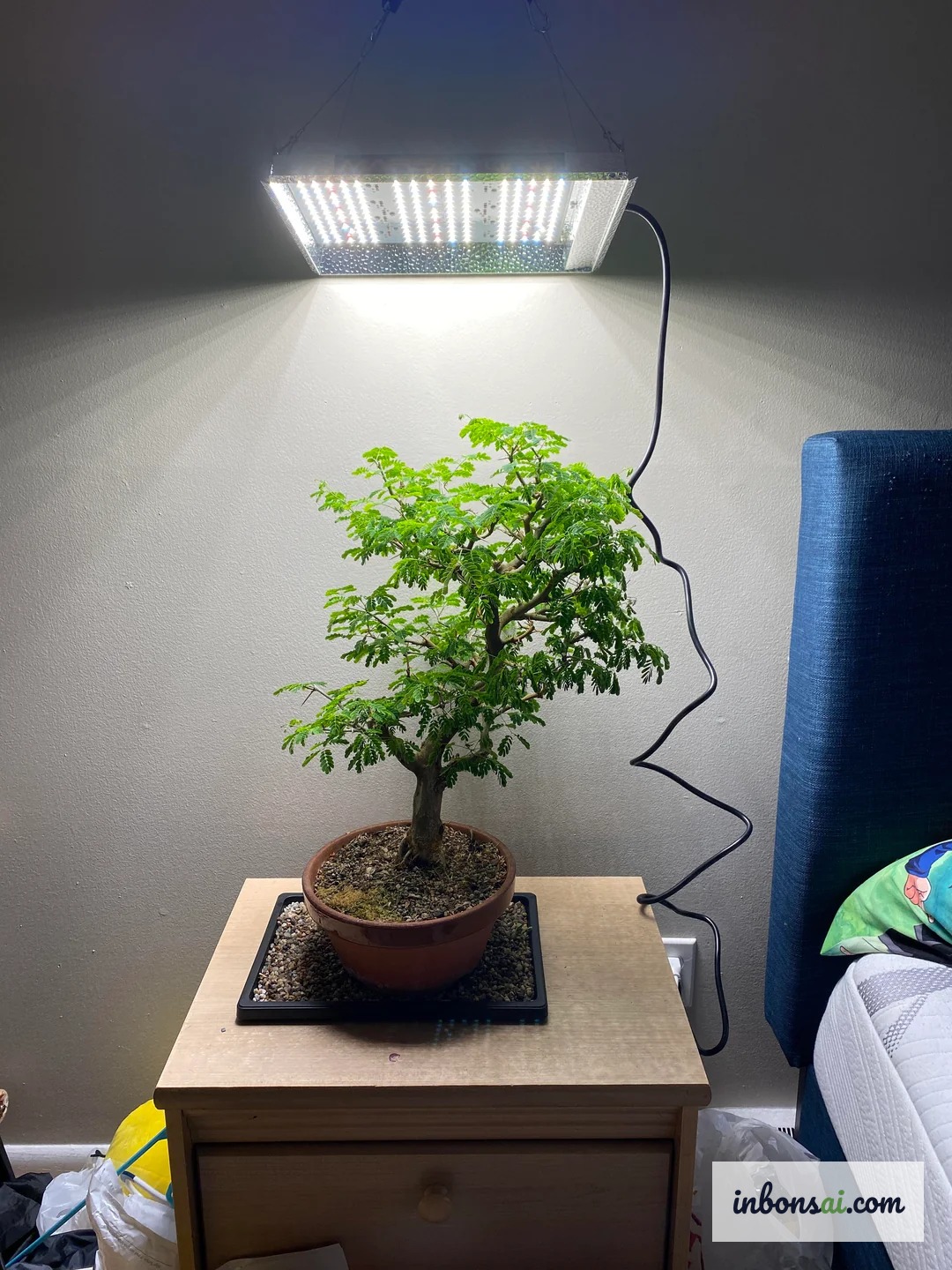
A common mistake is keeping the tree indoors year-round with no cold dormancy period at all. Over time this weakens the tree because it misses out on its natural growth cycle. If indoor growing is unavoidable (say, an apartment with no balcony), supplement with a full-spectrum grow light and keep the tree in a well-ventilated spot, away from air conditioning or heating vents.
Light and placement
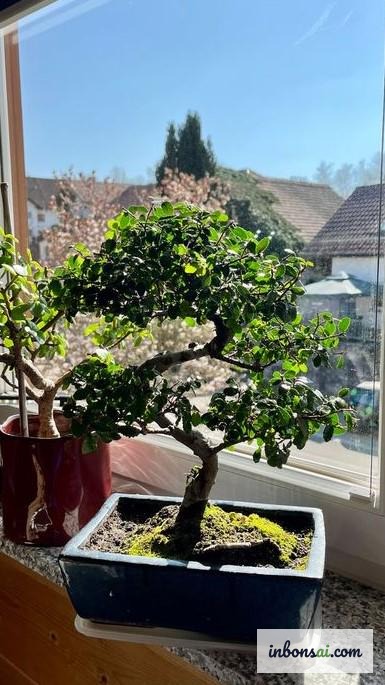
Chinese elm needs at least 4-6 hours of direct or strong diffused light per day. Outdoors, the ideal spot gets morning sun with light shade during the harshest midday hours, particularly in hot, humid tropical climates.
Indoors, place the tree near the brightest window available. If leaves become sparse, stretch out abnormally, or fade in color, that's a sign of insufficient light — move the tree to a brighter spot or add a grow light. Conversely, if you're moving a tree from indoors into strong outdoor sun, acclimate it gradually over 7-10 days to avoid heat shock and leaf scorch.
Rotating the pot periodically (about once a week) helps the tree receive light evenly on all sides and prevents lopsided growth.
Watering and humidity
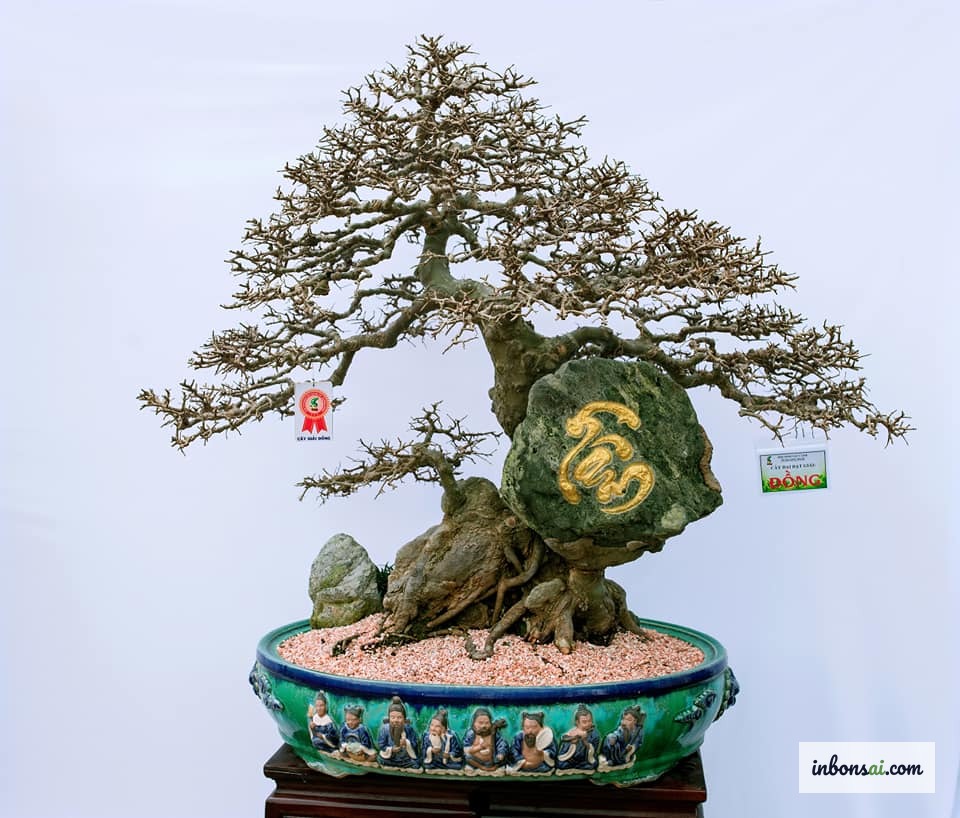
The basic watering rule is to water only when the top layer of soil starts to dry out, not on a fixed schedule. Chinese elm likes evenly moist soil but cannot tolerate waterlogging — roots left sitting in water for too long are prone to root rot, one of the most common causes of bonsai decline.
In summer or when grown outdoors in hot weather, you may need to water once a day, even twice on peak days, since bonsai pots are shallow and dry out fast. In winter or when the tree is dormant and leafless, cut back watering frequency significantly, since water demand drops sharply. Check soil moisture with a finger or a wooden skewer before watering rather than following a rigid schedule.
For indoor trees, low humidity (especially with air conditioning or heating running) can cause leaf tips to turn brown and crisp. Placing a water-filled pebble tray under the pot or lightly misting the foliage (not the soil directly) helps raise local humidity.
Soil and fertilizing
Chinese elm isn't particularly picky about soil but grows best in a fast-draining, evenly moist, airy mix. A common combination is equal parts akadama, pumice, and lava rock, or a commercial bonsai soil blended with extra perlite or pumice for better aeration.
For fertilizing, use a balanced NPK fertilizer during the active growing season (spring through early autumn), roughly every 2-4 weeks using diluted liquid fertilizer or slow-release pellets. Stop fertilizing in winter while the tree rests or is leafless, since feeding during dormancy can lead to salt buildup in the soil and root damage. Never fertilize a stressed tree, one that was just repotted, or one recently heavily pruned — wait at least 2-3 weeks for the roots to stabilize first.
Pruning and shaping Chinese elm
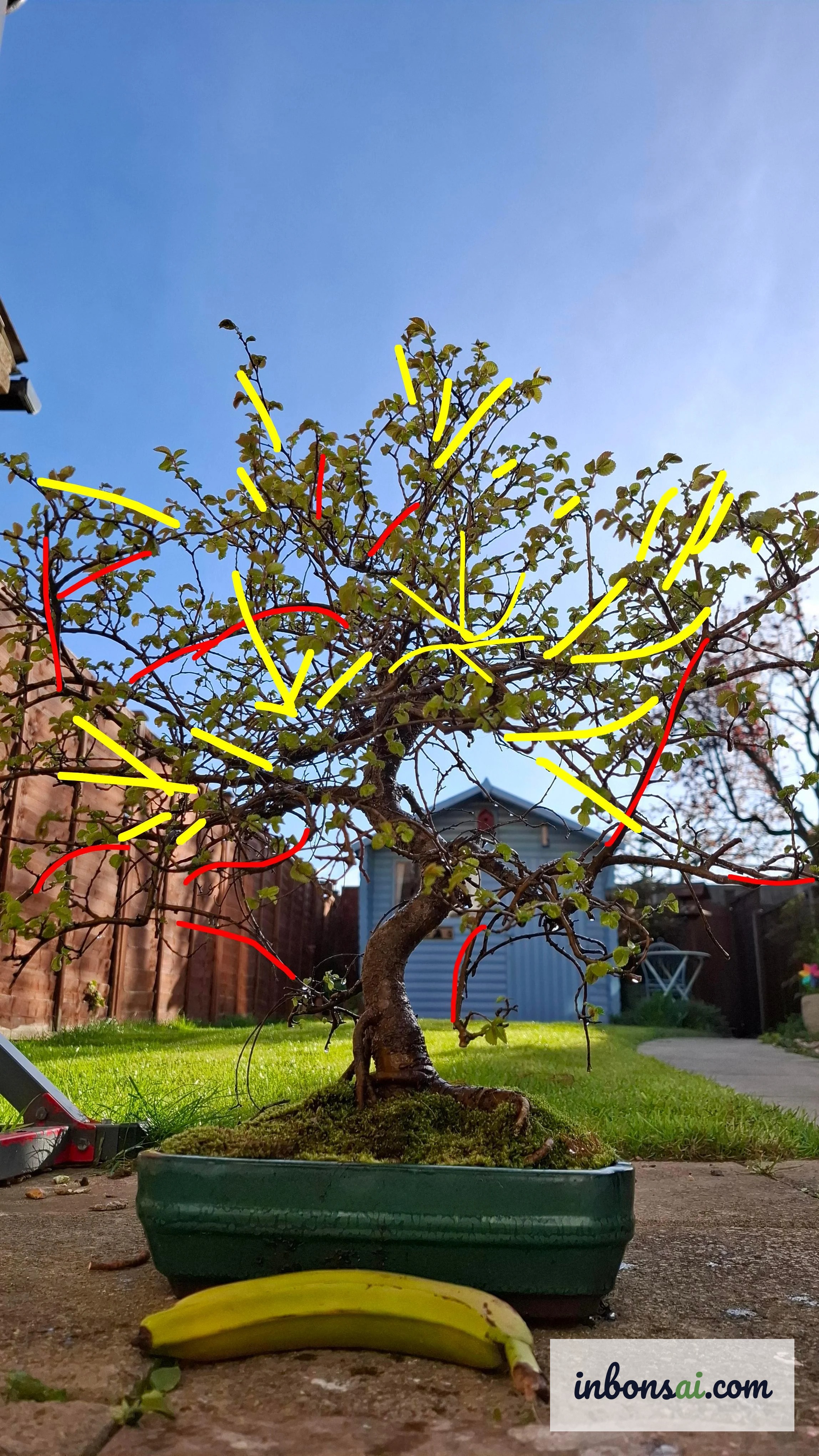
This is one of the species' biggest advantages: Chinese elm tolerates pruning extremely well and backbuds quickly afterward, making it a great species to practice shaping techniques on. Maintenance pruning (trimming new shoots back to 2-3 leaves) can be done year-round during the growing season to keep the canopy tight and encourage dense ramification.
Structural pruning (removing larger branches to define the tree's overall shape) is best done in late winter or early spring, just before strong new growth begins — cuts heal faster and the tree experiences less stress at this time. Always use sharp, sterilized bonsai shears to avoid spreading disease between trees.
When it comes to wiring, Chinese elm has fairly pliable young wood but bark that scars easily if wire is left on too long — check and remove wire after 2-3 months, sooner if you notice it starting to bite into the bark.
Repotting and root care
Chinese elm develops its root system fairly quickly and typically needs repotting every 2 years for younger trees and every 3-5 years for mature specimens. Signs it's time to repot include roots emerging from the drainage holes, unusually slow drainage, or the tree stalling despite otherwise good care.
The best time to repot is early spring, just before strong new growth, while the tree is still lightly dormant and less prone to shock. When repotting, trim back about a third of the root mass, prioritizing old, circling, or downward-growing roots to encourage a flat, radiating root spread (nebari) near the soil surface — an important feature of a mature, aged-looking bonsai.
Common pests and how to prevent them
Chinese elm is relatively pest-resistant compared to many other bonsai species, but can still attract mealybugs, spider mites, or aphids, particularly indoors where air circulation is poor. Check the undersides of leaves regularly, especially during hot, dry weather when spider mites thrive. If caught early, a strong water spray to dislodge insects or diluted neem oil usually resolves the issue; for more serious infestations, more detailed treatment steps are worth researching further.
Unusual yellowing is more often linked to watering problems than pests — uniform yellowing across the whole tree typically points to overwatering, while localized yellowing combined with crispy, dry leaves usually signals underwatering or excessively low humidity. Always make sure the pot drains well and the soil isn't compacted to minimize root-related issues.
With its combination of high adaptability, excellent tolerance for pruning, and low-maintenance care requirements, Chinese elm bonsai is a top choice for anyone starting out in the hobby, whether grown indoors or outdoors. Master the basics of light, water, and soil, and you'll be able to keep a healthy, well-shaped Chinese elm thriving for many years to come.
Tags
#chinese-elm-bonsai#bonsai-care-guide#indoor-bonsai#outdoor-bonsaiGet bonsai guidance every week.
Fresh care guides, styling notes, and bonsai inspiration delivered to your inbox.