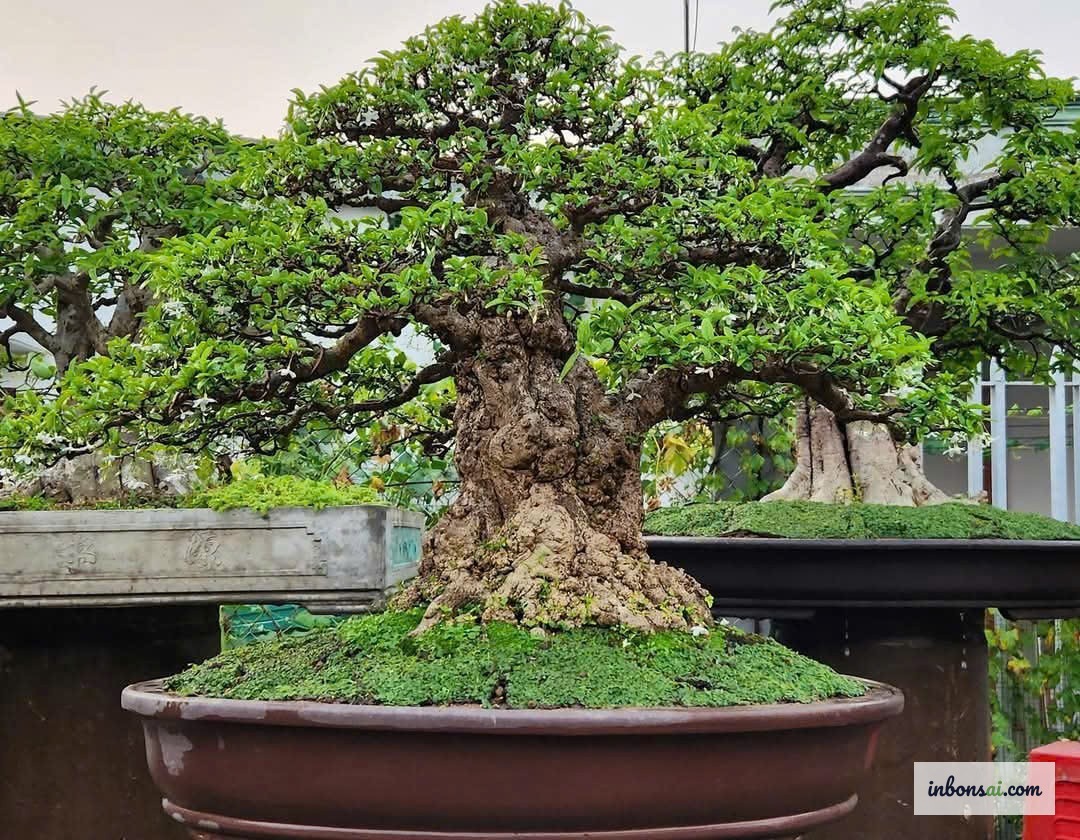
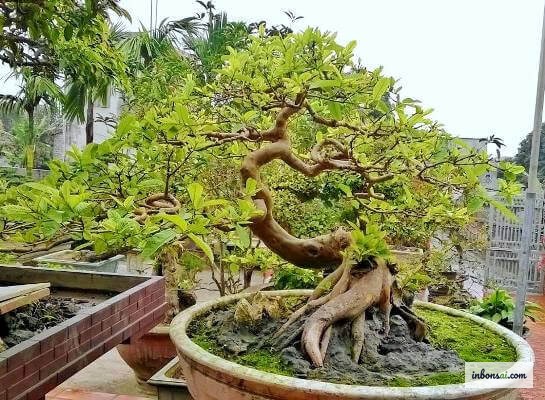
Juniper is one of the most-searched species when people look up how to care for a juniper bonsai tree outdoors as a beginner, and it's no accident that it has become the classic worldwide starter choice. With its resilience and its tolerance for pruning and wiring, juniper bonsai is the ideal companion for learning fundamental styling techniques without constantly worrying about weakening the tree. This guide walks through every step, from placement and light, watering, soil, and pruning, to protecting your tree through winter.
Why juniper bonsai is the top choice for outdoor beginners
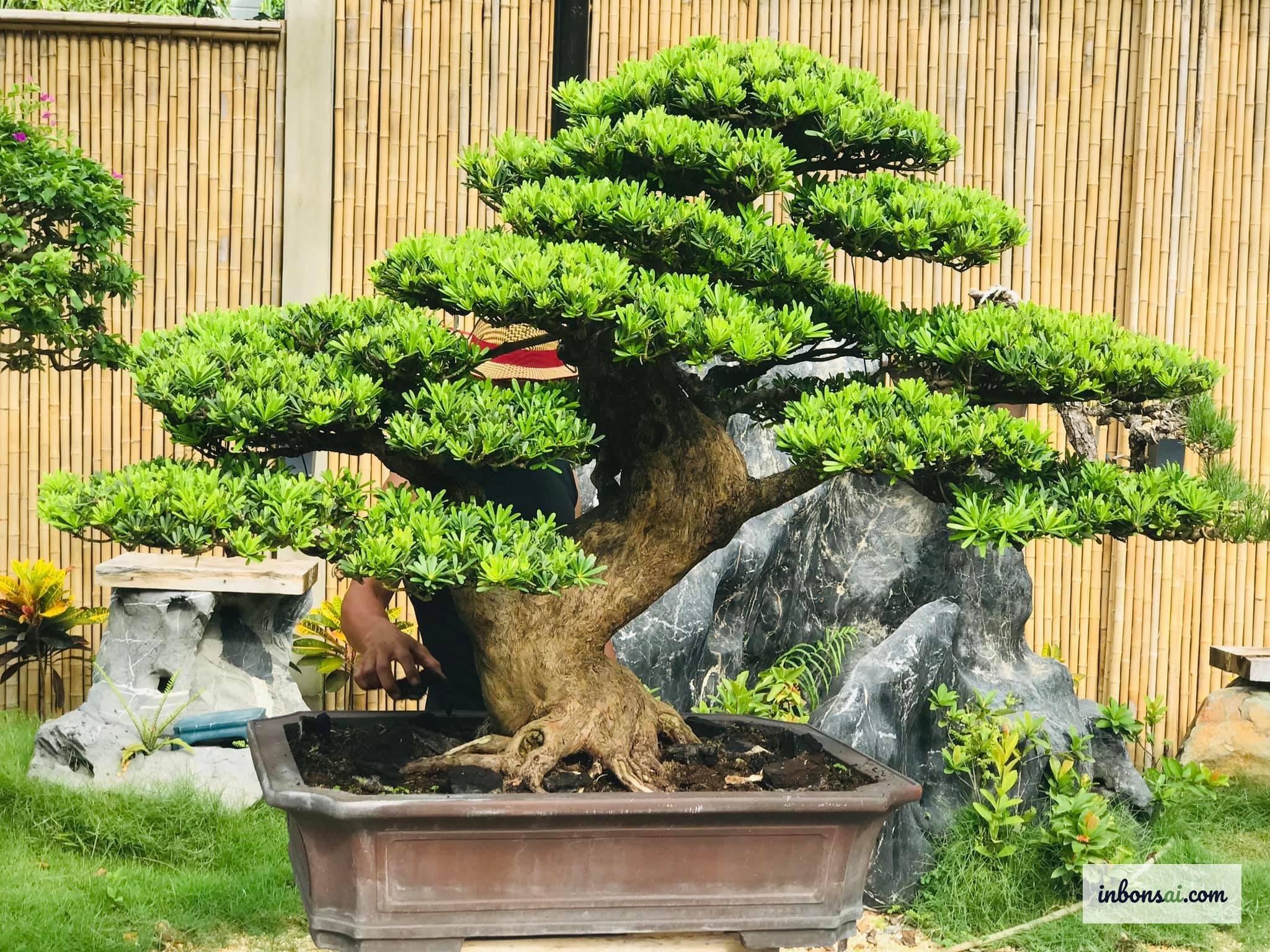
Juniper (genus Juniperus) is an evergreen conifer that adapts well to a wide range of climates. This is why bonsai traditions from Japan to the West all treat juniper as the classic "gateway" species for newcomers.
Juniper's biggest strength is its forgiveness. If you water a bit too much or make an imperfect cut, the tree usually has a much better chance of recovering than many other species. Its trunk and branches are also flexible, making it easy to wire into classic forms like formal upright, slanting, or cascade — foundational styling skills every bonsai grower needs to master.
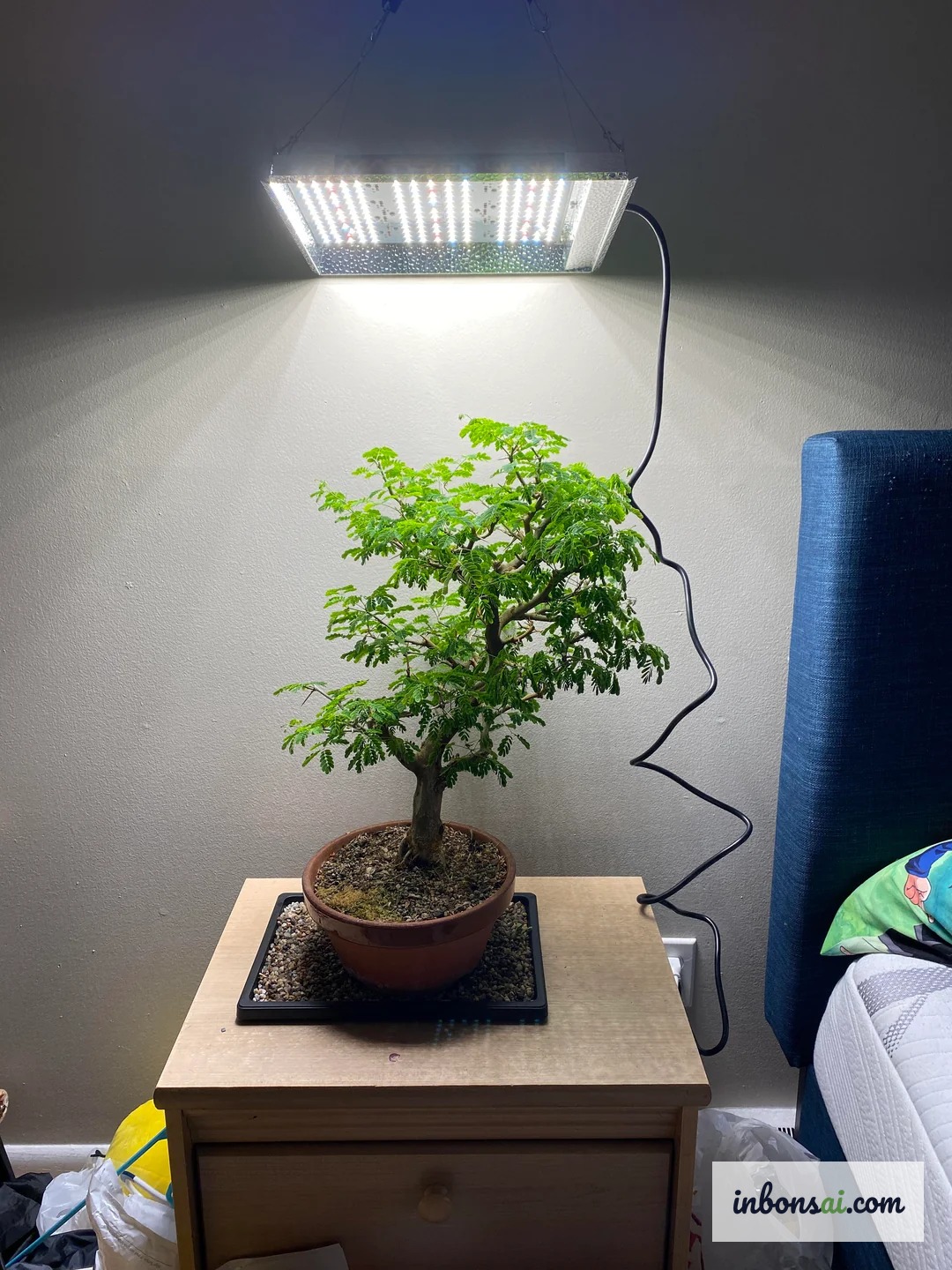
One key thing to remember: juniper is an outdoor tree year-round, not an indoor houseplant. Junipers need direct sunlight, airflow, and seasonal temperature changes to grow healthily and enter natural dormancy. Keeping a juniper bonsai indoors long-term will almost certainly weaken and eventually kill it from lack of light.
Placement and sunlight needs for juniper bonsai
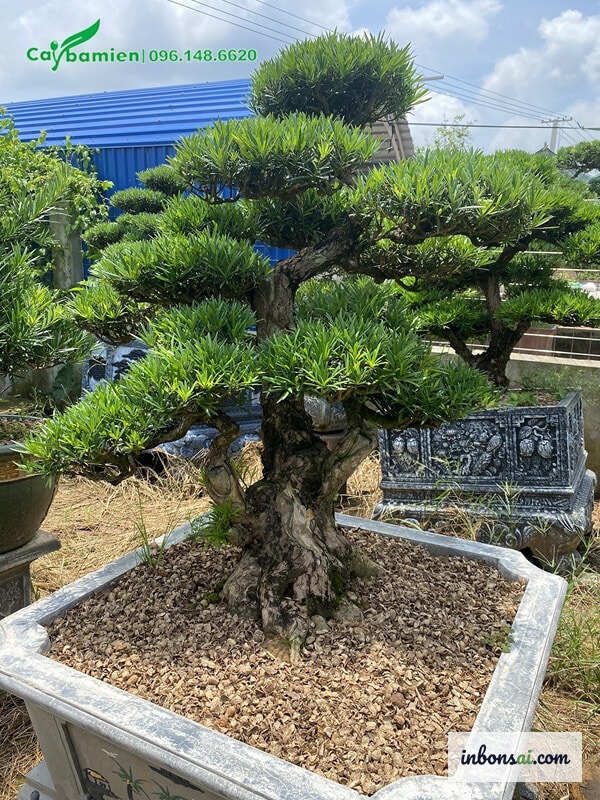
Juniper bonsai needs at least 5–6 hours of direct sunlight daily to photosynthesize fully and keep its foliage dense and green. The ideal spot is a balcony, garden, or outdoor shelf facing morning sun or gentle afternoon light, away from spots shaded by walls or larger trees.
In regions with hot summers, if your tree sits in a shallow pot directly on concrete or heat-absorbing pavers, raise the pot on a wooden stand or shelf to avoid excessive soil temperatures at midday. Rotating the pot every 1–2 weeks also helps the canopy grow evenly instead of leaning toward one light source.
If you just brought your tree home from a nursery (where it likely had partial shade cloth), let it acclimate gradually to full sun over 1–2 weeks rather than exposing it to all-day direct sun immediately, to avoid heat shock and leaf burn.
How to water juniper bonsai correctly outdoors
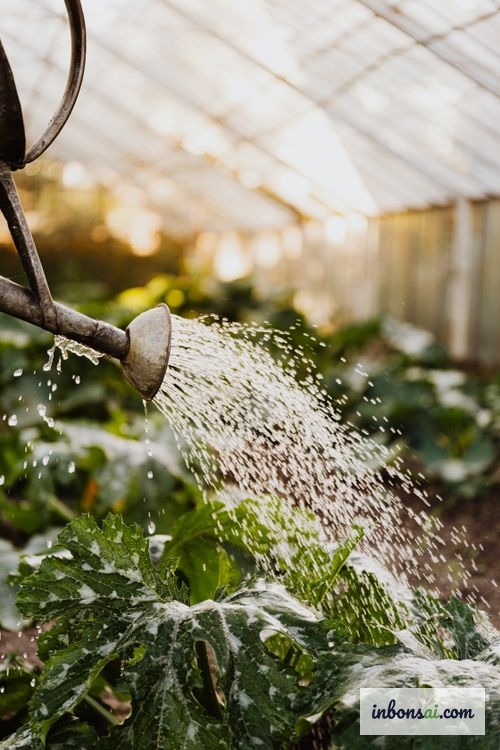
Watering is the single most decisive factor in a juniper bonsai's survival, and it's also the most common cause of decline or death. The golden rule is water when the top layer of soil starts to dry out, not on a fixed daily schedule.
A simple check: press a finger about 1–2 cm into the soil. If it still feels moist, hold off. If it's dry, water thoroughly until water runs out of the drainage holes — this ensures the entire root ball gets hydrated, not just the surface layer.
In hot summer weather, junipers in shallow pots may need watering once or twice a day since the soil dries quickly. In rainy or cooler seasons, watering frequency drops to every few days. Avoid letting the pot sit in standing water, since juniper roots rot easily under prolonged waterlogging — which is also why well-draining soil matters just as much as correct watering technique.
See also our guide on choosing bonsai for beginners: indoor vs. outdoor to better understand the care differences between the two groups.
Soil and fertilizing schedule for juniper bonsai
Juniper bonsai needs fast-draining soil that still retains enough moisture for the roots. A common mix combines akadama, pumice, and lava rock in roughly equal parts, or you can use a pre-made bonsai soil mix formulated for conifers. Avoid heavy garden soil or potting soil, which drains poorly and encourages root rot.
For fertilizing, juniper bonsai needs consistent nutrition throughout the growing season (typically early spring through late fall), using a balanced NPK fertilizer or slow-release organic pellets. Reduce or stop fertilizing in winter when the tree enters dormancy, since it can't absorb nutrients efficiently then and excess fertilizer can actually damage the roots.
See also our seasonal bonsai fertilizing schedule for a detailed feeding plan across the year, which applies to juniper bonsai as well.
Basic pruning and shaping for juniper bonsai
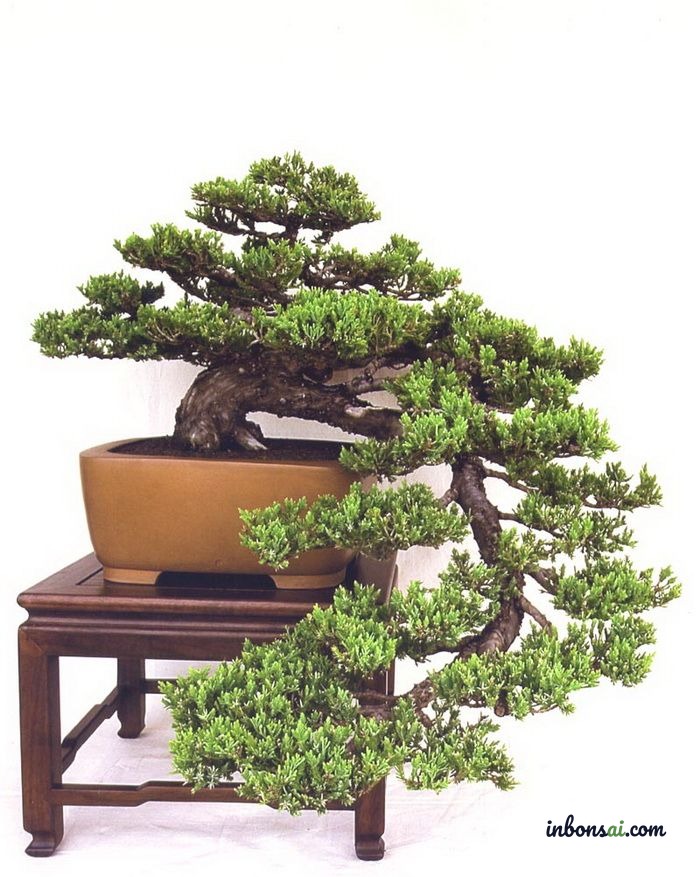
Pruning juniper bonsai serves two main purposes: maintaining the desired silhouette and encouraging dense, even foliage growth. For junipers, the most common technique is hand pinching rather than cutting entire tips with scissors, since cutting through young needle growth with shears often leaves ugly brown scars.
Use your fingers to gently pluck out the long new growth extending past the canopy line, keeping the healthy inner foliage intact. This should be done regularly throughout the growing season rather than in one heavy session, which can stress the tree.
Wiring with copper or aluminum wire is juniper bonsai's signature shaping technique, usually done in late fall or early winter when the tree's growth slows, helping the wire hold its shape longer with less risk of damaging branches. Always check the wire every few months so you can remove it before it bites into the bark as branches thicken.
Repotting and root care for juniper bonsai
Juniper bonsai doesn't need repotting every year. For a mature tree, a reasonable repotting cycle is every 2–5 years, depending on root growth rate and current pot size. Signs it's time to repot include roots circling above the soil surface, roots emerging from drainage holes, or unusually slow drainage even though the soil isn't old.
The best time to repot is early spring, right before the tree enters its strongest growth phase, so new roots recover quickly. When repotting, trim no more than about one-third of the root mass to avoid shocking the tree, and refresh most or all of the old soil with a fresh, well-draining mix.
See also signs it's time to repot your bonsai for specific indicators to watch for before deciding to repot your juniper.
Protecting juniper bonsai through winter and extreme weather
Since it's an outdoor tree year-round, juniper bonsai needs to go through a natural winter dormancy to maintain a healthy growth cycle. However, in regions with deep winter cold or prolonged frost, the roots confined to a small pot are far more vulnerable than roots of trees planted directly in the ground.
In cold temperate climates, growers typically move pots into an unheated greenhouse, garage, or a wind-sheltered area, and mulch around the base to insulate the roots without fully interrupting dormancy. In tropical climates, juniper bonsai faces little frost risk but still needs protection from prolonged heavy rain that causes root rot and from extreme summer heat.
Identifying and treating common pests on juniper bonsai
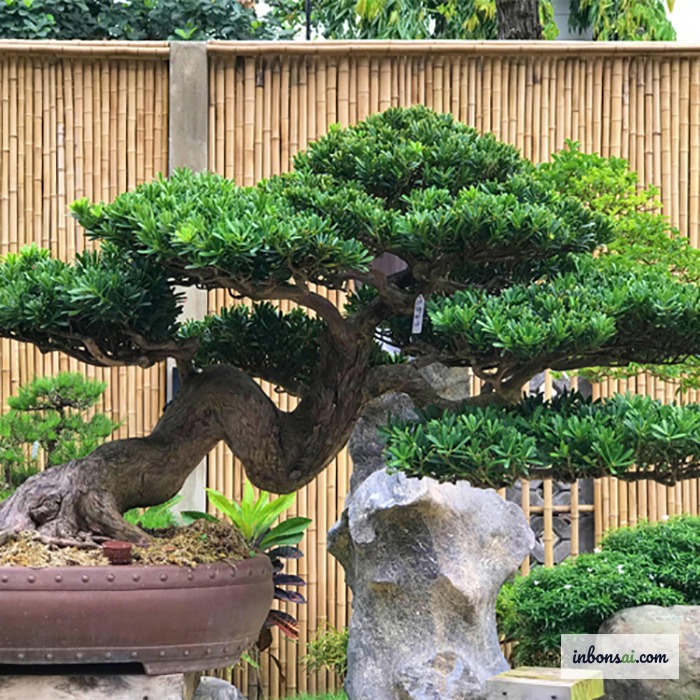
Juniper bonsai is relatively pest-resistant when cared for properly, but a few common problems are worth watching for. Spider mites are the most frequent culprit, especially in hot, dry weather, showing up as tiny yellow speckling on foliage and fine webbing between branches. Mealybugs and scale insects can also appear as white or brown clustered spots on the trunk and young branches.
A simple check: hold a white sheet of paper under the foliage, shake a branch gently, and look for tiny moving specks falling onto the paper. If you spot pests, treat with neem oil or insecticidal soap, spraying both sides of the foliage and repeating every 7–10 days until fully controlled. Also note that yellowing that starts from the interior of the foliage rather than the tips can be a sign of root rot from overwatering — check your watering routine and soil drainage before assuming it's a pest problem.
Caring for juniper bonsai outdoors isn't difficult once you master the fundamentals: enough sunlight, watering at the right time, well-draining soil, regular pruning, and letting the tree experience its natural seasonal cycle. With patience and regular observation, juniper bonsai will be a resilient companion as you work your way toward mastering the art of bonsai.
Tags
#juniper-bonsai#bonsai-outdoor-care#beginner-bonsai#bonsai-species-guideGet bonsai guidance every week.
Fresh care guides, styling notes, and bonsai inspiration delivered to your inbox.