
Sustainable Agriculture
SHALLOT CULTIVATION TECHNIQUES
Detailed guide from soil preparation to high-yield harvesting
Sustainable Agriculture
Care Notes
Water Demand
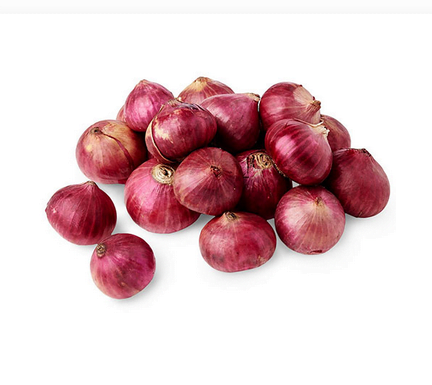
1. Biological Characteristics
Fasciculated roots, prefers loose soil, pH 6-6.5. Drought tolerant, fears waterlogging. Prefers cool weather and light.
2. Uses
Spice, pickling. Treats colds, detoxifies (allicin), good for digestion.
3. Planting Techniques
Season Sep-Oct (North). Beds 15-20cm high. Spacing 20x15cm. Plant using bulbs.
I. Uses & Value
Shallots are commonly used as a spice. Young leaves and stems, as well as old bulbs, can be used for stir-frying, cooking, marinating food... There is a folk saying:
It is believed that eating pork requires shallots. Old shallots are also used for pickling, especially during the Lunar New Year. Dried shallots have excellent storage capabilities, which gives them a significant advantage over green onions.
In medicine: Shallots stimulate digestion. Traditional medicine uses shallots to treat: colds, detoxification, boils, etc. Shallots and garlic contain the antibacterial substance allicin , so eating them is very beneficial for preventing flu and respiratory infections in winter.
II. Biological Characteristics
- Root system: Fasciculated roots, distributed mainly in the topsoil layer. The root system can tolerate drought but cannot tolerate waterlogging.
- Stem: The true stem is very short, called the basal plate. The false stem consists of enlarged leaf sheaths containing nutrients, which form the bulb when mature.
- Leaves: Tubular, hollow, round, 30 - 40cm long, green, with a thin layer of wax on the surface.
- Climate: Prefers cool climates, can tolerate cold.
- Light: Light-loving plant.
- Soil: Prefers loose, humus-rich soil, neutral pH from 6 - 6.5 (can tolerate pH 5 - 5.5).
III. Cultivation Techniques
1. Season
- Red River Delta & Northern Midlands: Early loading: Early September (choose high fields, good drainage).
- Main season: Mid-September to mid-October.
2. Soil and Fertilizer
Soil: Should rotate with wet rice. Plough thoroughly, loose, weed-free. Beds 1.1 - 1.2m wide, 15 - 20cm high, furrows 25 - 30cm wide.
- Decomposed Manure: 1.5 - 2 tons
- Nitrogen (Urea): 13 - 15kg
- Superphosphate: 30 - 45kg
- Potassium Chloride: 15 - 20kg
* Basal dressing: All organic fertilizer + phosphate + 1/3 potassium (mix well into soil at a depth of 7-10cm). * Tip: Using decomposed poultry manure (composted 5-6 months) is very effective. Never use fresh manure.
3. Planting Technique
- Seeds: Need 40 - 50kg seed bulbs/1,000m². Choose old bulbs, trim roots, peel outer skin (do not peel all the silk skin). Soak in 2-3% Superphosphate solution for 2-3 hours.
- Density: Spacing 20 x 15cm or 15 x 15cm (33,000 - 48,000 plants/1,000m²).
- Planting: Press the shallot bulb down to a depth of about 2/3 of the bulb. Cover with fine soil.
- Mulching: After planting, cover the bed surface with straw/garbage mulch to keep moisture and limit weeds.
4. Care & Pest Control
Water twice a day (morning, afternoon) until sprouting. Then keep moist regularly (furrow or ladle watering). Stop watering 3-4 weeks before harvest.
* Do not late in the afternoon. Critical periods: 35-40 days, 50 days, 60 days after planting.
Apply 3-4 times (20-25 days, 35-40 days, 50 and 60 days after planting). Dilute concentration 1-2%, pour 7-10cm away from the base. Rinse leaves with after fertilizing.
* Note: Supplement Potassium on day 50 and 60 to form bulbs.
IV. Harvest & Storage
- Timing: 120 - 130 days after planting. When leaves near the base turn yellow and the upper part wilts.
- Pre-harvest: Let the field dry 1 month before.
- Harvesting: Pull up the whole plant, shake off soil. Spread on the ground to dry the skin (if weather is dry).
- Storage: Tie in bunches of 1-2kg, dry in light sun until stems and leaves are dry, skin turns cockroaches brown. Hang in a cool, dry, elevated place (preferably where there is kitchen smoke).
- Yield: Average 15 - 20 tons fresh/ha.
Living Conditions
Fertilizer norm for 1,000m²: Decomposed Manure: 1.5 - 2 tons Nitrogen (Urea): 13 - 15kg Superphosphate: 30 - 45kg Potassium Chloride: 15 - 20kg * Basal dressing: All organic fertilizer + phosphate + 1/3 potassium (mix well into soil at a depth of 7-10cm). * Tip: Using decomposed poultry manure (composted 5-6 months) is very effective. Never use fresh manure. 3. Planting Technique Seeds: Need 40 - 50kg seed bulbs/1,000m². Choose old bulbs, trim roots, peel outer skin (do not peel all the silk skin). Soak in 2-3% Superphosphate solution for 2-3 hours. Density: Spacing 20 x 15cm or 15 x 15cm (33,000 - 48,000 plants/1,000m²). Planting: Press the shallot bulb down to a depth of about 2/3 of the bulb. Cover with fine soil. Mulching: After planting, cover the bed surface with straw/garbage mulch to keep moisture and limit weeds. 4. Care & Pest Control Watering
Water twice a day (morning, afternoon) until sprouting. Then keep moist regularly (furrow or ladle watering). Stop watering 3-4 weeks before harvest.
Top Dressing
Apply 3-4 times (20-25 days, 35-40 days, 50 and 60 days after planting). Dilute concentration 1-2%, pour 7-10cm away from the base. Rinse leaves with after fertilizing.
Planting & Care
Day 1-20 - Bulb processing, plant 2/3 bulb, mulch.
Top Dressing
Day 20-60 - 3-4 times. Day 50, 60 apply K for bulbs.
Bulb Development
Day 60-100 - Keep moist, prevent pests (tip blight).
Harvesting
Day 120-130 - Leaves yellow, wilt. Dry skin.