
Sustainable Agriculture
WILD CHIVES FARMING TECHNIQUE
Detailed guide from soil preparation to harvest
Sustainable Agriculture
Care Notes
Water Needs
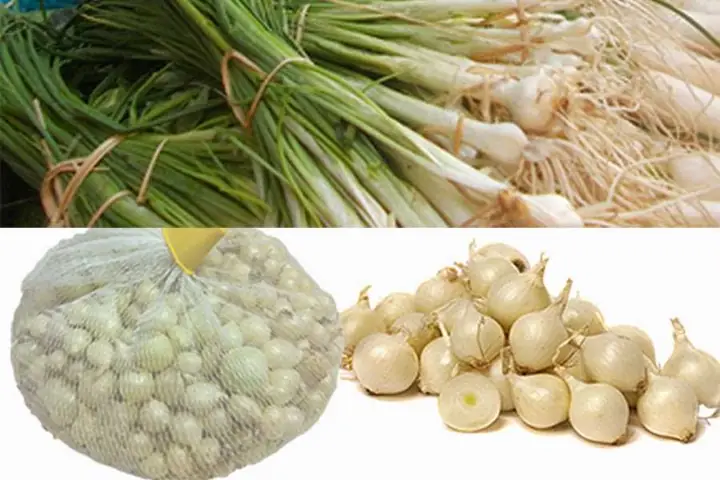
1. Biological Characteristics
Weak roots, moisture-loving but intolerant to waterlogging. Small bulbs (1.5-2cm). Temperate-loving.
2. Uses
Aromatic spice. Herbal medicine for coughs, flu, detoxification. Pickled chives are effective for colds.
3. Farming Technique
Dry season, after floods. 1.1-1.2m beds. 30x10cm spacing. Plant using treated bulbs.
I. USES
Wild chives are a vegetable spice used to season foods such as fish soup, beef soup, and porridge. They have an aromatic, sweet taste. Wild chives are also a valuable herbal medicine for treating coughs and flu. Like other plants in the Allium family, they contain antibacterial substances. Pickled chives (in alcohol) also have cold-relieving effects.
Economics: Growing wild chives offers high economic efficiency.
II. BIOLOGICAL CHARACTERISTICS
- Roots: Small, weak, distributed mainly in the topsoil. Roots love moisture but cannot withstand waterlogging.
- Stem: The pseudo-stem is small (diameter about 1.5 - 2cm) and has degenerated like other onions/garlics. The leaf stem is 15 - 20cm high, reaching up to 25 - 30cm.
- Leaves: Small, needle-shaped.
- Flowers: Umbel inflorescence, small flower stalk (resembling a toothpick). Pollinated by insects.
- Climate: Prefers a temperate climate, can withstand heat, loves light.
- Distribution: In Vietnam, wild chives are grown extensively in Central provinces like Quang Tri, Quang Nam, Quang Ngai, etc.
- Soil: Prefers friable soil with good drainage and neutral pH. Sandy loam soil is very suitable.
III. FARMING TECHNIQUES
1. Seasons
Generally, wild chives should be planted in the dry season like other Allium plants.
- Best Season: After the flood season. December to January.
- Highlands: If planting earlier, grow in highland areas.
- Red River Delta: Can be planted in the Autumn-Winter crop.
2. Soil and Fertilizers
Soil: Land needs to be plowed carefully, made friable, and cleared of weeds. Leave soil to rest 3-5 days before planting.
Beds: Bed surface width 1.1 - 1.2m, 15 - 20cm, furrows 25 - 30cm wide.
- Decomposed Manure: 1 - 2 tons
- Urea: 10kg (Do not overuse)
- Superphosphate: 30 - 40kg
- Potassium Sulfate: 15 - 18kg (or Potassium Chloride 13-15kg)
* Basal application: All organic manure + phosphate + 1/3 potassium into the rows (mix well with soil). * Alternatives: NPK compound fertilizer, organic microbial fertilizer, DAP...
3. Planting Technique
- Seed Prep: Trim roots and outer skin (don't peel to white). Soak bulbs in clean or 2-3% superphosphate solution for 1-2 hours. Drain before planting.
- Seed Amount: 45 - 50kg/1,000m².
- Spacing: Rows 30 - 35cm apart, plants 8 - 10cm apart.
- Covering: Cover with fine soil. Spread a layer of chopped straw, old leaves, or bagasse on the bed surface.
4. Care & Pest Control
Water to maintain moisture until sprouting. Furrow irrigation (fill 1/2 bed height) is possible if is abundant. Must use clean water.
Cultivate 1-2 times during strong growth/bulb swelling. Top dress 2-3 times (1% concentration). Apply Potassium (K) when bulbs start forming and swelling.
IV. Harvest & Preservation
- Timing: Usually harvested in Spring, when bulbs are old, leaves wither, and no new shoots remain.
- Note: Let the field dry for 2-3 weeks before harvesting to make it easier and keep produce clean.
- Preservation: Bundle chives, dry in mild sun or dry on the porch. Once dry, hang high in a cool, ventilated place.
Living Conditions
Fertilizer per 1,000m²: Decomposed Manure: 1 - 2 tons Urea: 10kg (Do not overuse) Superphosphate: 30 - 40kg Potassium Sulfate: 15 - 18kg (or Potassium Chloride 13-15kg) * Basal application: All organic manure + phosphate + 1/3 potassium into the rows (mix well with soil). * Alternatives: NPK compound fertilizer, organic microbial fertilizer, DAP... 3. Planting Technique Seed Prep: Trim roots and outer skin (don't peel to white). Soak bulbs in clean or 2-3% superphosphate solution for 1-2 hours. Drain before planting. Seed Amount: 45 - 50kg/1,000m². Spacing: Rows 30 - 35cm apart, plants 8 - 10cm apart. Covering: Cover with fine soil. Spread a layer of chopped straw, old leaves, or bagasse on the bed surface. 4. Care & Pest Control Watering
Water to maintain moisture until sprouting. Furrow irrigation (fill 1/2 bed height) is possible if is abundant. Must use clean water.
Cultivation & Top Dressing
Cultivate 1-2 times during strong growth/bulb swelling. Top dress 2-3 times (1% concentration). Apply Potassium (K) when bulbs start forming and swelling.
Planting (Dec-Jan)
Treat bulbs, plant, cover with soil/straw.
Care
Cultivate, top dress 2-3 times. Potassium when bulbs swell.
Water Control
Keep moist. Stop watering 2-3 weeks before harvest.
Harvest
When leaves wither. Dry and hang in cool place.