
Spice Vegetable
FIELD MINT
(Mentha Arvensis L)
Field mint is a spice vegetable used raw with other vegetables like lettuce, coriander, perilla... or served with grilled meat.
Spice Vegetable
Care Notes
Water Needs
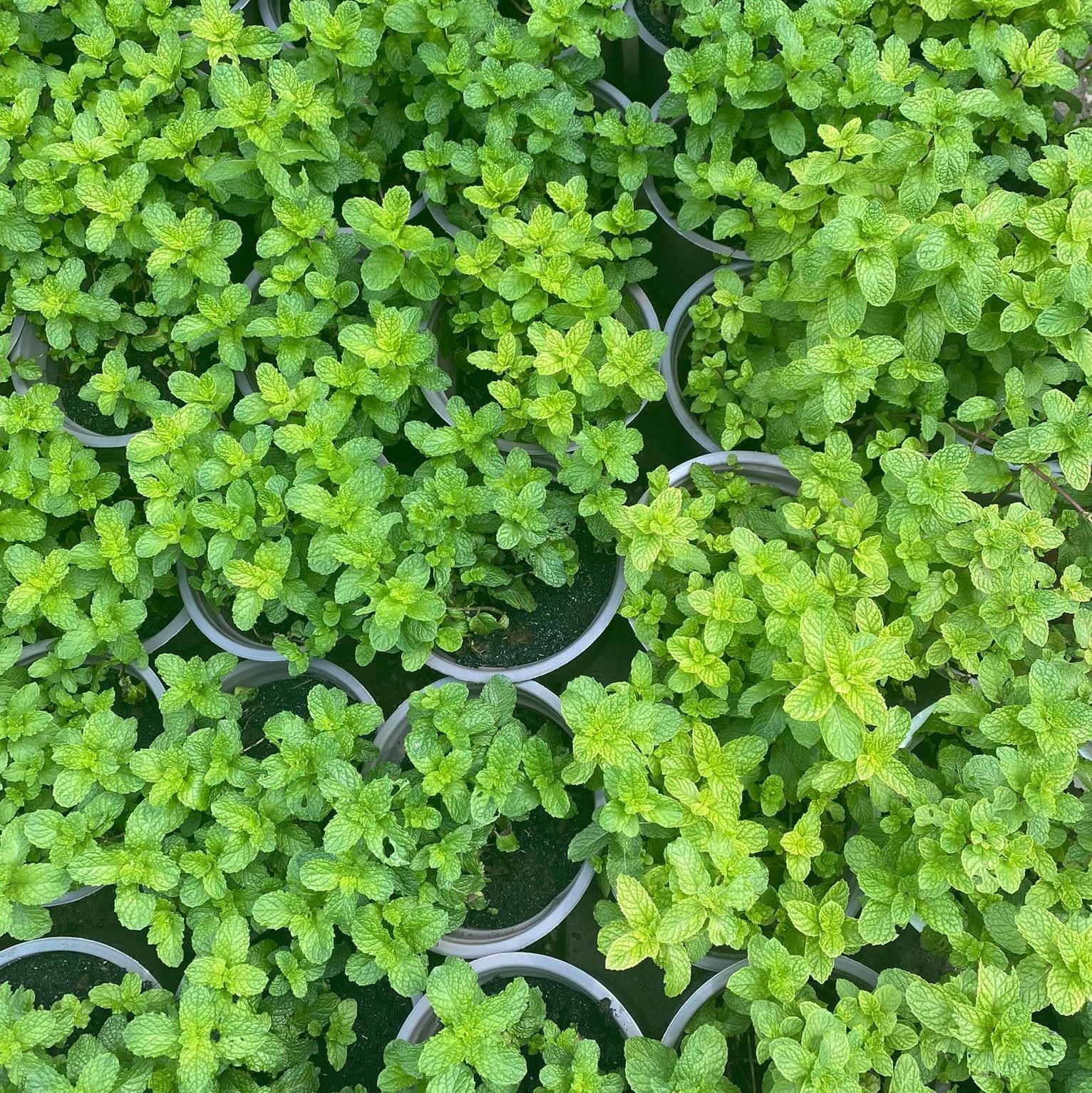
FIELD MINT
Mentha Arvensis L
1. Bio Characteristics
Herbaceous, soft stem creeping. Dark purple stem, ovate leaves. Warmth-loving (22-23°C).
2. Uses
Raw spice vegetable, with grilled meat. Oil extract for headache relief.
3. Cultivation
Season Aug-Sep (or year-round). Sandy loam, light loam.
I. USES
Field mint is a spice vegetable used raw with other vegetables like lettuce, coriander, perilla, balm mint, etc... or served with grilled meat and rolls.
Field mint has a strong, pungent aroma, less attractive than Lang basil (real).
Some countries use field mint to extract essential oil. Its oil can treat headaches.
II. BIOLOGICAL CHARACTERISTICS
- Stem & Leaves: Field mint is an annual herb, soft stem can spread around. Smooth stem, dark purple. Leaves are ovate, surface slightly smooth, petiole purple, leaf margin smooth or shallowly serrated.
- Flowers & Seeds: Small flowers, pale purple or white, 5-6 flowers grow in whorls. Black shiny seeds.
- Climate: Prefers warm, mild climate, suitable temperature for growth is 22 - 23°C, capable of withstanding heat, drought, but prefers moisture, does not tolerate waterlogging. Grows poorly at low temperatures.
- Soil: Prefers loose soil, neutral pH.
III. CULTIVATION TECHNIQUES
1. Season
Can be grown year-round, warm season usually gives high yield, plant in August - September.
2. Soil and Fertilizer
Soil: Plow carefully, clean weeds, dry soil before planting if possible. Sandy loam and light loam are suitable. After plowing, soil should be fine, loose, raise beds. Bed width 1.1 - 1.2m, 0.15 - 0.20m, furrow 0.25 - 0.30m.
- Rotten manure: 1.0 - 1.5 tons
- Superphosphate: 20 - 30kg
- Potassium chloride: 15kg
- NPK: 50 - 60kg (or 100kg kitchen ash)
* Do not overuse inorganic nitrogen fertilizer.
* Method: Basal application of all organic fertilizer, superphosphate and 1/3 potassium into furrows or on bed surface before planting. Must mix fertilizer well with soil.
3. Propagation
- Usually propagated vegetatively (by stem cuttings). Cut stems into short pieces 4 - 5cm.
- Plant stem pieces with row spacing 15 - 20cm, plant spacing 7 - 10cm. Press gently around the base.
4. Care
- Watering: Water twice a day (morning and afternoon) after planting. When plants root and turn green (2-3 days), once to keep moist. If hot and dry, daily. Generally do not flood irrigation. Use clean water.
- Weeding: After plants root and grow new leaves, cultivate soil to loosen, combined with weeding.
- Fertilizing: Top dress with NPK when plants root. Dissolve in (1-2%) or sprinkle at base and cover with soil. Water with clean after fertilizing to wash leaves. Top dress after each harvest (20-30kg NPK) depending on growth. Never use fresh manure.
IV. HARVEST
Field mint planted once can be harvested year-round. However, summer-autumn yield is usually low.
- First harvest one month after planting.
- Subsequent harvests every 15 - 20 days.
- Harvesting technique similar to other basil types.
- After 7 - 8 harvests, pull up, plow soil, let dry then replant.
- Seed preservation: Leave plants in beds, overwinter to next year.
Conditions
Fertilizer per 1,000m²: Rotten manure: 1.0 - 1.5 tons Superphosphate: 20 - 30kg Potassium chloride: 15kg NPK: 50 - 60kg (or 100kg kitchen ash) * Do not overuse inorganic nitrogen fertilizer. * Method: Basal application of all organic fertilizer, superphosphate and 1/3 potassium into furrows or on bed surface before planting. Must mix fertilizer well with soil. 3. Propagation Usually propagated vegetatively (by stem cuttings). Cut stems into short pieces 4 - 5cm. Plant stem pieces with row spacing 15 - 20cm, plant spacing 7 - 10cm. Press gently around the base. 4. Care Watering: Water twice a day (morning and afternoon) after planting. When plants root and turn green (2-3 days), once to keep moist. If hot and dry, daily. Generally do not flood irrigation. Use clean water. Weeding: After plants root and grow new leaves, cultivate soil to loosen, combined with weeding. Fertilizing: Top dress with NPK when plants root. Dissolve in (1-2%) or sprinkle at base and cover with soil. Water with clean after fertilizing to wash leaves. Top dress after each harvest (20-30kg NPK) depending on growth. Never use fresh manure. IV. HARVEST Field mint planted once can be harvested year-round. However, summer-autumn yield is usually low. First harvest one month after planting. Subsequent harvests every 15 - 20 days. Harvesting technique similar to other basil types. After 7 - 8 harvests, pull up, plow soil, let dry then replant. Seed preservation: Leave plants in beds, overwinter to next year. Fertilizer (per 1,000m²) 1.0-1.5 Tons Manure 50-60 kg NPK 20-30 kg Superphosphate 15 kg Potassium Growth Process Planting
Aug-Sep (4-5cm cuttings)
Care
Water 2x daily
First Harvest
After 1 month
Next Harvests
Every 15-20 days