
Herbs & Spices
LEMONGRASS
(CYMBOPOGON)
Lemongrass is a spice plant used to marinate food, steam seafood, and make dipping sauces. It is also used for steaming when having a cold, boiling for bathing, and in essential oil distillation and cosmetics. Folk wisdom suggests planting lemongrass to repel snakes and mosquitoes.
Herbs & Spices
Care Notes
Water Needs
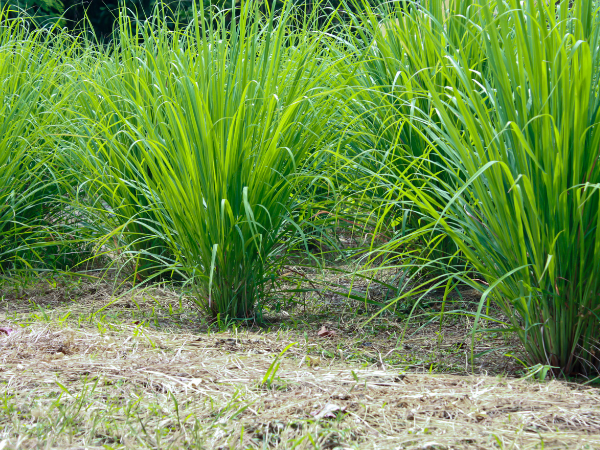
LEMONGRASS
CYMBOPOGON
1. Bio Characteristics
Perennial herb. Leaf sheaths overlap tightly to form a pseudo-stem (bulb). Leaves have a pleasant aroma.
2. Uses
Spices, cold steaming, bath water, essential oil distillation, cosmetics, snake and mosquito repellent.
3. Technique
Plant in Spring or early rainy season. Loose soil, organic fertilizer and balanced NPK.
I. USES
Lemongrass is a spice plant used to marinate food, steam shrimp, make dipping sauces for boiled snails, and more. Lemongrass is also used for steaming when having a cold, boiling for bathing, and used in essential oil distillation and cosmetics technology. In folk medicine, there is experience in planting lemongrass to repel snakes and mosquitoes.
II. BIOLOGICAL CHARACTERISTICS
- Lemongrass is a perennial herb, 0.8 - 1m tall or more.
- The true stem is short, poorly developed with many nodes, white or slightly purple.
- Leaves: Consist of leaf sheath and leaf blade. Leaf sheaths overlap tightly to form a pseudo-stem, which is the main part used, commonly called the lemongrass bulb. Leaf blades are long and narrow like rice leaves, usually drooping at the tips. Leaf surface is rough, emitting a pleasant smell when crushed.
- Shoots grow from leaf axils, many shoots develop into a clump.
- Climate: Lemongrass prefers a warm climate, tolerates heat and drought, but does not tolerate waterlogging.
- Soil: Lemongrass grows well on high ground, loose soil, rich in nutrients, neutral pH; acidic soil must be limed (100 - 200kg/1,000m²).
III. CULTIVATION TECHNIQUES
1. Season
Lemongrass is usually planted in warm seasons like spring; in southern provinces, it is often planted at the beginning of the rainy season (April, May).
2. Soil and Fertilizers
Land for planting lemongrass needs to be plowed carefully, cleared of weeds, ensured to be loose but not too fine. Then use a hoe to make beds, bed surface width 1.0 - 1.2m, bed 0.25 - 0.3m, furrow width about 0.3m.
Amount and type of fertilizer for 1,000m²:
- Decomposed organic fertilizer: 1.5 - 2.0 tons
- NPK fertilizer: 50 - 60kg. Do not abuse inorganic nitrogen fertilizer.
- Superphosphate fertilizer: 20 - 30kg
- Potassium chloride: 10 - 15kg
Basal application of all organic fertilizer, phosphate fertilizer, 1/4 NPK fertilizer, and 1/3 potassium fertilizer. Before planting, mix these fertilizers evenly into the furrow at a depth of 10 - 15cm.
- Spacing (Row x Plant): 0.7 - 0.8m x 0.30 - 0.35m.
- Planting Technique: Lemongrass is planted using "bulbs" (vegetative propagation). When planting, select healthy seedlings, trim dried leaf sheaths and excessively long roots. Place seedlings at the determined spacing, cover the base with 5 - 7cm of fine soil, press the soil gently around the base. Plant 2 - 3 seedlings per hole. Lemongrass can also be planted on ditch banks, pond banks, garden corners... for family use. Seed quantity for 1,000m² is about 500 - 600kg.
3. Care
After planting, use a watering can to keep moisture so the plants quickly take root and turn green. Lemongrass does not require frequent watering like other vegetables. When the soil is dry, provide promptly, and drain promptly during heavy rain. Must use clean for irrigation.
15 - 20 days after planting, break the surface crust, earth up lightly around the base, combined with weeding. Weeding must be done regularly. 25 - 30 days after planting, when plants start growing strongly, earth up high.
Top dressing can be combined with hoeing and earthing up. Each time use about 7 - 10kg NPK applied between two rows, then to dissolve the fertilizer. Can also dissolve fertilizer in clean at a concentration of 1.5 - 2% to the base.
About 50 days after planting, perform the third top dressing, similar to the previous two times. When plants grow strongly and "bulbs" swell, Potassium top dressing is needed... After each harvest, top dressing is required.
Generally, lemongrass is rarely attacked by pests and diseases. A common disease is yellow wilt. The best prevention is through integrated technical measures. When plant protection products are needed, strictly follow professional instructions.
IV. HARVEST
- About 100 - 120 days after planting, plants meeting standards can be harvested for food.
- When harvesting, cut off lives, leaving only the bulb part (leaf sheath) 25 - 30cm long, tie into bundles or leave loose, then take to consumption.
- After each harvest, continue to care for the lemongrass field: weeding, top dressing... for subsequent harvests. Plant once but can harvest continuously for 6 - 7 years. Average yield 36 tons of leaves/crop, harvest 6 crops/year. Lemongrass leaves are used for essential oil distillation.
Living Conditions
Soil:
Land for planting lemongrass needs to be plowed carefully, cleared of weeds, ensured to be loose but not too fine. Then use a hoe to make beds, bed surface width 1.0 - 1.2m, bed 0.25 - 0.3m, furrow width about 0.3m.
Fertilizer:
Amount and type of fertilizer for 1,000m²:
Application method:
Basal application of all organic fertilizer, phosphate fertilizer, 1/4 NPK fertilizer, and 1/3 potassium fertilizer. Before planting, mix these fertilizers evenly into the furrow at a depth of 10 - 15cm.
Spacing and Planting Technique: Spacing (Row x Plant): 0.7 - 0.8m x 0.30 - 0.35m. Planting Technique: Lemongrass is planted using "bulbs" (vegetative propagation). When planting, select healthy seedlings, trim dried leaf sheaths and excessively long roots. Place seedlings at the determined spacing, cover the base with 5 - 7cm of fine soil, press the soil gently around the base. Plant 2 - 3 seedlings per hole. Lemongrass can also be planted on ditch banks, pond banks, garden corners... for family use. Seed quantity for 1,000m² is about 500 - 600kg. 3. Care Watering:
After planting, use a watering can to keep moisture so the plants quickly take root and turn green. Lemongrass does not require frequent watering like other vegetables. When the soil is dry, provide promptly, and drain promptly during heavy rain. Must use clean for irrigation.
Hoeing, Earthing up, Weeding:
15 - 20 days after planting, break the surface crust, earth up lightly around the base, combined with weeding. Weeding must be done regularly. 25 - 30 days after planting, when plants start growing strongly, earth up high.
Top dressing:
Top dressing can be combined with hoeing and earthing up. Each time use about 7 - 10kg NPK applied between two rows, then to dissolve the fertilizer. Can also dissolve fertilizer in clean at a concentration of 1.5 - 2% to the base.
Pest and Disease Control:
Generally, lemongrass is rarely attacked by pests and diseases. A common disease is yellow wilt. The best prevention is through integrated technical measures. When plant protection products are needed, strictly follow professional instructions.
Planting
Spring/Early Rainy Season - Bulbs.