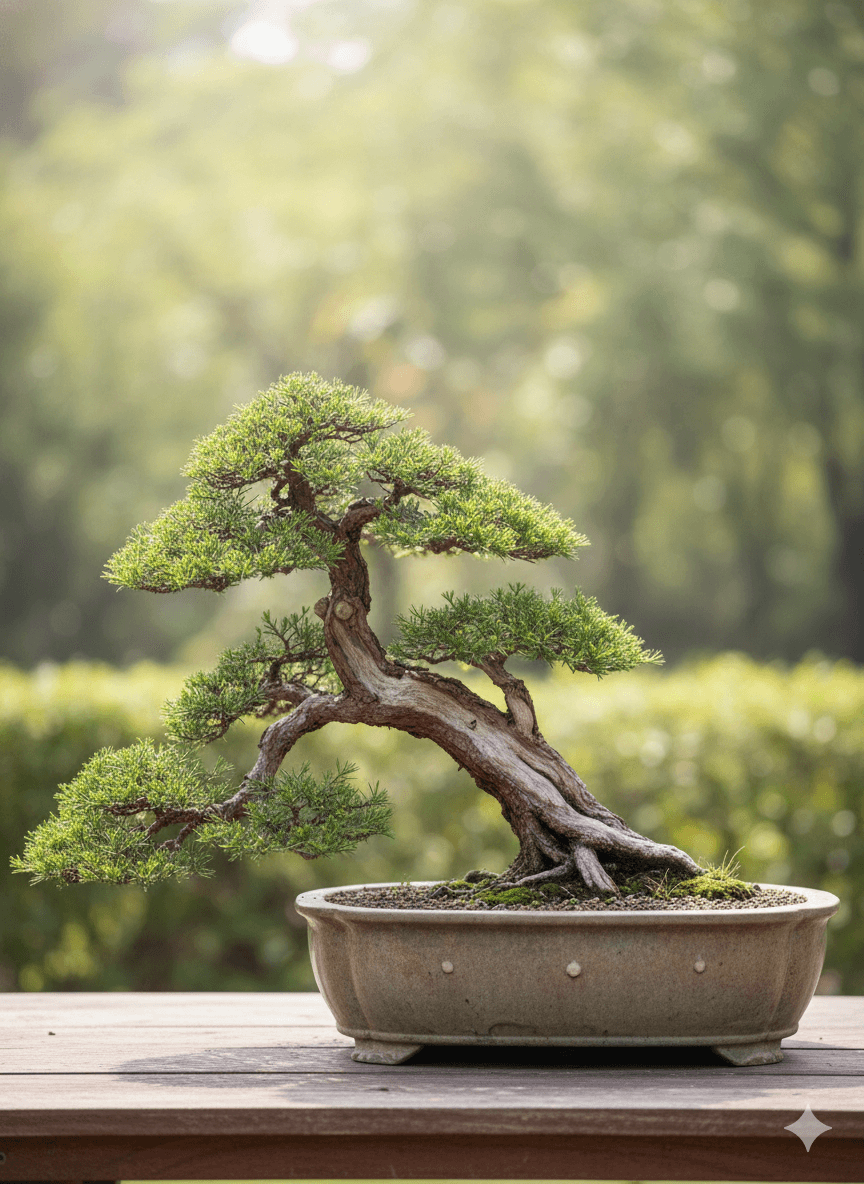

Linh Nam Bonsai Cascading Style - Step-by-Step Shaping Guide

InBonsai Team
April 13, 2026 · 6 min read
The cascading style (dáng đổ) represents one of the most distinctive and elegant forms of Linh Nam bonsai, embodying freedom and artistic expression. Unlike rigid styling forms, the drooping style allows natural growth while maintaining aesthetic harmony. This guide walks you through every step of creating a beautiful Linh Nam bonsai cascading style—from foundational concepts to advanced wiring techniques—perfect for both beginners and experienced enthusiasts.
What Is the Cascading Style?
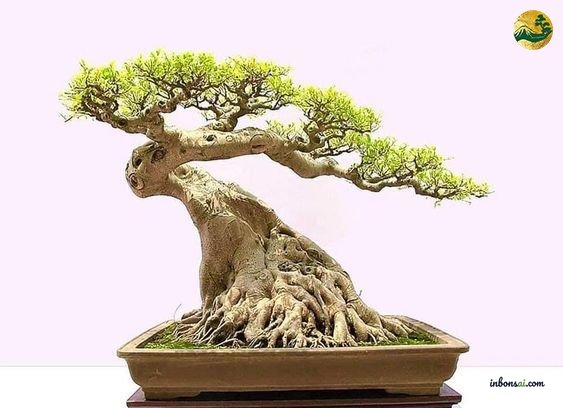
The cascading style, also known as the “waterfall style,” is a bonsai design where the primary branch is directed downward vertically or nearly vertically, creating the visual impression of a waterfall. In Linh Nam bonsai culture, this style symbolizes elegance and freedom, representing creative spirit and independence.
What distinguishes cascading from other styles is the flexibility in design. While upright or slanting styles demand strict adherence to form, the cascading style permits natural development as long as basic aesthetic principles are followed. Additionally, for newcomers, this style offers an advantage—it doesn’t require perfection in every detail, making it more forgiving than more rigid forms.
Basic Requirements for Cascading Style
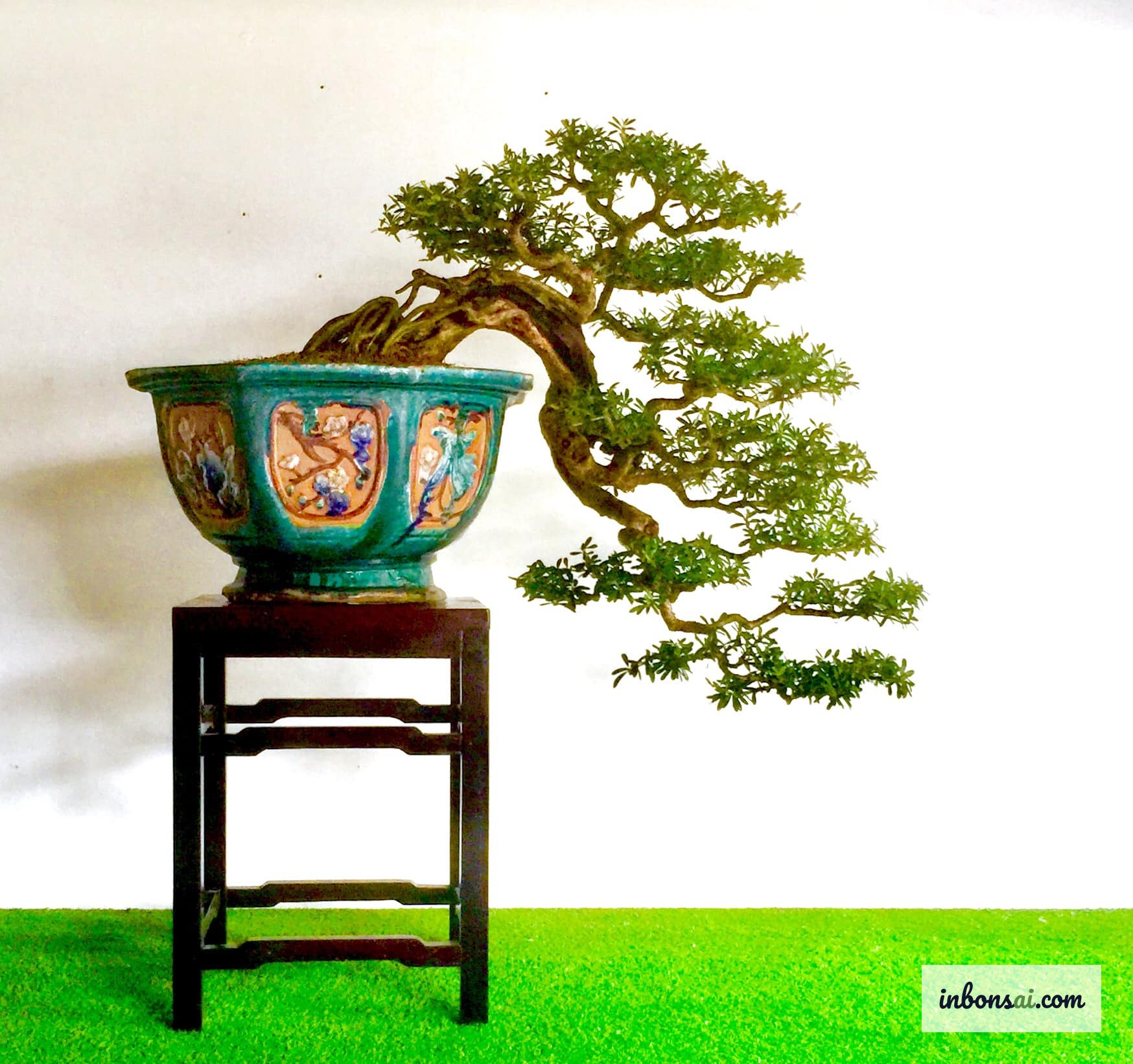
To successfully create a Linh Nam bonsai cascading style, consider several fundamental requirements regarding tree selection and initial preparation. First, choose a specimen with a sturdy root system and naturally curved primary branch. Species like crape myrtle, weeping fig, or trees with flexible, resilient wood are excellent choices for this style.
Additionally, your chosen tree should measure at least 30cm tall to provide sufficient space for secondary branch development. The critical factor is that the root system must be strong enough to withstand the bending and reshaping process. If you’re a beginner, start with trees already possessing a natural form close to cascading style—this conserves time and effort. Therefore, carefully observe the tree before purchase to ensure it has potential for this dramatic design.
Preparation Phase Before Shaping
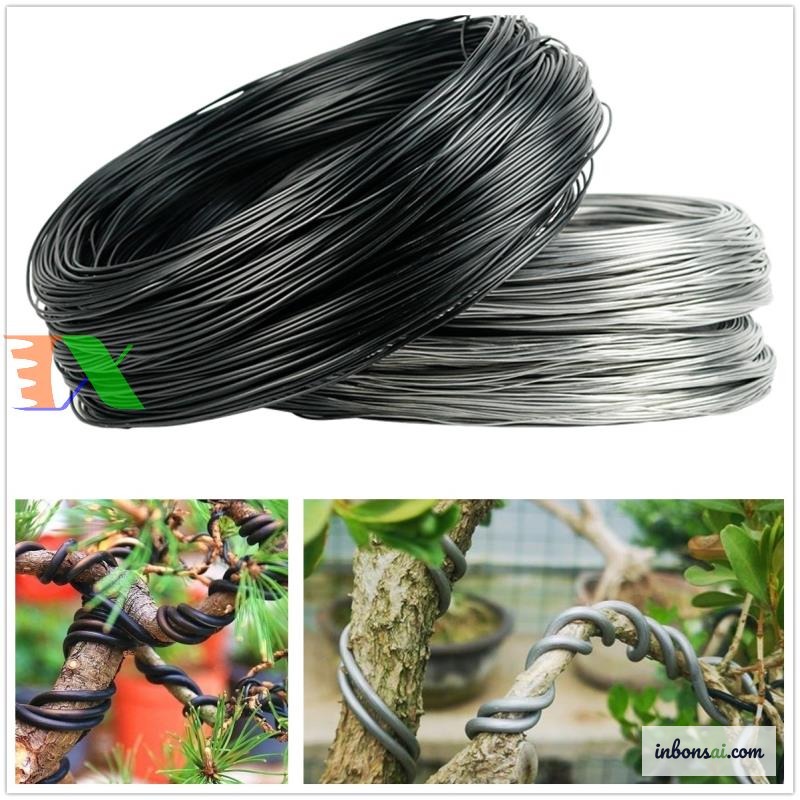
Before starting the shaping process, thorough preparation is essential. Begin by assembling necessary tools: bonsai wiring supplies, pruning scissors, soft cloth or paper to protect bark from wire damage. Beyond tools, develop a clear plan for your desired final form—sketch it or reference cascading bonsai photographs online for inspiration.
Next, condition your tree before shaping. Ensure it has adapted to your environment for at least 2-3 weeks. The tree needs time to recover and develop new branches before you begin wiring. Remove dead or weak branches, and establish a solid foundation by adjusting root depth in the pot. Perform these preparatory tasks during spring or early summer when the tree’s vitality is strongest.
Basic Branch Wiring Techniques
Wiring is the central step in creating a cascading Linh Nam bonsai. Begin by selecting appropriately sized wire—it should be substantial enough to hold the branch in position but not so thick as to damage bark. Red or black wire is typically used for visibility.
When wiring, proceed slowly and gently. Start with the primary branch, wrapping wire from its base to the tip, ensuring it isn’t coiled too tightly. Bend the branch along its natural curve, avoiding sudden movements that could cause breakage. Therefore, be patient and make small adjustments every few days rather than forcing dramatic changes all at once. Additionally, maintain the tree’s apex, allowing new branches to develop according to your design vision.
Developing Secondary Branches
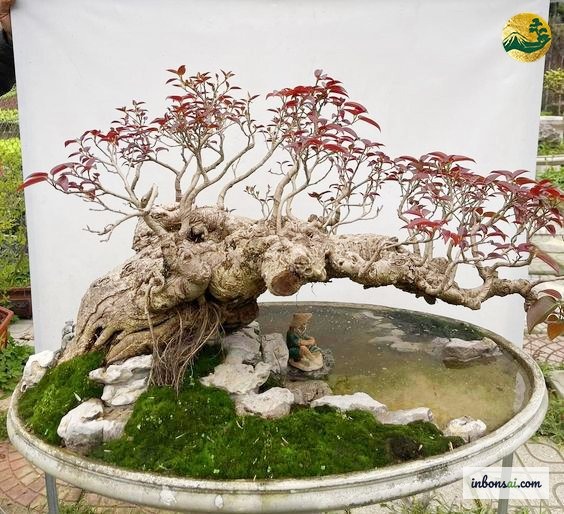
After positioning the primary branch, the next step involves developing secondary branches to create your bonsai’s overall structure. These branches form attractive foliage layers that conceal the branch structure framework. Select branches at strategic positions to ensure form balance. Remove branches growing inward or opposite to the primary branch’s direction.
During secondary branch development, employ focused pruning to encourage directional growth. Continuously assess balance between branches, ensuring none becomes disproportionately large or small. Actively remove basal leaves (foliage at branch bases) to create space for new growth. This process demands patience and constant observation throughout the development period.
Caring for Cascading Bonsai After Shaping
Post-shaping care determines whether your cascading style bonsai develops healthily and achieves perfect form. Provide abundant light—minimum six hours daily—to encourage balanced development. Water on a regular schedule, ensuring soil is never completely dry nor waterlogged. Additionally, use bonsai-specific fertilizer weekly to provide adequate nutrients for development.
During this phase, regularly check wires to confirm they aren’t damaging bark. Once branches achieve desired form, gradually remove wiring to prevent shock. Therefore, the months following initial shaping demand careful attention to detail and consistent maintenance practices.
Common Mistakes and Solutions
When shaping Linh Nam bonsai cascading style, newcomers often encounter predictable errors. The most common mistake involves bending branches too quickly, which causes breakage or serious damage. Always ensure you proceed in small steps, adjusting angles every few days without rushing. Another frequent error involves improper wire selection—wire that’s too thin won’t maintain new positions, while oversized wire damages bark.
Additionally, remember to regularly inspect wires as trees grow. Wire can become too tight and cut into bark, creating permanent scars. It’s crucial to remove wiring when branches are sufficiently rigid to maintain their new form. Avoid attempting excessive shaping details simultaneously—complete stages sequentially to allow gradual tree adaptation. Therefore, learning from others’ mistakes prevents unnecessary losses.
Development Timeline Expectations
Creating a beautiful Linh Nam bonsai cascading style isn’t a quick process—it requires patience and time. During the first 3-6 months, you’ll observe significant changes in basic tree form. After one year, your tree will nearly complete its shape, though refinement continues. A truly exceptional cascading style specimen requires 3-5 years or longer to achieve perfection.
However, don’t let this discourage you. Each small shaping step brings satisfaction and valuable experience. You’ll learn to observe the tree closely, understand its development patterns, and develop genuinely precious skills. Monthly progress provides excellent motivation to continue your bonsai journey. Therefore, view this as a long journey you’ll enjoy at every stage.
Shaping a Linh Nam bonsai cascading style is a skill you can develop through patience and consistent practice. Begin with simple trees, apply the fundamentals you’ve learned, and gradually develop your expertise. You might also review the bonsai basics guide to strengthen foundational knowledge, and explore advanced wiring techniques to continue your development.
Related Posts
Linh Nam Bonsai Cascading Style - Step-by-Step Shaping Guide
Linh Nam Bonsai Trunk Chop & Branch Keeping Technique
Aluminum Wire for Bonsai: Proper Wiring Techniques
Loc Vung Bonsai: Feng Shui Meaning and Shaping Guide
Linh Nam Bonsai Collection (Part 1)