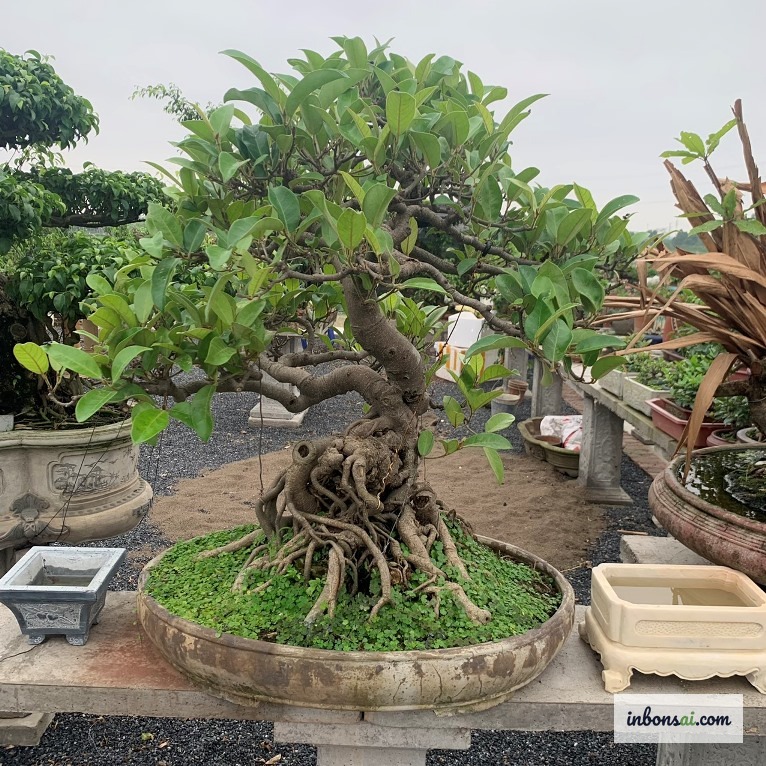
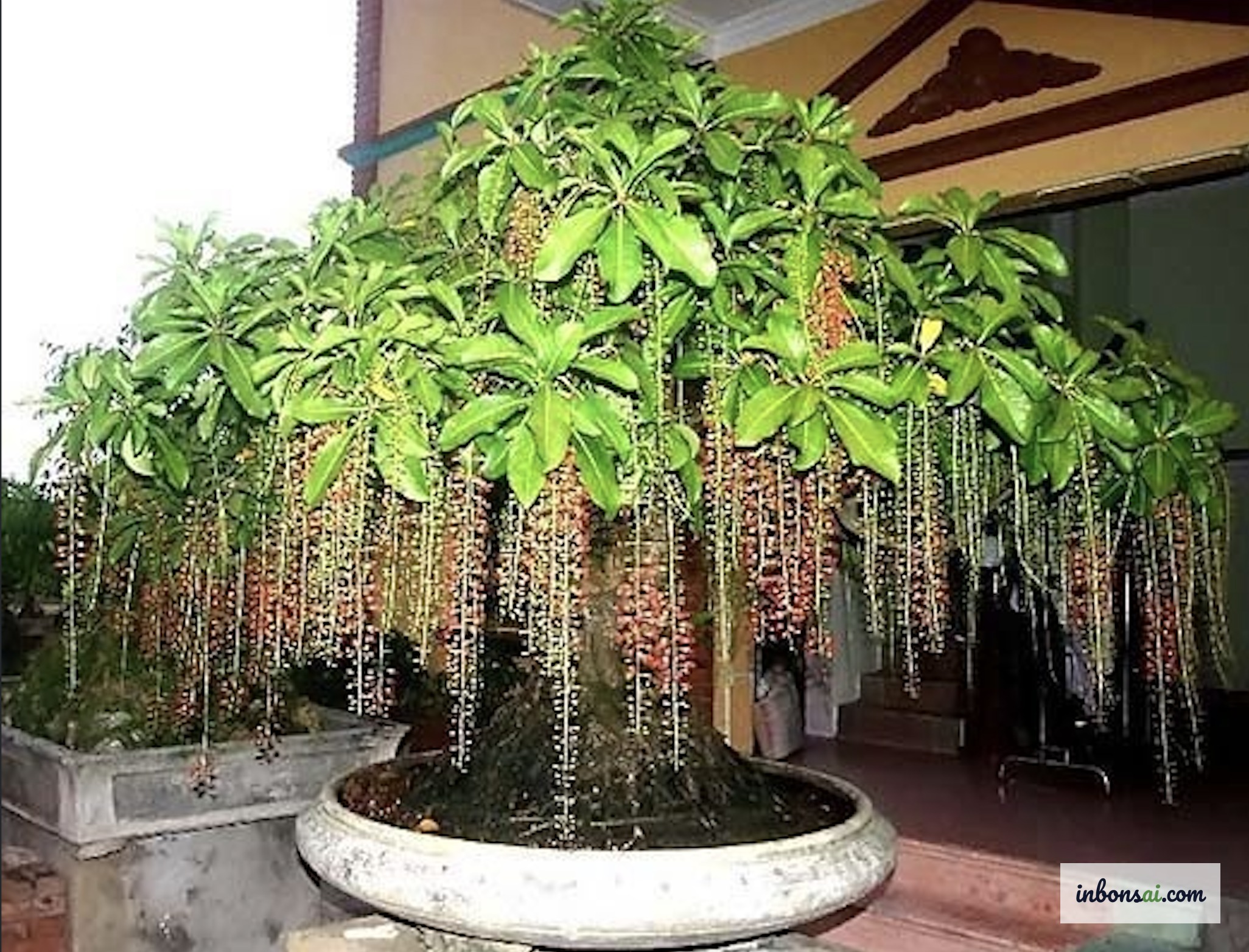
Loc Vung Bonsai: Feng Shui Meaning and Shaping Guide

InBonsai Team
March 23, 2026 · 9 min read
In Vietnamese bonsai culture, loc vung bonsai (Barringtonia racemosa) is increasingly sought after for its stunning cascading red flower clusters and deep feng shui symbolism of luck and prosperity. Beyond its seasonal floral beauty, loc vung bonsai offers remarkable versatility in shaping — from the upright formal style to dramatic cascading forms that evoke wild natural beauty. This guide covers the plant’s characteristics, the most popular shaping styles, proper care techniques, and feng shui placement tips to invite positive energy into your home.
What Is Loc Vung Bonsai? Key Characteristics
Loc vung, scientifically known as Barringtonia racemosa, belongs to the Lecythidaceae family — a tropical species native to riverbanks and coastal areas across Southeast Asia, South Asia, and Africa. In Vietnam, it grows abundantly in the northern and central regions, famously lining the shores of lakes and rivers, including the iconic Hoan Kiem Lake area in Hanoi.
The most distinctive feature of loc vung is its long pendant flower racemes, reaching 30 to 100 cm in length, emerging from leaf axils and older branches. Each cluster bears dozens of small flowers with white-pink petals and vivid crimson stamens, creating a spectacular display reminiscent of a natural fireworks show. The blooms typically open at night and in the early morning during spring and summer, and carry a delicate, pleasant fragrance.
The leaves are oblong with slightly serrated margins, dark glossy green, and fairly large on wild trees — though they miniaturize steadily with consistent leaf pruning in bonsai practice. The bark is brown-gray and develops attractive rough texture with age, giving loc vung bonsai an ancient, weathered look within just a few years of cultivation.
Another major advantage is that loc vung is remarkably resilient and adaptable to container growing. Its root system is vigorous and tolerates higher moisture levels than most bonsai species — a trait that traces back to its waterside habitat. This makes loc vung an excellent choice even for beginners entering the species bonsai world.
Feng Shui Meaning of Loc Vung Bonsai
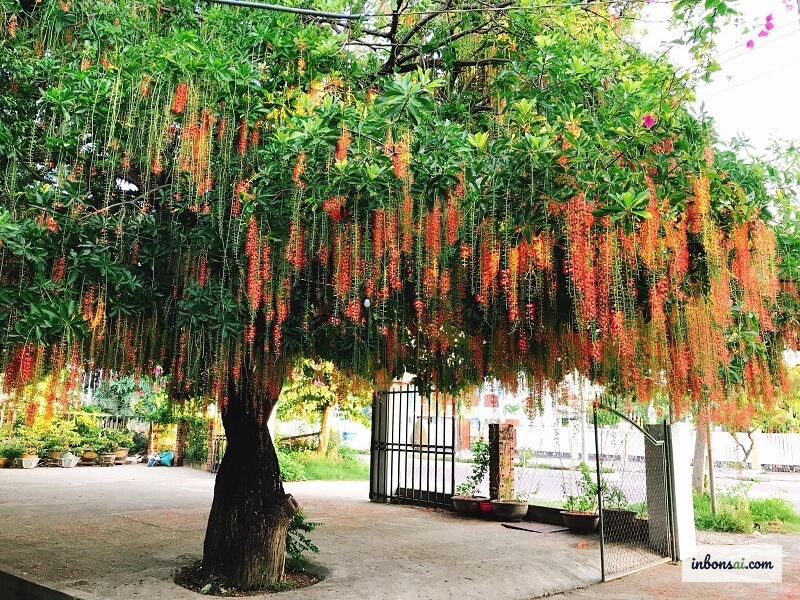
The Vietnamese name “lộc vừng” carries auspicious meaning: “lộc” evokes prosperity and good fortune, while “vừng” suggests contentment and balance — a perfect pairing that resonates with feng shui’s pursuit of harmonious abundance.
According to feng shui principles, loc vung bonsai is believed to bring:
- Wealth and prosperity attraction: The vivid red flower clusters are likened to rays of good fortune cascading downward, drawing positive energy and financial luck into the space
- Longevity symbolism: Loc vung trees are exceptionally long-lived — ancient specimens hundreds of years old still thrive, symbolizing health and longevity for the household
- Peace and tranquility: The gently cascading form of the tree creates a calming visual energy that balances the space
- Multi-element compatibility: The combination of red (Fire element) and deep green (Wood element) makes loc vung suitable for those of Fire, Wood, and Earth constitutions in feng shui
Beyond feng shui, loc vung holds deep cultural significance in Vietnamese tradition — its image by still water is woven into the collective memory of northern Vietnamese villages, representing the quiet beauty of countryside life.
Explore feng shui bonsai by zodiac sign to find which bonsai species best matches your birth year and elemental constitution.
Best Shaping Styles for Loc Vung Bonsai
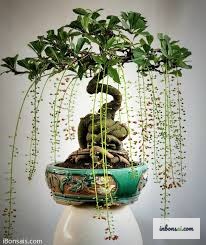
Unlike many bonsai species, loc vung shaping offers great flexibility thanks to the tree’s pliable young stems and strong recovery capacity after pruning. Here are the most popular styles among bonsai artists:
Formal Upright (Chokkan): A straight vertical trunk with evenly distributed branches — the classic style representing stability and strength. Ideal for offices, living rooms, and entryways. Loc vung in this style conveys a sense of steadfast character, making it a popular business gift.
Slanting (Shakan): The trunk leans at 15 to 45 degrees, creating the impression of a tree straining toward light. This style adds visual depth and suits larger display spaces with a modern aesthetic.
Full Cascade (Kengai): Branches and apex fall below the rim of the pot — the most valued and challenging style for loc vung. When in bloom, the crimson flower racemes tumbling downward alongside the cascading structure create a breathtaking display unlike any other bonsai species.
Semi-Cascade (Han-kengai): A more accessible variation where the main branch extends to roughly the pot rim level. This style is easier to develop and maintain than full cascade while still capturing the graceful downward flow.
Multi-trunk (Ikadabuki): Multiple trunks emerge from a single root base, evoking a miniature forest. The multi-trunk style is spectacular during flowering season when multiple cascades of red blooms appear simultaneously across all trunks.
The basic technique for shaping loc vung is to wrap young branches (under 1.5 cm diameter) with aluminum wire in spring during the active growth period, then gently bend them into the desired form. Remove the wire after 3-6 months before it cuts into the bark.
Loc Vung Bonsai Care Techniques
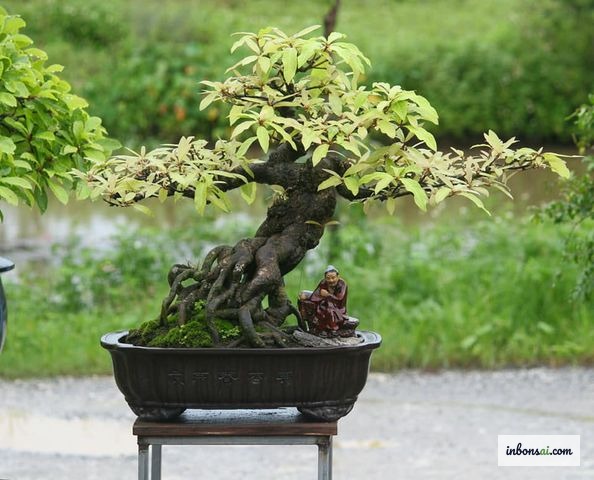
To keep your loc vung bonsai thriving and producing blooms year after year, master these species-specific care requirements:
Light: Loc vung is a high-light plant. Position it outdoors or on a balcony receiving at least 4-6 hours of direct sunlight daily. Insufficient light leads to sparse flowering, oversized leaves, and elongated internodes — all of which undermine the miniaturized aesthetic of bonsai. Limit indoor display to 2-week intervals maximum.
Soil and pot: Loc vung prefers moisture-retentive yet well-draining soil. An ideal mix is 40% akadama, 30% alluvial soil, and 30% coconut coir or perlite. Choose a pot with adequate drainage holes — deeper pots are preferable since loc vung roots tend to grow vertically.
Pruning: Prune branches after each flowering season (typically late summer to early autumn). Remove crossing branches, weak interior growth, and branches that disrupt the desired form. Pinch leaves every 2-3 months to maintain small, uniform leaf size. Apply wound sealant to cut surfaces to prevent fungal infection.
Repotting: Every 2-3 years in early spring before new leaf flush. Trim approximately one-third of the root mass — especially old, pot-bound, or compacted roots — and replace with fresh substrate. Use this opportunity to adjust the tree’s angle in the pot if refining the design.
Watering and Fertilizing Guide
Watering is the most critical factor for loc vung bonsai health. This species tolerates and appreciates more moisture than most bonsai, reflecting its riverine origins — but “moisture-loving” does not mean waterlogged.
The correct approach: water when the top layer of soil just begins to dry out. Each watering should be thorough, continuing until water flows freely from the drainage holes. In hot summer months, watering once or twice daily may be necessary; in winter, every 3-4 days is usually sufficient. Water in the early morning or late afternoon to avoid thermal shock to the roots.
Fertilizing: Regular feeding is essential for consistent flowering. Recommended schedule:
- Spring (Feb-Apr): Apply nitrogen-rich fertilizer (NPK 20-10-10) to stimulate vigorous leaf and branch growth
- Pre-bloom (Apr-May): Switch to high-phosphorus/potassium fertilizer (NPK 10-30-20) to stimulate bud initiation
- Summer-autumn (Jun-Sep): Balanced NPK 15-15-15 every 3-4 weeks
- Winter (Nov-Jan): Reduce or suspend fertilizing during the low-growth period
Supplement with organic fertilizer (worm castings, goat manure compost) every 2 months to improve soil biology and provide beneficial microorganisms to the root zone.
Feng Shui Placement for Loc Vung Bonsai
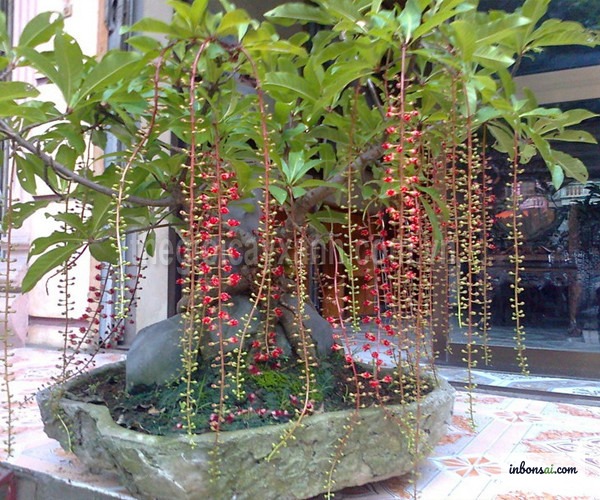
Strategic placement maximizes both the plant’s health and its feng shui influence:
Living room: The ideal location. Position the tree in the East or Southeast corner of the room — the direction associated with wealth and growth in feng shui. A loc vung bonsai displayed on a coffee table or decorative shelf becomes an extraordinary focal point when in bloom.
Balcony or rooftop garden: The high-light environment of an open balcony is perfect for loc vung. During flowering season, the fragrant cascading blooms transform outdoor spaces into tranquil retreats.
Office: A smaller loc vung bonsai placed near an east-facing office window brings fresh air and calming green energy to the workspace, reducing stress and promoting creativity. See office desk bonsai for wealth attraction for more workspace-friendly species.
Avoid: Bathrooms (insufficient light, humidity swings), under air conditioning vents (cold drafts damage leaves), and any location without natural light. A loc vung deprived of sunlight will gradually weaken and fail to bloom regardless of other care efforts.
Common Mistakes When Growing Loc Vung Bonsai
Despite being more forgiving than many species, loc vung bonsai has a few sensitivities worth knowing:
Incorrect watering pattern: The most common error is watering a small amount daily — this prevents roots from developing depth and allows salt buildup in the soil. Water less frequently but thoroughly, saturating the entire root ball each time.
Keeping the tree indoors too long: Loc vung needs strong sunlight. More than 2-3 continuous weeks inside without adequate light will cause yellowing leaves and overall decline. Rotate the tree outdoors regularly to recharge.
Pruning at the wrong time: Avoid heavy pruning in winter or during active flowering. Major branch reduction should be done 4-6 weeks after the bloom period ends, when the tree has recovered and is preparing its next growth flush.
Wrong fertilizer before flowering: Continuing high-nitrogen feeding throughout the year is a common reason loc vung trees stay lush but refuse to flower. Switching to high-P/K fertilizer 6-8 weeks before bloom season is the key to triggering abundant flowering.
Incorrect pot sizing: An undersized pot restricts roots and starves the tree of nutrients and water. An oversized pot retains too much moisture and risks root rot. A pot roughly two-thirds of the canopy width and deep enough for vertical root growth strikes the right balance.
Additionally, watch regularly for common pests: mealybugs and spider mites are the most frequent afflictions on loc vung bonsai, especially during dry seasons. Treat promptly with neem oil or biological pesticides at the first sign of infestation before they spread.
With its elegant cascading blooms, profound feng shui symbolism, and remarkable versatility in shaping, loc vung bonsai stands as one of Vietnam’s most prestigious native bonsai species. With the guidance above, you have everything needed to begin or deepen your journey with this extraordinary tree. Choose a healthy young plant, place it in the right location, and care for it with patience — the reward will be spectacular crimson blooms each year, bringing beauty and good fortune to your home.
Related Posts
Loc Vung Bonsai: Feng Shui Meaning and Shaping Guide
Starfruit Bonsai Mini: Feng Shui Meaning and Care Guide
Ficus Religiosa Bonsai: Spiritual Meaning and Care Guide
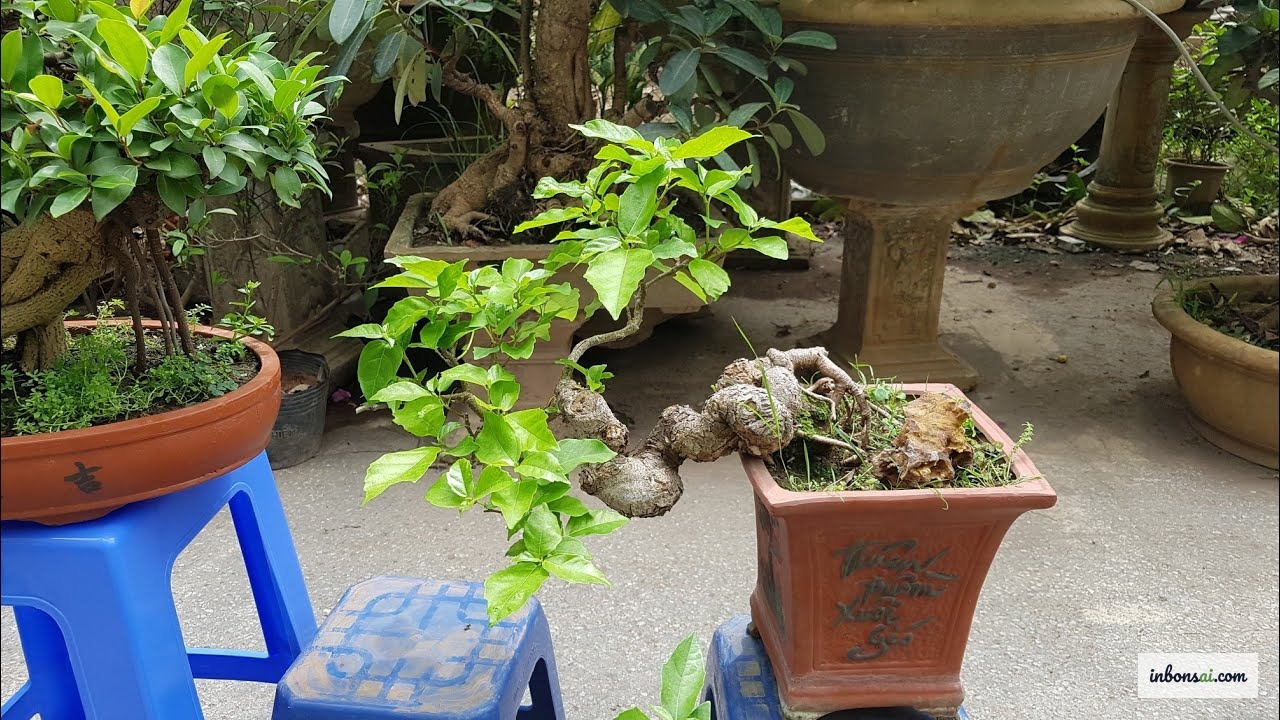
Ficus Racemosa Bonsai: Feng Shui Meaning & Care Guide
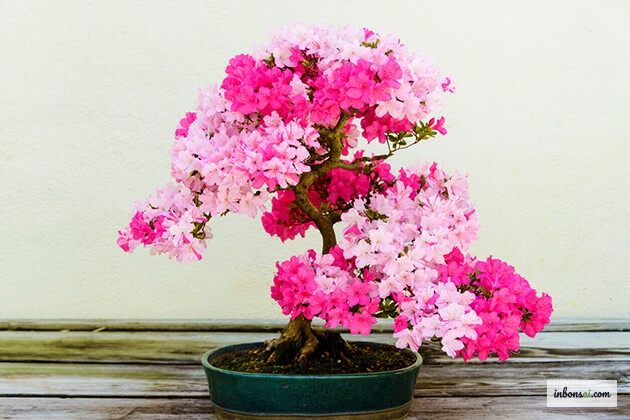
Bougainvillea Bonsai Mini: Feng Shui Meaning & Care Guide
Ficus Bonsai Mini: Feng Shui Meaning and Care Guide
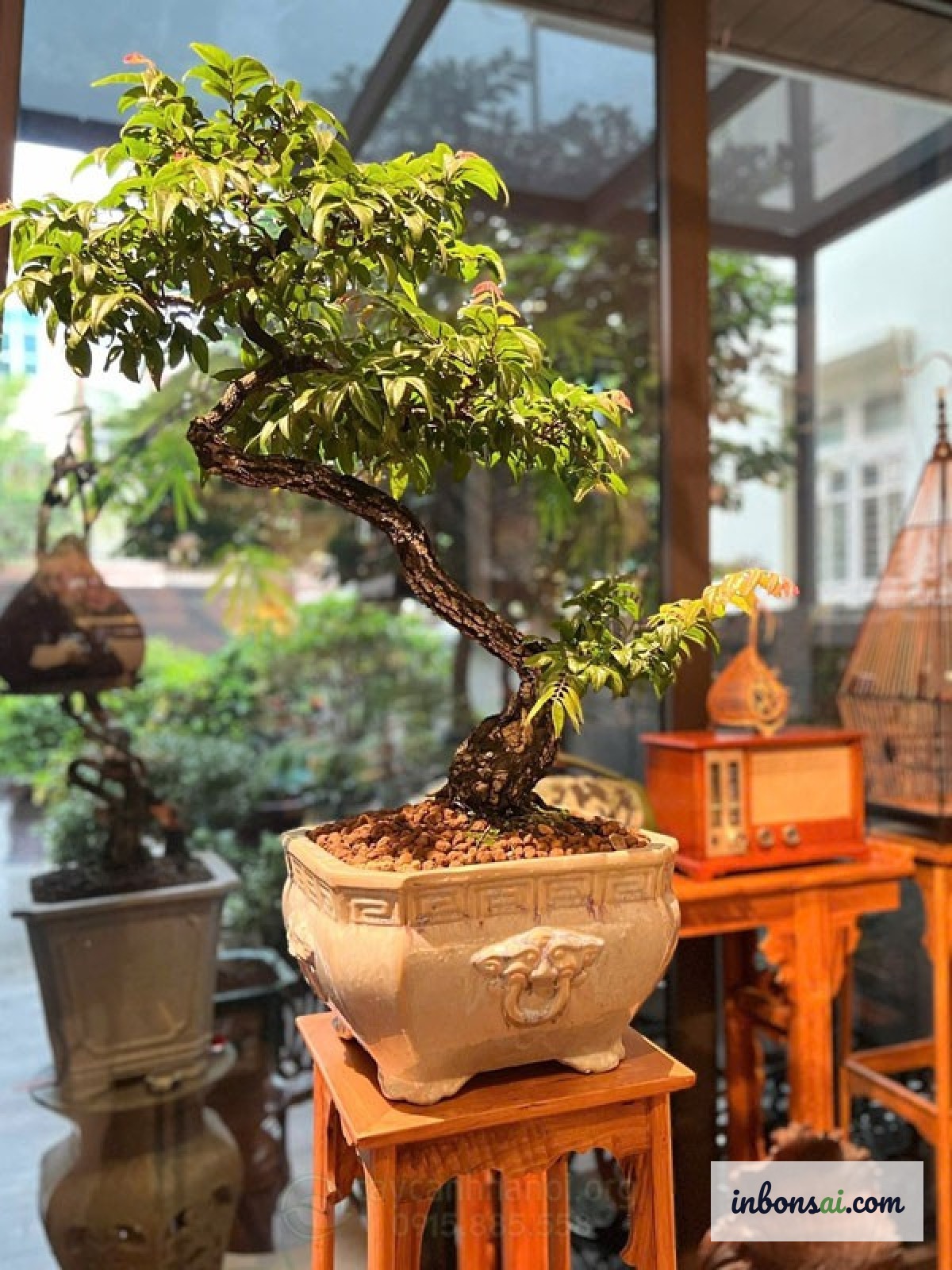
Pomegranate Bonsai Yellow Leaves: Causes & Treatment Guide