Aluminum Wire for Bonsai: Proper Wiring Techniques

InBonsai Team
April 12, 2026 · 6 min read
Aluminum wire is one of the most essential tools for any bonsai enthusiast. It allows you to create unique tree shapes and bend branches according to your vision without waiting years like traditional pruning methods alone. However, to achieve excellent results while protecting your tree, you need to master the proper aluminum wire bonsai wiring technique. This guide will walk you through the fundamentals to advanced methods.
What is Aluminum Wire for Bonsai?
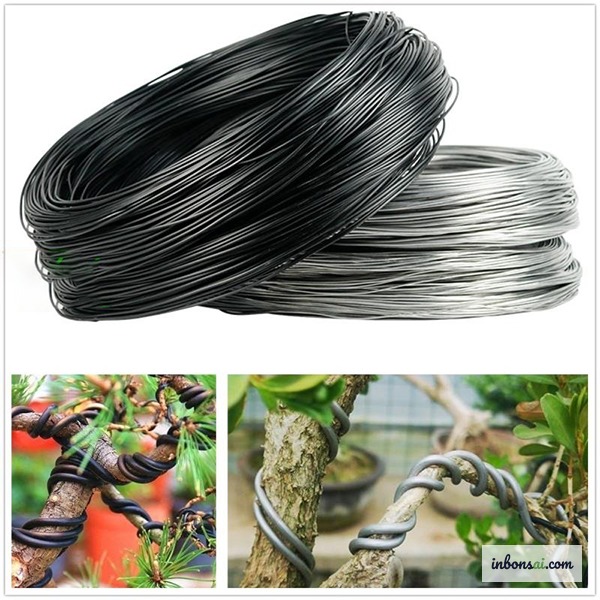
Aluminum bonsai wire, also called training wire, is a flexible metal wire made from pure aluminum. It has moderate rigidity, bending and holding shape easily while remaining gentle on tender branches. Unlike copper or steel wire, aluminum is lightweight, rust-resistant, and safer for bonsai species with delicate bark.
Aluminum wire comes in many sizes, from 1mm for small twigs to 6mm or 8mm for larger branches. Selecting the correct gauge is the first critical step for successful shaping. Additionally, aluminum wire is reusable — you can straighten old wire and use it again on different trees, making it economical over time.
Benefits of Using Aluminum Wire for Bonsai Styling
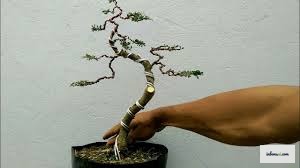
Using aluminum wire for bonsai styling offers numerous advantages over other methods. First, it provides precise control over branch direction and bending angles. You can create any desired style — from natural upright, to informal, cascade, and forest miniatures. This precision is difficult to achieve through pruning alone.
Second, aluminum wire works quickly. Instead of waiting years for your tree to develop a new shape through pruning, wire can establish a new form in just months. Moreover, wire protects your tree from unnecessary damage — you bend branches rather than cutting them. When the wire is removed, branches may retain their new shape or gradually straighten, depending on your tree’s wood rigidity and species characteristics.
Choosing the Right Aluminum Wire Size
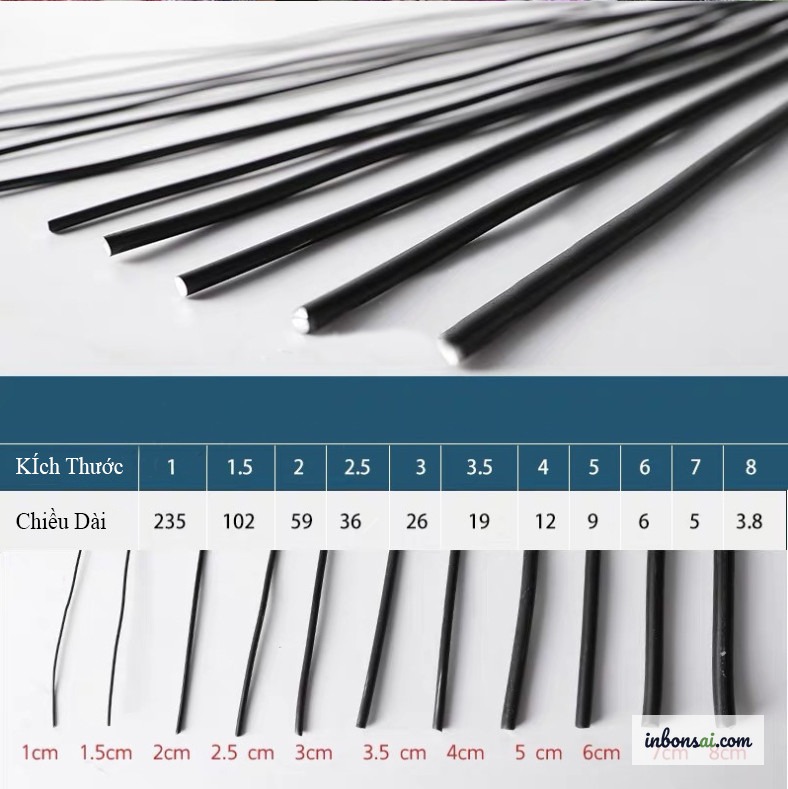
One of the most common mistakes is selecting wire that’s either too thin or too thick. Wire that’s too thin won’t hold the branch in the desired position, while wire that’s too thick can damage bark and leave permanent scars.
The general rule is to select wire with a thickness of approximately 1/3 the diameter of the branch you want to wire. For example, a 6mm diameter branch should use roughly 2mm wire. Aluminum wire is typically sold in sets ranging from 1mm to 6mm, and having all sizes provides flexibility for different branches. Always choose high-quality aluminum wire with good elasticity that isn’t brittle or stiff.
Preparing Before Wiring
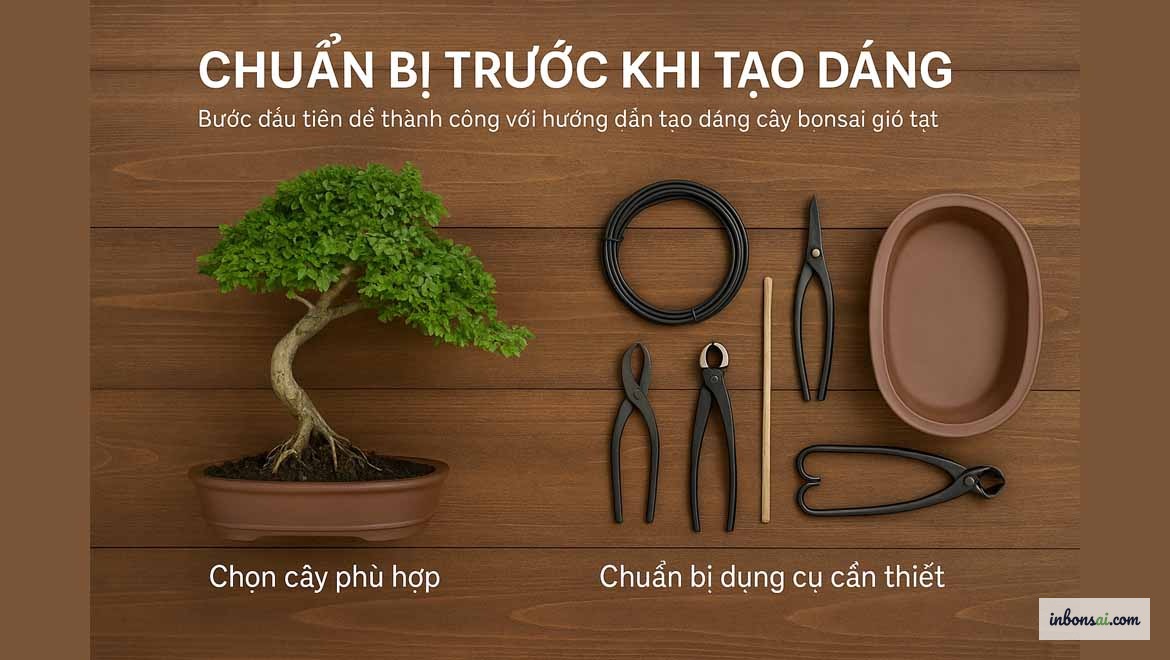
Before beginning the wiring process, careful preparation is essential. First, choose the right timing — spring or autumn is ideal when your tree is growing vigorously. At this time, bark is more pliable, wire shapes more easily, and your tree sustains less damage.
Second, gather necessary tools: aluminum wire in multiple sizes, wire cutters, and a pencil for adjustments. Wash your hands thoroughly to keep dirt and salt from transferring to your tree. Finally, verify your tree’s health — it must be robust, free from pest or disease stress, and well-watered. A weak tree is easily damaged by wiring and will recover poorly.
The Correct Technique for Coiling Wire
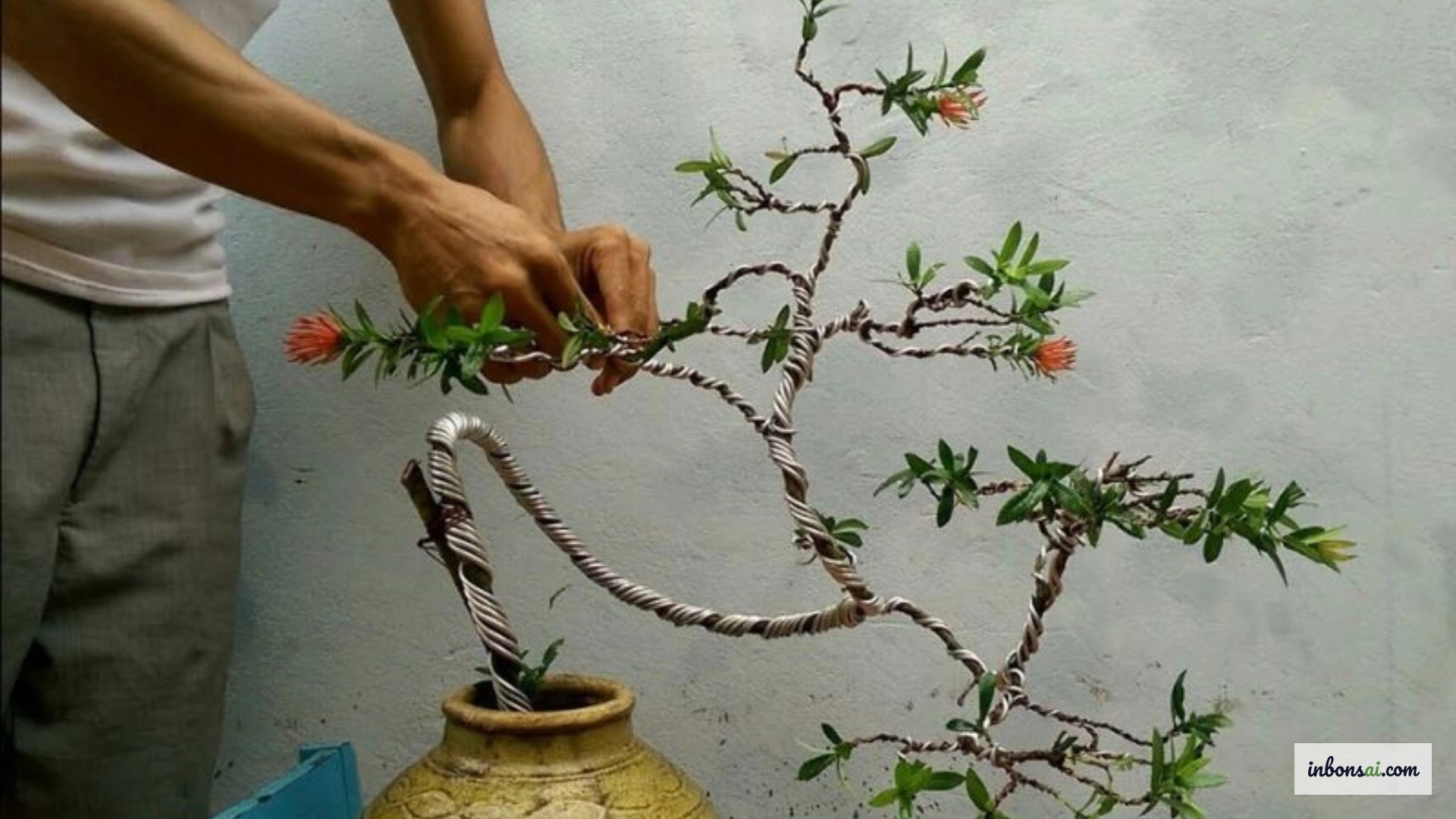
Coiling aluminum wire requires practice, but once you understand the fundamentals, it becomes natural. Begin by choosing your starting point on the tree — usually from the base or primary branch. Wrap the wire around the trunk or parent branch one or two times to anchor it. This anchor wrapping prevents the wire from slipping as you bend the branch.
Next, coil the wire gradually up the branch with approximately 1cm spacing between each wrap. This distribution prevents the wire from cutting into the branch and spreads the force evenly. After reaching the branch tip, carefully bend the wire along with the branch toward your desired direction. Bend slowly and gradually, never bending to sharp 90-degree angles in one motion as this risks branch breakage.
Maintain steady, gentle pressure — just enough to position the branch without excessive force. You’ll notice the wire naturally settles into gaps in the bark as you bend. If the wire begins to cut into the bark, stop immediately and loosen it slightly.
Common Mistakes When Using Aluminum Wire
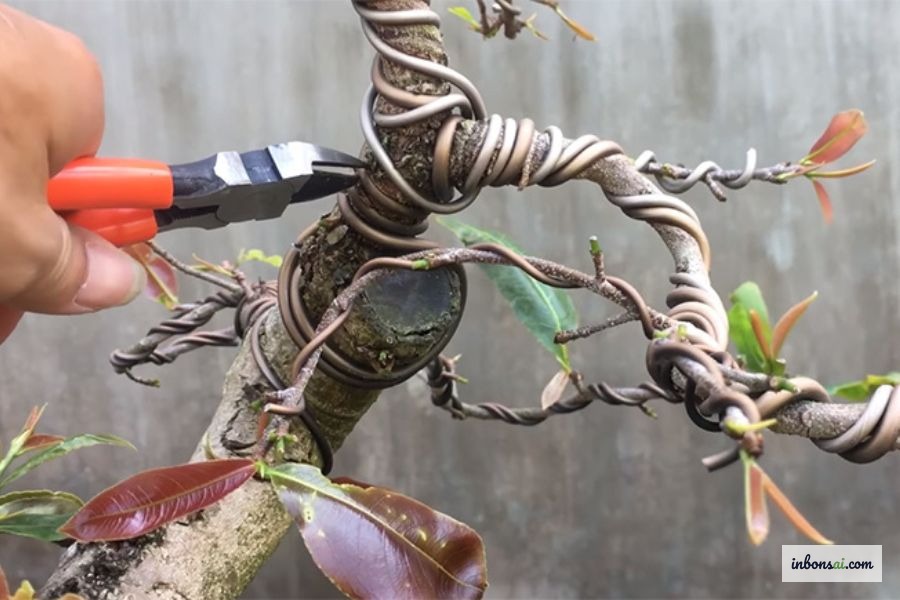
Beginners commonly make several typical mistakes. The first is using wire that’s either too thick or too thin — thick wire leaves ugly scars, while thin wire can’t hold branches. The second is bending branches too quickly or sharply, causing breakage or bark damage.
The third mistake is failing to check the wire regularly — monitor whether the wire is cutting into the bark. If it is, loosen it immediately. The fourth mistake is leaving wire on too long, allowing it to grow into the bark and leave permanent scars. Finally, avoid wiring weak or stressed trees — this only worsens their condition and slows recovery.
Tree Care While Wired
When aluminum wire is wrapped around your tree, adjust your care routine accordingly. First, water normally but avoid spraying directly on wired areas, as water trapped by wire can promote fungal growth. Second, continue regular fertilizing so your tree has nutrients to repair bark after wire removal.
Third, check your tree weekly. If you notice wire cutting into the bark, loosen it immediately by gently lifting each coil. Sometimes you need to adjust individual wraps to ensure they’re not too tight. Additionally, place your wired tree in slightly reduced light to minimize stress from the shaping process.
Wire Duration and Safe Removal Techniques
The duration for keeping wire on your tree depends on species, branch wood rigidity, and styling goals. Typically, 3 to 6 months is sufficient for branches to set in their new positions. However, with thicker branches or species with tougher bark, you may need 9 to 12 months. The best approach is to check periodically: if the branch shows significant pressure against the wire (wire cutting in), it’s time to remove it.
When removing wire, exercise extreme care. Rather than pulling the wire forcefully, cut the wire into small segments with pruning shears, then gently unwrap each section. This prevents branches from snapping back or bark from being stripped. If wire has grown deeply into the bark, cut as close to the bark as possible and allow the tree to naturally heal the scars over time.
After removal, observe your branches for several weeks to see whether they retain their new shape or gradually return to their original position. Trees with softer bark typically hold their shape well, while others naturally revert. If branches begin to straighten, you can rewire them a second time for a more dramatic effect.
Aluminum wire is a powerful tool for creating unique bonsai masterpieces. With proper knowledge and consistent practice, you’ll master this essential technique. Remember that patience and care are key — don’t rush, for bonsai is truly a peaceful journey of artistic expression.
Related Posts
Aluminum Wire for Bonsai: Proper Wiring Techniques
How to Choose the Right Bonsai Pot for Each Tree
Bonsai Soil Mix: Akadama Pumice Perlite Ratios Guide
How to Evaluate a Beautiful Yellow Apricot Blossom Tree
10 Essential Tools for Bonsai Enthusiasts

Comprehensive Guide: Effective Care and Maintenance of Cement Bonsai Pots

Linh Nam Bonsai Cascading Style - Step-by-Step Shaping Guide