Bonsai Soil Mix: Akadama Pumice Perlite Ratios Guide

InBonsai Team
March 22, 2026 · 7 min read
Confused about the right bonsai soil mix with akadama, pumice, and perlite ratios? This is one of the most common questions among bonsai enthusiasts, especially when transitioning from regular potting soil to professional substrate. The right growing medium doesn’t just help with drainage — it promotes healthy root development, which is the foundation of a long-lived, well-formed bonsai. This guide explains the role of each component and walks you through the correct mixing ratios for different tree species.
Why Bonsai Substrate Matters More Than Regular Soil
Bonsai trees grow in small containers with very limited soil volume — a completely different environment from garden plants. Regular garden soil, while excellent outdoors, has major drawbacks in bonsai pots: poor drainage, compaction over time, and excessive moisture retention that leads to root rot.
Professional bonsai substrate is designed to solve exactly these problems. The three most important criteria are: fast drainage, adequate moisture retention, and good aeration for root respiration. Akadama, pumice, and perlite together perfectly satisfy all three criteria.
When roots receive sufficient oxygen and aren’t waterlogged, the tree absorbs nutrients more efficiently, suffers fewer diseases, and develops according to the grower’s intentions. This is why Japanese bonsai masters long ago stopped using regular soil in their bonsai pots.
Akadama — The Foundation of Professional Bonsai Substrate
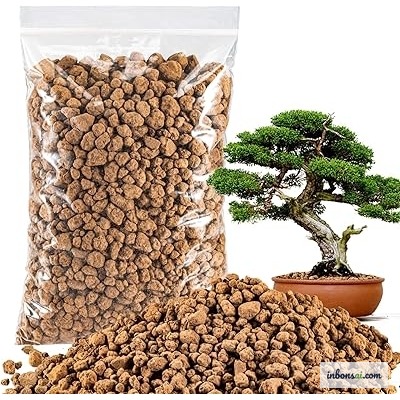
Akadama (赤玉土) is a kiln-fired clay from Japan with a distinctive reddish-brown color and porous granule structure. The Japanese name literally means “red ball soil” — this isn’t regular soil but an industrially manufactured product specifically for bonsai and potted plants.
Akadama’s strength lies in its ability to retain water and nutrients moderately while still draining well. The porous internal structure creates an ideal environment for beneficial microorganisms and fine root growth. Additionally, akadama has a neutral pH (approximately 6.5–7.0), suitable for most bonsai species.
The one notable drawback is that akadama breaks down over time — after 2–3 years, granules begin to crumble and lose drainage capacity. This is why bonsai need periodic repotting. When purchasing, look for “double hardness” akadama (marked on the bag), which is more durable and better suited for outdoor bonsai.
Pumice — Perfect Drainage for Bonsai Roots
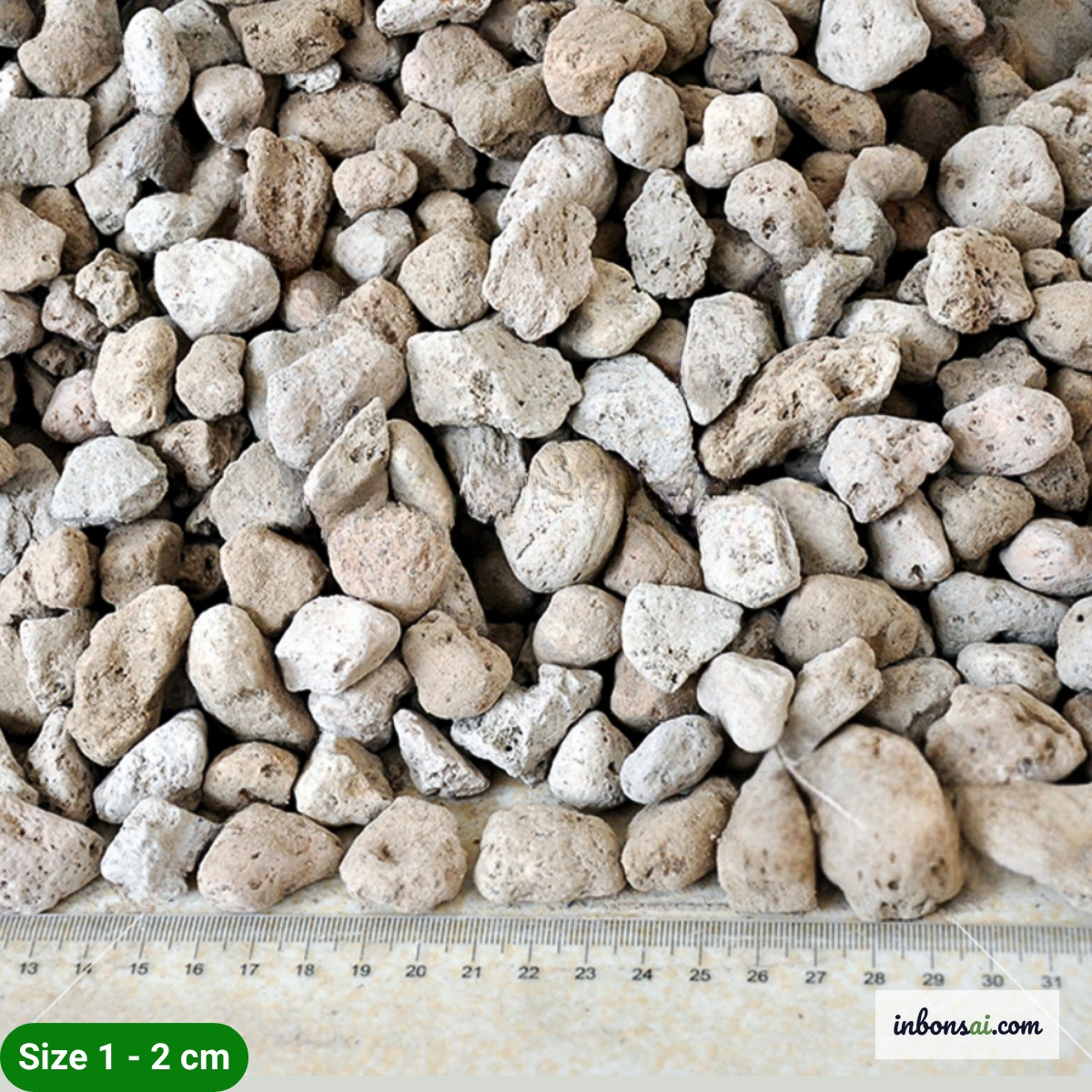
Pumice is an inorganic volcanic material formed from rapidly cooled lava, creating a unique structure with countless microscopic pores. Typically white-gray or pale yellow, pumice granules are far more durable than akadama — they can remain in substrate for years without breaking down.
Pumice’s primary role in bonsai substrate is fast drainage and aeration. When watered, water flows through the pores and drains quickly, preventing stagnant moisture that causes root rot. Meanwhile, air circulates freely around roots, supplying adequate oxygen for root cell respiration.
Beyond that, pumice also absorbs and slowly releases fertilizer, acting as a small nutrient buffer within the substrate. This makes it particularly valuable for species that prefer drier conditions, such as junipers, pines, and desert-adapted bonsai.
Perlite — Affordable Aeration Solution
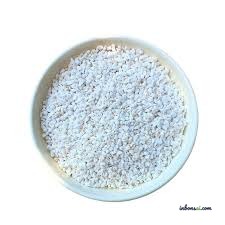
Perlite is volcanic glass that has been heat-expanded, creating lightweight white granules. Compared to pumice, perlite is significantly cheaper and more widely available at garden centers. It’s a popular choice for beginners or when budget is a consideration.
Perlite excels at aeration and preventing compaction — perlite granules never compact, keeping the substrate loose and friable over time. However, perlite doesn’t retain water or nutrients well — it’s essentially chemically inert.
The limitation of perlite is that it’s very lightweight and can float to the surface during watering, sometimes washing out of the pot. For this reason, perlite in bonsai substrate is often used as a supplementary component to partially replace pumice when pumice is unavailable, rather than as a primary ingredient. If you’re researching essential bonsai tools and supplies, perlite is one of the basic materials worth keeping on hand.
Bonsai Soil Mix Ratios by Species
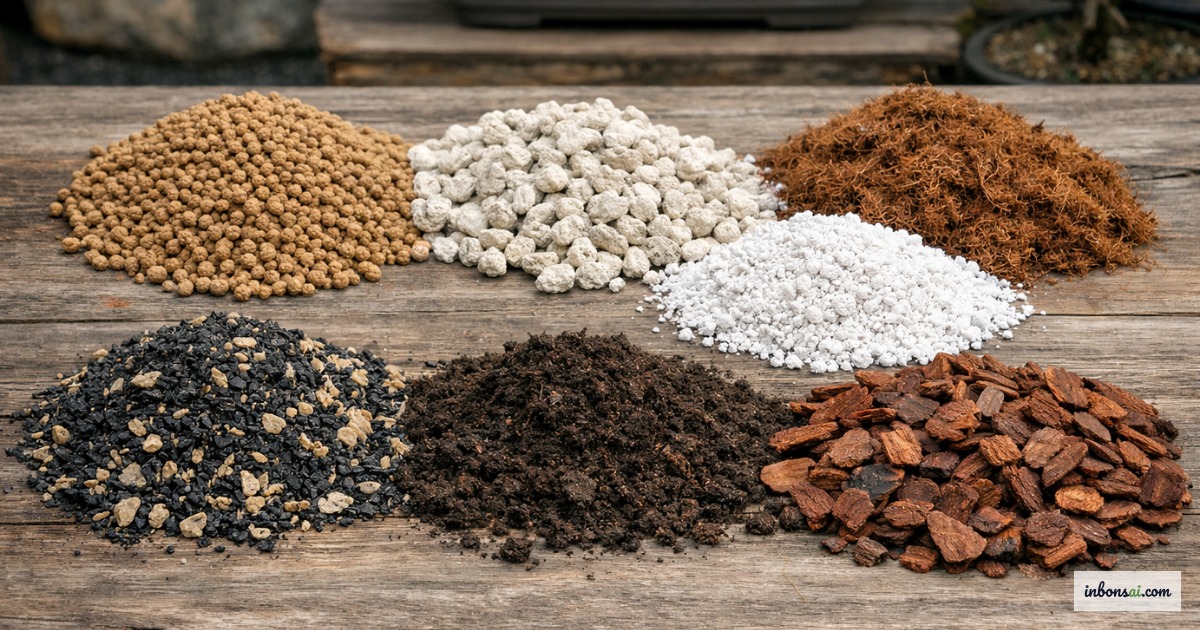
No single formula works for every bonsai species. Ratios need adjustment based on each species’ physiological characteristics and local climate conditions. Here are the most widely used formulas:
Conifers (pine, juniper, podocarpus): Akadama 50% + Pumice 25% + Perlite 25% Or: Akadama 33% + Pumice 33% + Perlite 34% Conifers need strong drainage and high oxygen levels at the roots. Higher inorganic ratios (pumice + perlite) suit this group well.
Temperate deciduous trees (maple, oak, elm): Akadama 60% + Pumice 20% + Perlite 20% This group needs better moisture retention during the growing season. A higher akadama ratio ensures roots have adequate water.
Tropical trees (apricot bonsai, ficus, banyan, fig): Akadama 40% + Pumice 30% + Perlite 30% Or simplified: Akadama 50% + Pumice 50% (without perlite) Tropical trees tolerate higher moisture but still need fast drainage to prevent fungal disease during wet seasons.
Succulent and desert bonsai: Pumice 50% + Perlite 30% + Akadama 20% Maximum inorganic ratio, ultra-fast drainage for drought-tolerant species.
Humidity note: In humid tropical climates with long rainy seasons, increase the pumice/perlite ratio by 10–15% compared to standard formulas to improve drainage performance.
How to Mix and Prepare Substrate Correctly
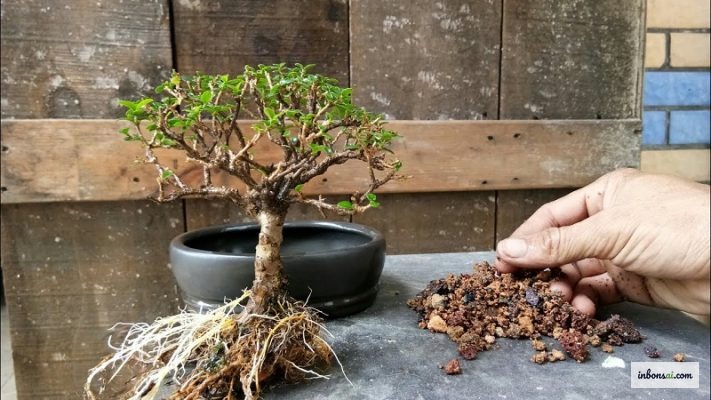
Before mixing, sift each component to remove overly fine particles (dust) that compact the substrate. Use a 3–5mm mesh sieve to keep uniform granules and discard the dust.
Rinse akadama and pumice with clean water before use — this removes dirt and contaminants that could harm tender roots. Let them drain completely before mixing, as overly wet substrate is harder to mix evenly and prone to mold during storage.
When mixing, measure by volume (using a cup or bucket measure) rather than by weight — these materials have different densities, so volume measurements give more consistent results. Mix thoroughly in a flat tray or large container, turning multiple times to distribute all three components evenly.
After mixing, store substrate in sealed zip bags or lidded plastic containers in a cool, dry place. Unmixed substrate can be kept for 6–12 months without significant quality loss. If you’re preparing to pot a new tree, check out the beginner’s guide to bonsai for a complete overview of the repotting process.
Common Mistakes When Mixing Bonsai Soil
Using 100% organic matter or compost: This is a beginner’s mistake, often stemming from the idea that “good soil = lots of nutrients.” In small bonsai pots, pure organic matter compacts, retains moisture too long, and creates an environment for fungal disease.
Skipping the dust sifting step: Fresh akadama and pumice contain significant fine dust. Without sifting, this dust fills the spaces between larger granules, significantly reducing drainage and aeration.
Using one formula for all trees: Each species has different needs. Pine needs more drainage than ficus. Indoor trees need more moisture retention than outdoor ones.
Not replacing substrate on schedule: Akadama breaks down after 2–3 years. Without replacing the growing medium, trees live in an increasingly poor environment even if you originally used the right ratios. Monitor drainage speed after each watering — if water drains slowly, that’s a sign substrate needs replacing.
For more information on complete care after getting your substrate right, see bonsai mini care at home.
Where to Buy Akadama and Pumice
Professional bonsai substrate materials are increasingly accessible worldwide. Genuine Japanese akadama (Ibaraki, Kanuma, Shohin brands) is available at specialty bonsai nurseries and well-stocked garden centers. Online retailers also carry multiple trusted suppliers — search “akadama bonsai” along with buyer reviews to find quality products.
Pumice can be found at garden supply stores under names like “volcanic rock” or “horticultural pumice.” Look for granule sizes of 3–6mm, not the finely ground pumice used in cosmetics.
Perlite is the most accessible of the three — available at virtually any garden center at very affordable prices. It’s the easiest ingredient to source and can substitute for part of the pumice content when needed.
If you’re just starting out and don’t want to invest in all three components at once, begin with akadama 60% + perlite 40% — a simple, effective formula for most tropical bonsai, using two materials that are easier to find than pumice.
Related Posts
Bonsai Soil Mix: Akadama Pumice Perlite Ratios Guide
Aluminum Wire for Bonsai: Proper Wiring Techniques
How to Choose the Right Bonsai Pot for Each Tree
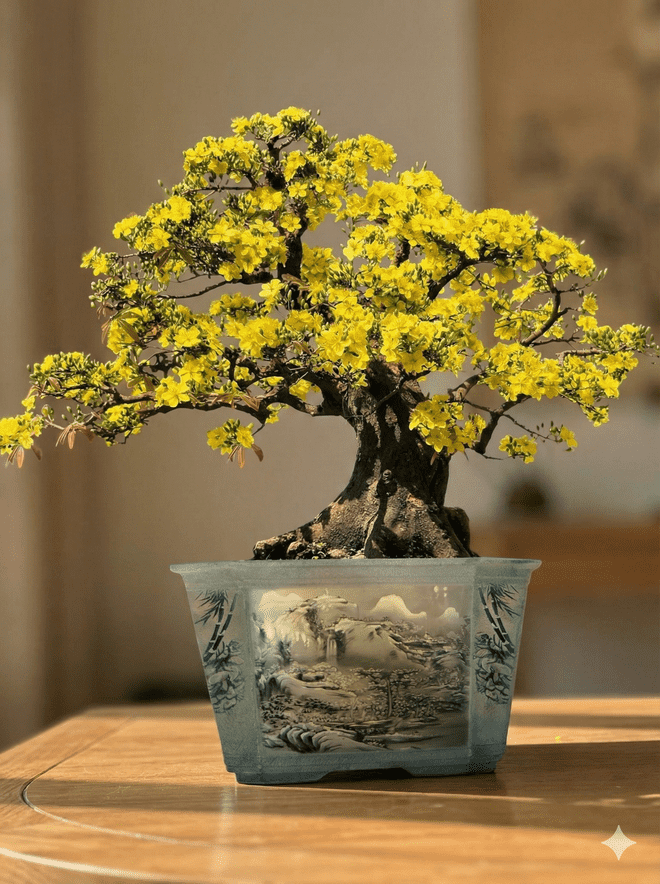
How to Evaluate a Beautiful Yellow Apricot Blossom Tree
10 Essential Tools for Bonsai Enthusiasts

Comprehensive Guide: Effective Care and Maintenance of Cement Bonsai Pots