
Comprehensive Guide: Effective Care and Maintenance of Cement Bonsai Pots

InBonsai Team
November 28, 2024 · 5 min read
Comprehensive Guide: Effective Care and Maintenance of Cement Bonsai Pots
Introduction to Cement Bonsai Pots Cement pots are a unique and eco-friendly solution for bonsai enthusiasts. With their natural temperature regulation capabilities and durability, cement pots are not just a medium for planting but also a creative part of your green space. This article will explore techniques and secrets to creating perfect cement bonsai pots, from initial pot preparation to specialized care techniques.
Cement pots provide a flexible and unique planting environment, suitable for many different types of plants. With proper care techniques, you can turn cement pots into lively works of art, bringing a cool green space and unique style to your home.
Through research and experimentation, we have compiled the most important experiences to help you plant and care for bonsai in cement pots most effectively.
Initial Cement Pot Treatment Techniques
Preparing suitable soil Watering and fertilizing strategy Preventing common problems Using cement pots is not only an aesthetic choice but also a way to express creativity and love for nature. Let’s discover the secrets to turning cement pots into unique highlights in your living space.
Every cement pot holds its own story - from the initial preparation process to the care and development of the plant. This journey requires patience, attention, and love for bonsai.
Preparing Cement Pots Before Planting New cement pots have high alkalinity, so they need to be treated carefully before planting to ensure a good environment for root development.
The cement pot treatment process includes the following important steps:
Soak the pot in clean water for 24-48 hours to reduce alkalinity Wash the pot surface with clean water Let the pot dry completely before use Check and create drainage holes if necessary Soaking the pot helps remove excess alkalinity, avoiding negative effects on the root system. For young or sensitive plants, treating the cement pot is an important step to ensure a suitable and optimal planting environment.
Soil Selection and Planting Techniques in Cement Pots Choosing and preparing soil for cement pots requires specialized techniques to ensure optimal plant growth.
When choosing soil for cement pots, pay attention to important factors:
Soil mixture ratio: 1 part cement : 1.5 parts sand : 1 part gravel (mi stone) Ensure the soil is loose and rich in nutrients Control moisture to avoid waterlogging roots The drainage system is a key factor. Steps to handle drainage holes:
Use plastic pipes or small boxes to create holes
Use cement mixed with sand to seal if necessary Check waterproofing ability before planting Typical example: Planting lotus in cement pots requires special techniques regarding water and material treatment, with strict control of humidity and drainage systems.
Caring for Cement Pots
Periodic Care and Maintenance Watering and caring techniques for plants in cement pots require an understanding of the specific needs of each plant type and the characteristics of the pot.
Effective watering starts with checking soil moisture. Use your finger to check the first 2-3 cm of soil: only water when the top layer is dry. Avoid rigid watering schedules; instead, let the plant “tell” you when it needs water.
Cement pots are characterized by rapid water absorption due to their porous nature, so pay attention to maintaining stable humidity. Water should be applied slowly and deeply to reach the root zone, avoiding wetting the leaves - which can cause fungal diseases.
Fertilizing techniques are equally important:
Choose fertilizer suitable for the plant’s development stage Fertilize periodically every 4-6 weeks for mature plants Adjust fertilizer amount according to the needs of each plant type To prevent mold, ensure the pot has good drainage holes and do not let water stagnate.
Handling Common Problems
Cement pots are an effective solution for planting, but require precise water and environmental management techniques to avoid common problems.
To solve the challenge of water leakage and waterlogging, some key techniques need to be applied:
Use pots with drainage holes: This is the most important factor to control the amount of water in the pot.
Change the substrate periodically: This helps increase porosity and improve drainage capacity.
Control watering amount: Avoid over-watering causing waterlogging for plant roots.
Advantages of cement pots include natural temperature regulation and thermal shock protection for roots. To protect the pot from environmental impacts, use a waterproof coating for outdoor pots.
A small tip: Choose light-colored pots to limit excessive heat absorption, helping to protect plant roots in hot conditions.
Decorating and Upgrading Cement Pots
Cement pots are a creative and effective planting solution, bringing cool green space to gardens and living spaces. With proper care techniques, these pots are not just simple containers but lively works of art, reflecting the care and passion of the grower.
Decorating and upgrading cement pots is a process combining technique and creativity. From initial surface treatment to delicate embellishment techniques, each step contributes to turning an ordinary pot into a unique masterpiece.
Methods for decorating cement pots include:
Technique | Description | Effectiveness
Acrylic Paint | Coat with arbitrary colors | Completely change pot appearance Pattern Embossing | Create artistic highlights | Increase aesthetics and personalization Mosaic | Decorate with natural materials | Bring texture and high durability Upgrading cement pots is not just a story about art but also a way to protect and extend the life of the pot. By combining technique and creativity, you can turn cement pots into unique works, reflecting your own style and personality.
Your next steps may include experimenting with new decoration techniques, exploring different styles, and continuously learning to improve skills. Let creativity and passion lead you on the journey of creating unique cement pots.
Related Posts
10 Essential Tools for Bonsai Enthusiasts
Comprehensive Guide: Effective Care and Maintenance of Cement Bonsai Pots
Aluminum Wire for Bonsai: Proper Wiring Techniques
How to Choose the Right Bonsai Pot for Each Tree
Bonsai Soil Mix: Akadama Pumice Perlite Ratios Guide
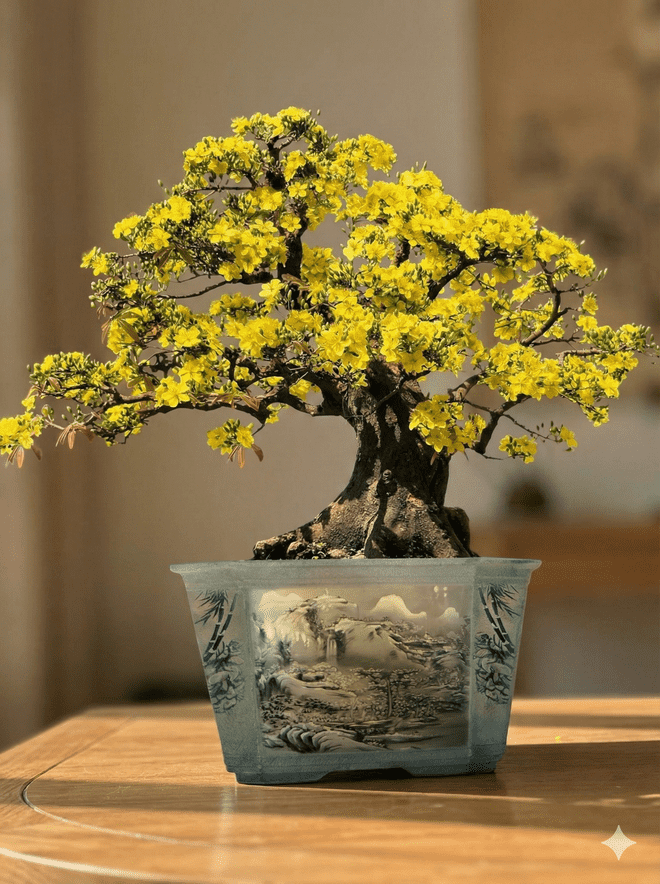
How to Evaluate a Beautiful Yellow Apricot Blossom Tree
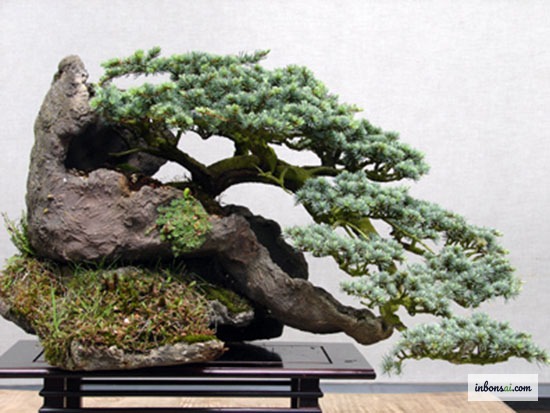
Cascade Bonsai Style: A Beginner's Complete Guide