How to Save a Dying Bonsai: Overwatered or Wilting

InBonsai Team
March 27, 2026 · 7 min read
You glance at your bonsai and notice yellowing leaves, drooping branches — yet the soil is still wet. Or the opposite: your tree is wilting despite regular watering. These are the two most dangerous situations bonsai growers face, and without prompt action, the tree can die within days. This guide walks you through exactly how to save a dying or overwatered bonsai — from identifying symptoms to emergency treatment and long-term recovery.
Recognizing Signs of an Overwatered Bonsai
Overwatering is the number one killer of bonsai trees, especially for beginners. The challenge is that early symptoms closely resemble underwatering — making it easy to misdiagnose and worsen the problem.
Signs of an overwatered bonsai include: yellowing leaves starting from the bottom of the tree, soft and mushy leaves that drop at the slightest touch, a sour or foul smell coming from the soil, and wilting new growth despite the soil being wet. The key diagnostic step is always to check the soil first — if the soil is moist or wet yet the tree is still wilting, you are almost certainly dealing with overwatering.
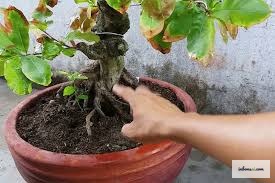
A more alarming sign is when the base of the trunk begins to feel soft, or the lower trunk develops an unusually dark brown color. This indicates that root rot has already set in and requires immediate intervention. If you are unsure about the diagnosis, refer to our guide on identifying bonsai diseases and treatments for a more detailed symptom comparison.
Distinguishing Underwatering from Overwatering
Before taking any action, you must correctly identify the cause. Treating for the wrong problem will make things significantly worse.
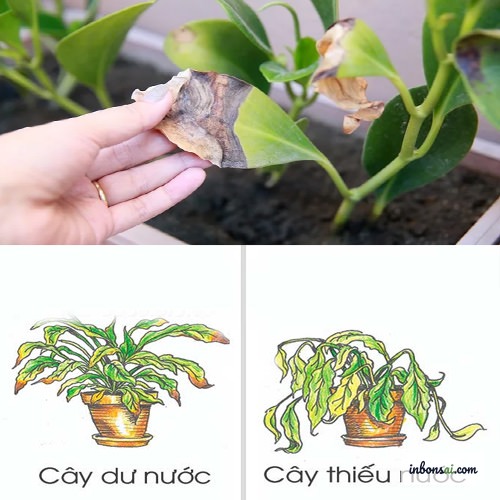
An underwatered bonsai typically shows dry, brittle leaves that curl inward or drop from the tips downward. The soil will feel very dry to the touch, often pulling away from the edges of the pot. The trunk remains firm and normal in color. Tapping the pot lightly will produce a hollow sound.
An overwatered bonsai shows the opposite: soft, yellow leaves that fall off easily, persistently wet soil even without recent watering, possible mold on the soil surface, and soft discoloration near the base of the trunk. An unpleasant odor from the pot is also common.
Beyond the symptoms, consider recent environmental conditions: extended hot dry weather typically causes underwatering; heavy rain, poor-draining soil, or a pot without drainage holes is the primary cause of overwatering. Understanding this context will help you choose the correct treatment.
How to Save an Overwatered Bonsai
Once you confirm overwatering, speed is everything. Here is the step-by-step emergency protocol:
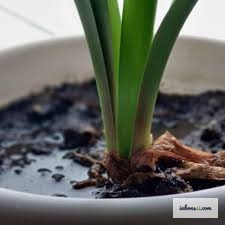
Step 1: Remove the tree from the pot immediately. Gently lift the tree out and remove all the old wet soil from around the roots. Saturated soil is an ideal breeding ground for bacteria and fungi.
Step 2: Inspect and prune rotted roots. Healthy roots are white or light brown, firm, and smell normal. Rotted roots are dark brown or black, mushy, and smell foul. Using sterilized scissors or root shears, cut away all rotted roots, cutting 1–2 cm into healthy tissue to ensure no diseased material remains.
Step 3: Treat the cuts. Allow the roots to air-dry in a shaded location for about 30 minutes, then apply antifungal powder (sulfur powder or a dedicated bonsai fungicide) over all cut surfaces.
Step 4: Repot in fresh, well-draining soil. Use a well-draining soil mix — refer to our guide on akadama pumice perlite bonsai soil ratios to prepare the right mix. Do not water immediately — wait 2–3 days to allow the roots to recover before lightly watering for the first time.
How to Save a Wilting Bonsai from Underwatering
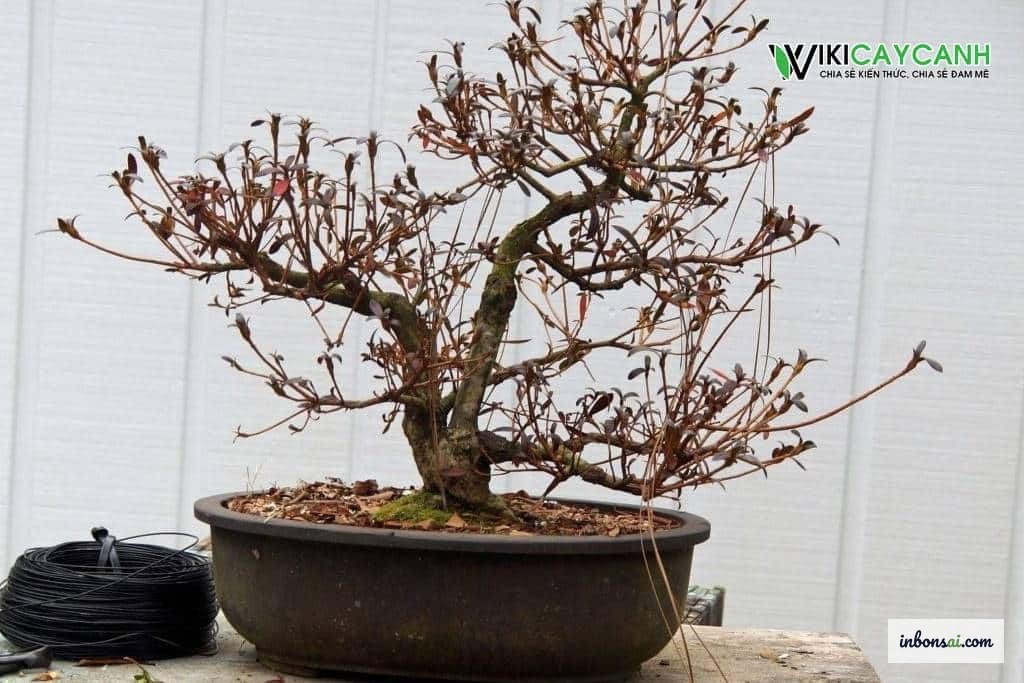
A bonsai wilting from underwatering needs to be rehydrated slowly and correctly. Dumping a large amount of water on dry soil is not ideal because compacted dry soil does not absorb water evenly.
The pot-soaking method is the most effective technique: place the entire pot in a basin of water about 5–7 cm deep and hold it there for 20–30 minutes, allowing soil to absorb water gradually through the drainage holes at the bottom. You will see air bubbles rising — this means the soil is absorbing water. When bubbles stop, the tree has sufficient moisture.
After soaking, move the tree to a cool shaded location away from direct sunlight for the first 24–48 hours. This allows the tree to focus its energy on recovery rather than combating heat stress. Additionally, prune off any completely dead leaves and branches so the tree does not waste energy on non-recoverable tissue.
If the tree continues to wilt after 48 hours despite the soil being moist, there is a strong chance that root damage has already occurred and you will need to follow the root treatment protocol above.
Rehabilitating Damaged Bonsai Roots
The root rehabilitation phase is just as critical as the initial emergency treatment. A common mistake is “over-caring” for the tree after rescue, which can trigger a second episode of overwatering.
For the first 2–4 weeks after repotting, avoid fertilizing — the roots are regenerating and highly sensitive. Fertilizer can burn new root growth and delay recovery. Begin fertilizing with a diluted solution only after the tree produces new shoots or leaves — this is the clearest sign that the roots are functioning normally again.
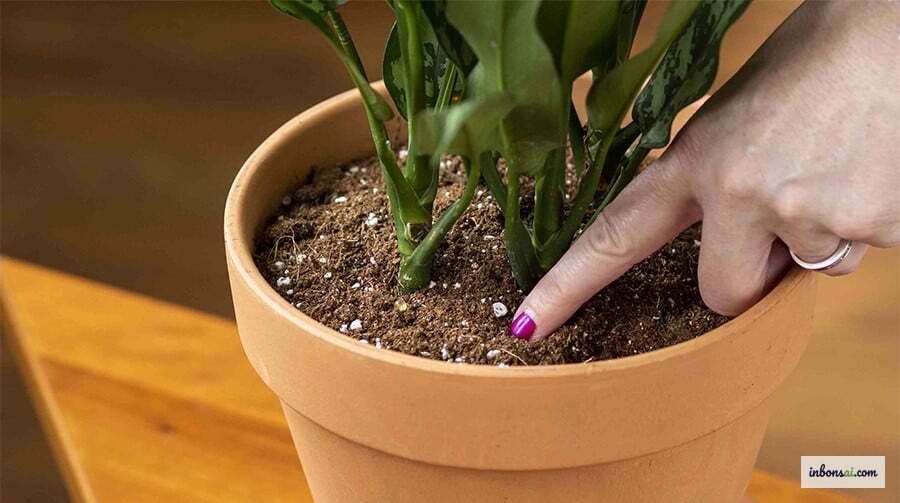
Keep the tree in a location with indirect light, stable temperature, and good airflow. Check soil moisture daily by pressing a finger 2–3 cm into the soil — only water when that layer is dry. Consistent, methodical watering replaces guesswork. For a reliable watering routine, see our article on proper bonsai watering techniques.
Some trees may take 4–8 weeks to fully recover. Don’t be discouraged if no new leaves appear in the first few weeks — as long as the trunk and branches remain green and firm, the tree is still alive.
Post-Recovery Care for Your Bonsai
The post-recovery phase matters as much as the emergency intervention. Many growers make the mistake of over-caring after rescuing a tree, triggering a second overwatering event.
If you had to repot during the rescue process, select a pot with adequate drainage holes that are clear and unobstructed. Refer to our bonsai repotting guide for optimal timing and technique. After repotting, elevate the pot on a stand or prop it up slightly to allow water to drain freely.
Monitor the tree closely for 1–2 months: watch for leaf color, branch firmness, and soil odor. Any unusual sign should be addressed immediately rather than waited out. Many experienced bonsai growers keep a care journal — recording watering dates, volumes, and tree condition — to detect abnormal patterns early.
Preventing Wilting and Overwatering in Bonsai
Prevention is always better than cure. After surviving a tree rescue once, you will want to build a care system to prevent recurrence.
The most fundamental principle is check the soil before every watering — never water on a fixed schedule. Different species, seasons, and placement conditions all affect how quickly the soil dries out. Investing in a wooden chopstick or a soil moisture meter will dramatically improve your watering accuracy.
Additionally, ensure your pot has drainage holes that are large enough and unobstructed by compacted roots or soil. A well-draining substrate (akadama, pumice, perlite) will significantly reduce overwatering risk even if you occasionally water too much. Good airflow around the pot also helps soil dry more evenly after each watering, preventing prolonged moisture accumulation.
Finally, learn the specific needs of each bonsai species you grow — tropical species generally need more frequent watering than temperate varieties, and actively growing trees need more water than dormant ones. This understanding is the foundation of sustainable, long-term bonsai success.
Related Posts
How to Save a Dying Bonsai: Overwatered or Wilting

How to Make Homemade Organic Fertilizer for Bonsai
Worm Castings for Bonsai: How to Fertilize Correctly
How to Choose Bonsai Soil for Every Tree Species
Bonsai Repotting Guide: Step-by-Step for Beginners
How to Identify and Treat Bonsai Diseases Effectively
How to Fertilize Bonsai: Complete Technique Guide