How to Identify and Treat Bonsai Diseases Effectively

InBonsai Team
March 24, 2026 · 9 min read
You notice your bonsai’s leaves suddenly turning yellow, strange spots appearing, or the tree losing its vitality — and you have no idea why. This is one of the most common concerns among bonsai enthusiasts. The good news is that identifying bonsai diseases is not as difficult as it seems — you just need to know what to look for. This guide will help you correctly diagnose the problem, understand the cause, and apply timely treatment before the situation becomes serious.
Why Are Bonsai More Prone to Disease Than Regular Plants?
Bonsai live in small pots with limited soil, creating an environment that is more easily thrown out of balance than in-ground plants. The restricted root system makes trees more sensitive to mistakes in watering, fertilizing, and light. Any small change — overwatering, insufficient sunlight, or placement near air conditioning — can weaken the tree’s natural resistance.
Furthermore, when a tree is stressed, its natural defense mechanisms decline, opening the door for fungi, bacteria, and insects to attack. This is why early detection of unusual signs is the key to effective protection.
The important thing to understand is that most bonsai diseases can be completely cured if detected early. They only become difficult to control when ignored for too long. So make it a habit to observe your tree regularly — at least 2–3 times per week.
Key Warning Signs That Your Bonsai Is Sick
Before identifying a specific disease, you need to recognize the general warning signs that something is wrong:
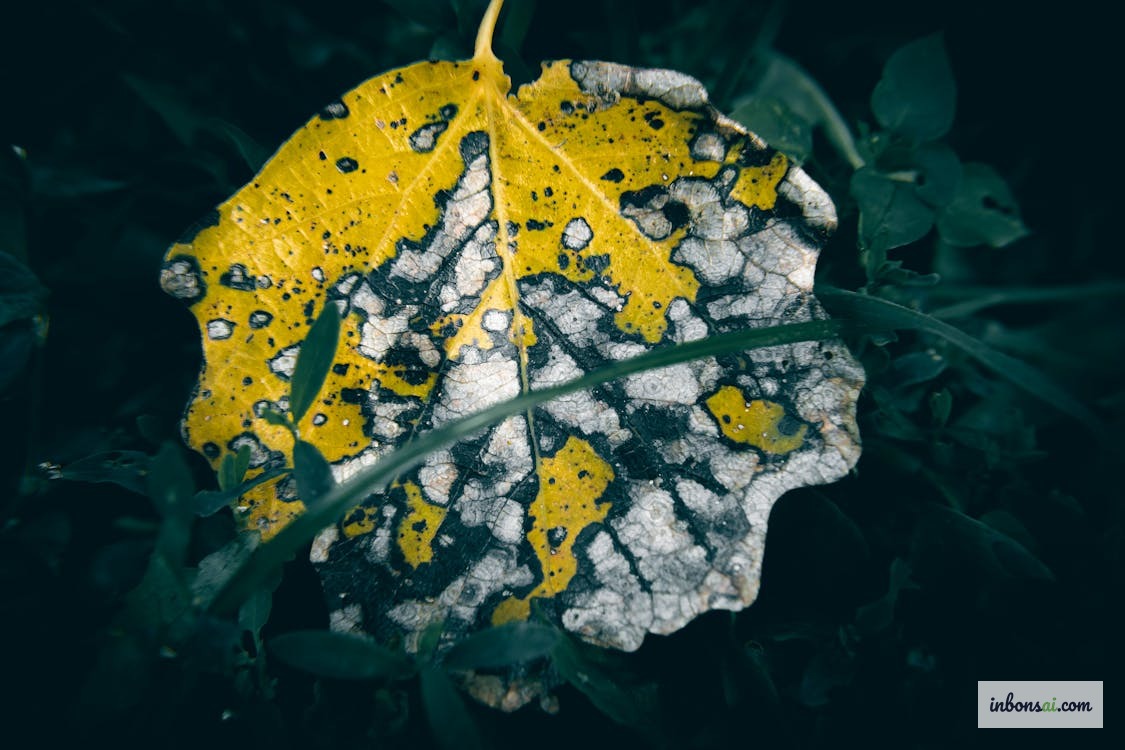
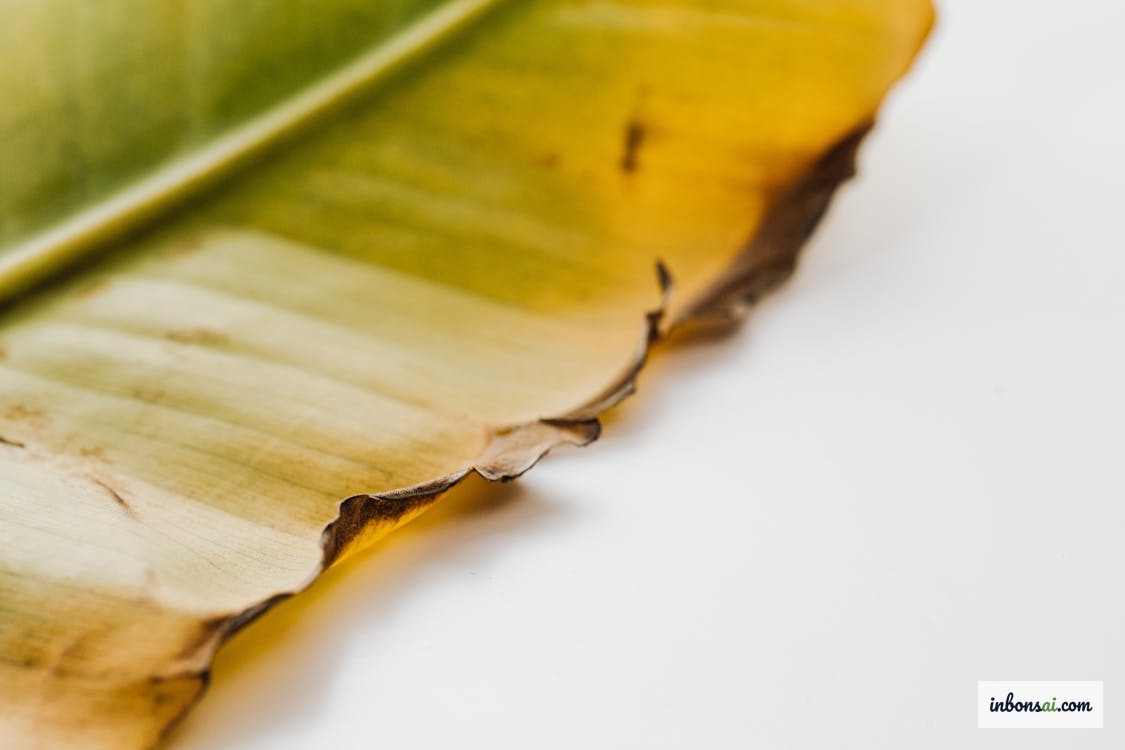
Changes in leaf color are the most obvious indicator. Uniformly yellowing leaves (starting from older, lower leaves upward) often indicate nutrient deficiency or overwatering. Patchy yellowing with brown or orange spots may be a sign of fungal infection or pest damage. Burnt leaf edges typically result from salt buildup from fertilizers.
Abnormal leaf drop outside of seasonal patterns — especially if green leaves are falling in large numbers — is a concerning signal. Don’t confuse this with the natural leaf drop of deciduous species.
Strange markings on trunk and branches such as white powdery patches, slimy residue, blue or black mold, or unusual bark cracking all warrant close examination. Also check the soil — if the surface remains constantly wet, shows green algae growth, or develops white fuzzy mold, this indicates poor drainage and high root rot risk.
Sudden growth stagnation without an obvious reason also deserves investigation. If your tree was growing well but suddenly stops producing new leaves or shoots, check the root system and soil immediately.
Common Fungal Diseases in Bonsai and How to Spot Them
Fungal diseases are the most common group affecting bonsai, especially in humid climates. Here are the most frequently encountered types:
Powdery Mildew: Appears as a white-gray powdery coating on leaf surfaces and young shoots. Affected trees may show distorted growth and smaller leaves. The cause is usually poor air circulation combined with high humidity and warm temperatures. Treat with a baking soda solution (1 tsp per liter of water) or sulfur-based fungicide.
Root Rot: The most dangerous disease, caused by Phytophthora or Pythium fungi when drainage is poor. Symptoms include wilting leaves despite moist soil and an overall loss of vigor. Check the roots — diseased roots are brown-black and mushy instead of firm and white. Remove the tree, cut away all rotten roots, treat with fungicide, and repot in fresh soil.
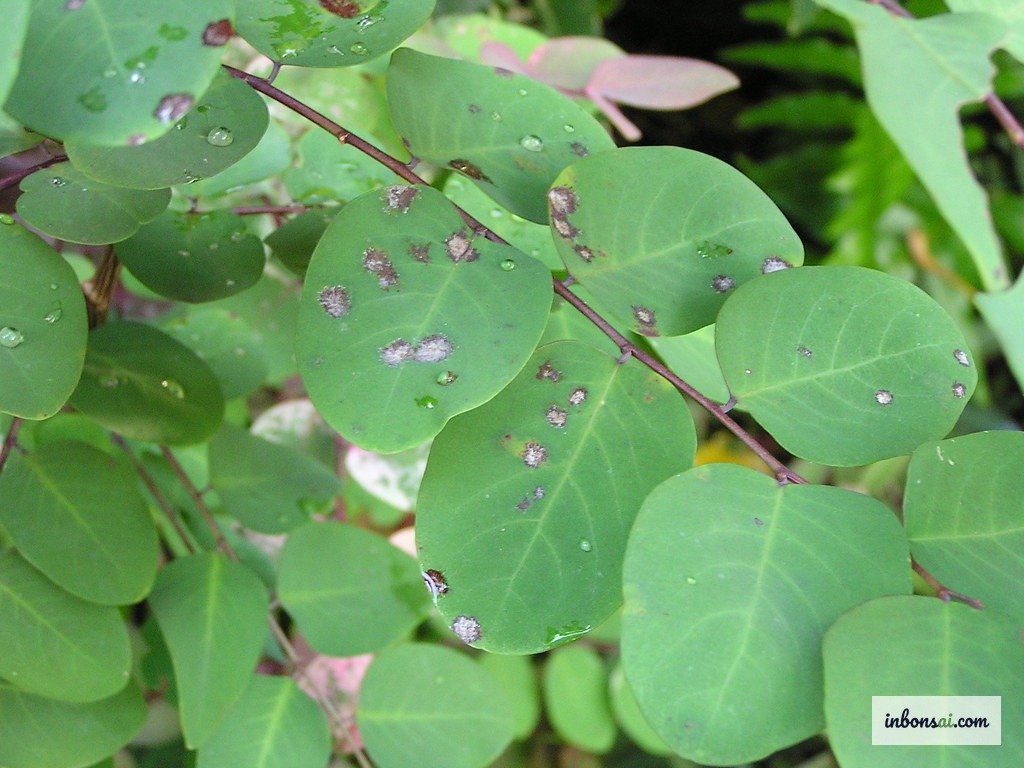
Leaf Spot: Circular brown-red or yellow-orange spots appear on leaves, often with a darker border. Cercospora and Alternaria fungi are common culprits. Collect and destroy diseased leaves, then spray with Mancozeb or Copper Oxychloride every 7–10 days.
Canker: The bark develops cracked, ulcerated lesions that ooze sticky resin. This disease often attacks through unprotected pruning cuts. Remove diseased tissue with sterilized tools and apply lime or wound sealant immediately after cutting.
Common Pests and Insects That Damage Bonsai
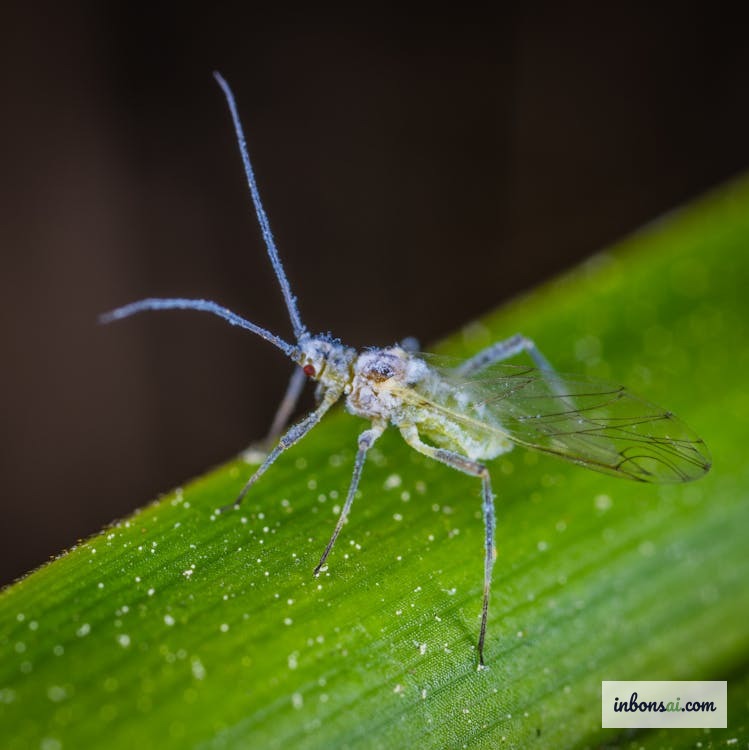
Beyond fungi, insects and pests are also constant threats to bonsai. Knowing how to identify each type will help you choose the right treatment approach:
Aphids: Small green, yellow, or black insects that cluster on young shoots and the underside of leaves. Aphids suck plant sap and secrete honeydew that attracts ants and promotes sooty mold growth. Spray with diluted insecticidal soap or a homemade garlic-chili solution.
Spider Mites: Very small and hard to see with the naked eye — usually only noticed through fine webbing on leaves and tiny yellow speckling. They thrive in hot, dry conditions. Spray with strong water jets regularly and apply Abamectin-based miticide.
Mealybugs: Identified by white cottony waxy patches at leaf joints and branch bases. Dab individual insects with a cotton swab soaked in 70% alcohol, or spray with Imidacloprid-based insecticide.
Stem Borers: Dangerous because they hide inside the trunk — only detected by small holes in the bark or sawdust at the base. Inject insecticide into the holes using a syringe and seal them with clay.
Beyond these, slugs and leaf-eating caterpillars typically operate at night, leaving jagged bite marks on leaf edges. Beer traps or manual picking in the evening is the simplest approach.
Distinguishing True Disease from Nutrient Deficiency
Not every case of yellowing leaves or stunted growth is caused by disease — many cases are simply nutrient deficiencies. Here’s how to tell them apart:
Nitrogen deficiency (N): Older leaves yellow uniformly first while younger leaves remain green. The tree grows slowly with smaller leaves. Supplement with NPK fertilizer high in nitrogen (e.g., 30-10-10) or organic fertilizer.
Iron deficiency (Fe): Young leaves turn yellow while leaf veins remain green (a condition called chlorosis). This usually occurs when soil pH is too high, preventing iron absorption. Use chelated iron fertilizer or lower soil pH with a mild acidic solution.
Potassium deficiency (K): Leaf edges turn dry and brown, working inward from the margins. Unlike fungal disease, there are no spreading spots and it does not spread to other leaves. Supplement with potassium-rich fertilizer.
Therefore, before reaching for fungicide, review your recent fertilizing routine. You can also check out proper bonsai fertilizing techniques to avoid confusing disease with nutrient deficiency.
Effective Bonsai Disease Treatment Methods
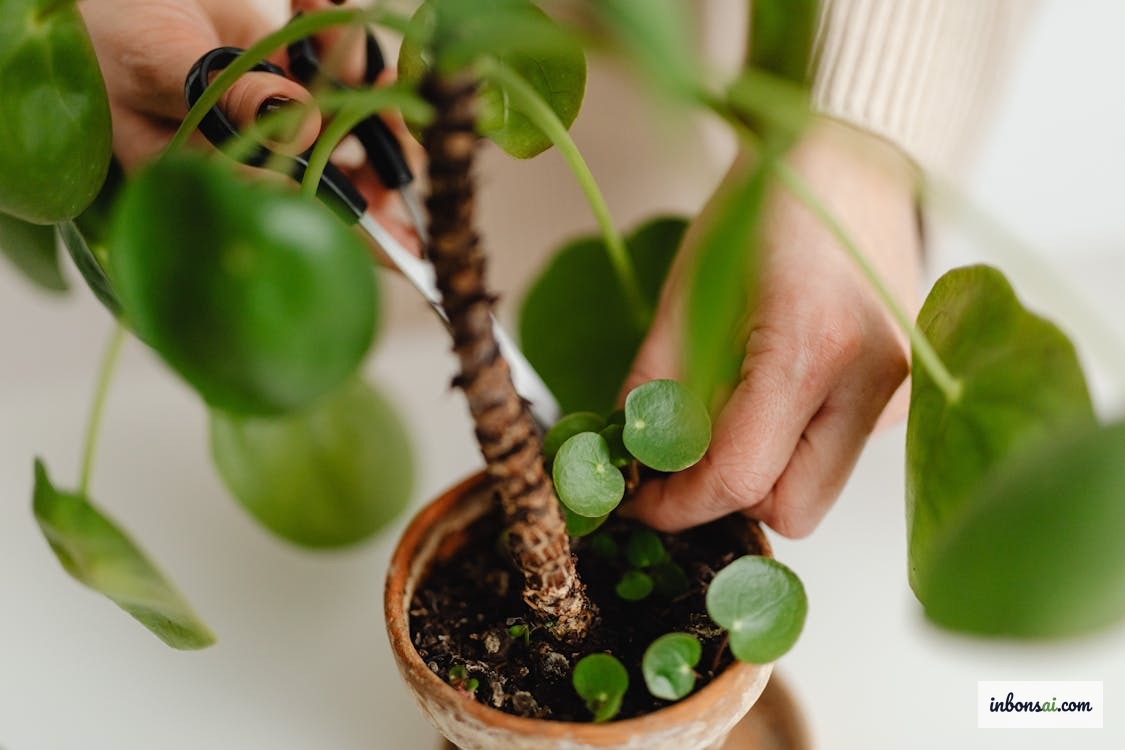
Once you’ve identified the disease, follow this treatment sequence for the best results:
Step 1 — Isolate the sick tree: As soon as disease is detected, move the tree away from other bonsai to prevent spread. This step must not be skipped, especially for fungal diseases and pest infestations.
Step 2 — Remove all diseased material: Use scissors sterilized with 70% alcohol to cut away all diseased leaves, branches, and roots. Cut at least 1–2 cm into healthy tissue to ensure complete removal of the pathogen. Immediately dispose of removed material — do not add it to soil or compost.
Step 3 — Chemical or biological treatment: Choose the appropriate product for the disease type. For fungi: Mancozeb, Copper Hydroxide, or Propineb. For insects: Abamectin, Imidacloprid, or natural neem oil. Always read instructions carefully and never increase concentration arbitrarily.
Step 4 — Replace soil and clean the pot: If the disease involves the soil (root rot, soil fungi), replace all soil with a fresh mix and disinfect the pot with diluted potassium permanganate solution before reuse.
Step 5 — Monitor post-treatment: Continue observing the tree for 2–4 weeks after treatment. If disease recurs, a second treatment round may be needed or a completely different approach required.
You can also reference how to care for mini bonsai at home to understand ideal living conditions that support recovery after treatment.
Golden Rules for Preventing Bonsai Disease
Prevention is always better than cure — and this is especially true for bonsai. Apply these principles to keep your tree in peak condition:
Water correctly — the foundation of bonsai health. Water when the top 1–2 cm of soil feels dry, rather than on a fixed schedule. Ensure excellent drainage so the tree never sits in standing water. See proper bonsai watering techniques to avoid this common mistake.
Place the tree in a well-ventilated location with adequate light. Stuffy, humid, airless environments are ideal conditions for fungal growth. If kept indoors, ensure good air circulation with a fan or open windows.
Sterilize tools before and after every pruning session with 70% alcohol. Open wounds on the tree are entry points for fungi and bacteria — apply wound sealant or lime paste immediately after cutting large branches.
Inspect regularly on a schedule — at least once a week, turning leaves over to look for early signs of pests. Don’t wait until symptoms are obvious before taking action.
Equally important is choosing quality soil with excellent drainage. A well-balanced Akadama + Pumice + loam mix will significantly reduce the risk of root rot and soil-borne diseases.
When to Seek Expert Help?
Some situations go beyond at-home treatment and require professional advice:
- Severe root rot affecting more than 50% of the root system on an already weakened tree
- Disease recurrence multiple times despite correct treatment
- Deep, large ulcerated lesions on the trunk showing signs of decay
- Inability to identify the disease despite careful observation
In these cases, don’t hesitate to reach out to the bonsai community or experienced practitioners for timely support. A bonsai that has received years of devoted care deserves proper professional treatment.
Remember, knowing how to identify bonsai diseases early and responding correctly is an essential skill every bonsai enthusiast must develop. Make daily observation a habit — not just for detecting disease, but to appreciate the growth and beauty of the bonsai art through every season.
Related Posts
How to Identify and Treat Bonsai Diseases Effectively
How to Choose Bonsai Soil for Every Tree Species

How to Make Homemade Organic Fertilizer for Bonsai
Worm Castings for Bonsai: How to Fertilize Correctly
How to Save a Dying Bonsai: Overwatered or Wilting
Bonsai Repotting Guide: Step-by-Step for Beginners
How to Fertilize Bonsai: Complete Technique Guide