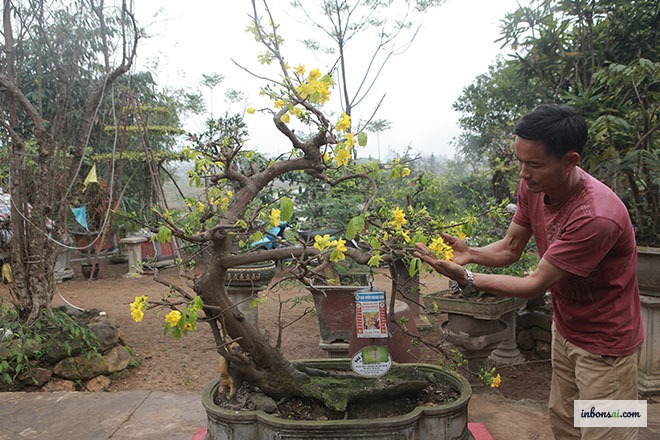
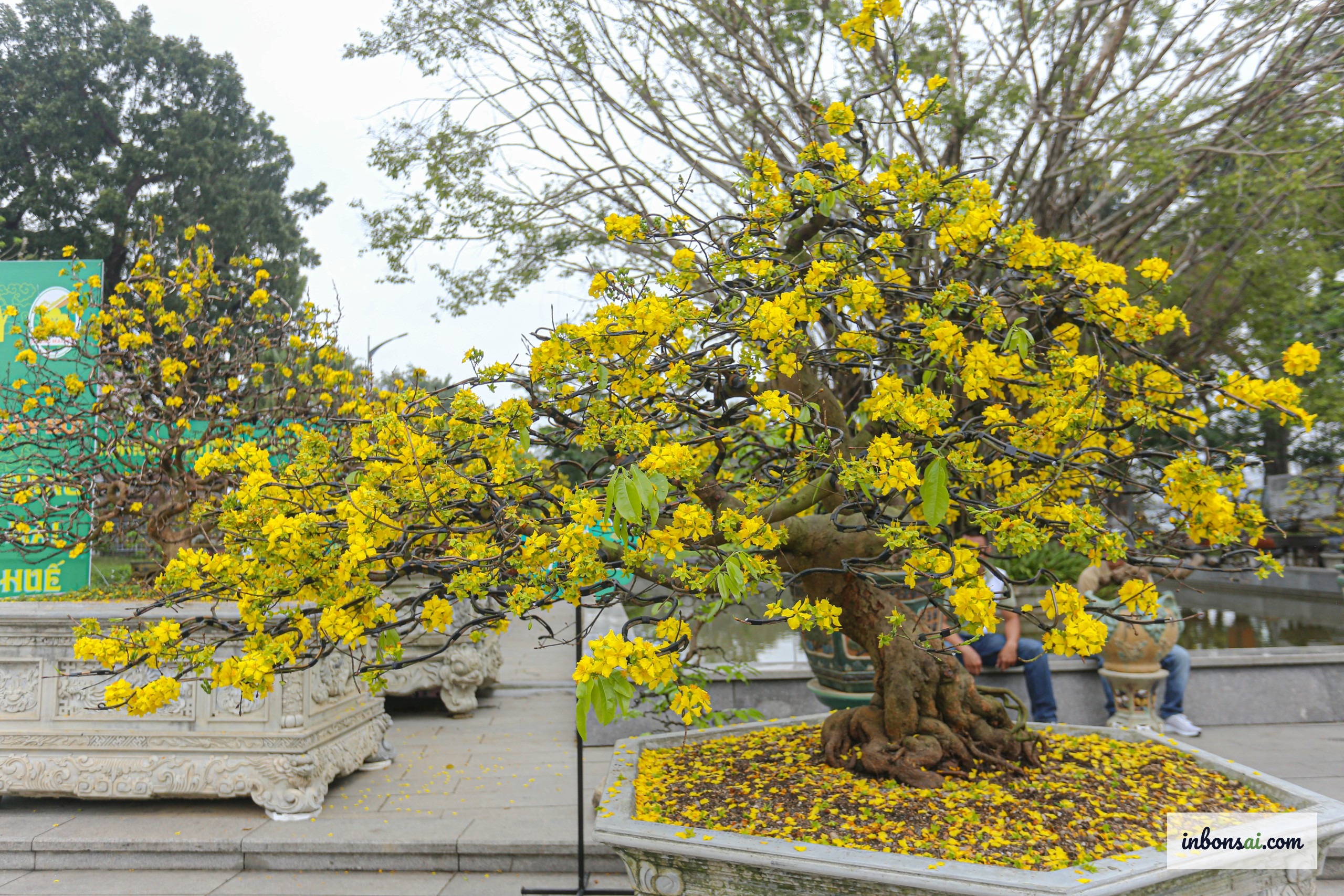
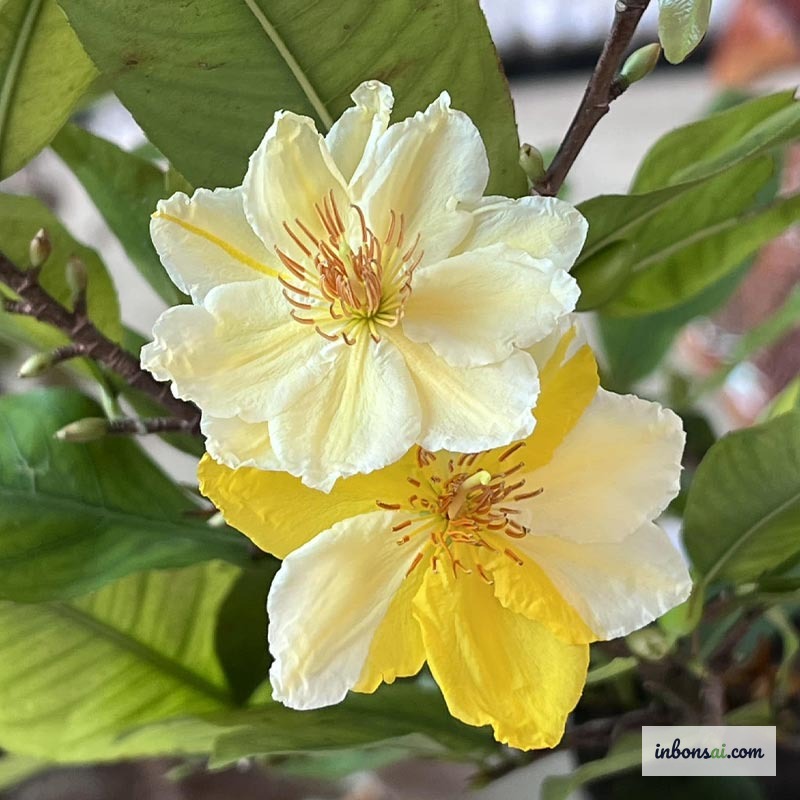
After Tet (Vietnamese Lunar New Year), the mai vang pruning technique is essential for ensuring your golden apricot tree blooms beautifully in the next season. If you skip or perform this step incorrectly, the tree will lose vigor, produce sparse blooms, or fail to flower on time. This guide walks you through every step of the post-Tet pruning process to help your tree recover quickly and build energy for the next flowering season.
Why You Must Prune Mai Vang After Tet
After the Tet holiday, the golden apricot tree has exhausted all its stored nutrients to produce flowers. Spent blooms and old foliage that remain on the branches continue to consume nutrients without benefiting the tree. If not removed promptly, the tree scatters energy maintaining these unnecessary parts instead of pushing new growth.
Spent flowers and old leaves also create an ideal environment for fungal diseases, especially during the humid weather typical of early spring in Vietnam. Timely post-Tet pruning improves canopy ventilation, allowing light and air to circulate evenly and reducing the risk of pests and disease.
From a styling perspective, pruning after the flowers drop gives you a clear view of the branch structure before new leaves emerge — making it easier to adjust the tree's shape and prune with precision without the obstruction of dense foliage.
Best Time to Prune Mai Vang After Tet
The ideal pruning window is from the 7th to the 15th day of the first lunar month, approximately 7–15 days after Lunar New Year. This is when all flowers have dropped but new buds have not yet appeared in abundance, and the tree remains in a relatively dormant state.
Signs that the timing is right:
- Flower petals have fully fallen, or only a few dried petals remain on the branch
- Flower calyxes (the green cup at the base) have begun to turn dark brown
- Leaf buds have not yet appeared, or are just barely sprouting (under 3mm)
Pruning too early when flowers are still fresh wastes prime viewing time. Conversely, pruning too late when buds have already extended slows recovery and wastes the tree's energy.
Weather note: Do not prune during heavy rain or prolonged humidity — wet cuts are prone to fungal infection. Choose a cloudy, cool day or mild sunshine for best results.
Mai Vang Pruning After Tet: Step-by-Step Technique
This is the core of the post-Tet mai vang pruning technique. Following these steps in order will help the tree recover quickly and evenly.
Tools needed:
- Sharp bonsai scissors, sterilized with 70% alcohol
- Branch cutters (for branches thicker than 5mm)
- Wound sealant (lime paste or specialized bonsai cut paste)
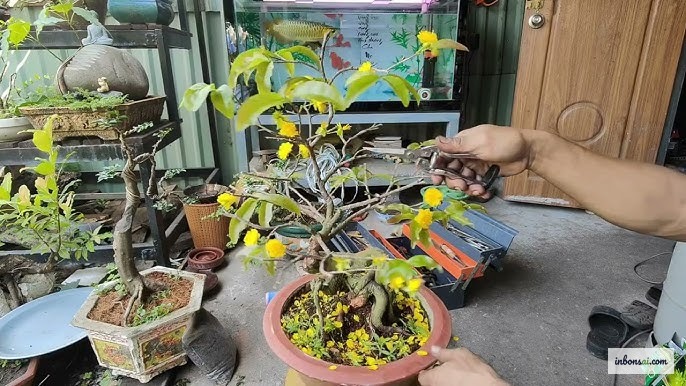
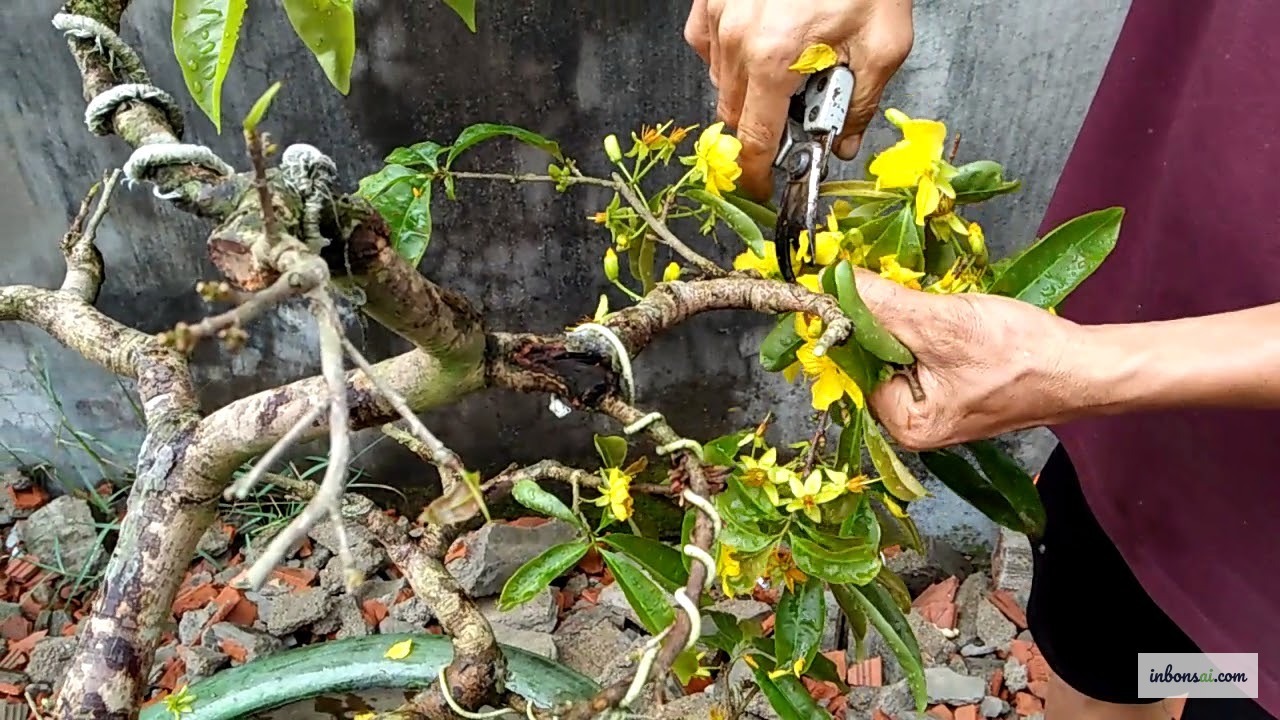
Step 1 — Remove spent flowers and calyxes: Gently pinch off each spent flower cluster with your fingers. For stubborn calyxes, use scissors to cut flush with the node — avoid leaving long stubs, as dead stubs rot back into the branch.
Step 2 — Remove pencil-thin twigs: Pencil-thin twigs (under 2mm diameter) have no potential to carry flowers. Removing them helps the tree concentrate nutrients into the main branches.
Step 3 — Remove upright shoots: Upright shoots grow vertically and break the tree's intended shape. Remove them entirely, or bend them down into horizontal branches if they are still young and pliable.
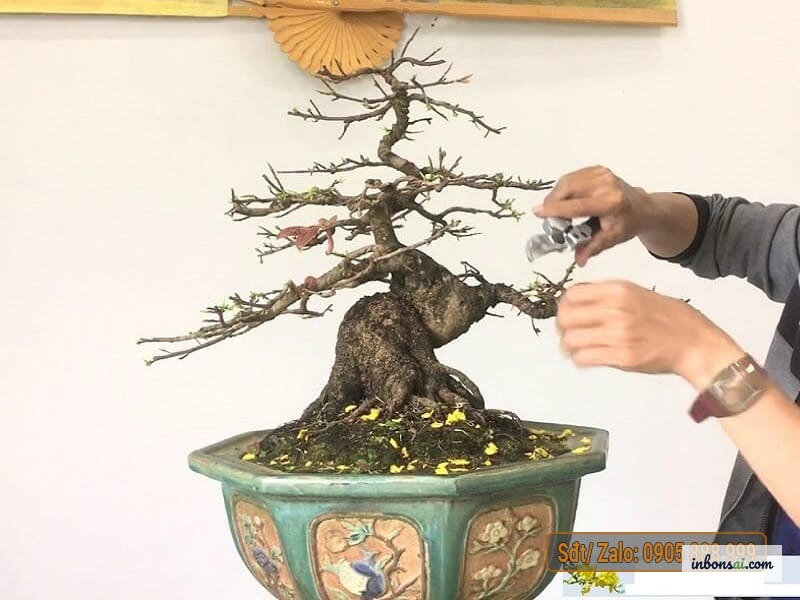
Step 4 — Light shaping cut: After removing spent flowers and unwanted growth, shorten overly long branches by 1/3 to 1/2 of their length. Cut just above an outward-facing bud to direct new growth outward from the canopy.
Step 5 — Seal cut wounds: Apply lime paste or anti-bacterial cut sealant to all wounds larger than 3mm in diameter. This prevents rain moisture from entering and limits fungal infection.
Old Wood vs. New Wood — How Much to Cut?
This is a question that confuses many beginners. Too little pruning is ineffective; too aggressive and the tree suffers shock and loses its shape.
Old wood (branches 2+ years old):
- Bark is gray-brown with a rough or slightly scaly texture
- Rigid, cannot be bent when cool
- Decision: keep the main branch structure intact; only remove completely dead sections (black, brittle when snapped)
New wood (branches from the previous flowering season):
- Bark is pale green to light brown, smooth
- Flexible, easy to bend
- Decision: cut back to 2–3 nodes from the base of the branch. Each node will yield 1–2 new shoots, which become potential flower buds for next season.
The 1/3 rule: Never remove more than 1/3 of the total branch and leaf mass in a single session. If the tree is diseased or severely overgrown, split the pruning into two sessions 3–4 weeks apart.
See also technique for growing thick beautiful mai vang roots to understand how to balance pruning with developing a strong root base.
Post-Pruning Care: Water, Fertilizer, Light
After pruning, the golden apricot tree needs active support for 4–6 weeks to recover and produce uniform new growth.
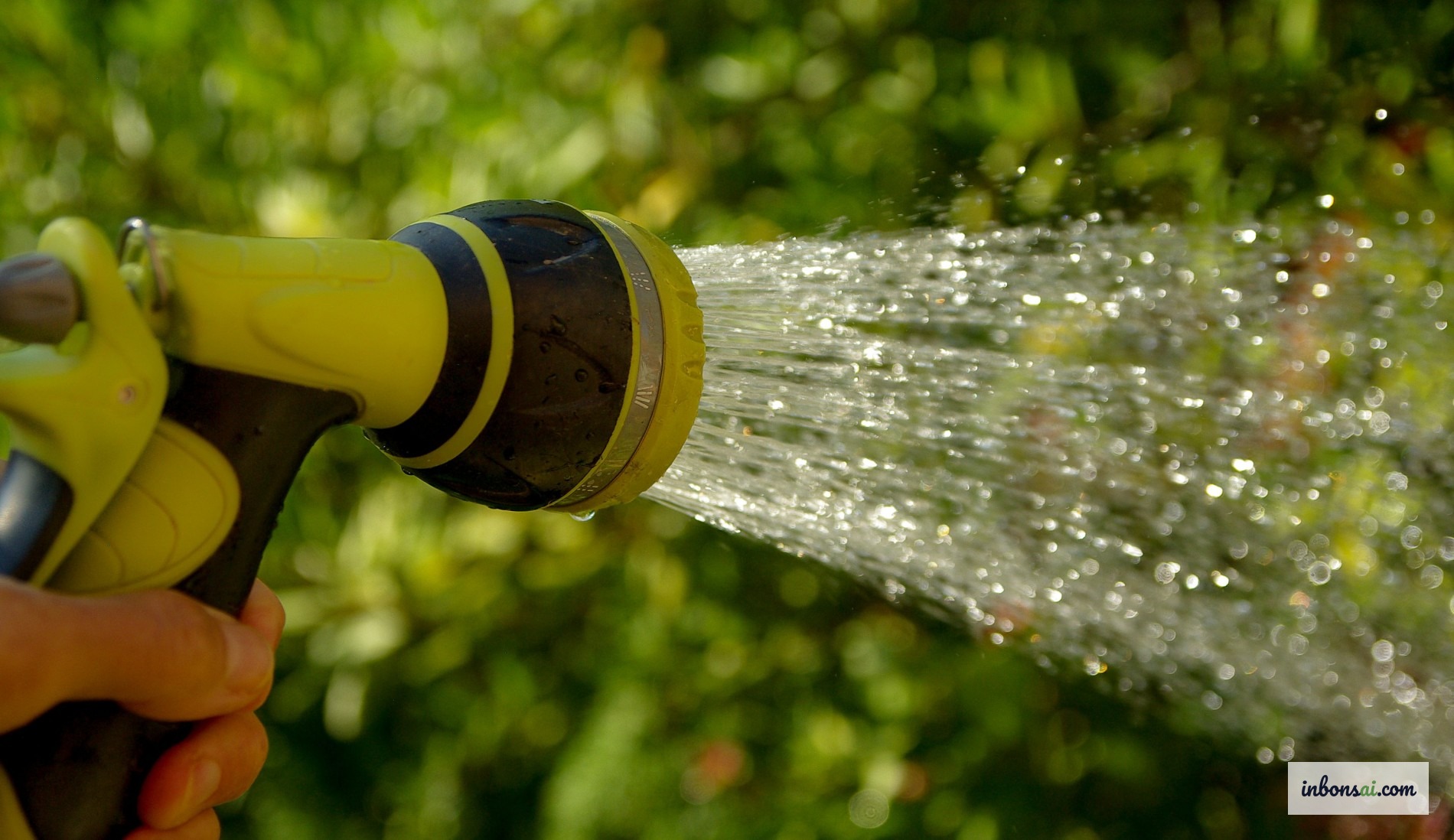
Watering: Immediately after pruning, reduce watering to 50–60% of normal for 5–7 days. Overly wet soil while cuts are fresh invites fungal infection. Afterward, water thoroughly once, then let the top 60–70% of the soil dry out before watering again.
Fertilizing:
- Weeks 1–2: No fertilizer. Let the tree recover naturally.
- Weeks 3–4: Apply a high-nitrogen fertilizer (N:P:K = 30:10:10 or equivalent). Nitrogen stimulates strong leafy growth, laying the foundation for future flower buds.
- Week 5 onward: Switch to a balanced fertilizer (N:P:K = 20:20:20) for even overall development.
Prioritize diluted organic fertilizers (fish emulsion, worm castings) combined with small doses of chemical fertilizer to avoid root burn. Apply fertilizer in the early morning or late afternoon — never during peak midday heat.
Light: Post-pruning mai vang needs 6–8 hours of direct sunlight per day. Place the tree where it receives morning to midday sun. Avoid full shade — the tree needs strong photosynthesis to synthesize nutrients for new growth.
If growing indoors or on a low-light balcony, supplementing with grow lights for an additional 4–6 hours per day will noticeably shorten the time before new growth appears.
Common Mistakes When Pruning Mai Vang After Tet
Even experienced growers make these mistakes. Recognizing them early helps you avoid damaging your tree.
Mistake 1 — Cutting flush with the branch base: Cutting so close that no nodes remain eliminates all potential flower buds on that branch. Always leave a minimum of 2 nodes from the base.
Mistake 2 — Using dull scissors: Dull scissors crush the cut surface, slowing healing and increasing disease risk. Sharpen or replace scissors before each pruning season.
Mistake 3 — Fertilizing immediately after pruning: Applying fertilizer while cuts are still fresh forces rapid bud growth before the root system has recovered. Wait at least 10–14 days after pruning before fertilizing.
Mistake 4 — Pruning in the rain: Wet cuts in high humidity are prime entry points for Phytophthora and Colletotrichum fungi. If it rains unexpectedly after pruning, shelter the tree or move it indoors for 24–48 hours.
Mistake 5 — Skipping tool sterilization: Sharing one pair of scissors between multiple trees without sterilizing is the fastest way to spread disease through your collection.
See also mai vang multi-color grafting technique to learn how to combine post-Tet pruning with grafting for a more striking tree design.
Regional Pruning Calendar
Vietnam's three climate zones differ significantly, directly affecting the optimal timing and intensity of post-Tet pruning.
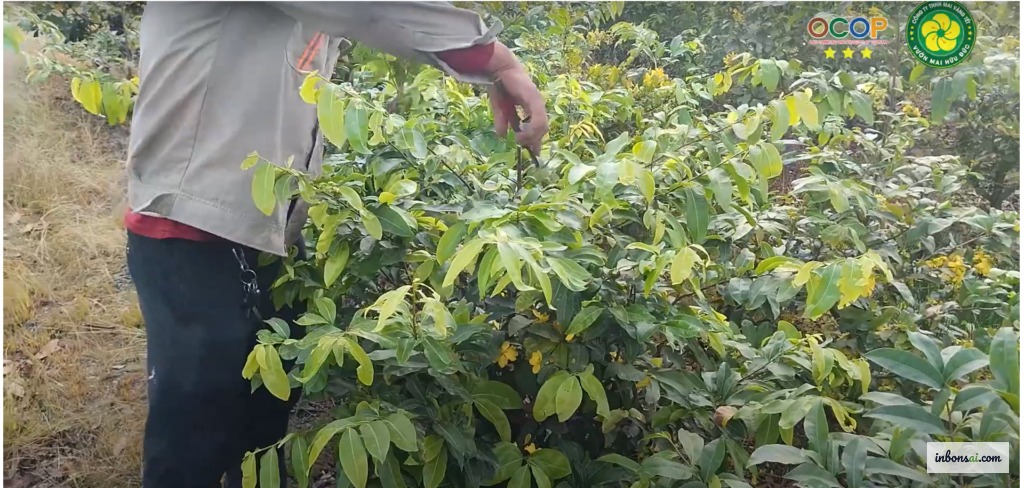
Southern Vietnam (Ho Chi Minh City, Dong Nai, Binh Duong, Tien Giang): Stable temperatures of 25–35°C with little rain in early spring (January–February). Prune from the 7th to the 10th day of the first lunar month. Trees recover quickly with new growth appearing within 15–20 days. This is the most favorable climate zone for this technique.
Central Vietnam (Da Nang, Hue, Quang Nam): Typically sees drizzle and mild cold in January–February. Prune from the 10th to the 15th day of the first lunar month, choosing a rain-free day. Shield the tree from rain for 5–7 days after pruning. New growth emerges more slowly than in the South — about 20–30 days.
Northern Vietnam (Hanoi, Hai Phong, Lao Cai): Persistent cold and humid drizzle present the greatest challenge. Prune from the 15th to the 20th day of the first lunar month, waiting for temperatures above 18°C. Do not prune when overnight temperatures are below 15°C, as cuts heal very slowly. Trees grown outdoors in the North require more careful rain protection than the other two regions.
Universal rule: Check the 7-day weather forecast before pruning. Choose a stretch of 3–4 consecutive dry days to carry out the work. If unexpected rain arrives within 48 hours of pruning, use plastic sheeting to temporarily protect the tree.
Proper post-Tet mai vang pruning is not merely removing spent flowers — it is the foundation for the entire coming flowering season. Combine thorough pruning with systematic post-cut care and you will see your golden apricot tree recover vigorously, produce uniform new growth, and accumulate enough energy to bloom beautifully for next year's Tet.
See also how to tell grafted vs. seedling mai vang apart to choose the right variety for your care approach.
Tags
#mai-vang-pruning#post-tet-tree-care#golden-apricot-bonsai#pruning-technique#bonsai-recoveryGet bonsai guidance every week.
Fresh care guides, styling notes, and bonsai inspiration delivered to your inbox.