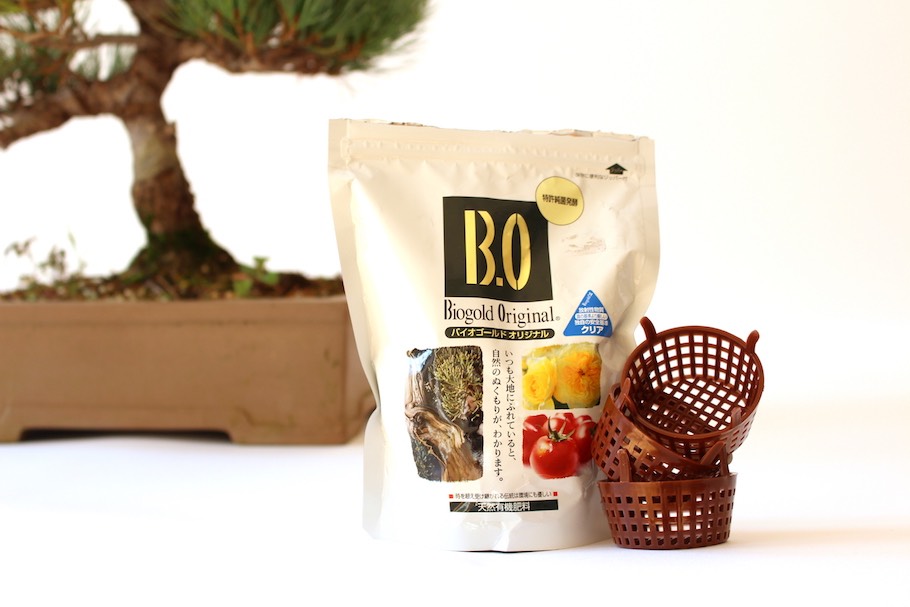

Bonsai Autumn Care: Pruning and Fertilizing Guide

InBonsai Team
March 27, 2026 · 8 min read
Many bonsai enthusiasts focus their care efforts on spring and summer, overlooking a critically important season — autumn. This is the pivotal period when your bonsai accumulates nutrients, solidifies branch structure, and builds strength for the cold winter ahead. Proper bonsai autumn care, especially pruning and fertilizing with the right techniques, directly determines the health and beauty of your tree throughout the following year. This guide walks you through each step for effective autumn bonsai care.
Why Autumn Is the Golden Season for Bonsai Care
Autumn brings important climatic changes: temperatures gradually drop, humidity stabilizes, and daylight shortens. These are natural signals for your bonsai to enter a phase of consolidation and winter preparation. If you take advantage of this period correctly, your tree will enter winter with a healthy root system and solid branch structure.
Conversely, neglecting autumn care means your bonsai will suffer thermal stress when winter arrives — weak roots will struggle to recover and the risk of branch dieback increases significantly. Even in Vietnam’s subtropical climate, northern provinces experience noticeably cooler temperatures from November onward, making autumn the ideal window to strengthen your trees.
Additionally, autumn is when the tree translocates nutrients from leaves back into the trunk and roots. This process needs to be supported through proper fertilizing and watering practices to achieve maximum benefit.
Autumn Bonsai Pruning Techniques
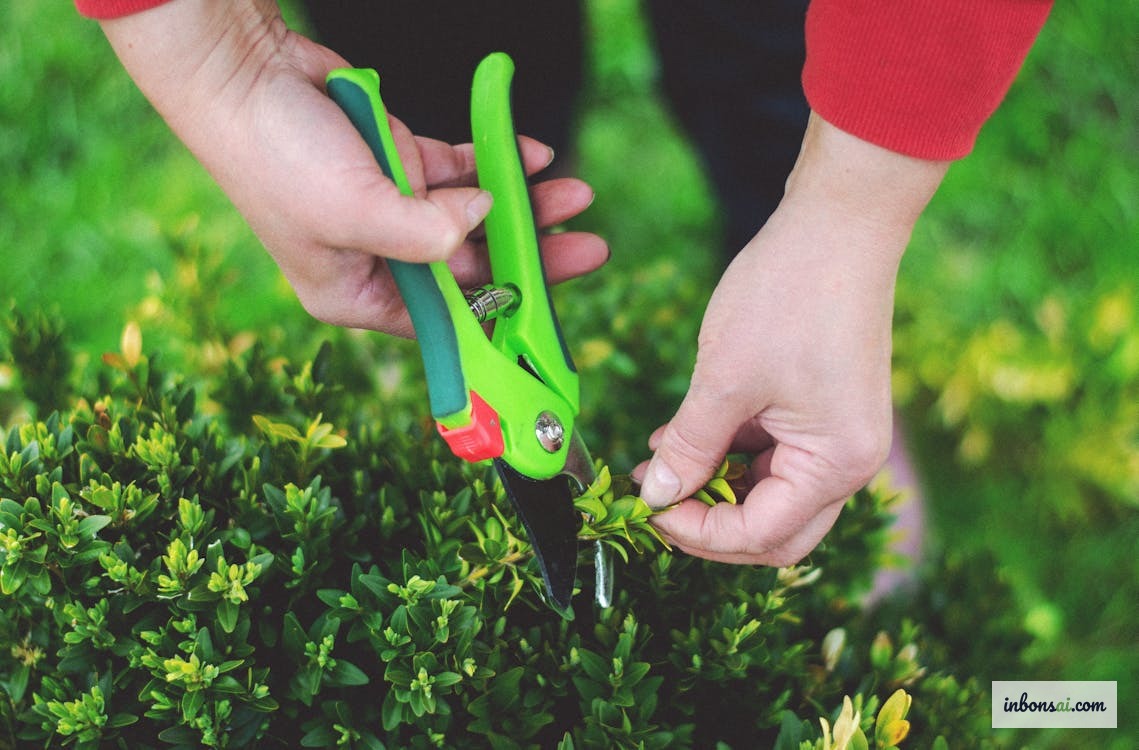
Autumn pruning is fundamentally different from spring pruning. While spring pruning stimulates new growth, autumn pruning focuses on reshaping structure and removing anything that would hinder the tree’s winter preparation.
Branches to remove in autumn:
- Crossing branches and vigorous shoots that crowd the canopy
- Weak, thin interior branches receiving insufficient light
- Branches showing signs of disease, fungus, or borers
- Water shoots (vertical shoots growing directly from trunk or main branches)
The best pruning window is mid-September through October, when the tree begins slowing its growth cycle. Avoid heavy pruning after November — wounds will heal slowly and are prone to fungal infection in cold, damp conditions.
Use sharp, sterilized pruning shears for all cuts. Make clean, flat cuts at a 45-degree angle sloping away from the bud so rainwater drains off. After pruning, apply cut paste or lime sulfur to seal wounds and prevent fungal and pest entry.
For well-established bonsai, light maintenance pruning is sufficient to maintain form. For trees still in development, autumn offers an excellent opportunity to rebalance the primary branch structure before dormancy sets in.
Autumn Fertilizing: Boosting Potassium and Phosphorus
This is the most critical element of autumn bonsai care. While spring calls for nitrogen-rich fertilizers to drive growth, autumn demands a formula high in potassium (K) and phosphorus (P) to help the tree harden off and prepare for winter.
Why increase K and P in autumn:
- Potassium (K): Strengthens cell walls, improves cold hardiness, and stimulates deep root development
- Phosphorus (P): Supports energy metabolism and improves nutrient uptake efficiency in roots
- Reduce nitrogen (N): Limits the formation of tender new shoots — which are highly susceptible to cold damage
Recommended fertilizer formulas for autumn:
- Ideal NPK ratio: 5-10-10 or 0-10-10
- Slow-release organic pellets: apply once in early September
- Diluted liquid fertilizer: apply every two weeks throughout September and October
For more detail on timing and dosing, see our guide on proper bonsai fertilizing techniques.
Important note: Stop fertilizing completely when nighttime temperatures drop below 15°C (59°F) — roots reduce their activity at this point and can no longer absorb nutrients effectively.
Adjusting Watering and Light in Autumn

As autumn arrives, your bonsai’s watering needs decrease significantly compared to summer. Lower temperatures and slower evaporation mean the soil stays moist longer. Overwatering during this period is the leading cause of root rot and winter tree loss.
Autumn watering principles:
- Check soil moisture before watering: press a finger 2-3cm into the soil, water only when it begins to dry out
- Reduce watering frequency by half compared to summer
- Water in the morning so leaves and soil can dry before the cold evening — avoid late afternoon watering
- For outdoor bonsai, natural rainfall is often sufficient through October and November
Regarding light, autumn is the time to maximize natural sunlight exposure for your trees. Position them to receive 6-8 hours of direct sunlight daily, as light enables the photosynthesis needed to accumulate starch reserves before dormancy. However, if your area experiences strong winds or early frost, prepare to move trees under cover when needed.
Pay close attention to air circulation around the canopy. Autumn morning mist creates humid conditions that — combined with dense foliage — can encourage fungal growth. Good airflow helps mitigate this risk.
Autumn Pest and Disease Prevention Before Winter
Autumn is when many bonsai pests “overwinter,” hiding in bark crevices, soil, and leaf undersides — particularly spider mites, mealybugs, and fungal spores. If not treated thoroughly before winter, these pests will explode in activity come spring.
Inspection and treatment process:
- Full tree inspection: Check the undersides of leaves, along branches, and the soil surface for signs of infestation
- Red spider mites: Spray abamectin-based miticide, focusing on leaf undersides
- Mealybugs: Dab with a cotton swab soaked in 70% rubbing alcohol, then spray neem oil
- Fungal leaf spots: Apply copper-based fungicide (Bordeaux mixture) or mancozeb as a preventive measure
- Replace the top layer of soil: Remove 2-3cm of topsoil in the pot and replace with fresh mix to eliminate overwintering eggs and spores
This is also a good time to review any abnormal symptoms. If you notice unexplained wilting or yellowing leaves, check our guide on how to identify and treat bonsai diseases to address issues before winter sets in.
Preparing Pot, Soil, and Roots for Winter
Autumn is an appropriate time to assess pot condition and root health, ensuring your tree is ready for the colder months ahead.
Check drainage holes: Examine the drainage holes at the bottom of the pot. If clogged or if roots are growing thickly through the holes, it may be time for repotting. However, actual repotting is best left until early spring. In autumn, simply ensure drainage holes are clear to prevent waterlogging and root rot.
Check root health: If your tree shows poor growth, small yellowing leaves despite adequate fertilizing, the roots may be bound or the root-to-soil ratio may no longer be optimal. In this case, consider a light repotting in early September — there’s still enough warmth for roots to recover before winter arrives.
Add a surface mulch layer: For outdoor bonsai in colder northern regions, apply a thin layer of moss or fine gravel over the soil surface to insulate the roots. This layer also reduces moisture evaporation and suppresses weed growth.
For a complete repotting walkthrough, see our bonsai repotting step-by-step guide.
Monthly Autumn Bonsai Care Schedule
Here is a concrete monthly care schedule to keep your autumn routine on track:
September (Early Autumn):
- Switch to low-nitrogen, high K-P fertilizer
- Remove weak branches and water shoots
- Inspect for pests and treat if found
- Reduce watering frequency by 20-30%
October (Mid-Autumn):
- Perform main structural pruning (for deciduous trees)
- Apply final slow-release organic fertilizer
- Check drainage holes and clean soil surface
- Apply preventive fungicide spray to the entire tree
November (Late Autumn — Northern Vietnam):
- Stop fertilizing completely
- Reduce watering to a minimum (water only when soil is completely dry)
- Move trees under cover if frost is expected
- Apply root-insulating mulch for outdoor bonsai
The key is not to rush everything at once. Monitor your local weather and the condition of each tree and adjust your schedule accordingly. Autumn varies significantly across Vietnam’s regions — the south has little discernible autumn, while the north experiences a more pronounced seasonal shift.
Rather than following rigid calendar dates, watch for cues from the tree itself: when you notice new growth slowing and leaves beginning to change color (on deciduous species), that is your signal to begin the autumn care protocol. Combining proper pruning with the right fertilizing approach will not only carry your bonsai through winter safely but set the stage for an explosive spring revival.
For a complete seasonal picture, explore our guides on summer bonsai care and heat protection and spring bonsai fertilizing for growth.
Related Posts
Bonsai Autumn Care: Pruning and Fertilizing Guide
Bonsai Summer Care: Protect Your Tree from Heat

Bonsai Spring Fertilizing Guide to Boost Growth
How to Water Bonsai in Dry Season: Complete Care Guide
How to Prevent Bonsai Pests and Diseases in Hot Weather
Bonsai Care in Rainy Season: Preventing Root Rot
How to Care for Golden Ochna After Tet for Beginners