Bonsai Spring Fertilizing Guide to Boost Growth

InBonsai Team
March 24, 2026 · 9 min read
Spring is when every bonsai “wakes up” from months of winter dormancy — and it’s the golden opportunity to stimulate the most powerful growth of the entire year. Knowing how to fertilize your bonsai in spring properly will determine whether your tree puts out lush new shoots, thick foliage, and vigorous branches. This guide covers everything from fertilizer types and dosage to a practical month-by-month spring feeding schedule.
Why Spring Is the Golden Season for Fertilizing Bonsai
As temperatures rise and daylight hours lengthen, your bonsai’s biological systems reactivate. Dormant buds begin to swell and break, root activity ramps up dramatically, and photosynthesis increases significantly. This is when the tree has the greatest demand for nutrients throughout the entire year.
Bonsai live in small containers with a limited volume of soil, which means the mineral reserves in the growing medium are quickly depleted — especially after repeated watering flushes nutrients away. If you miss this critical spring growth window without timely fertilizing, your tree will produce weak, pale shoots, undersized leaves, and sluggish branch elongation. This setback affects the entire growth cycle for the rest of the year.
Spring is also the ideal time to rehabilitate trees that endured a harsh winter or were recently repotted. A well-timed feeding program helps the tree rebuild its energy reserves and encourage vigorous new root formation.
How to Fertilize Bonsai in Spring for Optimal Growth
The core principle of spring bonsai fertilizing is “little but often” — applying small doses at regular intervals is far more effective than infrequent heavy applications. Two primary methods are commonly used:
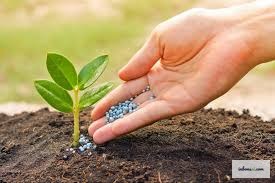
Soil application: Scatter solid fertilizer (pellets or powder) evenly across the soil surface, keeping 1-2 cm away from the pot rim. Each time you water, nutrients slowly leach into the soil where the roots can absorb them. This method works best with organic and slow-release fertilizers.
Foliar feeding: Dilute liquid fertilizer to 2-3 times weaker than the soil application rate and spray directly onto the leaves during early morning or late afternoon. The tree absorbs nutrients through stomata on the leaf surface, providing results within 24-48 hours.
One critical rule: never fertilize dry soil. Water the tree first, wait about 30 minutes for the soil to absorb the moisture, and then apply fertilizer. This prevents root burn from salt concentration in the dry growing medium.
Best Fertilizer Types for Spring Bonsai
In spring — when the tree focuses its energy on producing new leaves and extending branches — prioritize fertilizers with a higher Nitrogen (N) ratio relative to Phosphorus (P) and Potassium (K). Nitrogen is the primary macronutrient driving cell division, shoot formation, and leaf development.
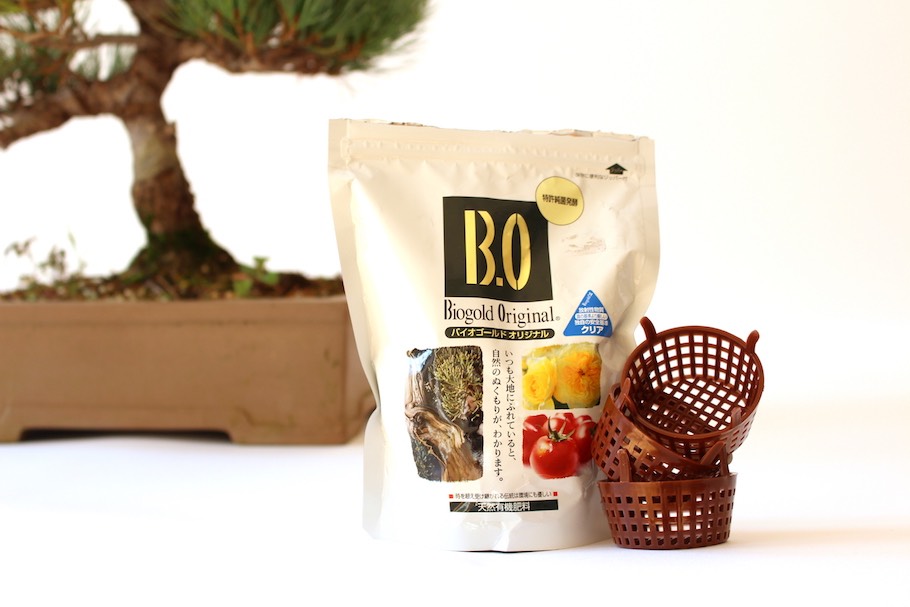
Organic slow-release pellets (Biogold, Hanagokoro, oil cake): The gold standard of Japanese bonsai culture. These pellets release nutrients gradually over 1-2 months, are gentle on roots, and improve the biological activity of the growing medium. Place 2-4 pellets on the soil surface depending on pot size.
Balanced NPK (10-10-10 or 20-20-20): Suitable for trees in active growth. Dilute according to package directions and apply every 2-3 weeks. Avoid formulas with very high P or K ratios in spring, as these can suppress the leafy growth you want.
Worm castings: An outstanding organic option packed with beneficial microorganisms and natural NPK. Mix into the growing medium or brew as liquid at a 1:5 ratio with water. Worm castings are especially valuable in early spring when the tree is just waking from dormancy.
Liquid bonsai fertilizers (Fertilome, Dyna-Gro): Convenient and fast-acting — ideal for giving a quick nutrient boost to a weak tree or one that was recently repotted.
Avoid high-concentration chemical fertilizers in early spring when new feeder roots are still forming — young roots are sensitive to salt buildup.
Dosage and Frequency: Getting It Right
One of the most common beginner mistakes is over-fertilizing, hoping for faster growth. The reality is the opposite — excess fertilizer causes salt accumulation in the soil, leading to root burn, yellowing leaves, and potentially killing the tree.
Spring feeding frequency (February–April):
- Organic pellets: once per month, place 2-5 pellets depending on pot size
- Diluted NPK liquid: every 2 weeks, mixed at 50% of recommended strength
- Foliar spray: once per week in the morning, at 25% of the recommended concentration
Dosage guidelines by pot size:
- Small pot (under 20 cm): 2-3 organic pellets or 50ml diluted liquid per application
- Medium pot (20-40 cm): 4-6 pellets or 100ml per application
- Large pot (over 40 cm): 6-10 pellets or 200ml per application
Rather than increasing the dose, increase the frequency if you want faster development. Light, regular feeding produces steadier growth and is much safer for the root system. For a deeper understanding of bonsai nutrition principles, refer to the complete bonsai fertilizing technique guide.
Signs Your Bonsai Is Responding Well to Spring Feeding
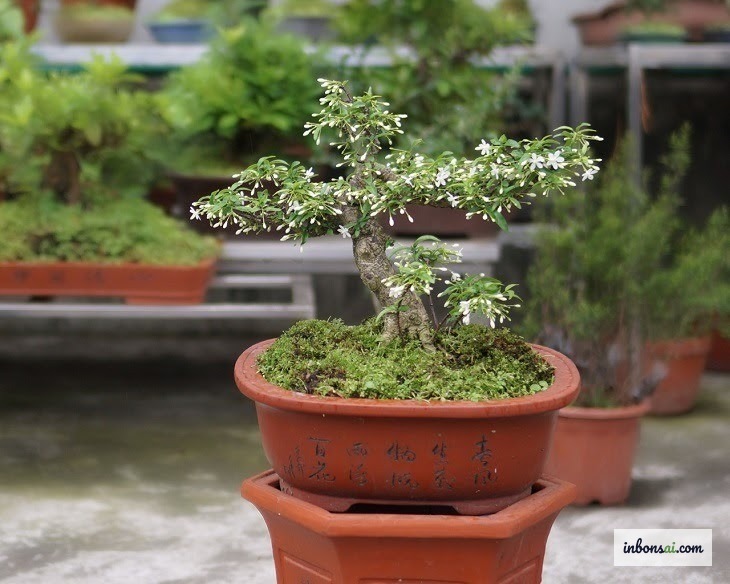
Within 2-3 weeks of a consistent spring fertilizing routine, you’ll notice clear positive signs:
Good signs:
- New buds emerging quickly and in abundance, evenly green
- New leaves are full-sized, deep green, and glossy
- Branches noticeably thicker than the previous week, elongating faster
- Roots beginning to appear at the drainage holes (indicating healthy root development)
- The overall tree looks vibrant and leaves don’t droop after watering
Warning signs (too much fertilizer):
- Leaf tip scorch or yellowing dry margins
- Sudden widespread yellowing despite adequate watering
- Unpleasant odor from the soil or white crusty residue on the surface
- No new shoots appearing despite weeks of fertilizing
If your tree shows no response after 4 weeks of feeding, the issue may lie in the growing medium or root system. Check whether your bonsai soil mix of akadama, pumice, and perlite provides adequate drainage and aeration.
Common Mistakes to Avoid When Fertilizing in Spring
Despite spring being ideal for feeding, several common errors can harm rather than help your tree:
1. Fertilizing immediately after repotting: This is the most serious mistake. After repotting, roots are damaged and in recovery. Fertilizing at this stage burns the young feeder roots. Wait at least 4-6 weeks after repotting before resuming any fertilizer application.
2. Fertilizing a diseased tree: A tree suffering from fungal infection, pest attack, or severe drought stress doesn’t need more nutrients — it needs treatment first. Adding fertilizer to a stressed tree only increases the pressure on an already weakened system.
3. Using garden fertilizers: Products formulated for vegetables, flowers, or fruit trees are typically too concentrated for bonsai living in small pots. Always use bonsai-specific fertilizers or dilute accordingly.
4. Applying fertilizer to completely dry soil: Always water first before applying any fertilizer, especially on hot sunny spring days.
5. Stopping fertilizer abruptly: Once a tree is accustomed to a regular feeding schedule, stopping suddenly can cause nutritional shock. Taper off gradually as you transition toward summer.
Monthly Spring Fertilizing Schedule
Here is a practical feeding calendar for the three spring months:
February (Early Spring — Tree Just Waking Up)
This is a transitional phase. The tree is beginning to bud but the root system isn’t yet operating at full capacity. Feed lightly to stimulate without shocking:
- Apply organic pellets once at the start of the month
- Spray diluted foliar fertilizer once per week for micronutrients
- Hold off on chemical NPK fertilizers for now
March (Mid-Spring — Peak Growth Period)
The tree is in its most explosive growth phase — this is when feeding should be most active:
- Apply organic pellets once this month
- Add diluted NPK liquid every 2 weeks
- Increase foliar spray to twice per week if the tree is producing many new shoots
- An ideal time to top-dress the soil with worm castings
April (Late Spring — Transitioning Toward Summer)
Temperatures are rising. The tree transitions toward a more stable growth phase and needs slightly less nutrition than the March peak:
- Reduce NPK liquid to once every 3 weeks
- Maintain organic pellets once per month
- Gradually shift toward formulas with higher K for branch hardening before summer
- Water consistently to prevent salt accumulation in the soil
Pay close attention to your watering frequency as well — during active spring growth, the tree’s water demand increases alongside its nutrient demand. Combining the right fertilizing schedule with proper hydration is covered in detail in the bonsai watering technique guide.
Spring Fertilizing for Different Bonsai Species
Not all bonsai species have identical nutritional needs in spring. Here are key adjustments:
Deciduous bonsai (apricot, maple, willow): Begin fertilizing only after the first green buds appear — never before budbreak. Use high-nitrogen formulas during the leafing-out phase, then transition to balanced NPK once leaves reach full size.
Evergreen bonsai (ficus, juniper, podocarpus): Can start feeding earlier (late January) as these species lack a distinct winter dormancy period. Maintain organic pellets consistently throughout spring.
Flowering bonsai (bougainvillea, plumeria, Murraya): After flowers fade, apply high-nitrogen fertilizer to help the tree recover and stimulate new growth. Avoid high-phosphorus formulas during the new shoot phase as they can trigger premature budset and disrupt the natural flowering cycle.
Recently repotted bonsai: No fertilizer for the first 4-8 weeks. Water only and allow roots to recover fully.
Spring is the opportunity you cannot afford to miss to elevate your bonsai to the next level. A well-executed spring fertilizing program for bonsai builds the foundation for healthy, sustained growth throughout the entire year — from thick, beautiful foliage and sturdy branches to a vigorous root system. Start today with one simple step: choose a quality organic fertilizer, apply it lightly, and watch your tree respond week by week.
Related Posts
Bonsai Spring Fertilizing Guide to Boost Growth
How to Prevent Bonsai Pests and Diseases in Hot Weather

Bonsai Autumn Care: Pruning and Fertilizing Guide
How to Water Bonsai in Dry Season: Complete Care Guide
Bonsai Care in Rainy Season: Preventing Root Rot
Bonsai Summer Care: Protect Your Tree from Heat
How to Care for Golden Ochna After Tet for Beginners