How to Prevent Bonsai Pests and Diseases in Hot Weather

InBonsai Team
April 6, 2026 · 8 min read
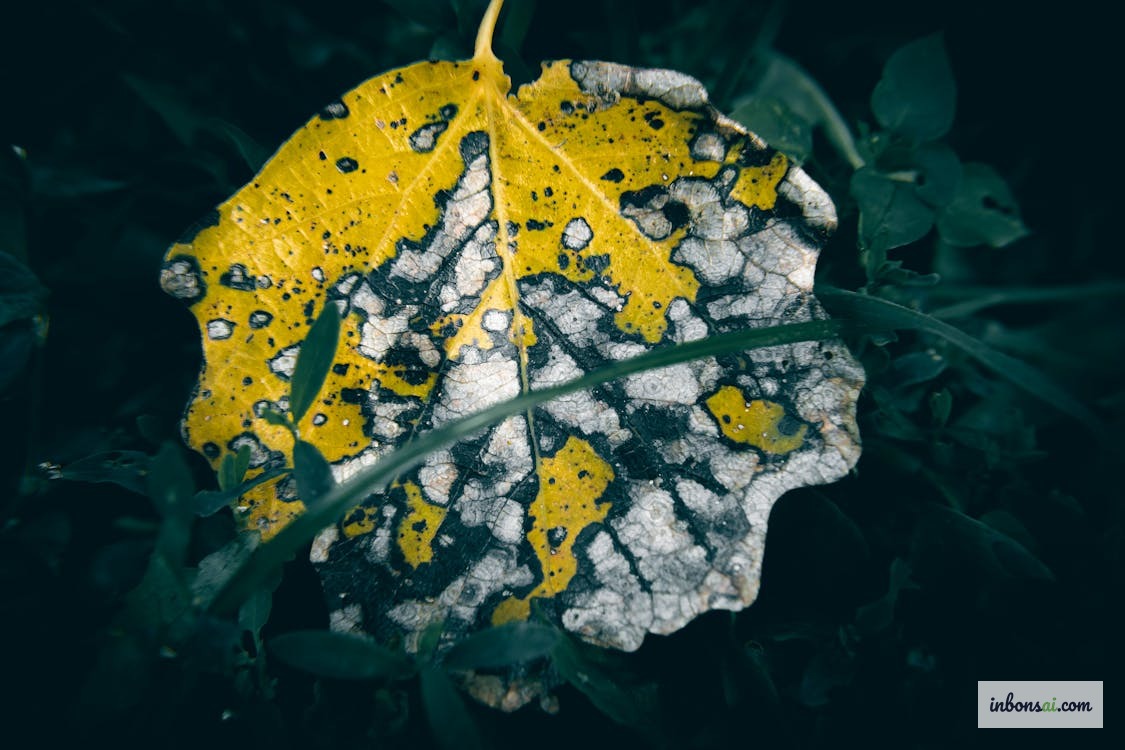
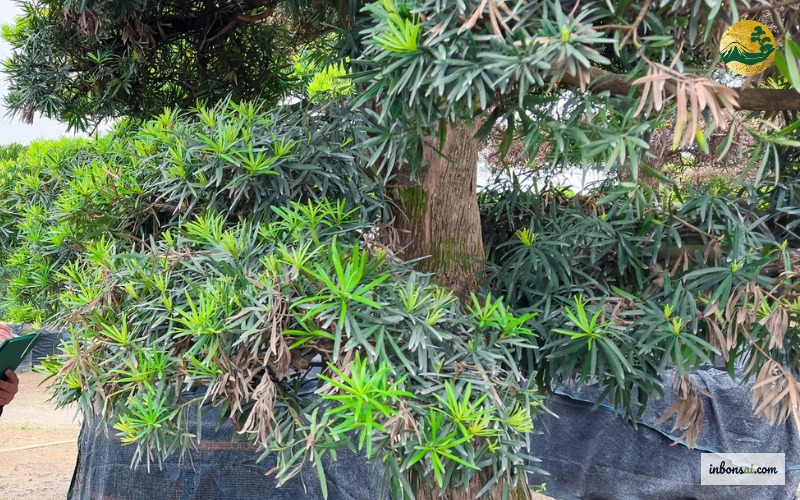
Summer heat is not just a challenge for humans — your bonsai trees are also under significant stress from high temperatures and erratic humidity. This is when pests and diseases peak throughout the year. Without mastering how to prevent bonsai pests and diseases in hot weather, just a few weeks of neglect can cause serious damage. This guide will help you identify, treat, and prevent problems effectively to keep your bonsai collection safe through summer.
Why Hot Season Is Peak Time for Bonsai Pests and Diseases
Temperatures between 28–38°C create the ideal environment for most pests and fungal diseases to thrive. The life cycle of spider mites, mealybugs, and aphids shortens to just a few days in hot conditions, causing populations to explode exponentially.
At the same time, bonsai in small pots suffer heat stress more than ground-planted trees. When a tree weakens due to intense sun, dehydration, or improper fertilizing, its natural resistance drops significantly — providing an opening for pathogens to attack. This explains why a healthy bonsai in spring can decline in just 2–3 weeks into summer without proper care.
Furthermore, hot seasons often come with sporadic heavy rains in southern Vietnam and high nighttime humidity in the north — ideal conditions for mold, anthracnose, and root rot to develop alongside pest infestations. You can also check out our summer bonsai care guide for a full picture of the season’s challenges.
Common Pests That Attack Bonsai in Summer
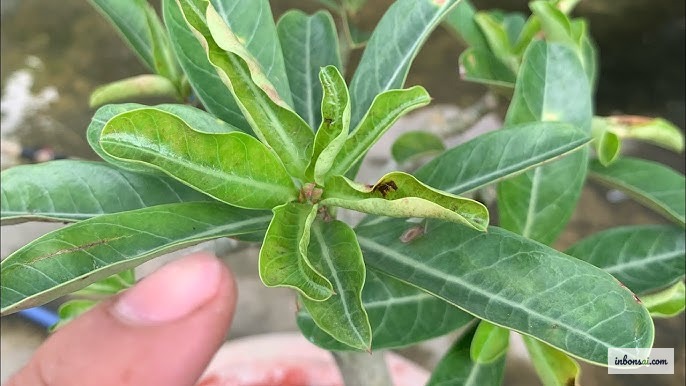
Correctly identifying the pest is the first step to effective prevention and treatment.
Spider mites (Tetranychus urticae) are enemy number one in summer. They are tiny (under 0.5mm), live on the undersides of leaves, and suck plant sap. Signs: leaves turn yellow and speckled from the edges, fine webbing under the canopy, leaf surfaces appear dusty. Spider mites thrive in hot, dry conditions.
Mealybugs (Planococcus citri) create cotton-like clusters in branch crevices, leaf bases, and the soil. They secrete honeydew that attracts sooty mold, blackening leaves and branches. Mealybugs are especially dangerous because they hide deep in bark crevices, making early detection difficult.
Aphids typically attack young shoots and new growth. A colony can form in just a few days, curling new leaves and slowing bud development. Ants often protect aphid colonies in exchange for honeydew — seeing ants clustering heavily on a tree is a warning sign.
Stem borers and leaf rollers appear more frequently at the start and end of the rainy season. They leave fine sawdust-like frass around bored holes, or roll leaves to hide inside.
Fungal and Pathogenic Diseases in Hot, Humid Conditions
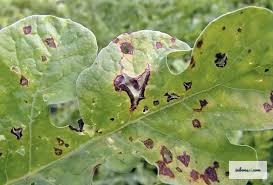
Equally dangerous as pests, fungal and bacterial diseases also peak during the hot, humid season.
Anthracnose presents as brown or black spots with yellow halos on leaves, scorched leaf margins, and dark rot spreading down from young shoot tips. The disease spreads rapidly through irrigation water and humid air — particularly dangerous when watering in the evening.
Powdery mildew creates a white powdery coating on leaf surfaces, commonly seen on soft-leaved species like ficus and banyan. The disease thrives when high daytime temperatures combine with cool nights and high humidity.
Root rot caused by Pythium and Fusarium fungi is a direct consequence of overwatering and poor drainage during the rainy season. Symptoms: wilting despite moist soil, uniform yellowing of leaves, black, soft roots when inspected.
Rust disease creates orange-brown powdery spots on leaf undersides, causing premature leaf drop and gradual decline. See our article on identifying and treating bonsai diseases to accurately determine the disease type before treating.
How to Prevent Bonsai Pests and Diseases During Hot Weather
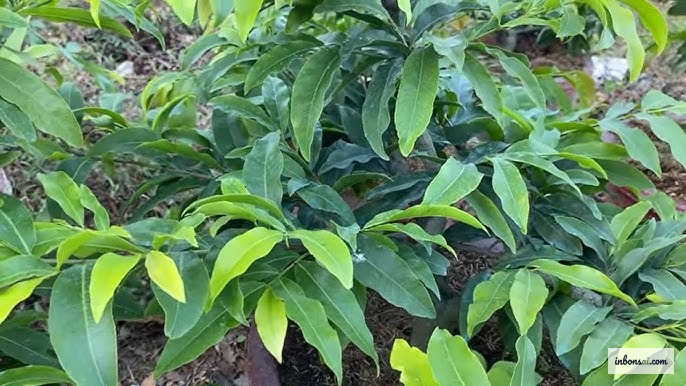
Prevention is always more effective and economical than treatment. Here are the core measures to implement at the start of the hot season.
Regular cleaning: Remove yellowed leaves, dead branches, and organic debris from the pot surface every 1–2 weeks. These are breeding and hiding spots for many pests. After each pruning session, sterilize shears with 70% alcohol to prevent disease transmission.
Adjust watering schedule: Water in the early morning (before 8am) or late afternoon (after 5pm), avoiding water sitting on leaves overnight. Leaf moisture at night is the perfect condition for fungal growth. See our bonsai watering technique guide for the right amount.
Preventive neem oil sprays: Dilute neem oil at 2–3ml/liter of water, spray thoroughly over the entire canopy including leaf undersides, every 2 weeks throughout summer. Neem oil repels pests and prevents egg-laying, and is safe for humans and pets.
Isolate sick trees immediately: When a tree shows signs of pests or disease, separate it from the display area right away. Many pests like spider mites can move from pot to pot through light contact.
Ant control: Use double-sided tape around shelf legs or ant bait to stop ants from protecting aphid colonies. Without ant protection, aphid populations are more vulnerable to natural predators.
Using Pesticides and Fungicides Correctly
When pests have already erupted, chemical intervention is needed. The key principles are choosing the right product, correct concentration, and the right timing.
For spider mites: Use specific miticides like Abamectin, Propargite, or mineral oil. Apply twice, 5–7 days apart, to kill both eggs and adults. Rotate between different active ingredients to prevent mite resistance.
For mealybugs and aphids: Use Imidacloprid (soil drench) or Thiamethoxam (foliar spray). Isopropyl alcohol 70% diluted 1:1 with water is also effective for manually removing mealybugs with a brush on a small scale.
For fungal diseases: Use copper-based fungicides (Copper oxychloride), Mancozeb, or Carbendazim. Apply every 10–14 days during high-risk periods. Do not spray when temperatures exceed 35°C as this can cause leaf burn.
Best spraying times: Early morning (6–8am) or evening (5–7pm) when temperatures are cooler. Avoid mid-day application and immediately after watering. Wear a mask and gloves when handling chemical pesticides.
Balanced nutrition also strengthens natural resistance. Read our bonsai fertilizing technique guide to adjust nutrition for summer.
Regular Inspection and Prevention Schedule
Nothing replaces the habit of consistent observation. Here is a pest and disease prevention calendar that experienced bonsai growers typically follow during hot weather.
Daily: Quick visual check on leaf color and shoot tips. Leaves with yellow spots, curling, or unusual surfaces need closer inspection. Pay special attention to leaf undersides — where most pests hide.
Weekly: Use a small magnifying glass to inspect branch crevices, leaf axils, base of trunk, and pot surface. Remove old leaves and organic debris. Spray water forcefully on leaf undersides to wash off spider mites and eggs.
Every two weeks: Apply preventive neem oil. Check soil condition, ensure good drainage. Review fertilizer schedule — avoid high-nitrogen fertilization during intense heat as it stimulates soft new growth that is vulnerable to aphids.
Monthly: Consider whether repotting or pot cleaning is needed. Inspect roots if the tree shows unexplained wilting.
Common Mistakes When Treating Bonsai Pests and Diseases
Even experienced bonsai growers sometimes make mistakes that reduce treatment effectiveness.
Stopping treatment too early: Many people stop after seeing pests reduce after the first spray. But pest eggs need 5–10 days to hatch — without the second spray, the next generation will bounce back. Always complete the full treatment cycle as directed on the product label.
Only spraying the top of leaves: This is the most common mistake. Spider mites, aphids, and many pests live primarily on leaf undersides. Spray upward from below, ensuring even coverage on both sides.
Overusing chemical pesticides: Chemical pesticides kill natural predators like predatory mites and ladybugs — species that naturally control pest populations. Prioritize biological methods (neem oil, Bacillus thuringiensis) and only use chemicals when truly necessary.
Not isolating sick trees: Leaving diseased trees mixed with healthy ones on the same shelf is the quickest way to spread problems throughout your entire collection. Developing the habit of immediate isolation when anything looks abnormal will save many trees.
Evening watering during fungal disease: Wet leaves overnight creates ideal conditions for fungal spread. When treating fungal disease, always water in the morning and minimize overhead watering.
Preventing bonsai pests and diseases during hot weather doesn’t require excessive effort if you build regular observation habits and intervene early. Spending 10 minutes weekly on thorough inspection will help you catch problems in the early stages — when they are still easy to address and less costly. Your bonsai collection will thrive through summer with lush green foliage and vibrant health when properly cared for.
Related Posts
How to Prevent Bonsai Pests and Diseases in Hot Weather
Bonsai Spring Fertilizing Guide to Boost Growth
How to Water Bonsai in Dry Season: Complete Care Guide
Bonsai Care in Rainy Season: Preventing Root Rot

Bonsai Autumn Care: Pruning and Fertilizing Guide
Bonsai Summer Care: Protect Your Tree from Heat