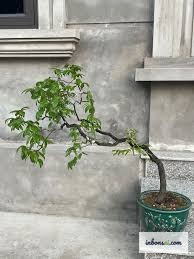
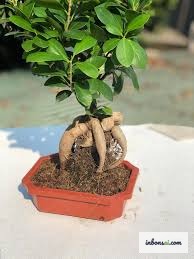
Ficus Benjamina Mini Bonsai for Your Desk: Care Guide

InBonsai Team
March 21, 2026 · 13 min read
Among the most beloved bonsai species in Vietnam, the Ficus benjamina mini bonsai for desk stands out with an elegance and lightness all its own — quite unlike the rugged grandeur of the Chinese banyan or the vibrant flowers of Wrightia bonsai. With its gracefully drooping branches, thread-like aerial roots, and remarkable resilience in indoor conditions, the Ficus benjamina mini bonsai is becoming a top choice for those seeking a living work of art that is both beautiful and rich in positive feng shui energy. This guide will walk you through everything you need: identifying features, feng shui significance, how to choose a healthy tree, planting techniques, and a complete care routine.
What Is Ficus Benjamina Mini Bonsai? Key Identifying Features
The weeping fig (Ficus benjamina), known in Vietnam as “cây si,” belongs to the Moraceae (mulberry) family and is native to tropical and subtropical regions of Southeast and South Asia. In nature it grows into an enormous canopy tree — but miniaturized into bonsai form, it becomes extraordinarily graceful and refined, perfectly suited to modern interiors.
The most recognizable feature of the weeping fig is its small, glossy oval leaves in a deep, rich green, and its ability to produce hanging aerial roots from branches that reach down toward the soil. These slender, thread-like roots are what make Ficus benjamina bonsai truly unique — enthusiasts often describe a well-developed specimen as resembling a “green waterfall” when the roots cascade fully.
A Ficus benjamina mini bonsai — typically 15 to 40 cm tall — is the result of years of careful pruning and training. Growers usually start from young saplings or cuttings and gradually shape them into classic bonsai styles: the slanting style (Shakan), the cascade (Kengai), or the formal upright (Chokkan). Its compact size makes it a perfect companion on a work desk, bookshelf, or windowsill.
An important distinction from the closely related Ficus microcarpa mini bonsai: Ficus benjamina has smaller leaves and more delicately drooping branches, while Ficus microcarpa is celebrated for its dramatic surface roots and rugged, weathered trunk. Each species carries its own beauty and feng shui energy — neither is “better,” just better suited to different spaces and personalities.
Feng Shui Meaning of Ficus Benjamina Mini Bonsai
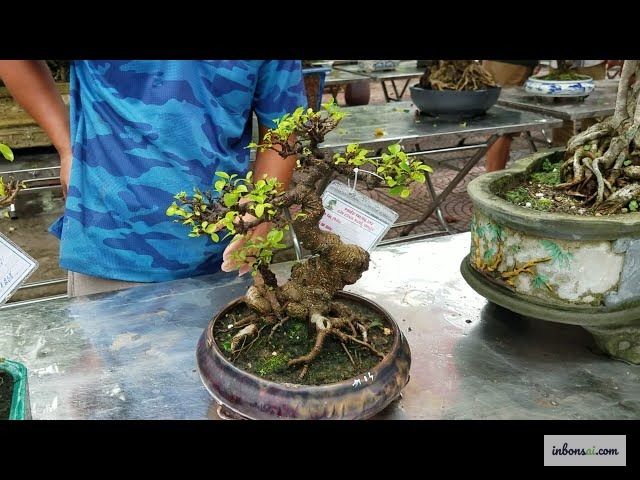
In Vietnamese folk tradition and feng shui, the weeping fig carries a rich web of positive symbolism, accumulated over centuries of cultural association.
Patience and longevity: In nature, Ficus benjamina can live for hundreds of years, anchoring itself in even the most challenging terrain. It symbolizes enduring vitality and the ability to overcome adversity. Placing a Ficus bonsai in your workspace is seen as an invitation for perseverance and steadfast energy.
Love and relationships: In Vietnamese folk belief, the weeping fig is associated with romance — its wide canopy traditionally provided shade for couples meeting beneath it. This meaning makes it a thoughtful gift for couples or a bedroom addition to nurture relationships.
Prosperity and growth: The ever-expanding aerial roots of Ficus benjamina symbolize a constantly widening network reaching out in all directions to draw in nourishment. In a business context, this represents expansion and perpetual growth. Many Vietnamese and overseas Chinese merchants traditionally keep a Ficus bonsai near the cash register or reception area for this reason.
Wood element — compatible with Water and Wood destinies: Ficus benjamina belongs to the Wood element in the Five Elements system. Following the productive cycle, it is especially auspicious for those with a Water destiny (Water feeds Wood) and for those with a Wood destiny (reinforcing their element). If you’re unsure which bonsai suits your birth year and element, check out our guide to choosing feng shui bonsai by age and destiny.
Best placement: East or southeast corner of the living room, east-facing work desk, or south-facing window. Avoid placing directly under air conditioning vents or in spaces with no natural light.
How to Choose a Quality Ficus Benjamina Mini Bonsai
The market for mini bonsai is wide and varied — from specialist nurseries to e-commerce platforms. Knowing how to assess quality will help you avoid overpaying for an unhealthy or poorly developed specimen.
Evaluate the trunk: A beautiful trunk tapers naturally from a wider base to a narrower apex — never straight and uniform like a pole. The bark should be lightly textured and grayish, indicating the tree has some age. Avoid trees with completely smooth, bright green bark — these are very young plants that haven’t yet developed real bonsai character.
Inspect leaves and branches: Good Ficus benjamina leaves are small, thick, and glossy in a uniform deep green. The branch structure should be balanced across the canopy rather than leaning heavily to one side. Yellow leaves, scorched leaf edges, or unusually tiny new growth are warning signs of stress or disease.
Look for aerial roots: These hanging roots are Ficus benjamina’s signature feature. A tree that has already begun developing them shows it has been properly cared for over time — the more roots, the greater the value. If you’re buying a young tree without roots yet, that’s perfectly fine; they will develop with proper care.
Check the roots and soil: Gently test whether the tree feels stable in its pot — a root-bound pot indicates a healthy, mature tree that has been growing for a meaningful length of time. The soil should be moist but not waterlogged, with no foul odor.
Ask about the tree’s history: How long has it been in its current pot? Has it been recently repotted? Was it grown outdoors or indoors? This helps you gauge how long the tree will need to acclimate to its new environment. A recently repotted tree typically needs 2–4 weeks to settle before being moved to its permanent spot.
How to Plant Ficus Benjamina Mini Bonsai for Your Desk
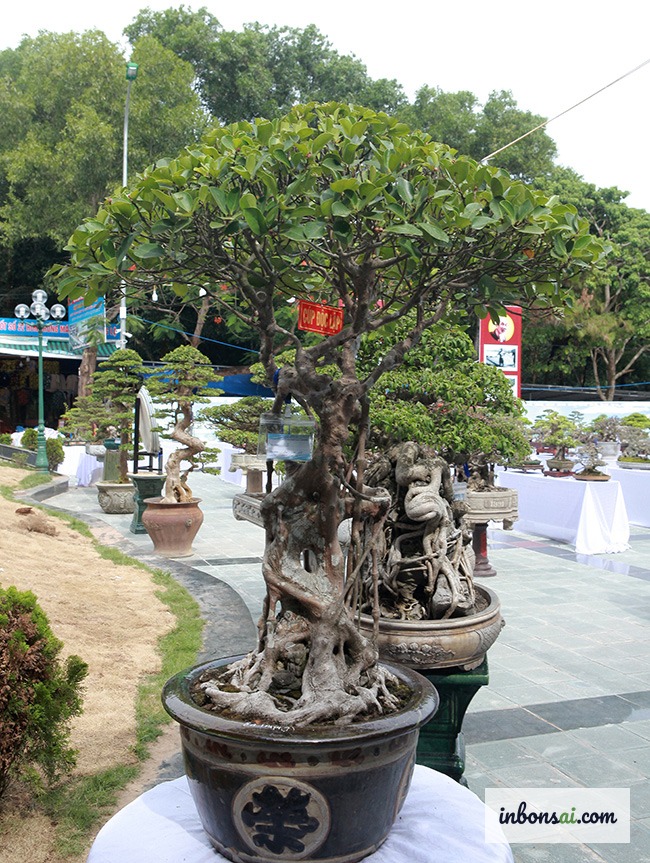
Proper planting from the start is the foundation that determines 70% of your tree’s success. Whether you’ve bought a pre-shaped specimen or are starting from a cutting, these steps apply to both.
Choose the right pot: Ceramic or unglazed terracotta pots are ideal for Ficus bonsai — their breathable material prevents root suffocation and promotes even moisture regulation. Pot size should be roughly two-thirds the width of the canopy. An absolute requirement: the pot must have drainage holes at the bottom, set on a shallow tray filled with gravel to catch excess water without letting the base of the pot sit in standing water.
Ideal soil mix: Ficus benjamina needs a well-aerated, fast-draining mix. The optimal blend: 40% akadama, 30% pumice, 30% coarse sand or perlite. Never use garden soil or potting compost — these compact over time, causing root suffocation. If akadama is unavailable, commercially prepared bonsai soil from a garden center is an acceptable substitute.
Planting steps: Cover the drainage holes with fine mesh to prevent soil loss. Add a base layer of soil, set the tree in the center with roots spread evenly, then fill around the roots with soil — using a thin chopstick or skewer to tease soil into the gaps between roots to eliminate air pockets. Water thoroughly after planting and keep the tree in a sheltered, shaded spot for the first 1–2 weeks while it adjusts.
Propagation by cuttings: Ficus benjamina roots readily from stem cuttings. Cut a semi-hardwood stem (neither too young nor too old) about 10–15 cm long, insert into moist propagation mix, and maintain high humidity for 3–4 weeks until roots form. This is the most economical way to grow a young tree for shaping from scratch.
How to Care for Ficus Benjamina Mini Bonsai Indoors
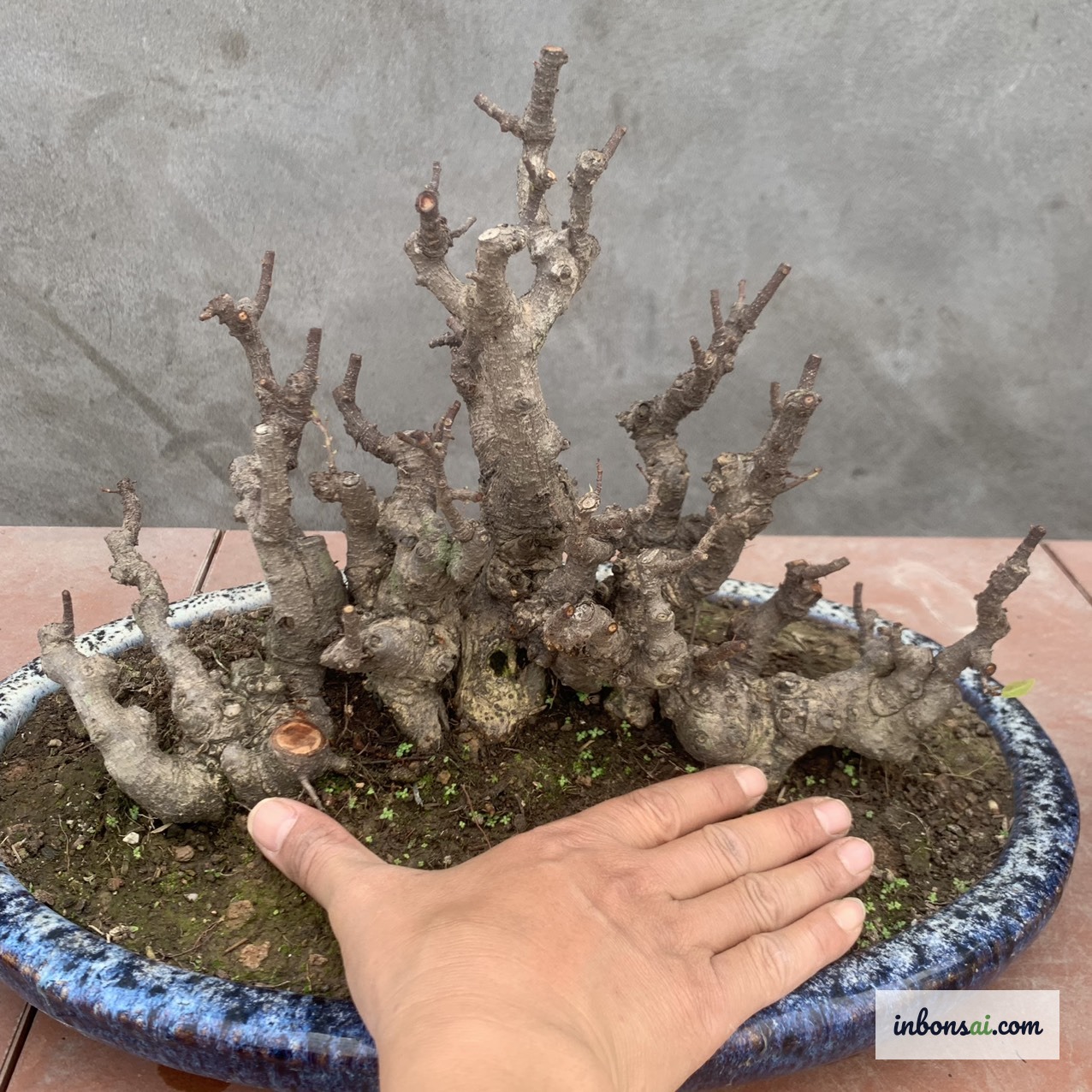
Ficus benjamina bonsai has a reputation for being relatively easy compared to many other species — but that doesn’t mean it thrives on neglect. Understanding what it truly needs will allow you to keep it healthy and more beautiful with each passing year.
Watering: The golden rule: water when the soil begins to dry, not on a fixed schedule. Press your finger 2–3 cm into the soil — if it still feels moist, wait; if it’s dry, it’s time to water. When you do water, water thoroughly until it drains freely from the drainage holes, then discard any water that collects in the tray. In hot summer months, this may mean watering every 2–3 days; in cooler months or air-conditioned rooms, every 5–7 days. Misting the leaves daily also raises ambient humidity — especially important in rooms with air conditioning.
Light: Ficus benjamina mini bonsai thrives in bright, indirect light — near an east- or south-facing window is ideal. It needs at least 4–6 hours of natural light per day to photosynthesize well and maintain rich leaf color. If leaves begin fading to a pale, washed-out yellow and new growth is weak and leggy — that’s your sign the tree needs more light. Periodically moving it outdoors for a few hours each week makes a significant difference.
Fertilizing: During the growing season (March through September), apply a balanced NPK fertilizer (e.g., 10-10-10) or dedicated bonsai fertilizer every 2–3 weeks. Slow-release organic pellets placed on the soil surface are preferable — they feed gradually and carry less risk of root burn. Do not fertilize in winter, immediately after repotting, or when the tree shows signs of disease.
Temperature and humidity: Ficus benjamina prefers stable temperatures between 18–30°C. Crucially, it is sensitive to sudden temperature changes — leaf drop after moving the tree to a new spot is almost universal and completely normal. The tree is simply adjusting; new leaves will appear within 2–4 weeks. Avoid placing it near air conditioning units, heaters, or frequently opening doors.
For broader bonsai care techniques applicable to many species, see our mini bonsai care guide for beginners.
Shaping Ficus Benjamina Mini Bonsai: Wiring and Stimulating Aerial Roots
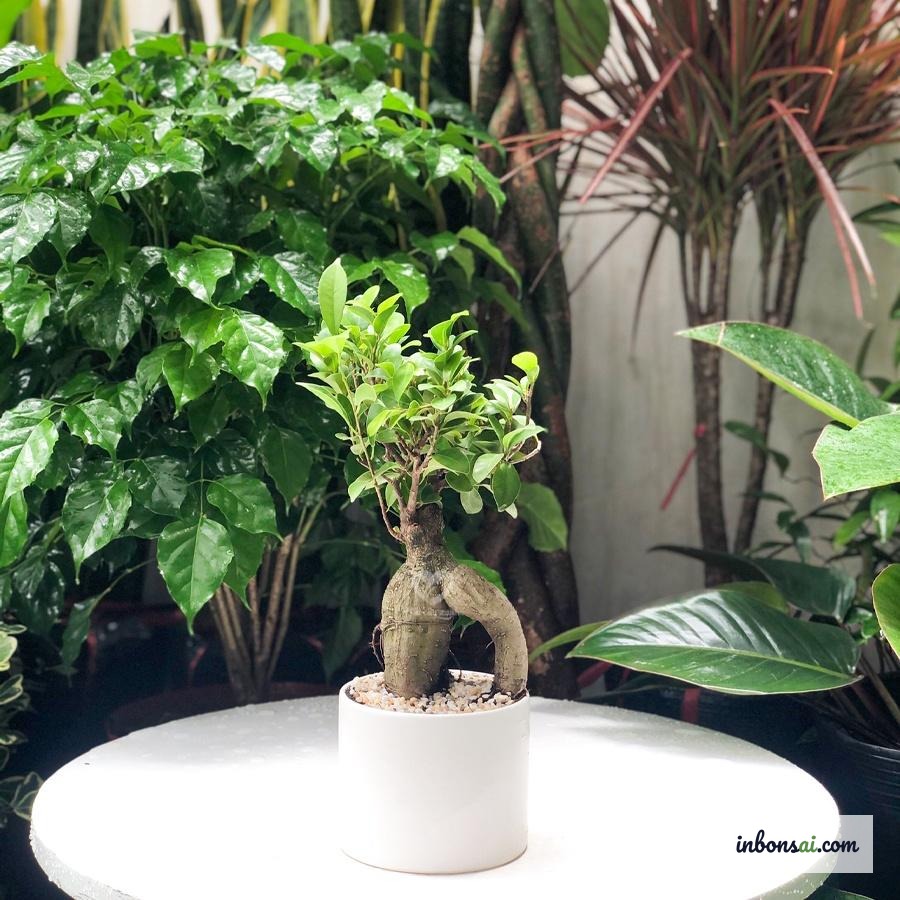
Shaping is where an ordinary Ficus benjamina tree becomes a true bonsai. It’s also the most rewarding part — where you express your artistic vision one cut and bend at a time.
Structural pruning: Use sharp, sterilized bonsai scissors to remove branches growing straight upward out of the canopy, branches crossing inward, downward-growing branches, or any branch disrupting the overall balance. Cut just above a leaf node to encourage lateral branching. The best time for heavy pruning is early spring; light maintenance pruning can be done throughout the year.
Branch wiring: Wrap soft aluminum wire at a 45-degree angle around the branch, then gently bend it to the desired position. Don’t bend too forcefully or too quickly — Ficus benjamina branches are somewhat brittle, especially in cooler weather. Check after 4–6 weeks: once the branch has “memorized” its new direction, remove the wire immediately to prevent it from cutting into the bark.
Stimulating aerial roots: This is Ficus benjamina’s most prized quality in bonsai art. To encourage aerial root development, increase the humidity around the tree by misting the trunk and branches frequently. Wrapping moist sphagnum moss around a section of branch — a technique called air layering — accelerates root formation. In conditions of high humidity and warmth (25–30°C), roots begin appearing within 4–8 weeks. Once long enough, guide them gently toward the soil and anchor them with a small pin or wire; in time they will develop into the characteristic hanging roots that define the species.
Most popular styles for Ficus benjamina bonsai:
- Cascade (Kengai/Semi-kengai): Trunk and branches drape down past the pot edge, roots hanging freely — the most iconic and characteristic style for this species.
- Slanting (Shakan): Trunk tilted 15–45 degrees, conveying resilience in the face of adversity.
- Root-over-rock (Ishitsuki): Roots gripping a natural rock, with hanging roots and branches encircling the stone to evoke a cliff-side ancient tree.
Important Notes When Growing Ficus Benjamina Mini Bonsai Indoors
Beyond the technical care, there are some species-specific quirks that beginners need to understand to avoid the most common mistakes.
Post-purchase leaf drop: Nearly every Ficus benjamina drops some leaves — sometimes many — in the first 1–3 weeks after being moved to a new home. This is a completely normal acclimatization response. The key: place the tree in its permanent spot right away and do not move it during that first month. New leaves will emerge once it has adjusted.
Humidity is the key to success: Ficus benjamina thrives best at 50% relative humidity or above. In air-conditioned rooms, humidity often drops to 30–40%, causing stress and suppressing aerial root development. Solution: place a pebble tray filled with water beneath the pot (without the pot base touching the water), or use a small humidifier near the tree.
Milky sap and pet safety: When pruning, cut branches exude a white latex sap — a characteristic of all Ficus species. This sap can irritate sensitive skin and is mildly toxic if ingested by pets or small children. Always wear gloves when pruning and place the tree out of reach of children and pets.
Common pests: Mealybugs and red spider mites are the most frequent visitors. Mealybugs form fluffy white clusters at leaf axils and branch joints; treat with 70% isopropyl alcohol applied directly, or diluted neem oil sprayed thoroughly. Spider mites cause silvering and drying of leaves; increase ambient humidity and mist the foliage regularly to prevent them.
Choosing the right desk bonsai for your workspace: If you’re looking for an office bonsai that combines beauty with wealth-attracting feng shui energy, our guide on desk bonsai for attracting prosperity at the office offers several excellent alternatives to consider alongside Ficus benjamina.
Conclusion
A Ficus benjamina mini bonsai for your desk is a perfect union of artistic beauty and positive meaning — an ideal companion for anyone who wants to bring a piece of nature into their home or workspace. It asks for no large space, no advanced expertise, only a position with enough natural light, a genuine love of plants, and the patience to observe and respond to what the tree tells you each day.
Start with a small, modestly priced Ficus si mini, and let it teach you lessons in patience and mindfulness. When the first aerial roots appear and begin to hang gracefully below the green canopy — that’s the moment you’ll know you truly understand this remarkable species.
Related Posts
Ficus Benjamina Mini Bonsai for Your Desk: Care Guide
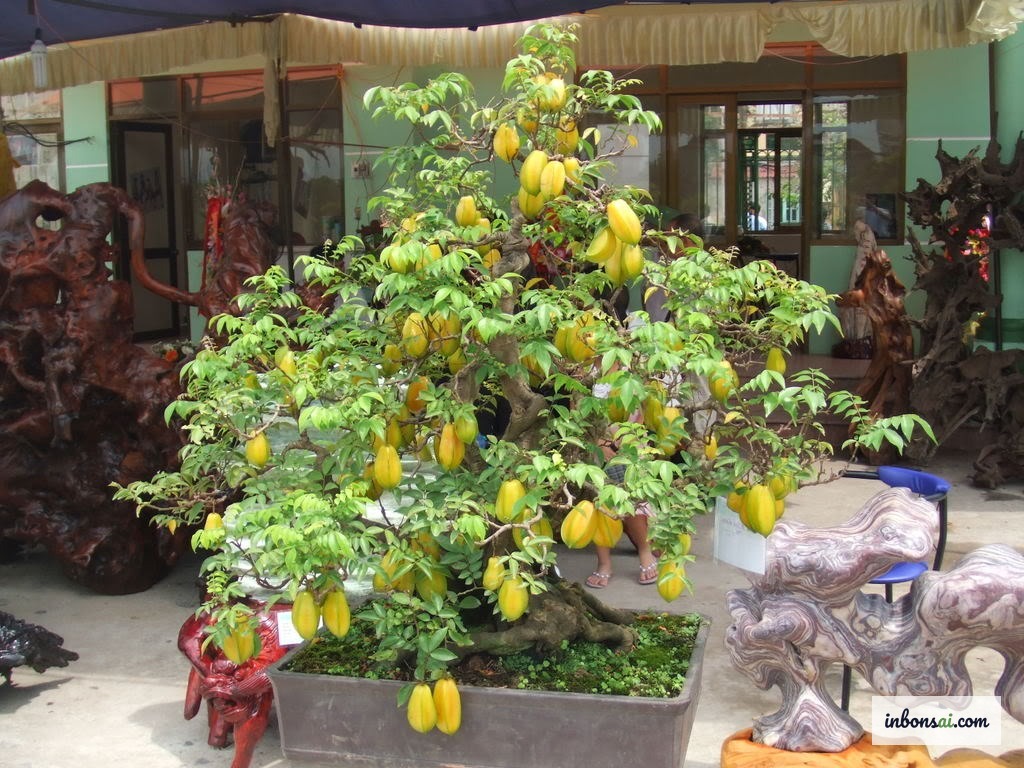
Starfruit Bonsai Mini: Feng Shui Meaning and Care Guide
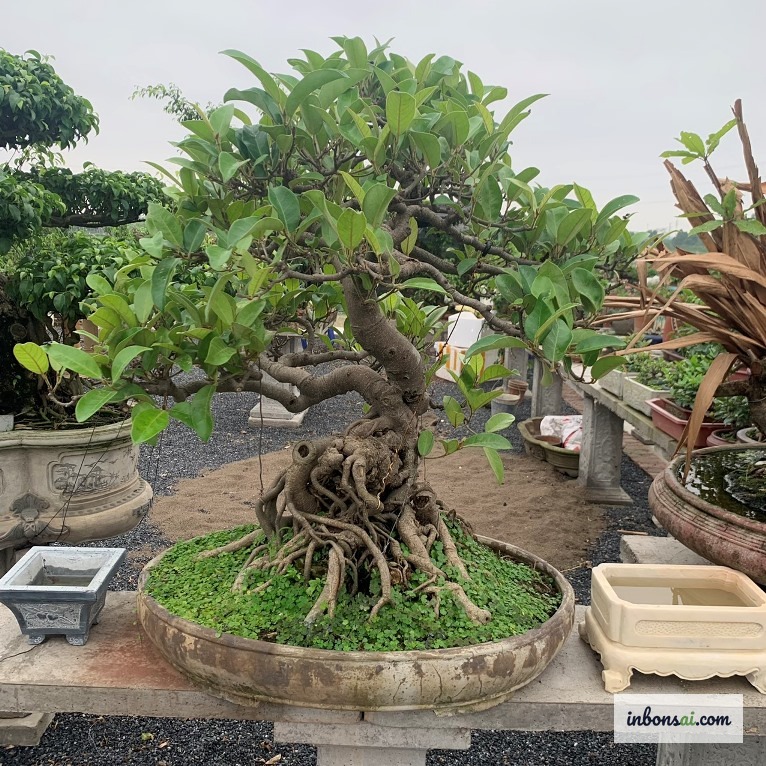
Banyan Bonsai Feng Shui: What Ages Does It Suit?
Ficus Racemosa Bonsai: Feng Shui Meaning & Care Guide
Bougainvillea Bonsai Mini: Feng Shui Meaning & Care Guide
Ficus Bonsai Mini: Feng Shui Meaning and Care Guide
Muoi Hong Tea Table Bonsai: Styling Guide