Ficus Bonsai Mini: Feng Shui Meaning and Care Guide

InBonsai Team
March 20, 2026 · 12 min read
In the Vietnamese bonsai world, no tree commands more reverence than the ficus bonsai mini — affectionately called the “king of bonsai” by seasoned artists. With its dramatically gnarled aerial roots, aged and rugged trunk, and perpetually lush green canopy, the ficus bonsai mini is not merely a living work of art but also a powerful feng shui talisman believed to attract wealth, authority, and health to its owner. This guide covers the feng shui significance of ficus bonsai mini, how to choose a quality specimen, and everything you need to know about growing and styling it at home.
What Is Ficus Bonsai Mini? Why Is It Called the “King of Bonsai”?
The ficus sanh, scientifically known as Ficus benjamina (sometimes confused with Ficus microcarpa or Ficus retusa), belongs to the Moraceae (mulberry) family and grows naturally throughout Southeast Asia, including Vietnam. It is a robust tropical tree capable of living for hundreds of years — a characteristic that gives it its unique aged beauty and unstoppable vitality that no other bonsai species can replicate.
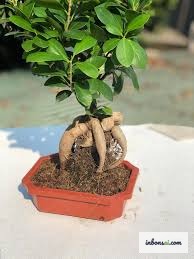
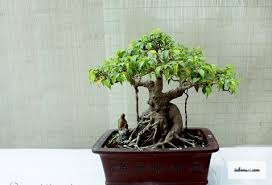
What makes ficus bonsai so extraordinary are its aerial roots. Over time, these roots descend from branches, touch the ground, and fuse together into dramatic, elephantine root columns that the Vietnamese poetically call “chân voi” (elephant feet). These roots are the soul of ficus bonsai — impossible to fake and impossible to rush with any technique other than time and patience.
The ficus mini bonsai version — typically 20 to 50 cm tall — is created from young plants or cuttings taken from mature trees, then shaped over years of patient pruning and styling into a complete, miniaturized version of a forest giant. Despite its small size, a well-developed ficus mini still displays all the majesty of a full-grown tree: dramatic visible roots, artistically curved trunk, and dense green foliage. This is why the ficus mini has become the top choice for living room decor, home offices, and meaningful gifts.
Feng Shui Meaning of Ficus Bonsai Mini
In feng shui, the ficus bonsai mini carries a remarkable cluster of positive symbolism — few plant species combine so many auspicious meanings in one.
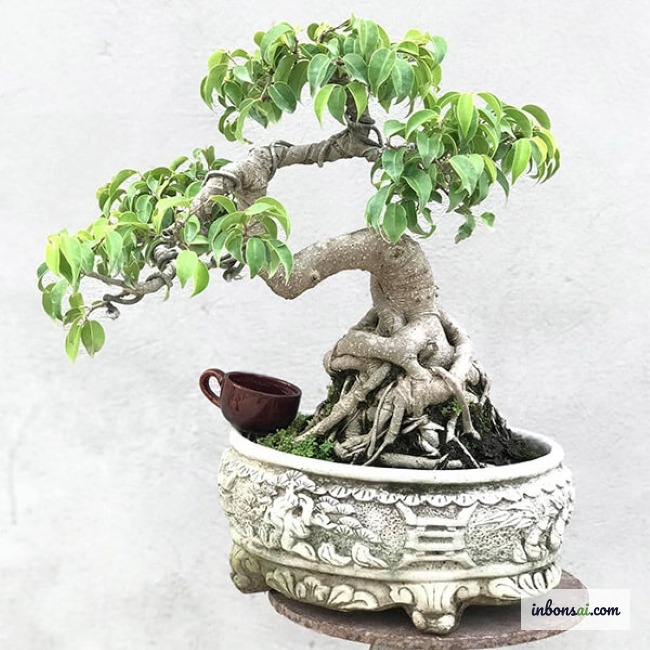
Authority and leadership: In nature, the banyan/ficus is typically the largest tree in any forest, its canopy spreading wide and roots sinking deep. This imagery symbolizes leadership, far-sighted vision, and the ability to shelter others. For this reason, ficus bonsai is especially well-suited to the workspace of managers, business owners, or anyone seeking career advancement.
Longevity and health: The ficus’s extraordinary resilience — surviving for centuries under harsh conditions — has led Vietnamese people to view it as a symbol of robust health and long life. Keeping a ficus bonsai at home is considered “inviting” this powerful life energy into your living space.
Wealth and prosperity: The ficus’s sprawling aerial root network symbolizes an extensive network of connections reaching in every direction to absorb nourishment. In business, this represents expansion and continuous growth. Many Chinese-Vietnamese and overseas Vietnamese merchants traditionally keep a ficus bonsai in their shops and offices for exactly this reason.
Elemental compatibility: Ficus belongs to the Wood element in feng shui, making it especially beneficial for people born under the Water element (Wood-Water mutual generation) and Wood element people (amplifying their primary element). For more on choosing bonsai that suits your birth element, see our guide to feng shui bonsai by age and element.
Best placement: The east or southeast corner of a living room or office is ideal. Avoid placing it in bedrooms (large plants compete for oxygen at night) or kitchens (fluctuating temperatures).
How to Choose a Quality Ficus Bonsai Mini
The bonsai market today offers enormous variety, but not every tree is worth the asking price. When selecting a ficus bonsai mini, pay attention to these criteria to avoid purchasing a poor-quality specimen.
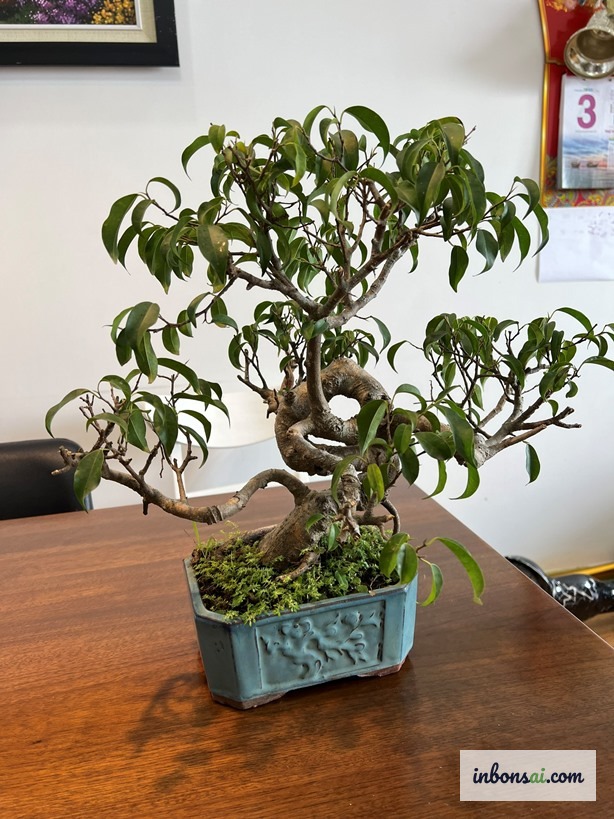
Evaluate the root structure: This is the single most important criterion for ficus. Beautiful roots are visible above the soil surface, radiating outward evenly in multiple directions like the spokes of a wheel, without becoming tangled or congested. The more aerial roots hanging down from branches, the older the tree and the higher its value. Firm, gray-brown roots are a good sign — avoid trees with soft, spongy, or rotted roots.
Examine the trunk: An attractive trunk tapers naturally (thick at the base, narrowing toward the apex), with gentle curves rather than stiff straightness. The bark should be rough and textured, indicating the tree has genuine age. Avoid trees with smooth, unblemished bark — these are newly established plants without aesthetic value.
Observe the foliage: Healthy ficus leaves are small, thick, glossy, and uniformly deep green. The canopy should branch evenly without obvious lopsidedness. If you notice many yellow leaves, heavy leaf drop, or brown leaf edges — these are signs the tree is stressed or diseased.
Ask about the tree’s history: How long has it been in training? Has it been recently repotted? Was it grown outdoors or indoors? This information helps you gauge how long the tree may need to acclimatize after arriving at your home.
Pricing considerations: Ficus bonsai mini prices vary enormously — from a few hundred thousand VND for freshly styled young trees, to tens of millions for specimens with 10–20 years of development. For decorative and feng shui purposes, trees in the 500,000 – 2,000,000 VND range are excellent starting points for beginners.
Planting Ficus Bonsai Mini: Soil, Pot, and Placement
Getting the planting right from the start will give your ficus bonsai mini a healthy foundation and significantly reduce the risk of early decline as the tree settles into its new environment.
Choosing the right pot: Ceramic or unglazed terra cotta pots are the ideal choice for ficus bonsai. This material is breathable, preventing root suffocation and allowing excess moisture to escape more readily than plastic. The pot size should be roughly two-thirds the width of the canopy — large enough for roots to develop but not so oversized that the soil stays wet too long. Essential: The pot must have at least one drainage hole. Place it on a tray with small pebbles to catch excess water.
Ideal soil mix: Ficus needs an airy, fast-draining mix that still retains adequate moisture. The best combination is: 40% akadama (or small fired clay particles), 30% pumice (volcanic rock), 30% coarse sand or perlite. If these specialty materials are unavailable, commercial bonsai mix from a garden center is an acceptable alternative — never use garden soil or potting mix, as these retain too much moisture and cause root rot.
How to plant: Before planting, soak a new ceramic pot in water for one hour so it absorbs moisture. Cover the drainage hole with a small mesh screen to prevent soil from washing out. Add a base layer of soil, position the tree in the center (arranging visible roots attractively), fill in with soil all around, and gently firm it to eliminate air pockets. Water thoroughly after planting and keep the tree in a shaded, sheltered spot for 1–2 weeks to acclimate.
Placement at home: Ficus mini thrives in indirect bright light — near an east- or south-facing window is ideal. It tolerates partial shade but needs at least 3–4 hours of natural light daily to stay healthy. Avoid placing it directly under air conditioning vents or in drafty locations — ficus is extremely sensitive to sudden temperature changes.
How to Care for Ficus Bonsai Mini at Home
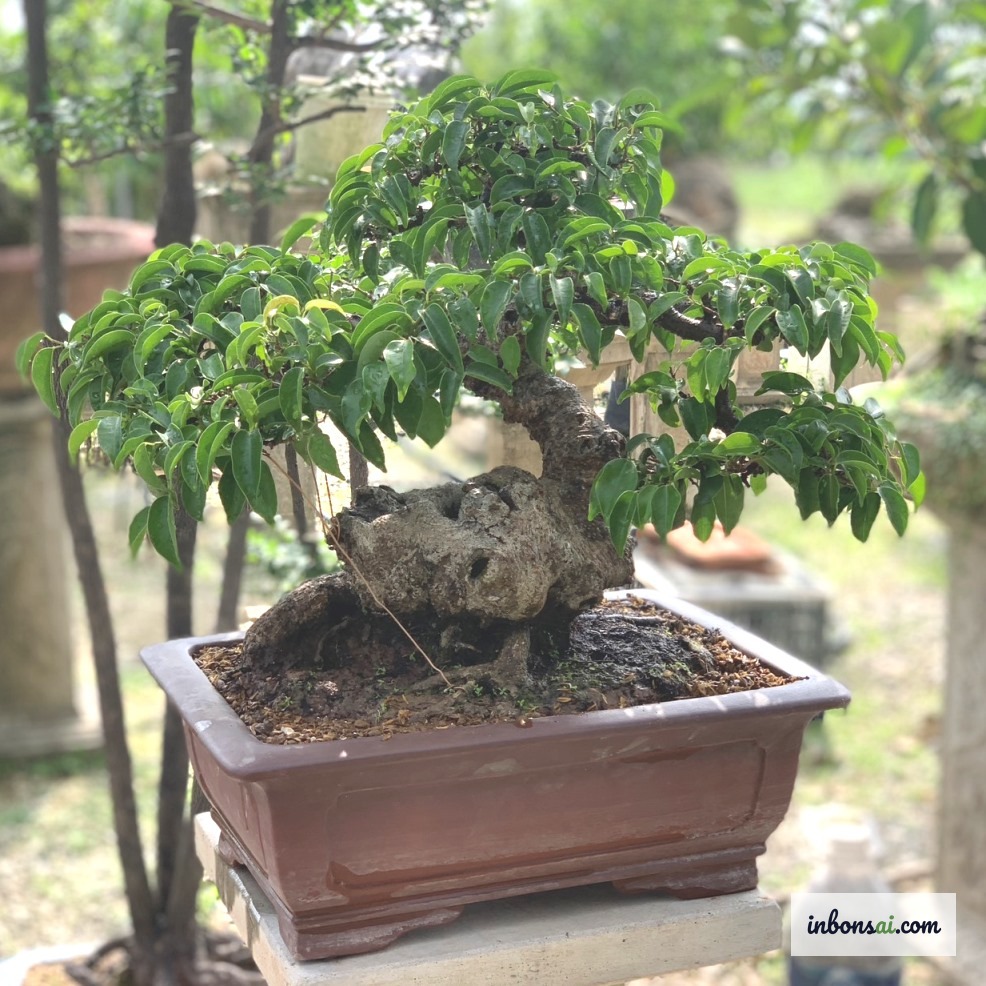
Despite its royal nickname, the ficus mini is not a demanding tree. With the right care routine, it can thrive for many years and actually grow more beautiful as time passes.
Watering: This is the most critical skill. The golden rule: water when the soil begins to dry — never on a fixed schedule. Check moisture by pressing your finger 2 cm into the soil — if dry, water thoroughly; if still moist, wait. When watering, drench the soil until water flows freely from the drainage hole, then discard the excess water from the tray. In summer, you may need to water every 2–3 days; in winter, perhaps every 5–7 days. Ficus also appreciates misting on the leaves to increase ambient humidity — especially helpful in air-conditioned rooms.
Light: Ficus needs light to photosynthesize and maintain its deep green leaf color. If the tree has been indoors for an extended period, periodically bring it outside to a sheltered spot on a balcony or patio on weekend mornings — even a few hours of natural light weekly makes a noticeable difference. If leaves begin to lighten in color and turn pale yellow, this indicates insufficient light.
Fertilizing: Apply organic slow-release pellets or diluted liquid fertilizer during the growing season (March through September), every 2–4 weeks. Use a balanced NPK fertilizer (such as 10-10-10) or a formulation specifically designed for bonsai. Never fertilize during winter, immediately after repotting, or when the tree shows signs of illness.
Repotting: Ficus mini needs repotting every 2–3 years once roots have filled the container. The best time is early spring before the tree enters its vigorous growth phase. When repotting, trim approximately one-third of the root mass and replace all the soil.
For more foundational care tips applicable across many bonsai species, see our guide to caring for bonsai mini at home.
Styling Ficus Bonsai Mini: Shaping Techniques
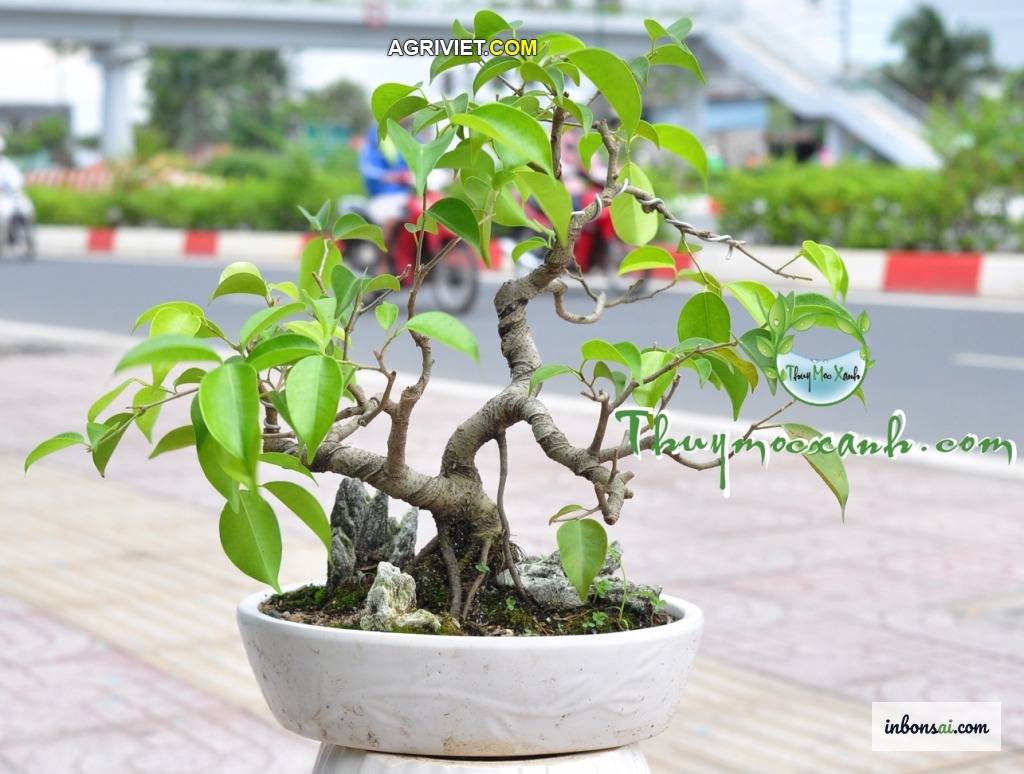
Styling is the heart of bonsai art — and with ficus mini, it is also the most enjoyable part of the journey. Ficus branches are supple and easy to bend when young but stiffen quickly as they mature.
Pruning: Pruning is the first and most important step. Use sharp, clean bonsai scissors (sterilized before use) to remove branches growing straight upward beyond the canopy, crossing branches, downward-growing branches, or any limbs that disrupt the overall balance. Cut just above a leaf node to encourage new growth from that point. Spring and early summer — when growth is most vigorous — are the ideal times for significant pruning.
Wiring: Wrap soft aluminum wire at a 45-degree angle along a branch, then gently bend the branch toward the desired position. Do not over-bend or rush the process — branches can snap. Monitor the branch after 4–6 weeks: once it has “memorized” its new shape, remove the wire immediately to prevent it from cutting into the bark and leaving scars. This is one of the most common mistakes beginners make — leaving wire on too long.
Developing aerial roots: This is ficus bonsai’s unique signature technique. To encourage aerial root development, regularly mist the trunk and branches. In humid conditions, ficus will naturally produce aerial roots from branches. When these roots reach the soil, secure them gently with a small pin or guide stake — over time they will develop into firm root columns.
Classic styles for ficus bonsai: The formal upright style (Chokkan) conveys authority; the slanting style (Shakan) expresses resilience in the face of adversity; the forest planting style (Yose-ue) with multiple trunks in one pot creates a miniature woodland scene; and the rock-over-roots style (Ishitsuki) — where roots grip a rock dramatically — is perhaps the most beautiful and distinctive expression of ficus character.
Common Problems and Solutions
Despite ficus being a resilient species, several issues can arise with improper care. Early recognition and prompt treatment are key to saving your tree.
Sudden mass leaf drop: The most common cause is abrupt environmental change — moving from a nursery to your home, from outdoors to indoors, or from bright light to dim conditions. Ficus is extremely sensitive to light and temperature shifts. Solution: place the tree in a stable location and avoid moving it for 2–4 weeks. New leaves will emerge once the tree acclimatizes.
Yellow leaves from overwatering: Consistently wet soil leads to root rot, yellowing, and leaf drop. Inspect the roots by gently lifting the tree — rotted roots appear black with an unpleasant odor. Treatment: remove rotted roots, allow the soil to partially dry out, then adjust your watering frequency.
Pest infestations: Ficus can develop mealybugs — white, cottony clusters at leaf bases and branch junctions. Treat by dabbing directly with 70% isopropyl alcohol or spraying diluted neem oil on a regular schedule. Red spider mites cause silvery, drying leaves — increase ambient humidity and spray water on the foliage regularly as prevention.
Aerial roots won’t develop: If you want to accelerate aerial root development, increase humidity by placing the tree inside a small greenhouse enclosure or wrapping the trunk and branches with moist sphagnum moss. Warm temperatures (25–30°C) and good light are the ideal conditions for vigorous aerial root growth.
For those just starting out, don’t miss our essential bonsai tools guide and beginner’s introduction to bonsai — two foundational resources that help you avoid costly beginner mistakes.
Conclusion
Ficus bonsai mini earns its title as the “king of bonsai” not just for its majestic appearance or rich feng shui symbolism, but for its remarkable adaptability — once past the initial acclimatization phase, a well-cared-for ficus mini becomes increasingly beautiful with each passing year.
Start with a small, affordable ficus mini. Learn to observe your tree, understand what it communicates through its leaves and roots, and gradually develop your styling skills. Bonsai doesn’t demand perfection from the start — it’s the patient companionship through each season that makes this art form so uniquely rewarding.
And when your ficus bonsai on the desk begins to grow its first aerial roots — that is the moment you know you truly understand your tree.
Related Posts
Ficus Bonsai Mini: Feng Shui Meaning and Care Guide
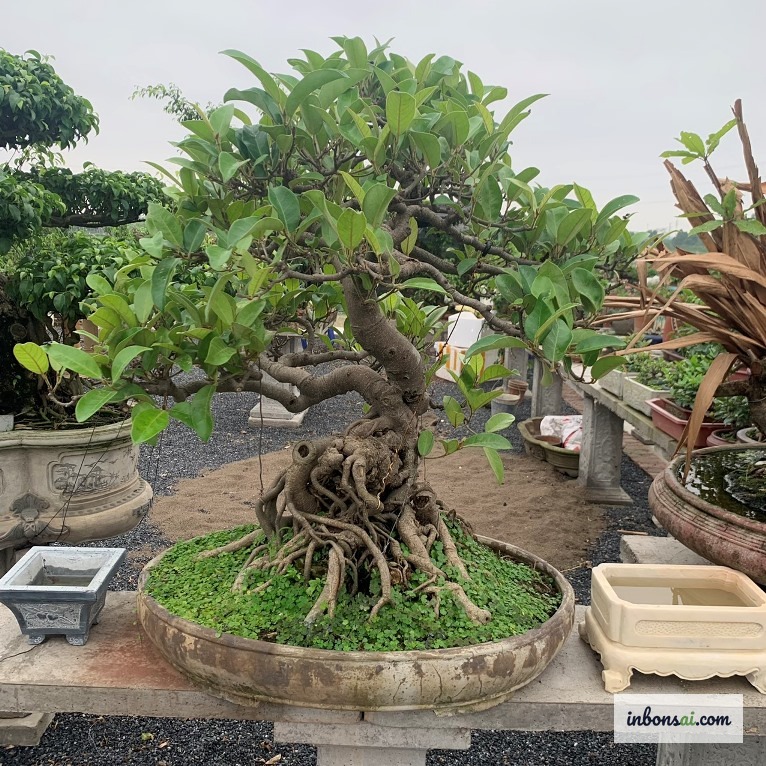
Banyan Bonsai Feng Shui: What Ages Does It Suit?
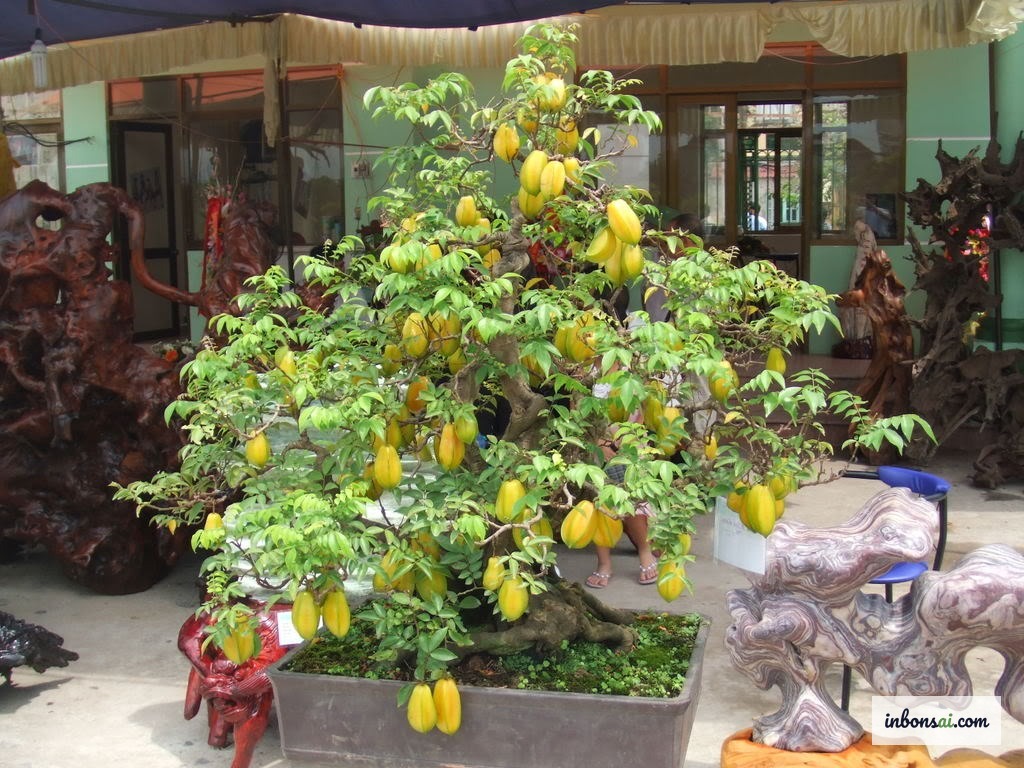
Starfruit Bonsai Mini: Feng Shui Meaning and Care Guide
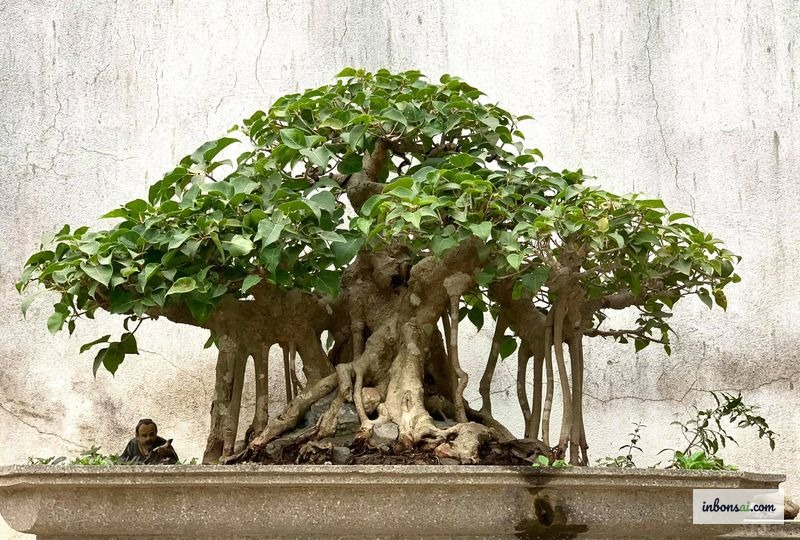
Ficus Religiosa Bonsai: Spiritual Meaning and Care Guide
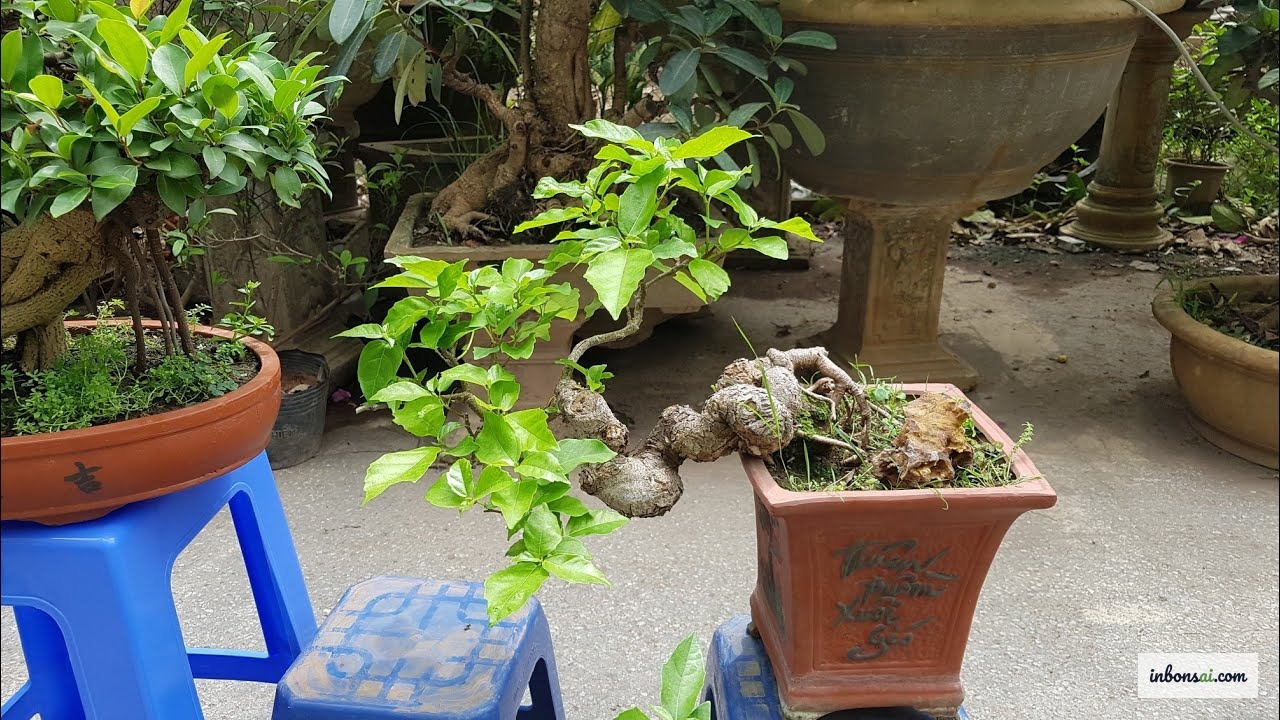
Ficus Racemosa Bonsai: Feng Shui Meaning & Care Guide
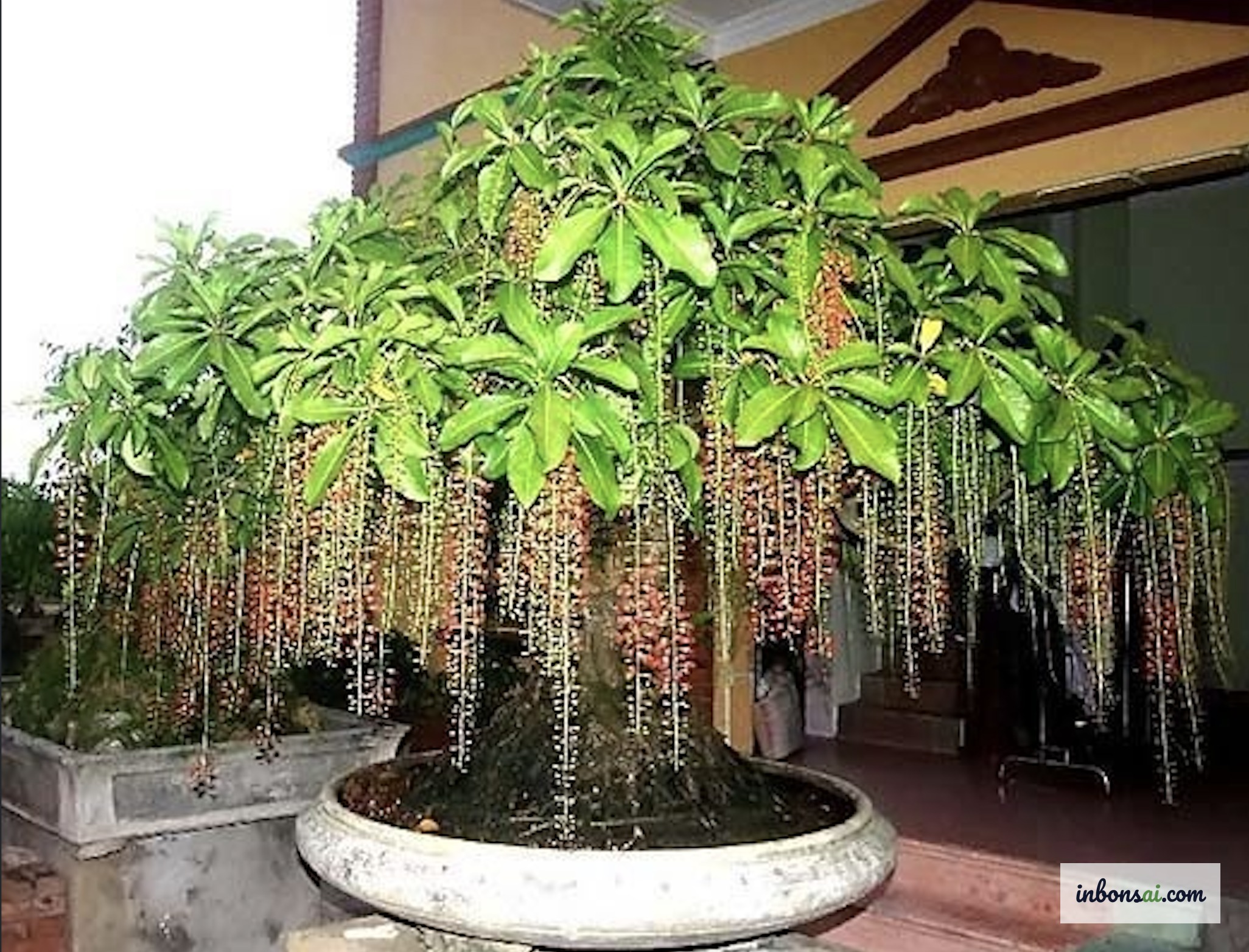
Loc Vung Bonsai: Feng Shui Meaning and Shaping Guide
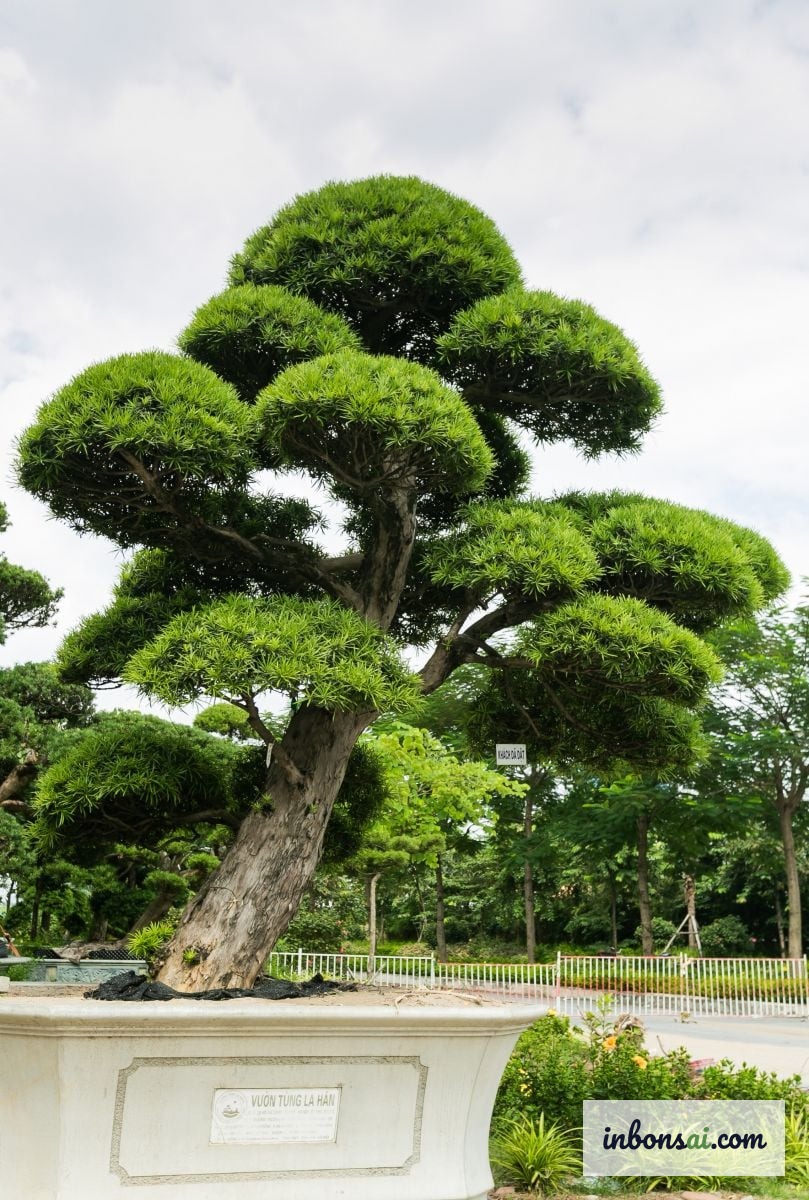
Podocarpus Bonsai Care Guide: Tips for Healthy Growth