Bougainvillea Bonsai Mini: Feng Shui Meaning & Care Guide

InBonsai Team
March 20, 2026 · 13 min read
In March 2026, Vietnam’s plant enthusiast community is buzzing with one name: bougainvillea bonsai mini. Major outlets including Soha, CafeF, and Afamily all simultaneously reported on the “bougainvillea bonsai mini craze” — a plant that combines year-round vibrant blooms with powerful feng shui yang energy. If you’re looking for a compact yet meaningful plant to decorate your home or desk, this guide will help you understand why bougainvillea bonsai mini is trending, how to choose the right flower color for your feng shui element, and how to care for it to keep blooms coming all year long.
What Is Bougainvillea Bonsai Mini And Why Is It Trending?
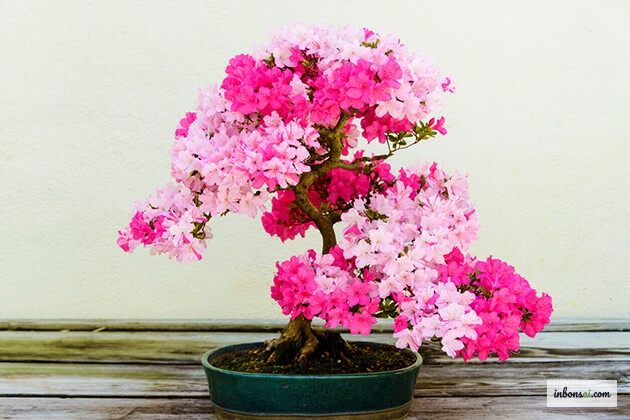
Bougainvillea (Bougainvillea spp.) is a thorny ornamental vine native to South America, belonging to the family Nyctaginaceae. The Vietnamese call it “hoa giấy” (paper flower) because its bracts — the colorful modified leaves surrounding the tiny white true flowers — are papery thin yet burst with vibrant color: deep red, purple, blazing orange, pale yellow, and pure white. These bracts, not the actual flowers, are what make bougainvillea so visually stunning.
The bougainvillea bonsai mini version — typically 20 to 45 cm tall — is created by miniaturizing and training mature bougainvillea plants into complete bonsai compositions. Their special appeal comes from a rare combination: ancient gnarled woody trunks with the character of traditional bonsai, yet covered in brilliantly colorful blooms that need no embellishment whatsoever.
The reason bougainvillea bonsai mini exploded in popularity in March 2026 is a confluence of three factors: practicality (small enough for city apartments), resilience (heat tolerant, disease resistant, beginner-friendly), and feng shui (considered a powerful source of yang energy in East Asian feng shui tradition). Very few bonsai species tick all three boxes simultaneously.
Feng Shui Meaning Of Bougainvillea Bonsai Mini
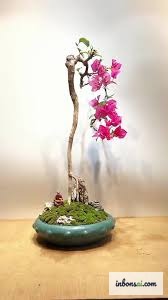
In feng shui, bougainvillea bonsai mini is rated as one of the strongest yang-energy plants available. The vibrant flower colors activate fire energy — particularly beneficial for dispelling stagnant or negative energy from living spaces. This is why traditional feng shui practitioners often recommend planting bougainvillea at the entrance or south-facing balcony to “invite auspicious energy into the home.”
Meaning by flower color:
- Red and deep purple: The color of fire chi — symbolizing passion, decisiveness, and attracting wealth and good fortune. Best for those with Earth destiny (Fire generates Earth) and Fire destiny (strengthening the natal element).
- Orange and golden orange: The warm color of Earth — symbolizing stability, abundance, and family harmony. Good for Metal destiny (Earth generates Metal) and Earth destiny.
- Pink and pale pink: The color of affection and reconciliation — attracting helpful people and improving relationships. Suitable for all destinies but especially beneficial for Wood destiny.
- White and pale yellow: Pure and calm — good for workspaces that need focus and clarity. Best for Metal and Water destiny.
Overall feng shui function: According to modern feng shui research, bougainvillea has a relatively high Bovis index (a measure of biological energy) compared to ordinary houseplants. Importantly, a plant currently in bloom is considered to be radiating peak energy — which is why feng shui experts recommend buying plants that are blooming or about to bloom. You can learn more about choosing feng shui bonsai to match your age and element to integrate bougainvillea bonsai mini in harmony with your home’s overall feng shui.
How To Choose A Beautiful Bougainvillea Bonsai Mini
The market for bougainvillea bonsai mini is now very diverse — from simple pots sold at plant markets for a few hundred thousand dong to professional artistic bonsai pieces worth several million. Knowing how to evaluate quality will save you from buying poor specimens.
Choose color by destiny: As analyzed above, each flower color suits a different feng shui destiny. Beyond feng shui, choose a color you genuinely love — plants bloom most beautifully when their caretakers feel positive emotions toward them.
Evaluate the trunk and roots: A beautiful bougainvillea bonsai needs an aged-looking woody trunk with naturally textured, rough bark (not smooth or green). The base roots should spread stably on the soil surface. Natural taper (thick at the base, gradually thinner toward the top) indicates a well-trained specimen. Avoid plants with still-smooth trunks — they are recently started and lack aesthetic value.
Check the canopy structure: The canopy should spread evenly, balanced from multiple viewing angles. At least 3–5 primary branches creating a solid basic framework. Beautiful bonsai look good from all sides — always examine the plant from multiple angles before buying.
Assess plant health: Glossy green leaves with no yellow or brown spots. No mealybugs (cottony white clusters) at leaf axils or on the underside of leaves. Soil in the pot should not be overly wet or smell sour — both signal problems with watering or drainage.
Pricing: A beautiful bougainvillea bonsai mini with 3–5 years of training typically costs 500,000 – 3,000,000 VND. Long-established artistic bonsai can reach 10–30 million. If you’re just starting out, choose a mid-range plant, prioritizing one with buds or flowers already present so you can immediately enjoy its beauty.
Where To Place Bougainvillea Bonsai Mini For Good Feng Shui
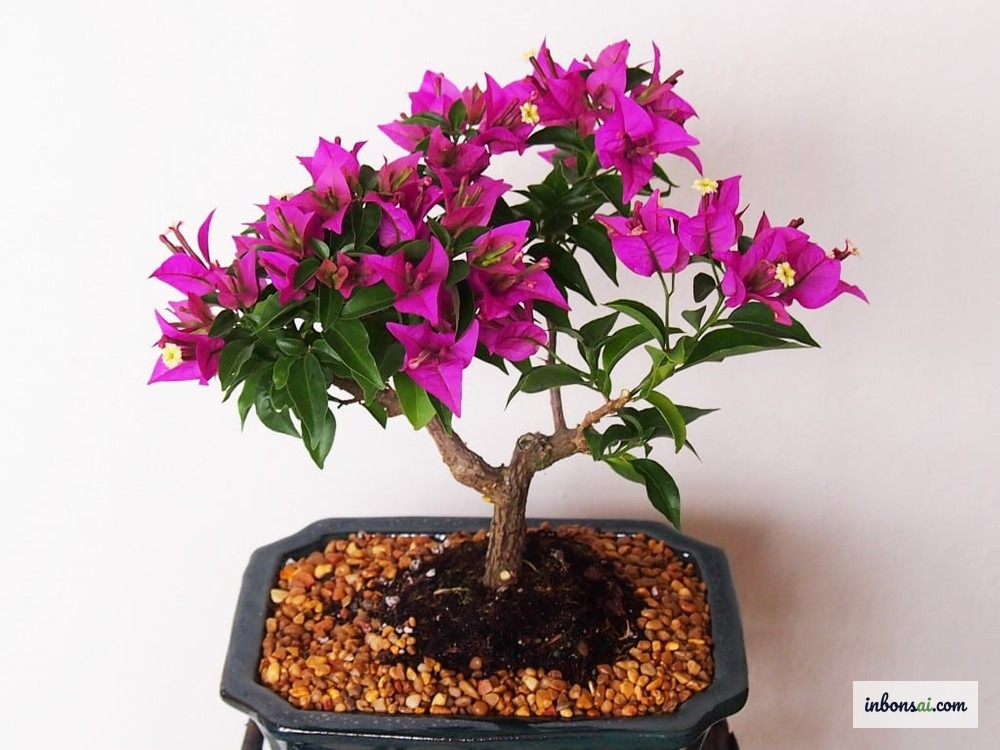
One of bougainvillea bonsai mini’s key advantages over traditional bonsai is its flexibility of placement — the plant tolerates both strong outdoor sunlight and indirect indoor light, as long as it receives sufficient minimum light.
Best positions according to feng shui:
- South-facing balcony or window: The ideal position. South is the direction of Fire energy in the Five Elements — placing bougainvillea (which also carries Fire energy through its vibrant colors) here creates a resonance of positive energy, drawing auspicious chi from outside into the home.
- Living room, Southeast corner: The Southeast sector in feng shui relates to wealth and prosperity. Placing red or orange bougainvillea bonsai mini here enhances the energy of wealth attraction.
- Entrance or front door: Bougainvillea here acts as an “opener” — attracting good things from outside while blocking negative energy.
- Work desk: For desk placement, prefer white or pale pink colors — avoid deep red, which is overly stimulating and may reduce concentration. You can also explore feng shui desk bonsai for attracting wealth to compare other options.
Positions to avoid:
- Bedroom: Plants with heavy flowering have strong energy, unsuitable for spaces needing quiet rest.
- Kitchen: Temperature and humidity fluctuate too much.
- Dark corners with no natural light: Bougainvillea won’t bloom without adequate light — and a non-blooming bonsai loses nearly all its appeal.
How To Plant Bougainvillea Bonsai Mini At Home
If you want to create your own bougainvillea bonsai mini from cuttings rather than buying a finished piece, here’s what you need to know to start correctly.
Choosing and preparing cuttings: Bougainvillea propagates easily from stem cuttings. Cut a 15–20 cm section of mature stem, remove the lower leaves, dip in rooting hormone (indole-3-butyric acid — IBA), then insert into moist sandy soil. Keep moist and out of direct sun for 4–6 weeks until roots form. From a cutting to a complete mini bonsai typically takes 3–5 years — but the process is deeply rewarding.
Ideal soil mix: Bougainvillea needs very well-draining soil — they genuinely dislike water-retentive soil. Best mix: 50% commercial bonsai soil (or crushed fired clay), 30% coarse sand or perlite, 20% well-composted organic matter. Never use garden soil — it drains poorly and often harbors fungal diseases.
Choosing a pot: Shallow and wide ceramic pots suit bougainvillea bonsai best — the plant has a shallow, spreading root system. Pot color should contrast or complement the flower color: traditional brown terracotta beautifully highlights red and purple flowers; white or blue pots complement pink and orange flowers. Drainage holes at the bottom are absolutely essential.
Planting and acclimatization: After planting in a new pot, keep the plant in a cool, sheltered spot away from direct sun for 1–2 weeks. During this period the plant needs to focus energy on root establishment — don’t fertilize and limit watering. Once the plant shows signs of recovery (leaves return to green, new shoots emerge), gradually move it to a sunnier position.
How To Care For Bougainvillea Bonsai Mini For Year-Round Blooms
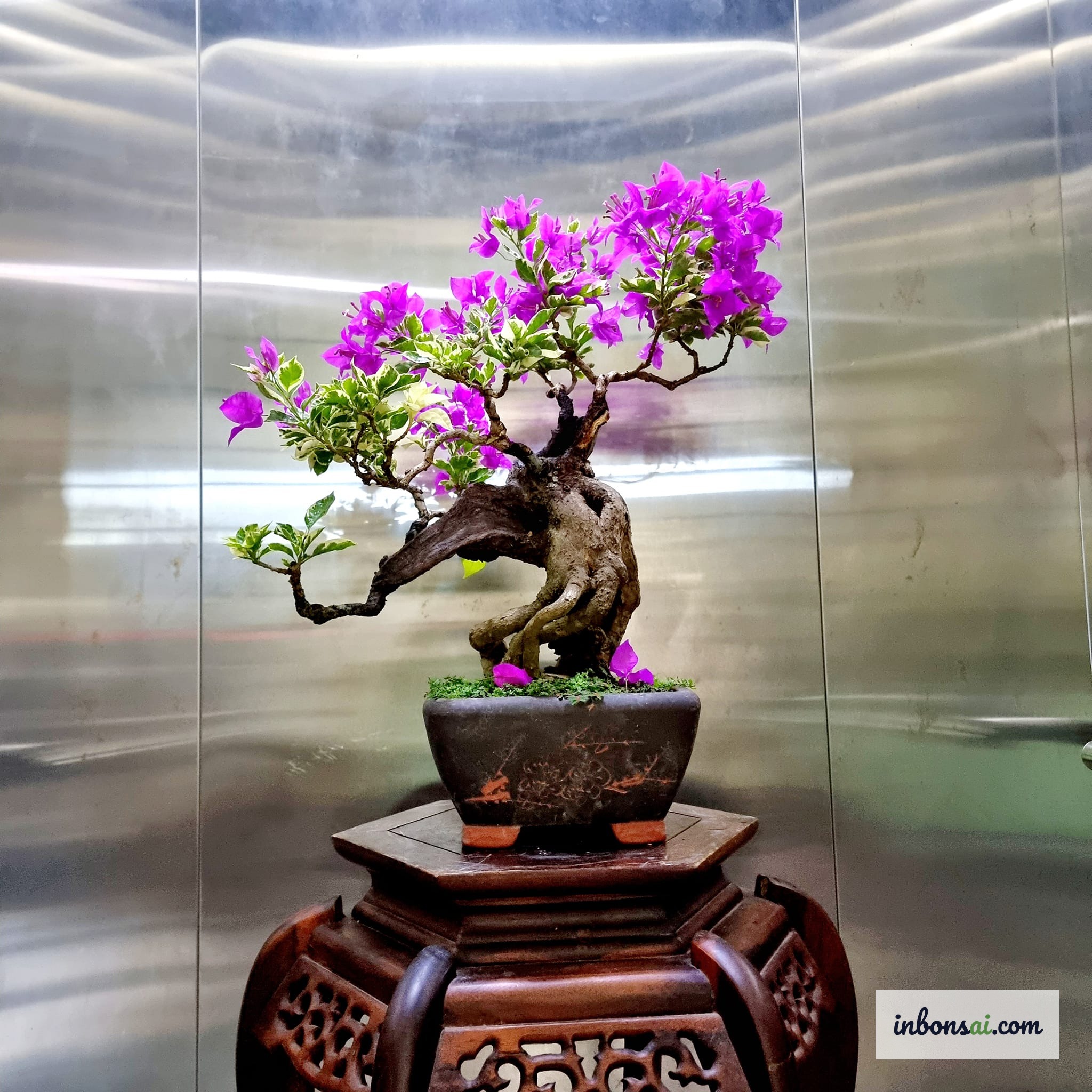
Correct care is the secret to keeping your bougainvillea bonsai mini blooming continuously and brilliantly year-round, rather than only a few times before fading. The key difference from most other bonsai: bougainvillea actually enjoys being slightly stressed — and this is the secret to triggering flowering.
Light — the decisive factor: Bougainvillea is a “child of the sun.” The plant needs at least 4–6 hours of direct sunlight daily to bloom. If kept indoors, take it to the balcony or veranda in the morning and midday. A plant with insufficient light will survive but not bloom — all fertilizing effort is wasted without adequate light.
Water using the “dry before watering” principle: Unlike many other bonsai that need consistently moist soil, bougainvillea needs the soil to dry out completely between waterings — even wilting slightly. This mild “drought stress” triggers bud formation. When watering, water thoroughly until water flows from the drainage hole. In hot summer: water every 2–4 days depending on weather; in cool seasons: every 7–10 days. Never leave water standing in the saucer for more than 30 minutes.
Smart fertilizing: Use high-potassium (K) fertilizer during the flowering stimulation phase — such as NPK ratio 6-30-30 or a specialist flowering plant fertilizer. Potassium enhances flowering and deepens flower color. Apply every 2–3 weeks during active growth (March through September). Reduce or stop fertilizing when the plant is at peak bloom — during this phase the plant needs energy to maintain flowers, not to stimulate growth.
“Forcing” flowering technique: Want the plant to bloom all at once for a special occasion (New Year, birthday, grand opening)? Stop watering completely for 10–14 days until leaves begin to wilt slightly and drop. Then water thoroughly again and apply high-potassium fertilizer — within 2–3 weeks the plant will burst into simultaneous vibrant bloom.
Bougainvillea Bonsai Shaping Techniques
Training is the core art of bonsai — and with bougainvillea mini, it’s also the most enjoyable process. Bougainvillea has flexible branches that are very easy to wire when young, but harden quickly as branches age.
Pruning to establish the framework: After each flowering flush fades, cut back the branches that have bloomed to 2–3 leaf nodes. This simultaneously stimulates new branch growth and keeps the canopy compact to maintain the bonsai silhouette. Use sharp, sterilized bonsai scissors — clean cuts help the plant recover quickly and reduce the risk of fungal disease.
Wire training: Wrap soft aluminum wire at a 45-degree angle around young branches (under 1 cm diameter), then gently bend them in the desired direction. Bougainvillea has milky sap — when cutting or bending branches, white sap may emerge; this isn’t a concern if the wound is clean. Monitor branches and remove wire after 6–8 weeks to prevent the wire from cutting into the bark.
Popular styles: Formal upright (Chokkan) creates a dignified, formal look suited to offices; slanting (Shakan) expresses dynamism and upward striving; cascade (Kengai) with drooping flowering branches creates dramatic visual impact — particularly popular with bougainvillea since the flowers naturally tend to hang downward. For beginners, check out the mini bonsai home care guide to master fundamentals before attempting complex shaping techniques.
Creating nebari (surface roots): To develop the characteristic exposed root base of bonsai, when repotting, raise the plant slightly higher than its previous soil level to expose more roots above the surface. Combined with cutting back small roots while preserving large ones that spread evenly — over a few years, the surface root base will gradually develop and significantly increase the work’s aesthetic value.
Common Mistakes When Growing Bougainvillea Bonsai Mini
Many beginners fail with bougainvillea bonsai mini not because the plant is difficult, but because they apply the wrong care principles from ordinary houseplants. Here are the most common mistakes and how to avoid them.
Overwatering: This is the number one cause of bougainvillea bonsai death. Continuously moist soil causes root rot — rotted roots cannot absorb water or nutrients no matter how much you water. Signs: leaves yellow, go soft, and fall heavily even though the soil is still wet. Solution: stop watering immediately, carefully remove the plant from the pot, cut off rotted roots, let the soil dry, then adjust the watering frequency.
Placing in a dark room: Bougainvillea without enough light will stop blooming and gradually decline. Many people buy the plant and place it in the middle of an attractive living room far from windows — this is a serious mistake. If natural light near a window isn’t possible, use LED grow lights for 12–14 hours per day.
Not pruning after flowers fade: Skipping post-bloom pruning causes the plant to direct energy into maintaining old branches incapable of new flowering. The result is sparse, smaller blooms in subsequent cycles. Pruning immediately after flowers fade is the single most important habit for maintaining the plant’s flowering capacity.
Applying nitrogen-heavy fertilizer during the flowering season: Nitrogen (N) fertilizer stimulates leaf and branch growth — but if used heavily when the plant is flowering, the plant will “forget” to flower and focus on leaf production. Switch to high-potassium and phosphorus (P) fertilizer when stimulating flowering, and temporarily stop fertilizing when flowers are already in bloom.
Not repotting regularly: Bougainvillea bonsai mini needs repotting every 2–3 years when roots have filled the pot. Root-bound plants become stunted, reduce their flowering capacity, and become disease-prone. The best time to repot is early spring, when the plant has just come through its winter rest period and is entering its new growth phase.
Conclusion
Bougainvillea bonsai mini is worthy of its “March 2026 sensation” status — not because of a passing trend but because of its genuine value: year-round brilliant beauty, powerful feng shui yang energy, and resilient constitution suitable for beginners and experienced growers alike. The most important things are choosing the right flower color for your feng shui destiny, placing it where it receives adequate light, and remembering the golden rule: let the soil dry before watering.
Start with one small bougainvillea bonsai mini, observe how the plant responds to light and water, then gradually learn more about shaping techniques and bloom-forcing. When your bonsai pot explodes with a forest of brilliant flowers after every pruning session — that’s the moment you understand why bougainvillea bonsai mini has won the hearts of Vietnam’s plant-loving community.
Related Posts
Bougainvillea Bonsai Mini: Feng Shui Meaning & Care Guide
Starfruit Bonsai Mini: Feng Shui Meaning and Care Guide
Ficus Racemosa Bonsai: Feng Shui Meaning & Care Guide
Ficus Religiosa Bonsai: Spiritual Meaning and Care Guide
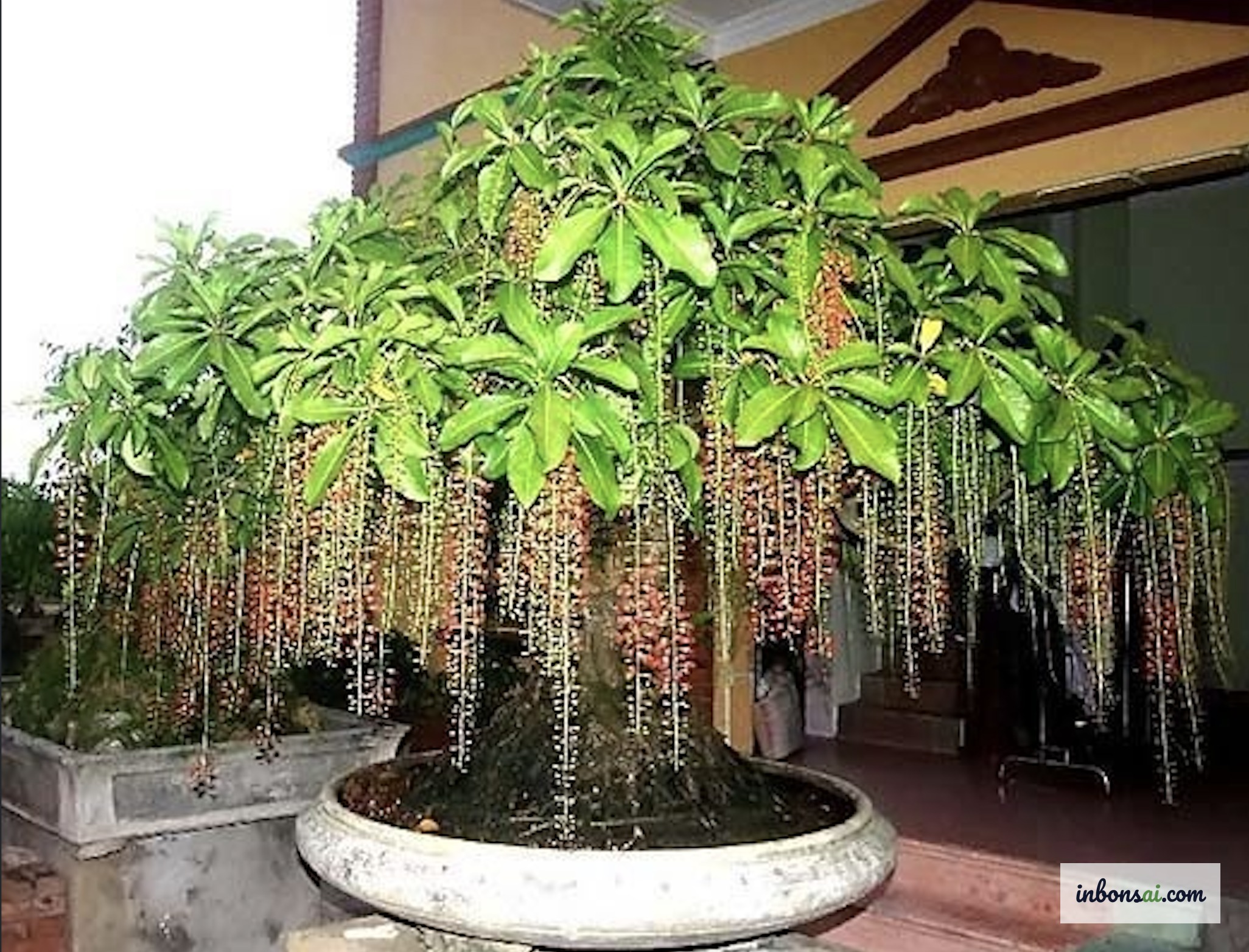
Loc Vung Bonsai: Feng Shui Meaning and Shaping Guide
Ficus Benjamina Mini Bonsai for Your Desk: Care Guide
Ficus Bonsai Mini: Feng Shui Meaning and Care Guide