Banyan Bonsai Feng Shui: What Ages Does It Suit?

InBonsai Team
April 11, 2026 · 9 min read
Banyan bonsai is increasingly popular in Vietnamese homes — not only for its ancient, majestic beauty with hanging aerial roots, but also for the powerful feng shui energy this tree species carries. Which birth years does banyan bonsai suit? Where should you place it to best attract wealth and luck? This article answers all those questions, along with detailed guidance on selecting and caring for your banyan bonsai.
What Is Banyan Bonsai? Key Characteristics
The banyan tree (Ficus benghalensis or Ficus virens) is one of the most sacred large trees in East Asian culture. In Vietnam, the banyan is closely associated with village life, pagodas, and ancient trees that have stood for centuries. When miniaturized as bonsai, the banyan retains that grandeur in a compact pot, suitable for indoor or office display.
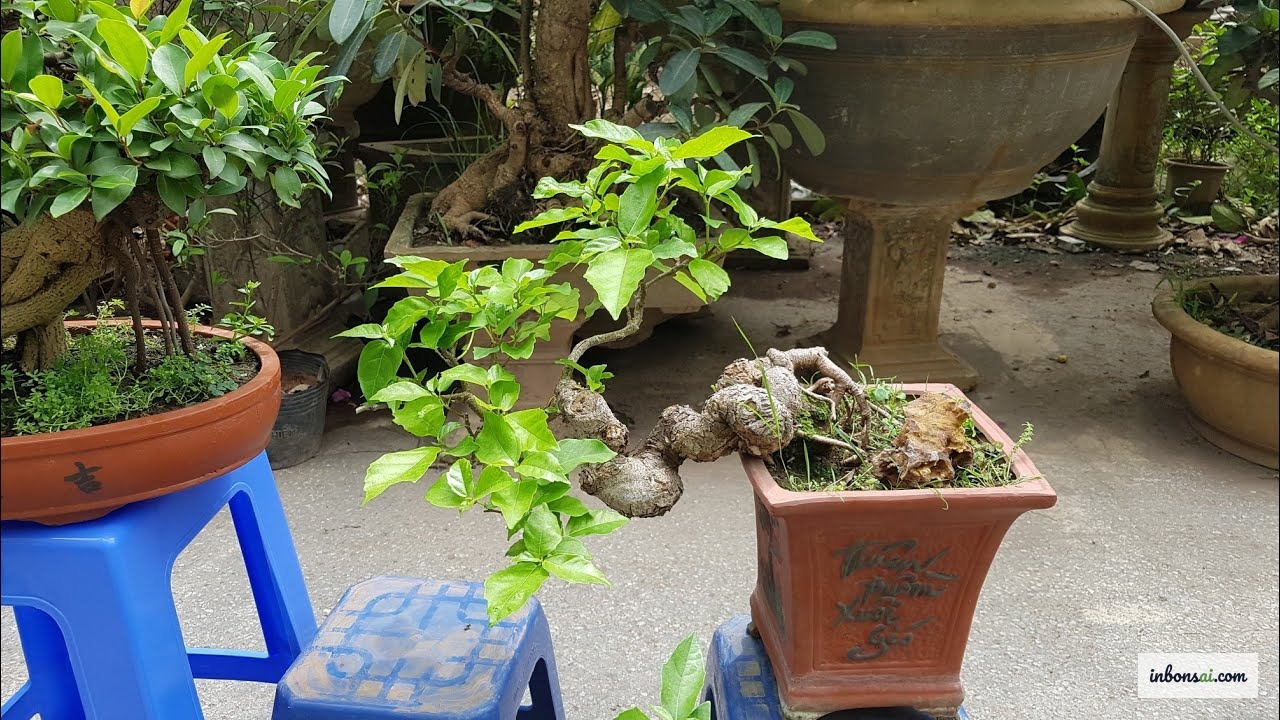
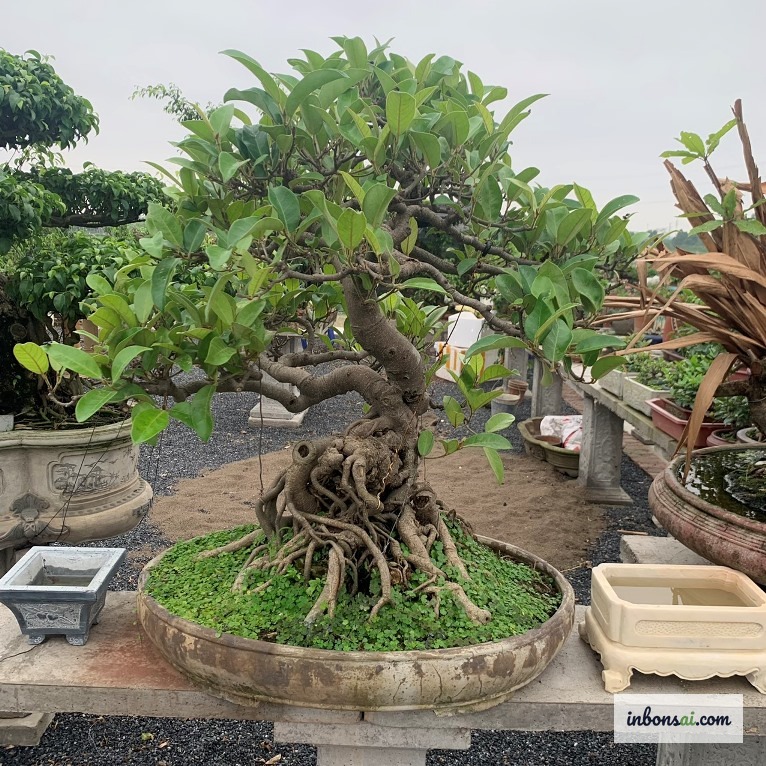
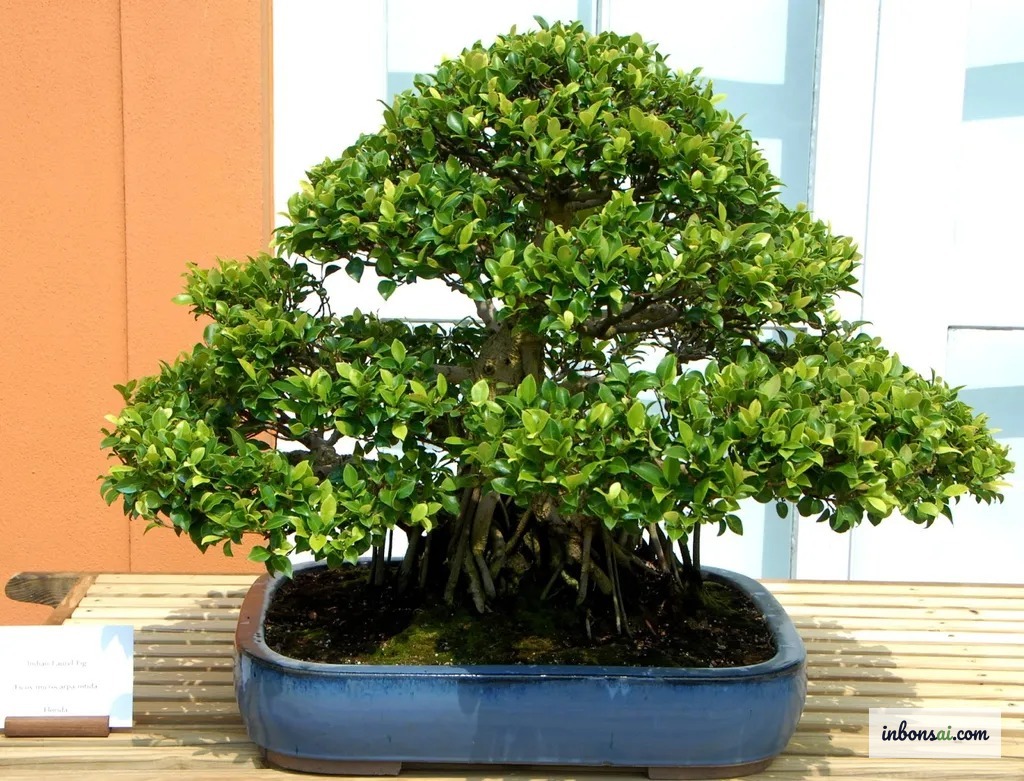
The most distinctive feature of banyan bonsai is its aerial roots — thin root filaments that hang from branches down toward the soil, creating a mysterious beauty reminiscent of ancient forest trees. Over time, these roots thicken and fuse with the trunk, creating a unique bonsai form that no other species can match. Banyan leaves are small, thick, and deep glossy green, perfectly suited for complex multi-branch bonsai styling.
Unlike the Chinese banyan (Ficus microcarpa) or creeping fig (Ficus pumila), the true banyan develops aerial roots more vigorously, creating that characteristic “sacred tree” appearance. This is why banyan bonsai is increasingly sought after in the ornamental plant and feng shui market.
Feng Shui Meaning of Banyan Bonsai
In feng shui, the banyan tree belongs to the Wood element — the element of growth, development, and longevity. The aerial roots hanging downward symbolize the connection between heaven and earth, drawing positive energy from the air and channeling it into the ground. This is why ancestors planted banyan trees in front of village communal halls, believing they would attract auspicious energy and protect the community from negative forces.
When miniaturized as bonsai and placed indoors, the banyan carries important feng shui meanings:
- Longevity and health: The banyan’s thousand-year lifespan symbolizes lasting vitality, making it an ideal gift for elders
- Peace and stability: The solid root system represents a firm family foundation
- Wealth attraction: Lush foliage symbolizes prosperity and abundance
- Neutralizing negative energy: The banyan’s strong yang energy helps balance spaces with sharp corners or angles
Additionally, in many Chinese feng shui texts, the banyan (and the Ficus family generally) is classified as a “wealth-attracting” tree — drawing financial opportunities and career advancement. This explains why many business owners prefer banyan bonsai in their offices.
Banyan Bonsai Feng Shui: Which Birth Years Does It Suit?
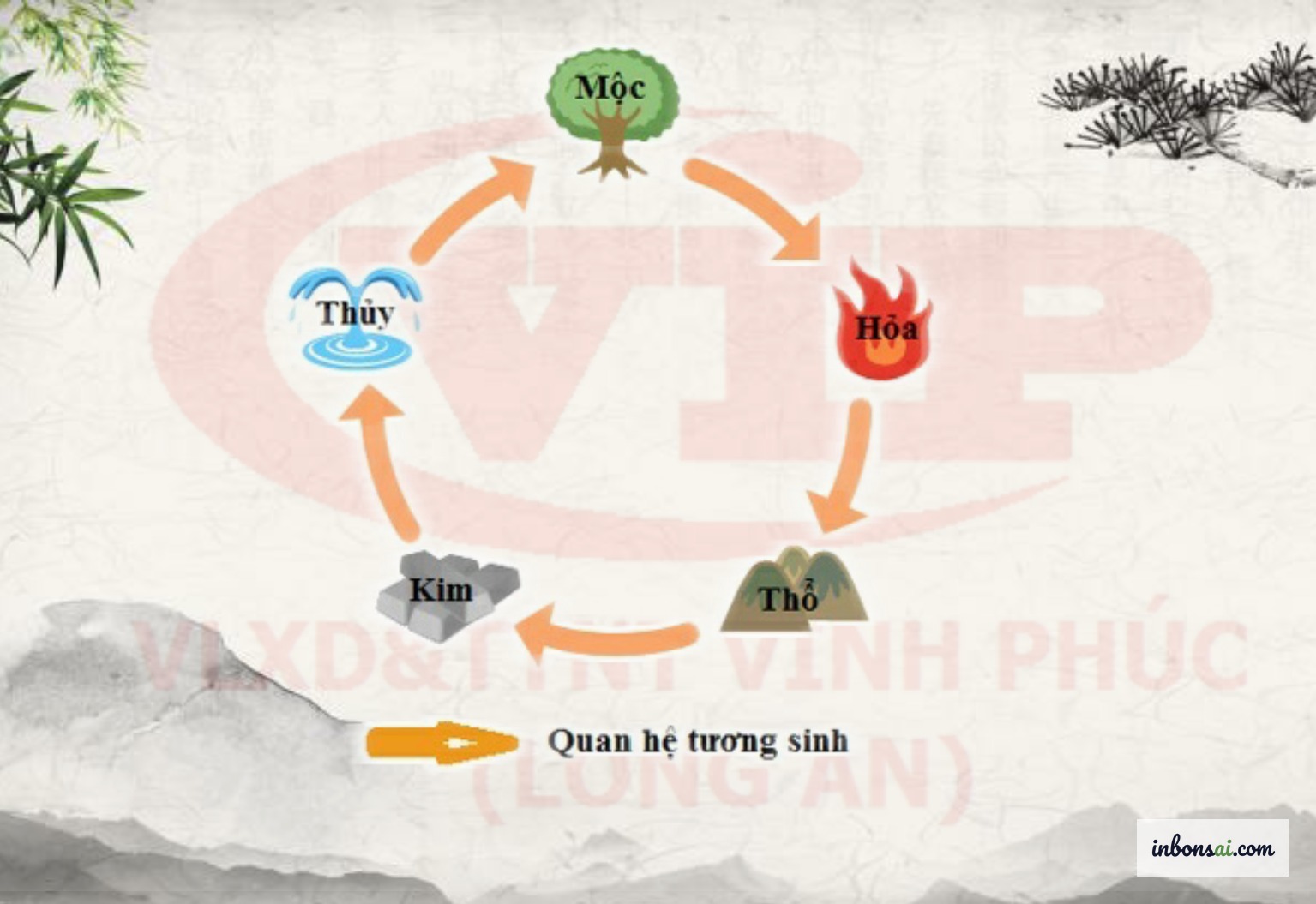
Since banyan bonsai belongs to the Wood element, determining “which ages it suits” follows the five elements interaction rules. Here is a detailed analysis:
Most Compatible Birth Years
Water element (born in years ending in 2 or 3): Water feeds Wood — people with a Water destiny benefit most from banyan bonsai, as the tree amplifies their wealth and health energy. This is the ideal combination.
Wood element (born in years ending in 4 or 5): Same element — banyan and Wood-destiny people share the same element, reinforcing the Wood energy for the homeowner. Suitable for strengthening health and career.
Neutral Compatibility (can grow, pay attention to placement)
Fire element (born in years ending in 6 or 7): Wood feeds Fire — Fire-destiny people are “nourished” by the banyan, but should place the tree in the South direction to optimize energy flow.
Earth element (born in years ending in 8 or 9): Wood controls Earth — not an ideal combination, but not strictly forbidden. Earth-destiny people should choose a smaller banyan bonsai and keep it away from the bedroom area.
Birth Years Requiring Caution
Metal element (born in years ending in 0 or 1): Metal controls Wood — this is a clashing interaction in the five elements. Metal-destiny people should avoid placing banyan bonsai in the bedroom or wealth corner. Instead, a shared living room area is acceptable.
You can learn more in the article Feng Shui Bonsai by Birth Year: Choosing the Right Tree for Your Element for a comprehensive guide on selecting trees by birth year and five-element destiny.
Where to Place Banyan Bonsai in Your Home?
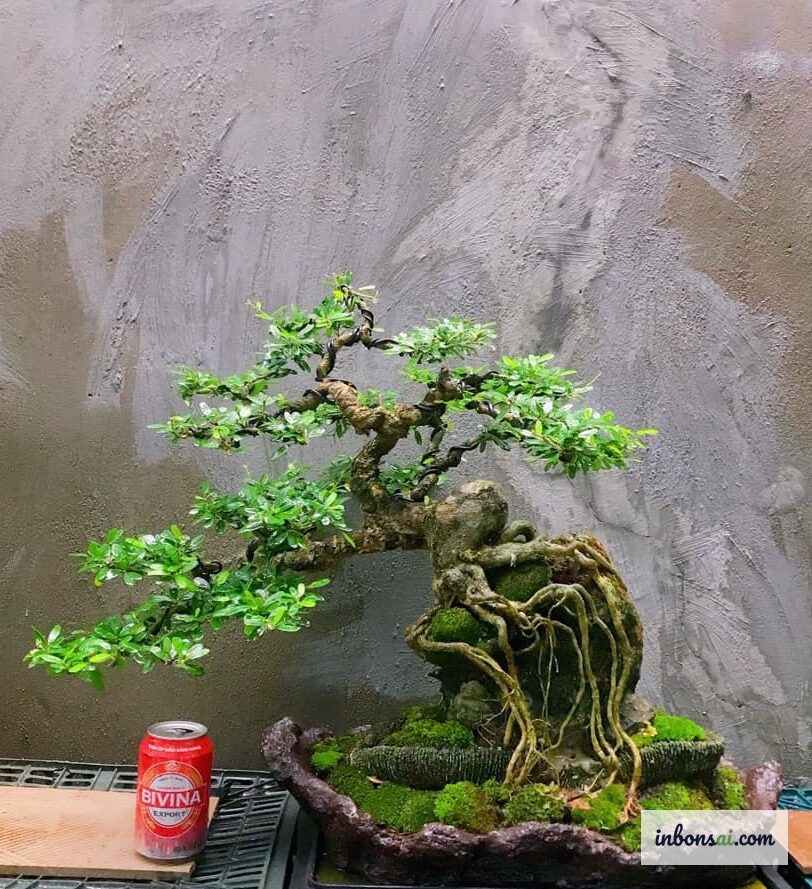
Placement is just as important as choosing the right tree for your birth year. Feng shui experts recommend these key principles:
Ideal Positions
- Living room, near the main entrance: Placing banyan bonsai within view of the front door helps draw in positive energy from outside. Avoid placing it directly in line with the door (energy rush) — position it slightly to the side.
- Northeast corner (Gen sector): This direction represents knowledge and learning, suitable for banyan bonsai to activate academic and career energy.
- East or Southeast direction: The direction of the rising sun aligns with the banyan’s Wood element. The tree thrives and brings yang energy to the space.
- Work desk or office: A small banyan bonsai on the desk activates career luck and creative thinking.
Positions to Avoid
- Bedroom: Large plants in the bedroom can generate yin energy at night, causing poor sleep. If desired, choose a small plant placed at least 1.5 meters from the bed.
- Bathroom: This area carries impure energy, unsuitable for a sacred tree like the banyan.
- Near strong electronic appliances: TVs, refrigerators, and microwave ovens generate heat that affects the tree’s vitality.
Most importantly, the tree must receive at least 4-6 hours of natural light daily. A thriving banyan bonsai naturally brings positive energy — a struggling, leaf-dropping tree diminishes rather than enhances feng shui energy.
How to Choose a High-Quality Banyan Bonsai
When buying banyan bonsai, many people don’t know the evaluation criteria and may end up with poor-quality specimens. Here are the key points to check:
Root system: Many strong aerial roots indicate a healthy, mature tree. Surface roots (nebari) that spread evenly create a stable, visually balanced stance.
Trunk: A thick trunk with naturally fissured bark indicates age. Avoid trees with smooth, slender trunks — these are often young grafted specimens.
Foliage: Small, deep glossy green leaves distributed evenly across branches. If leaves are large, pale, or yellowing, the tree is under stress.
Pot: Feng shui pots for banyan bonsai should be earth brown, green, or moss green — colors that support the Wood element. Avoid white or silver pots (Metal element controls Wood) if feng shui is important to you.
You can also refer to the article on Chinese Banyan Bonsai Mini: Feng Shui Meaning and Care for additional comparison points when making your selection.
Banyan Bonsai Care Guide at Home
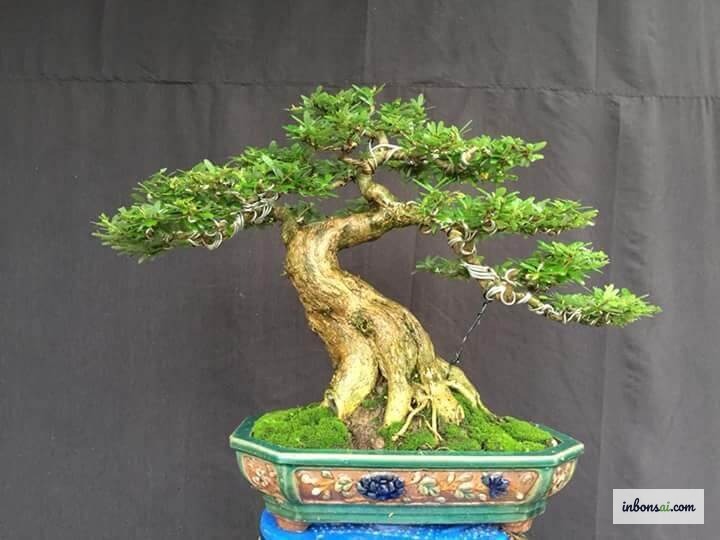
Banyan bonsai is relatively easy to care for compared to many other bonsai species, but some principles must be followed to keep it thriving and maximizing its feng shui potential:
Light
Banyan trees prefer indirect or filtered light — place them near a window with a sheer curtain or in diffused light. If kept outdoors, avoid direct midday sun which can scorch leaves. In summer, use a 30-50% shade net when on a balcony.
Watering
The key principle for watering banyan bonsai is checking soil moisture before watering, not following a fixed schedule. Press your finger 2cm into the soil — if still moist, hold off; if dry, water thoroughly until water flows from the drainage holes. In hot weather, water once or twice daily; in cool weather, every 2-3 days.
Fertilizing
Apply balanced NPK fertilizer (10-10-10 or 20-20-20) every 2 weeks during the growing season (March-September). In winter, reduce to once a month. Supplement with organic fertilizer (worm castings, well-composted manure) every 3 months to improve soil structure and beneficial microorganisms.
Pruning
Regular light pruning maintains shape. Remove inward-growing branches or vigorous shoots that disrupt the canopy form. To encourage aerial root development, mist the branches and roots daily to increase air humidity.
Repotting
Repot every 2-3 years, ideally in early spring (February-March). This is when the tree enters its strong growth season, making recovery after root trimming easier. Use well-draining bonsai soil — suggested ratio: 40% akadama + 30% pumice + 30% fine garden soil. If you’re new to bonsai fundamentals, read Getting Started with Bonsai: A Beginner’s Guide first.
Common Problems and Solutions
Despite being relatively easy-going, banyan bonsai can face some common issues:
Sudden leaf drop: Usually caused by sudden environmental changes (moving from outdoors to indoors, lighting changes) or overwatering. This is a normal response — the tree will produce new leaves within 1-2 weeks if conditions are right. Don’t panic and add more water or fertilizer.
Gradual yellowing and leaf drop: If leaves yellow from bottom to top with wet soil — a sign of root rot. Reduce watering and check the pot’s drainage holes. If leaves yellow with dry soil — insufficient water or nutrients; water adequately and fertilize.
Mealybugs and spider mites: Appear when air humidity is low, especially in indoor environments without regular misting. Treat by spraying water forcefully to wash off pests, then apply neem oil diluted at 2ml/liter, spraying evenly over the plant. Repeat after 7 days.
Aerial roots not developing: This is not a disease — aerial roots need high air humidity (>60%) to form. If kept in a dry air-conditioned room, use a pebble tray with water under the pot, or mist branches lightly each morning to stimulate root development.
Banyan bonsai is more than just a beautiful art piece — it’s a companion bringing powerful feng shui energy into your living space. With this complete guide on which birth years banyan bonsai feng shui suits best, we hope you’ll find the right tree and know how to care for it, bringing lasting positive energy to your home.
Related Posts
Banyan Bonsai Feng Shui: What Ages Does It Suit?
Ficus Bonsai Mini: Feng Shui Meaning and Care Guide
Ficus Benjamina Mini Bonsai for Your Desk: Care Guide
Starfruit Bonsai Mini: Feng Shui Meaning and Care Guide
Syzygium Myrtifolium: Feng Shui Meaning Explained
Cycas Bonsai Feng Shui: Meaning and Care Guide
Ficus Religiosa Bonsai: Spiritual Meaning and Care Guide