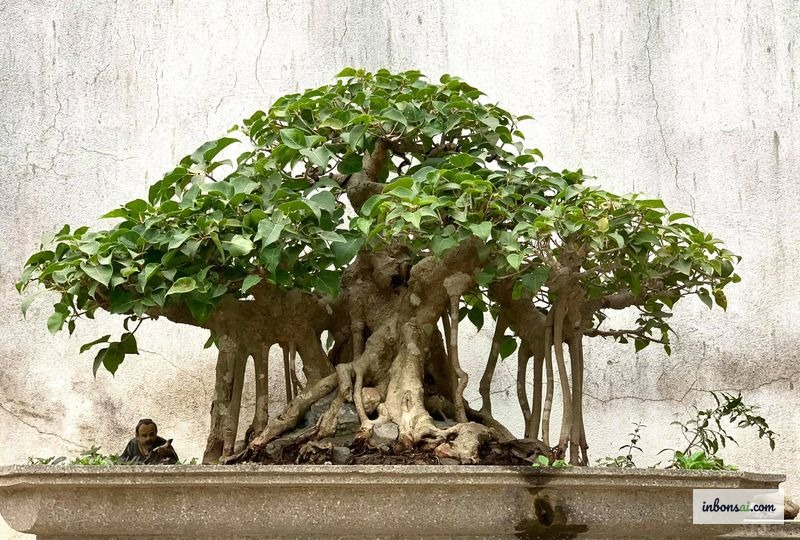
Murraya Bonsai: Complete Growing and Care Guide

InBonsai Team
March 29, 2026 · 10 min read
In the world of Vietnamese bonsai, Murraya paniculata bonsai (known locally as “nguyệt quế”) holds a special place that few species can match — not only for its graceful form and year-round glossy small leaves, but for the unexpected clouds of fragrant white blossoms that perfume the night air. Many long-time bonsai enthusiasts call it the “night companion” — every time the flowers open, the surrounding space is wrapped in an unforgettable sweet fragrance. This guide will walk you through how to grow and care for Murraya bonsai in detail from A to Z, suitable for both beginners and those looking to sharpen their skills.
What Is Murraya Paniculata Bonsai?
Murraya paniculata, commonly known as orange jasmine or mock orange, belongs to the Rutaceae family (citrus family). It is a tropical species native to Southeast Asia, southern China, and India — climatic conditions very similar to Vietnam, which is why the tree thrives exceptionally well in the region. In the wild, Murraya can grow 3–7 meters tall, but when container-grown and styled as bonsai, it retains all its distinctive characteristics in miniature form.
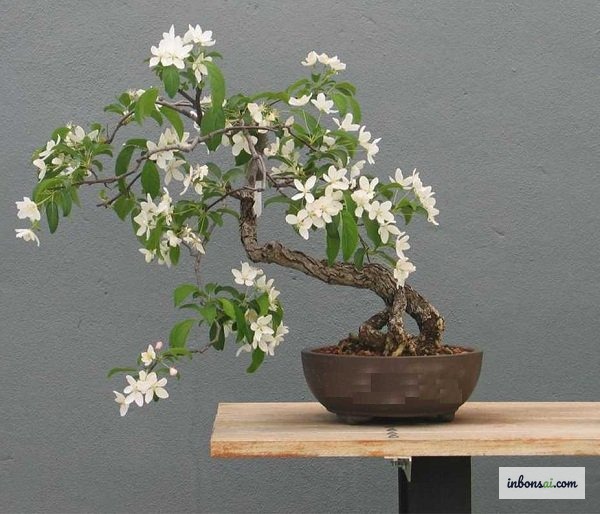
The easiest identifying feature of Murraya is its foliage: pinnate compound leaves, each leaflet small and egg-shaped with a glossy dark-green surface that stays lush year-round. During flowering periods (typically in spring and autumn), the tree is covered with tiny white bell-shaped flower clusters that release a captivating, sweet fragrance — precisely the feature that makes it so prized. After the flowers fade, the tree can produce small orange-red berries, adding another decorative dimension to the bonsai composition.
With a trunk that naturally develops fissured bark over time — creating an aged, weathered appearance — Murraya is one of the fastest species to develop “bonsai age” aesthetically, making it ideal for those who want their tree to quickly take on that timeless, ancient look.
Why Choose Murraya as Bonsai
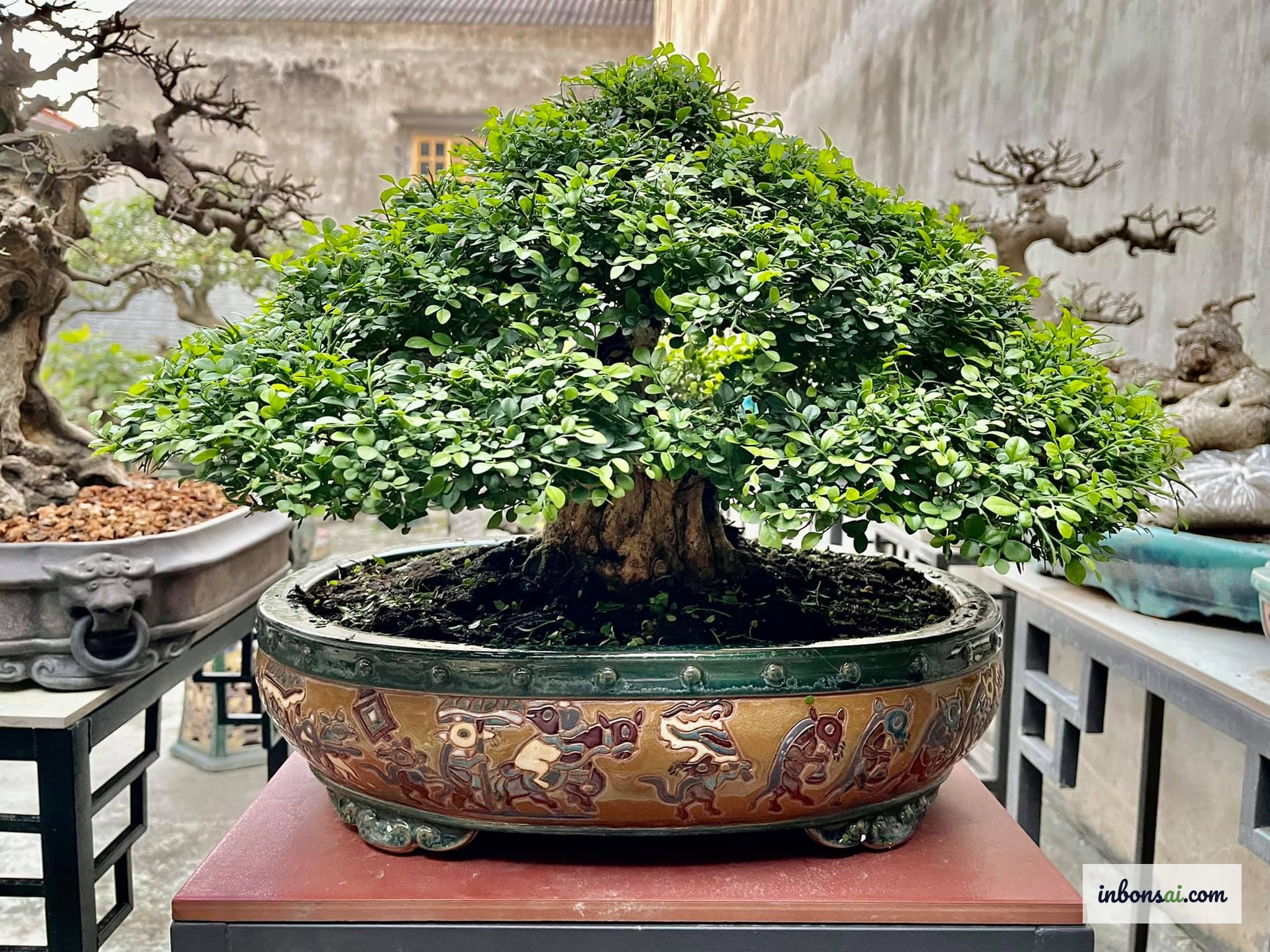
There are many compelling reasons why Murraya has become one of the most popular species in Vietnamese bonsai culture:
Naturally small leaves: The inherently small leaf size is a major advantage — you don’t need to spend significant technical effort reducing leaf size the way you would with some other species. The naturally compact foliage creates harmonious proportions with the trunk from the very start.
Flowering and fragrance: This is the key differentiator from many other bonsai species. Murraya flowers are not only beautiful but release a gentle, sweet fragrance — offering a complete sensory experience that few ornamental trees can match.
Robust constitution: Murraya adapts well to tropical climates, tolerates heat, is relatively disease-resistant, and recovers quickly after pruning. This makes it ideal for beginners who are still developing their care skills.
Moderate growth rate: The tree grows fast enough that you can see meaningful progress each season, but not so aggressively that you need to prune constantly like some other tropical species.
In addition, Murraya bonsai is relatively affordable on the market compared to the aesthetic value it provides. You can also read the mini bonsai care guide at home to build a solid knowledge foundation before getting started.
How to Select a Healthy Murraya Bonsai
Selecting a healthy Murraya bonsai from the start saves considerable time and effort later. Whether you buy from a nursery, flower market, or online platform, pay attention to these points:
Examine the trunk: It must be firm with no signs of rot or mold. Natural grayish-brown bark with slight cracking by age is completely normal and desirable. Avoid trees with ulcers, unusual peeling bark, or abnormal sap secretion.
Check the root base: If possible, gently inspect the nebari (surface roots). Roots should be healthy, free of rot, and distributed fairly evenly around the base. Slightly exposed roots at soil level are an aesthetic plus.
Foliage condition: Deep green, glossy, firm leaves indicate a healthy tree. Avoid trees with yellow leaves, black spots, or visible webbing — signs of spider mites or mealybugs.
Initial trunk character: You don’t need to buy a tree with a fully formed, perfect shape — that will be very expensive. Instead, look for a tree with natural trunk taper, the beginnings of an aged base, and reasonably distributed branches that can be shaped over time.
Soil Mix and Pot Selection
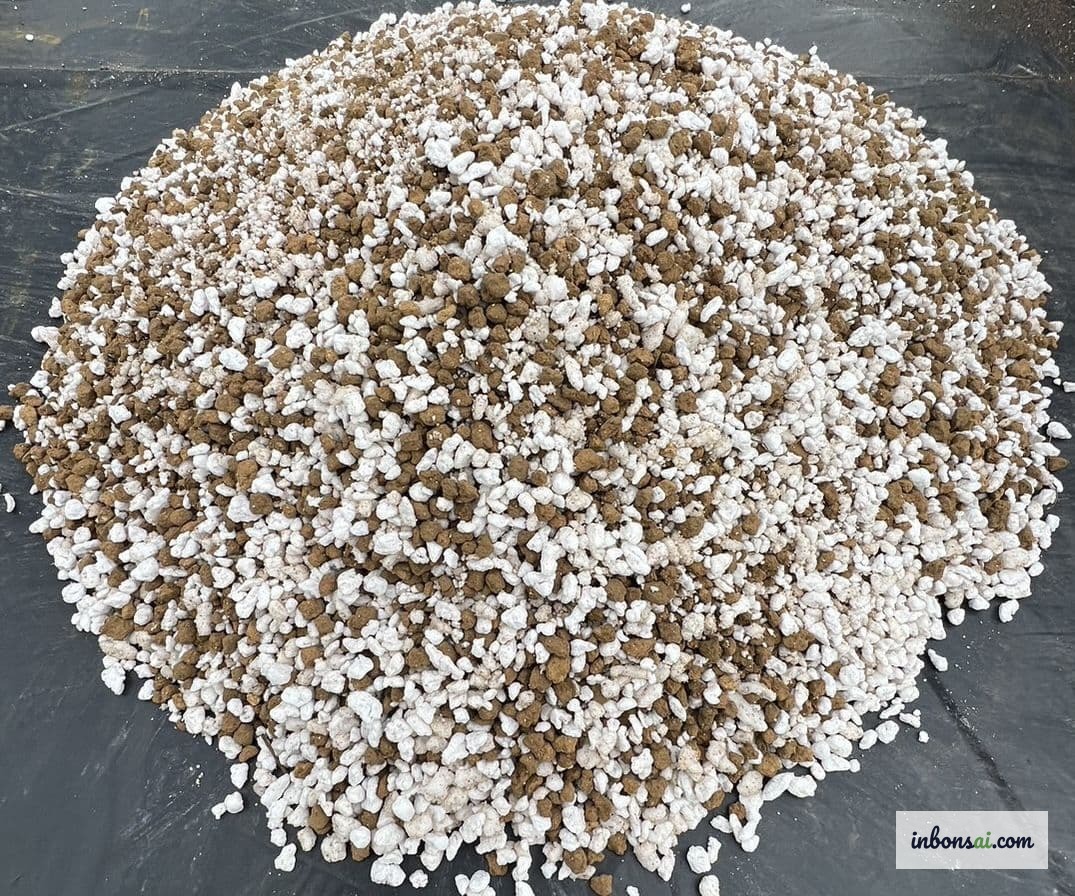
The soil mix is one of the most important factors for the long-term health of Murraya bonsai. This species needs fast-draining, well-aerated soil with moderate fertility — never water-retentive soil, as this easily causes root rot.
Ideal soil mix for Murraya bonsai:
- 40% Akadama (Japanese fired clay, moderate moisture retention, good aeration)
- 30% Pumice (excellent drainage and aeration)
- 30% Loam or well-processed garden soil (provides nutrition)
If akadama is unavailable, substitute with coarse sand or perlite combined with clean garden soil in a 1:1 ratio. The key is to avoid pure clay-rich soil — while it retains nutrients well, it tends to compact over time, impeding drainage and gradually strangling the roots. See also how to choose the right bonsai soil for a deeper dive into substrate types.
For pot selection: Murraya bonsai suits ceramic pots with drainage holes at the bottom. The ideal pot size should be approximately 2/3 of the tree’s height. Earth-tone brown, sage green, or black pots contrast beautifully with the tree’s glossy green foliage and white flowers.
Light and Temperature Requirements
Murraya is a sun-loving tree — adequate light is non-negotiable for healthy development and regular flowering. The tree needs at least 4–6 hours of direct sunlight per day. Ideal placement is a balcony, rooftop, or near a southeast-facing window.
However, during peak summer heat (above 38–40°C), provide afternoon shade to prevent leaf scorch. Murraya handles heat well but does not thrive under extreme sustained temperatures.
If growing indoors, position the tree near the sunniest window available. Insufficient light will cause slow growth, faded foliage color, and reduced flowering. Supplemental LED grow lights work well if natural light is inadequate — Murraya responds positively to artificial lighting.
Correct Watering Technique
Watering Murraya bonsai follows the principle of “water when the soil begins to dry, never let it dry out completely.” Check soil moisture by pressing a finger 1–2 cm into the surface — if the soil is still moist, hold off; if it feels dry and crumbly, water immediately.
Summer: May need watering 1–2 times daily due to rapid evaporation. Water in the early morning or late afternoon, never at midday when the sun is strongest.
Winter: Reduce frequency to every 2–3 days. The tree is less active, so water needs decrease significantly.
Proper watering technique: Water evenly around the entire soil surface until water runs freely from the drainage holes — this confirms the substrate is thoroughly saturated. Avoid spot-watering or shallow watering that doesn’t penetrate deeply.
Use overnight tap water (to allow chlorine to dissipate) or rainwater when possible. Avoid using very cold water directly on the roots.
Fertilizing Murraya Bonsai
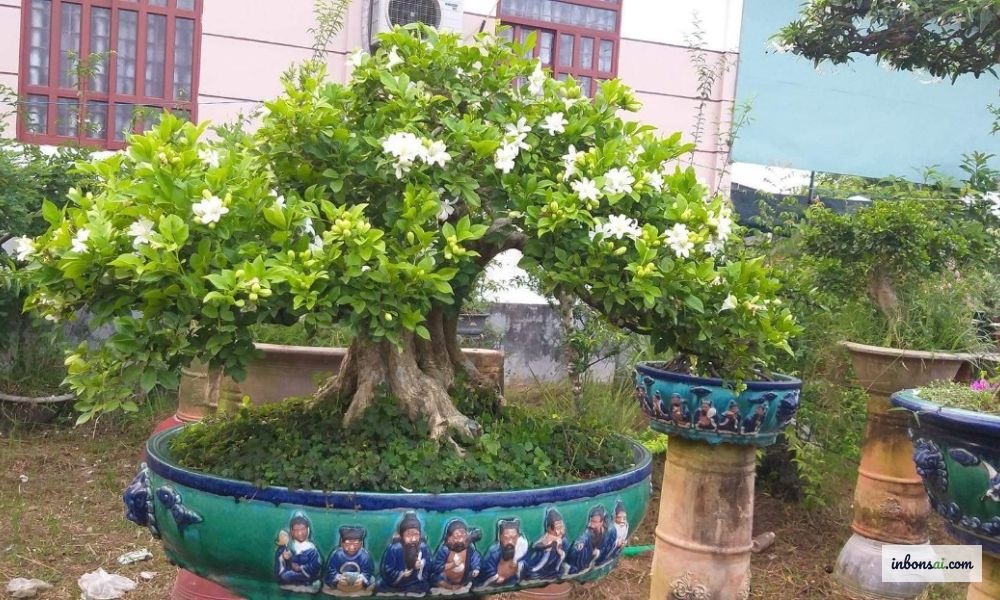
Murraya responds well to balanced, consistent fertilization. The general rule is little and often — avoid large single doses, which can cause fertilizer burn and shock the root system.
Seasonal fertilizing schedule:
- Spring–early summer (Feb–May): Apply balanced NPK fertilizer (10-10-10 or 20-20-20) to stimulate growth and encourage the first flowering flush. Frequency: every 2 weeks.
- Midsummer (Jun–Aug): Reduce dosage by 50%, switch to slow-release organic fertilizer (rapeseed cake, worm castings) to avoid overfeeding in peak heat.
- Autumn (Sep–Nov): Increase potassium (K) and phosphorus (P) ratios to help the tree accumulate energy, harden before cold weather arrives, and stimulate the second flowering flush.
- Winter (Dec–Jan): Stop fertilizing entirely, or apply a very light organic feed once monthly.
See also correct bonsai fertilizing techniques for detailed information on fertilizer types and appropriate dosages.
Pruning and Styling Techniques
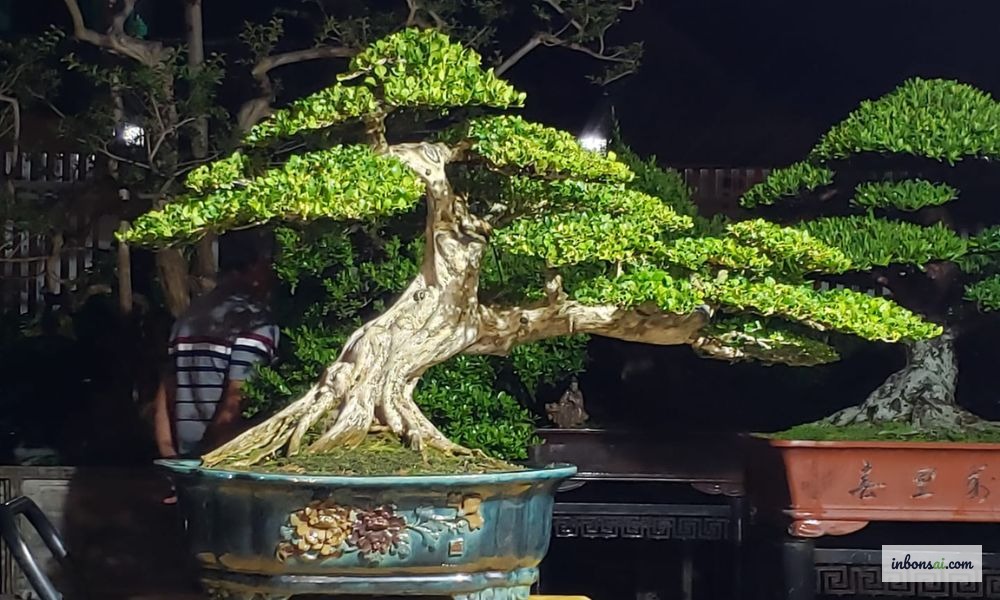
Pruning is the soul of bonsai art, and Murraya responds exceptionally well to correct pruning. The tree recovers quickly, pushes new buds reliably, and can be shaped into a wide range of styles.
Maintenance pruning: Performed year-round to control the overall silhouette. Remove branches growing in the wrong direction, vigorous shoots that disrupt proportions, and deadwood. Use sharp bonsai scissors, cutting cleanly back to a bud or branch junction to direct new growth in the desired direction.
Structural pruning: Performed in late winter or early spring (before the main growth flush begins). This is when you define the primary branch structure — decisions that will shape the tree’s appearance long-term. Harder cuts are acceptable at this time, including removal of larger unwanted branches.
Popular styling options for Murraya:
- Formal upright (Chokkan): Straight, dignified trunk — ideal for office and formal spaces
- Slanting style (Shakan): Naturally leaning trunk, dynamic and energetic
- Informal upright (Moyogi): Gently curved trunk — the most popular style, closest to nature
Refer to the basic bonsai pruning guide to master the techniques before practicing on your tree.
Common Pests and Diseases
Although Murraya is relatively robust, certain care mistakes can lead to common problems:
Spider mites: Symptoms include silvery-discolored leaves and fine webbing on the undersides of leaves. Caused by overly dry conditions and poor air circulation. Treat by misting foliage regularly, applying specialized miticide, or diluted neem oil spray.
Mealybugs: Appear as white cottony deposits in leaf axils and near flower clusters. Treat by dabbing with 70% isopropyl alcohol or blasting with a strong water stream to dislodge them.
Root rot: Primary cause is overwatering or poorly draining soil. Symptoms include sudden yellowing of leaves, wilting despite adequate soil moisture. Remove the tree from the pot, cut away rotted roots, allow to dry, and repot in fresh, well-draining substrate.
Nitrogen deficiency: Uniform yellowing of older leaves is a sign of nitrogen (N) deficiency. Apply a high-N fertilizer to correct.
Prevention is always better than treatment — good air circulation, correct watering practices, and regular fertilization are the three pillars of keeping Murraya thriving.
Feng Shui Significance
Beyond its beauty, Murraya bonsai carries positive feng shui meaning in Vietnamese and broader Asian cultures. “Nguyệt quế” in Vietnamese is associated with the laurel wreath — a symbol of glory, success, and learning since ancient Greece and Rome.
In feng shui, the Murraya tree is regarded as bringing good fortune, career advancement, and a spirit of continuous learning — making it highly suitable for placement in a home office, children’s study space, or living room. The tree’s natural fragrance also purifies the air and creates a calming, peaceful atmosphere.
As an evergreen that flowers regularly and consistently, Murraya bonsai is a popular gift choice for business openings, housewarming events, and promotions — carrying wishes of health, prosperity, and enduring success.
Murraya paniculata bonsai is an outstanding choice for both beginners and experienced enthusiasts — easy to care for, beautiful year-round, wonderfully fragrant, and rich in symbolic meaning. The key is understanding what the tree needs: sufficient light, measured watering, well-draining soil, and regular pruning. Once you find your rhythm, caring for Murraya bonsai becomes not just a hobby but a daily practice in patience and connection with the natural world.
Related Posts
Murraya Bonsai: Complete Growing and Care Guide
Fukien Tea Bonsai: Complete Care Guide at Home
Mai Chieu Thuy Bonsai: Complete Growing & Care Guide
Pomegranate Bonsai Yellow Leaves: Causes & Treatment Guide
Starfruit Bonsai Mini: Feng Shui Meaning and Care Guide
Syzygium Myrtifolium Bonsai: Complete Care Guide
Plumeria Bonsai: How to Grow and Care at Home