Pomegranate Bonsai Yellow Leaves: Causes & Treatment Guide

InBonsai Team
April 12, 2026 · 7 min read
Pomegranate (muội hồng) bonsai is one of the most beloved and popular bonsai species in Vietnam. However, many bonsai enthusiasts—especially beginners—struggle with the problem of yellow leaves appearing on their pomegranate trees. This condition not only diminishes the aesthetic beauty of your bonsai but also signals underlying health issues that need immediate attention. This comprehensive guide will help you understand the root causes and implement effective solutions to keep your pomegranate bonsai lush, green, and thriving.
Main Causes of Pomegranate Bonsai Yellow Leaves
Yellow leaves on pomegranate bonsai can stem from various causes, and identifying the correct one is the first step toward effective treatment. Below are the most common culprits you should be aware of.
Overwatering
Overwatering is the most common cause of yellow leaves in pomegranate bonsai trees. When soil remains too moist, tree roots cannot respire properly, leading to oxygen deficiency. This suffocates the roots and prevents them from absorbing water and nutrients efficiently. As a result, leaves gradually turn yellow, then wilt and drop. This problem is especially common among new bonsai enthusiasts who believe that frequent watering will accelerate growth—the opposite is actually true.
Underwatering
Conversely, insufficient watering also causes yellow leaf problems. Pomegranate bonsai are water-loving plants, particularly during summer months. When a tree doesn’t receive adequate water, leaves will first wilt, then gradually turn yellow before dropping off. The key is finding the right balance—providing enough water without saturating the soil.
Poor Drainage Soil
Soil composition plays a critical role in the health of pomegranate bonsai. Using ordinary garden soil or degraded potting soil that doesn’t drain well will trap water, causing root rot. Pomegranate bonsai require an extremely well-draining soil mix containing components like coconut coir, burnt rice husks, or similar materials to ensure roots stay aerated and dry.
Nutrient Deficiency
Pomegranate bonsai may develop yellow leaves due to insufficient nutrients, particularly nitrogen (N). When you don’t fertilize regularly or adequately, the tree gradually loses its vibrant green color as leaves fade to a pale yellow. Organic fertilizers are ideal for bonsai, applied consistently during the growing season (March through October).
Insufficient Light
Pomegranate bonsai require strong, direct light to develop properly. When placed in insufficient light conditions, leaves gradually turn pale yellow and the tree weakens overall. Ensure your pomegranate bonsai receives at least 5-6 hours of direct sunlight daily, preferably during morning and early afternoon hours.
Identifying Types of Leaf Yellowing
Different types of yellow leaves indicate different underlying problems, each requiring a distinct solution.
Uniform Yellow Discoloration
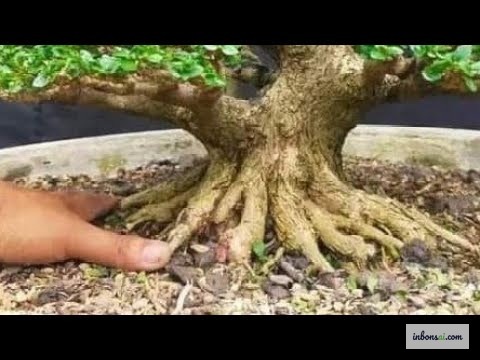
When all leaves turn uniformly pale yellow, this typically indicates nutrient deficiency or insufficient light exposure. The leaves feel soft rather than crispy, showing no signs of desiccation. This is a slower-progressing condition, giving you adequate time to implement corrective measures.
Progressive Individual Leaf Yellowing
When individual leaves gradually turn yellow before dropping one by one, this usually relates to watering issues or root problems. Leaves may also show drying at the edges before falling. This condition requires prompt intervention to prevent excessive leaf loss.
Yellow Leaves with Green Veins
When leaves turn yellow but the veins remain green, this signals iron (Fe) deficiency. This is rare in Vietnam but treatable with iron-containing fertilizers when it occurs.
Treatment Methods for Yellow Pomegranate Bonsai
When you discover your tree has yellow leaves, swift and correct action is essential. Here are fundamental treatment steps you can implement immediately.
Step 1: Inspect Soil and Roots
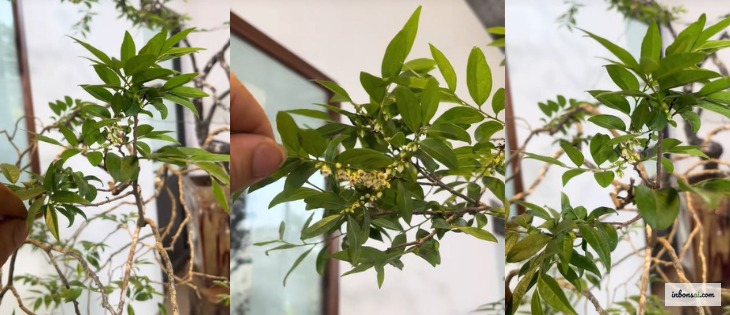
First, check your soil moisture by inserting your finger 2-3 cm deep. If soil is excessively wet, reduce watering frequency and consider repotting with fresh, well-draining soil. If roots smell foul, feel mushy, or break easily—signs of rot—remove diseased roots and repot with fresh, quality bonsai soil.
Step 2: Adjust Your Watering Routine
After inspection, modify your watering schedule. The general rule is to water when the soil surface becomes slightly dry but the core remains moist. Don’t water daily; check soil first and water only when necessary. During summer, you may water once or twice daily, while winter watering should occur just 2-3 times weekly.
Step 3: Implement a Regular Feeding Schedule
If yellow leaves result from nutrient deficiency, fertilize immediately. Use liquid organic fertilizer or specialty bonsai fertilizer following package directions. Apply fertilizer every 2 weeks during the growing season (March through October). Never fertilize a weak tree or extremely dry soil, as this can cause additional damage.
Step 4: Ensure Adequate Lighting
Position your pomegranate bonsai where it receives strong, direct light for at least 5-6 hours daily. If keeping indoors, place near a window receiving direct sun, or use a south or west-facing location. If necessary, supplement with LED grow lights. Adequate light not only promotes healthy growth but also encourages flower development.
Step 5: Remove Affected Foliage
As your tree begins recovering, gradually remove yellow and wilted leaves. This helps the tree conserve energy and accelerates new growth. Avoid removing too many leaves at once; instead, gradually prune over 1-2 weeks to allow the tree time to adjust.
Preventing Yellow Leaves on Pomegranate Bonsai
Prevention is always superior to treatment. Here are proven preventative measures to avoid yellow leaf problems.
Select Appropriate Growing Medium
Use a well-draining soil mixture: 30% coconut coir, 30% burnt rice husks, 20% organic matter, and 20% coarse sand. This formulation ensures rapid water drainage while maintaining adequate moisture retention.
Monitor Soil Moisture Regularly
Check soil moisture weekly by touching the surface or inserting your finger 2-3 cm deep. This awareness helps you understand your specific tree’s water needs and make timely adjustments. Each tree has unique requirements based on location, pot type, and weather conditions.
Maintain a Consistent Fertilization Schedule
Establish a fertilizing routine from March through October, applying fertilizer every 2 weeks. Use balanced NPK fertilizer or specialized bonsai formulations. Stop fertilizing during winter months when trees are dormant.
Provide Optimal Light Conditions
Select a location with at least 5-6 hours of direct daily sunlight. Avoid dark or partially-lit locations. For indoor cultivation, supplement with LED grow lights as needed.
Ensure Good Air Circulation
Maintain good airflow around your tree—most bonsai diseases develop in damp, dark, poorly-ventilated environments. If kept indoors, regularly open windows or use fans to promote air movement.
When to Consult an Expert
If after 2-3 weeks of implementing these treatments your tree continues declining or worsens, fungal infection or pest infestation may be present. In such cases, consult an experienced bonsai specialist or reputable nursery for accurate diagnosis. Fungal diseases require specialized treatment not achieved through cultural adjustments alone.
Conclusion
Yellow leaves on pomegranate bonsai are a common but entirely manageable problem when you correctly identify the cause and act promptly. Most cases involve watering issues, inappropriate soil, or nutrient deficiencies—all controllable factors. Through daily observation, proper maintenance, and preventative measures, you can maintain a healthy, vibrant pomegranate bonsai for years to come. Remember that every tree is unique; regular monitoring and observation are essential to understanding your specific tree’s individual requirements and supporting its success in your bonsai journey.
Related Posts
Pomegranate Bonsai Yellow Leaves: Causes & Treatment Guide
Pomegranate Bonsai: Feng Shui Meaning and Care Guide
Starfruit Bonsai Mini: Feng Shui Meaning and Care Guide
Syzygium Myrtifolium Bonsai: Complete Care Guide
Ficus Religiosa Bonsai: Spiritual Meaning and Care Guide
Murraya Bonsai: Complete Growing and Care Guide
Ficus Racemosa Bonsai: Feng Shui Meaning & Care Guide